OVERSEAS - COMMENDATION
ARCHITECT - Triarch Architects Sdn Bhd
CLIENT - Maybank Foundation
CONTRACTOR - Builder Lay Vkt, Phoulhasith (Lay) Vongkhanty
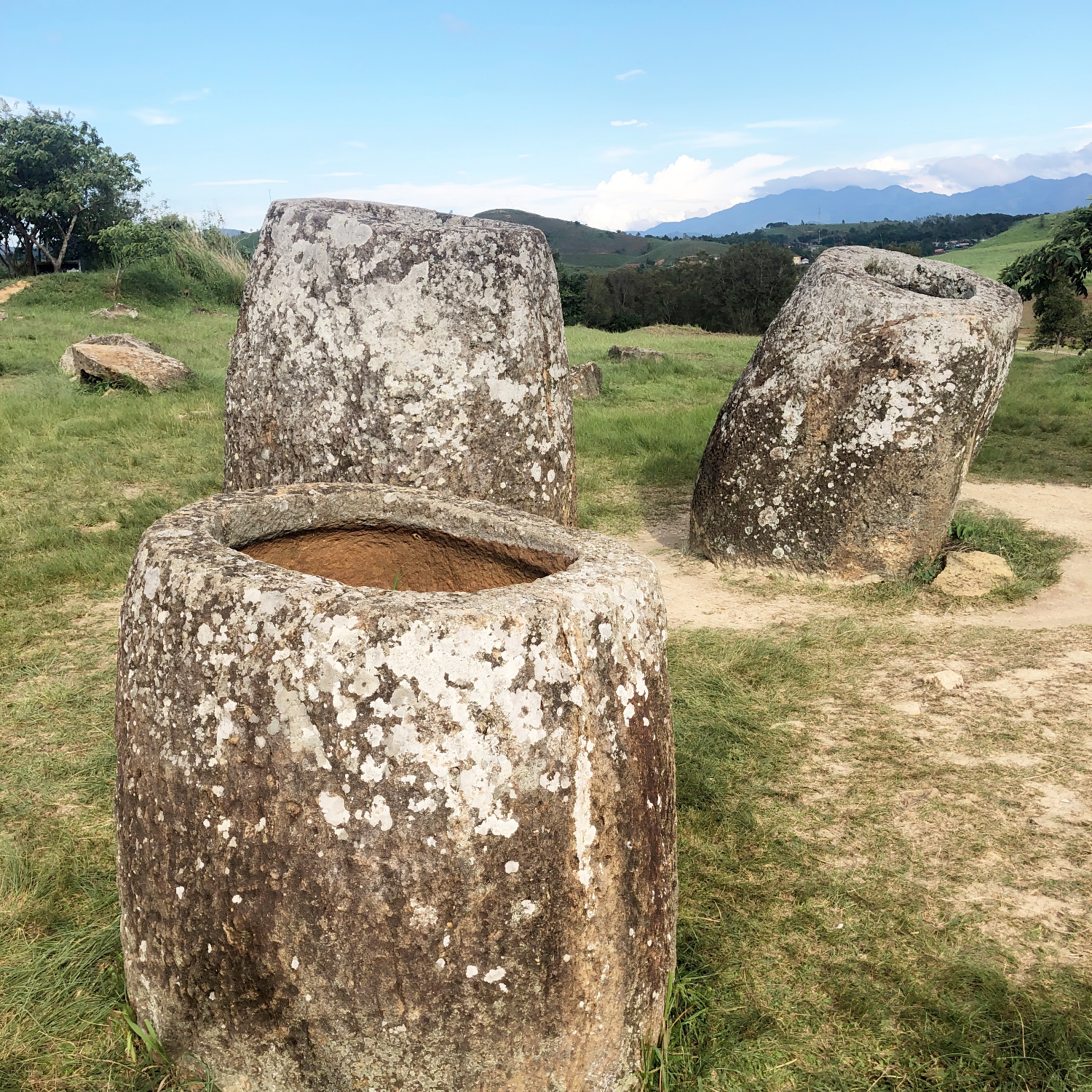
Plain of Jars – the UNESCO Heritage Site
The Maybank Women Eco-Weavers program, initiated by Maybank Foundation Malaysia, empowers marginalised women by preserving ASEAN’s traditional weaving heritage. In partnership with Mulberries Laos, a non-profit organisation promoting sustainable silk production, the program provides training, capacity-building, and microfinance support to foster economic independence and uplift rural communities.
To address the lack of affordable accommodation at the Mulberries Silk Farm in Xiang Khouang, we collaborated with Maybank Foundation to design and build a hostel for 20 weavers. Working within a USD 40,000 budget, inclusive of furnishings, we provided pro bono design and project support. The result is a functional and comfortable space that not only meets the immediate needs of the weavers but also celebrates and preserves cultural heritage through thoughtful design choices.
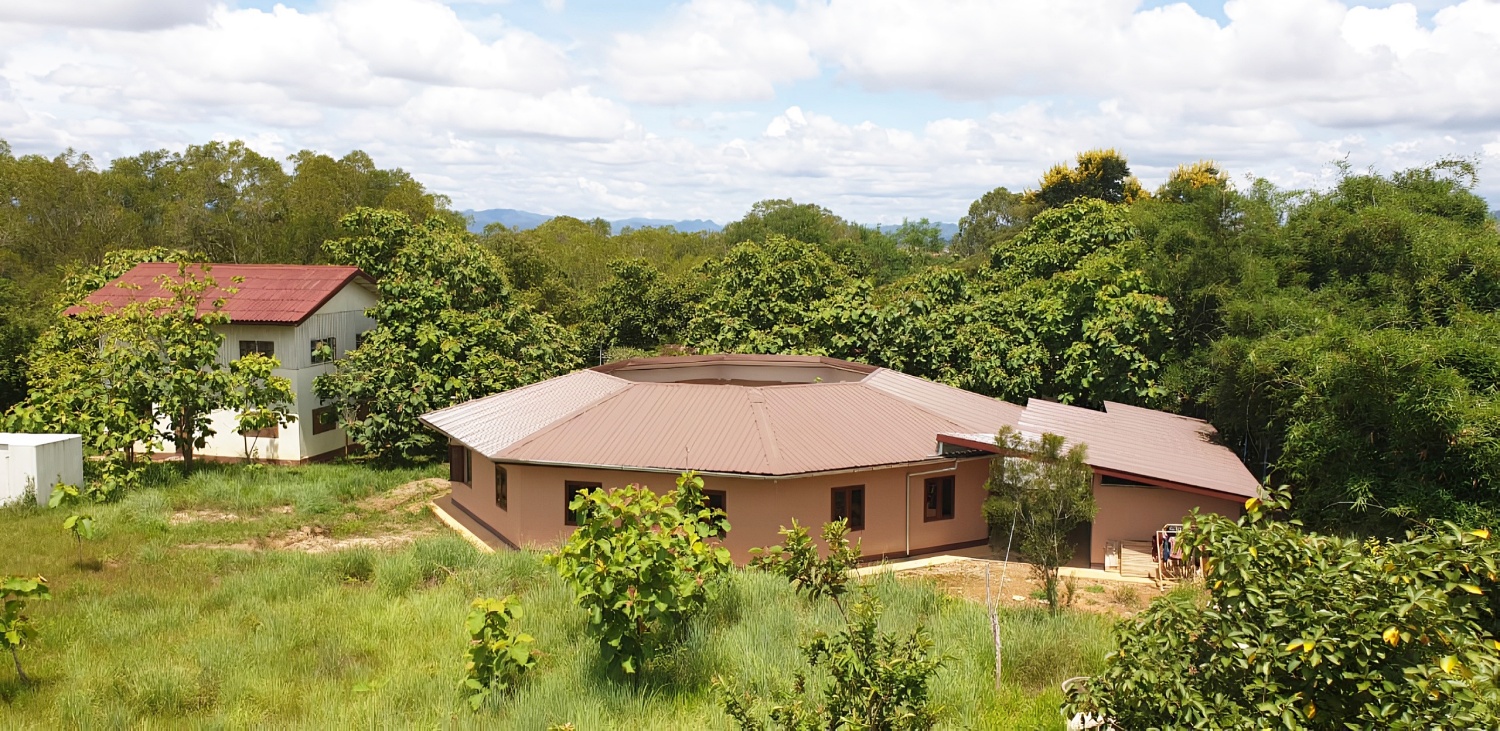
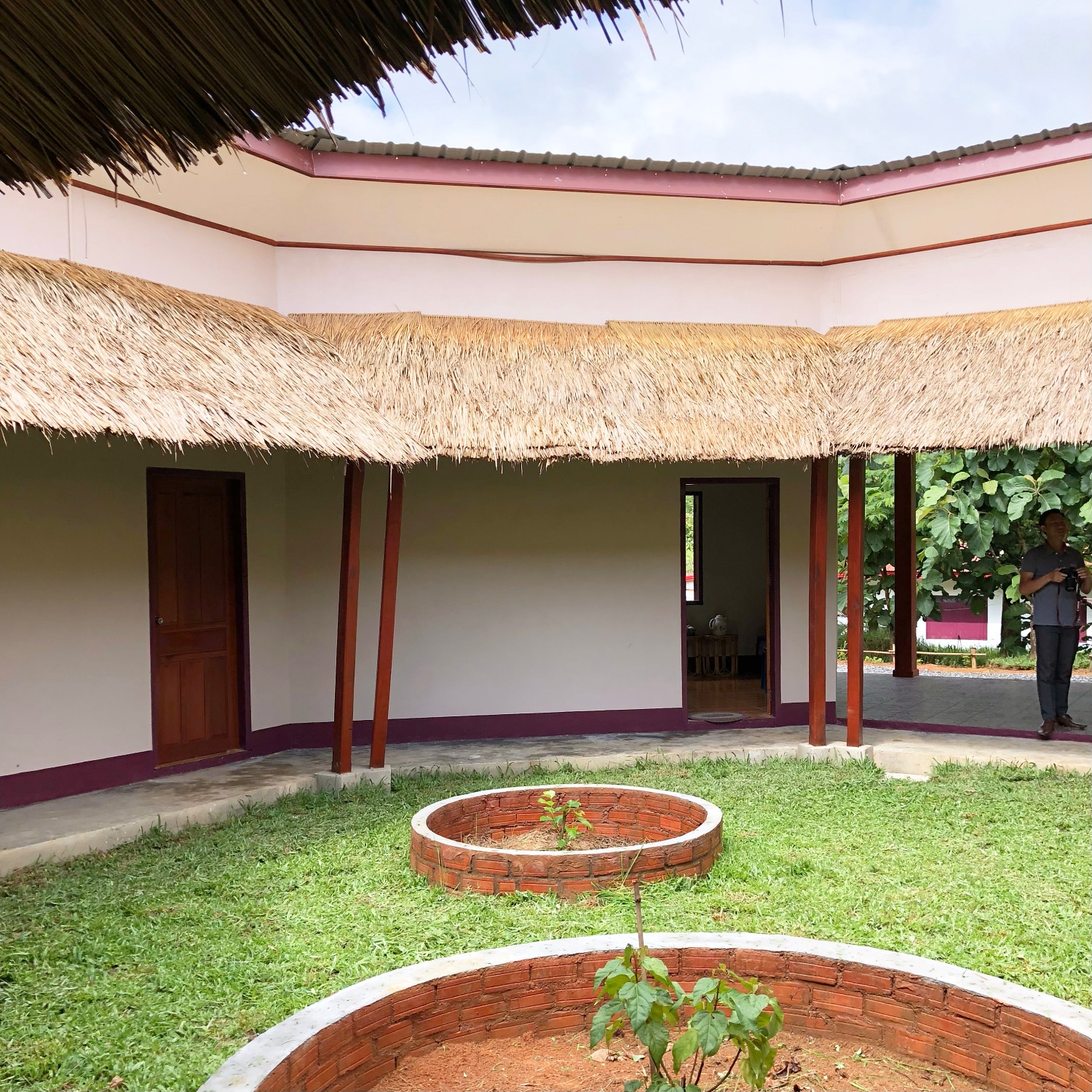
Inspired by the ancient stone jars of the UNESCO-listed Plain of Jars nearby, the Maybank Women Eco-Weavers Hostel serves as a symbol of unity, resilience, and cultural identity. Its hexagonal form was chosen to foster a sense of connection among women from different ethnic and geographic backgrounds. The structure embraces the surrounding landscape, while a central courtyard acts as the heart of the hostel, both literally and symbolically. During the opening ceremony, three mulberry trees were planted here, standing as living representations of growth, tradition, and continuity.
Aerial view of the Weavers Hostel
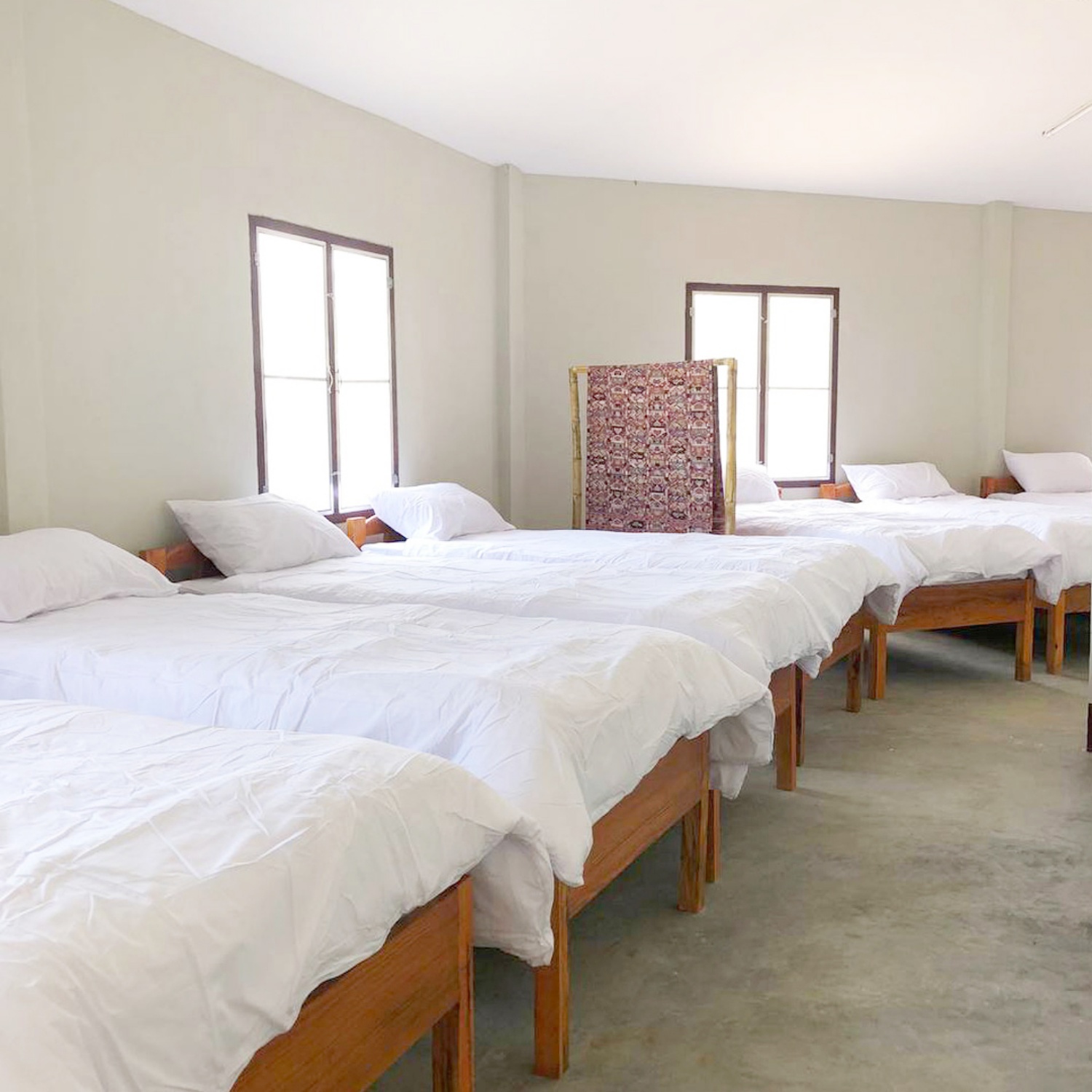
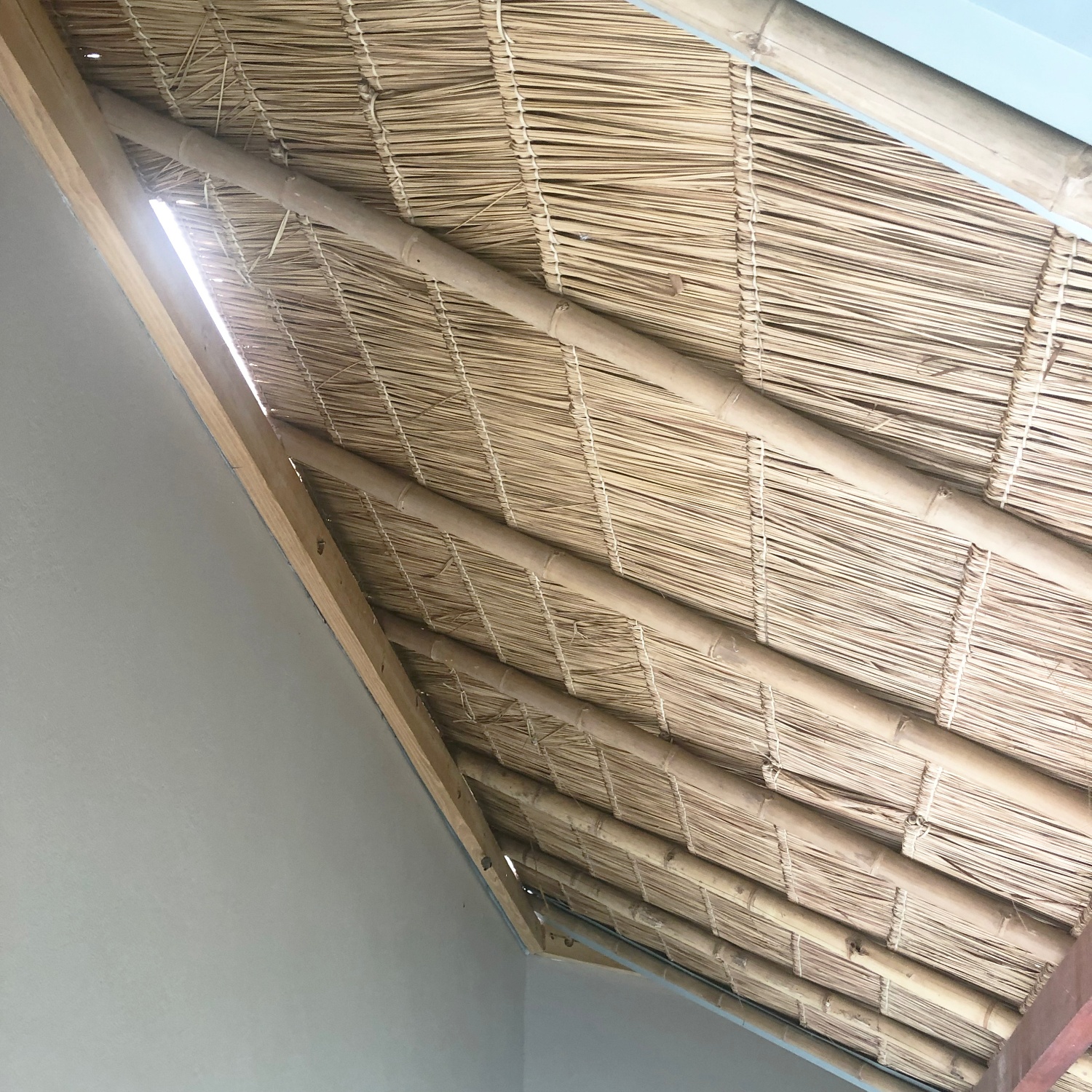
Balancing sustainability with strict budget constraints, the design combines durable and cost-effective materials with elements of local craftsmanship. Concrete columns and brick walls provide structural stability, while walkways covered in bamboo and palm leaf create a softer, more welcoming experience. Carefully positioned mosquito-netted windows allow natural ventilation and bring in panoramic views of the rural scenery, while minimising the need for mechanical cooling. Intimate sleeping areas are defined by partitions made from bamboo and handwoven textiles, adding warmth and cultural context to the interior.
The hostel is more than just a shelter—it is a space for learning, connection, and empowerment. In its first year of operation, it has hosted and trained over 50 weavers, helping to preserve the traditional art of weaving while giving women the tools to support themselves and their families. Many of these women come from remote villages and might otherwise be excluded from such opportunities due to distance or financial limitations. The hostel removes that barrier, creating a safe and inspiring environment where they can focus on developing their skills and building community.
By blending cultural heritage with practical needs, the Maybank Women Eco-Weavers Hostel stands as a testament to what can be achieved through collaboration, design, and a shared commitment to empowering women. It uplifts not just individuals but entire communities, ensuring that the threads of tradition continue to be woven into the future.
The interior of the hostel rooms
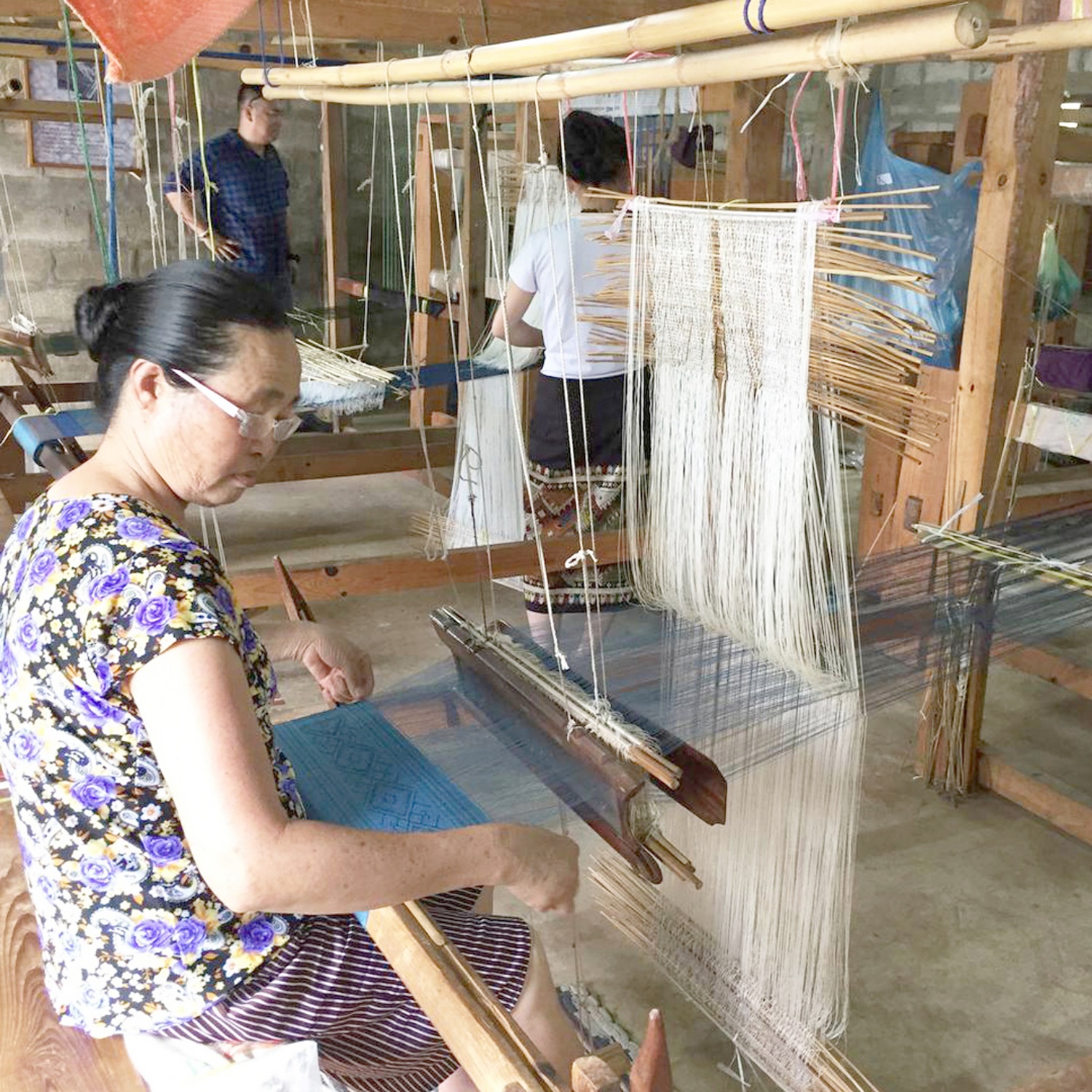
Weavers weaving silk threads
An exemplary synthesis of vernacular form and passive design, the Weavers Hostel honours Lao weaving heritage through spatial intimacy, climatic sensitivity, and community-centric architectural expression.
Central Courtyard serving as the heart of the hostelt
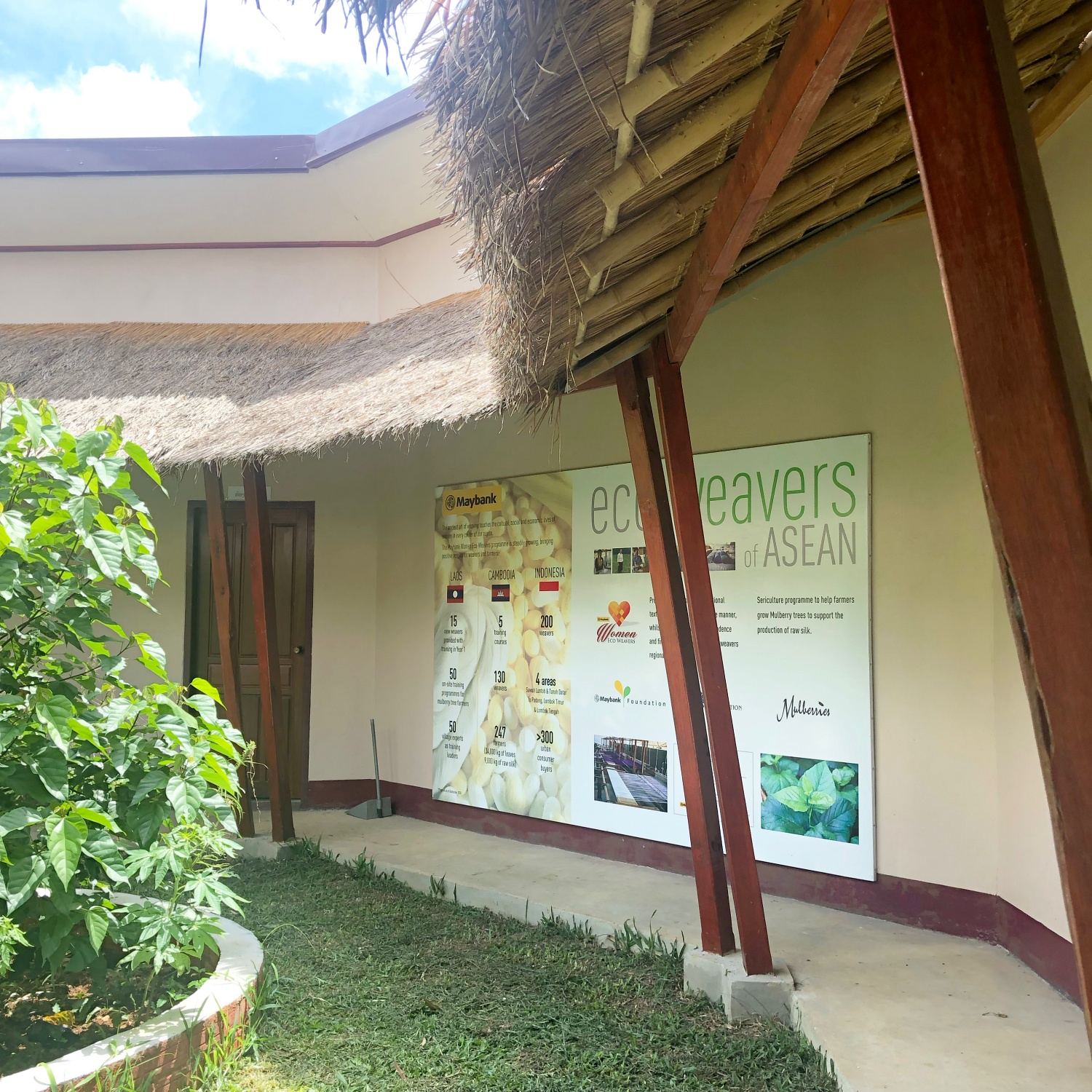
The slanted column detail
Detail of the Bamboo and Palm-leaf Roof shading the walkway