
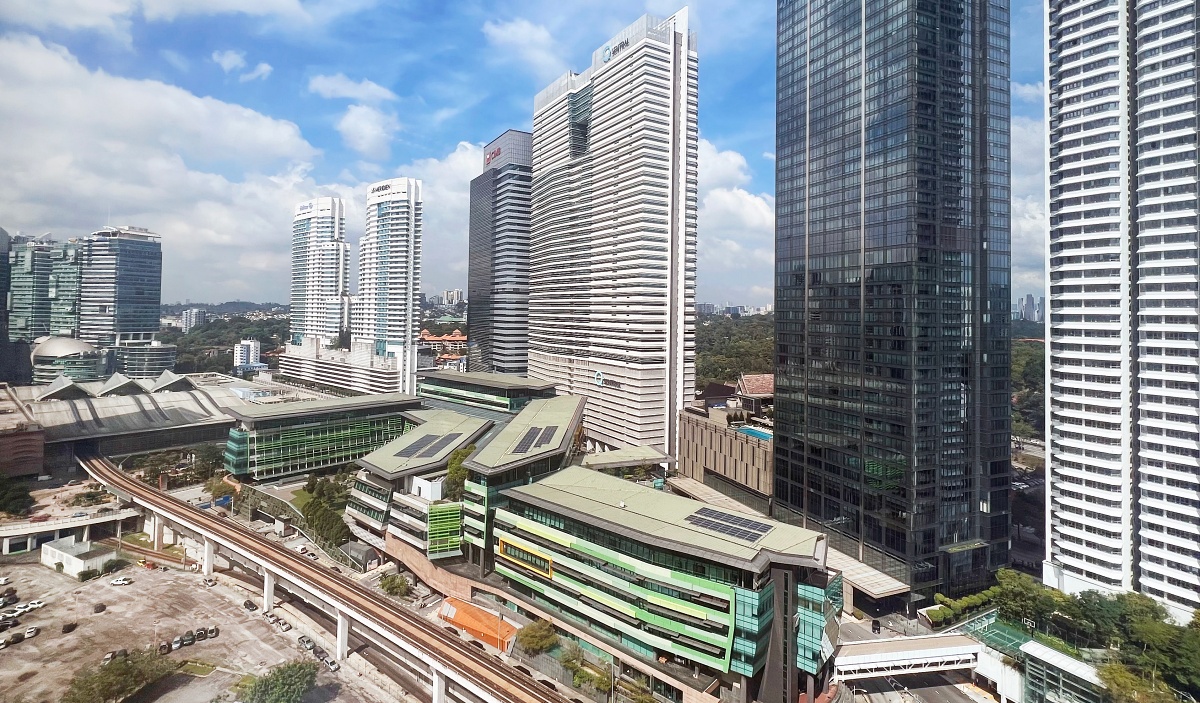
Urban redevelopment is one essential aspect of the broader paradigm of urbanity—a concept that encompasses the environments where we live, work, learn, rest, and interact with both nature and technology. Urbanity is not static; it demands ongoing maintenance, improvement, and thoughtful renewal.
PAM views urbanity as a dynamic, interconnected ecosystem shaped by collective planning and participation. For decades, we have advocated for design approaches that prioritise walkability, equitable access to green spaces, heritage conservation, and sustainable development.
In recent months, we were invited by the Ministry of Housing and Local Government to provide our feedback on the draft Urban Renewal Bill which—despite its ambitious title—focuses primarily on the redevelopment of existing buildings in urban areas.
The strong public reaction following the Bill’s first reading in Parliament in February 2025 revealed just how sensitive and deeply personal the issue of redevelopment is for many Malaysians— particularly residents of aging strata-titled or multi-owner buildings identified in the Bill. In this article, we examine the key provisions of the proposed legislation, highlight PAM’s concerns and recommendations, and offer insight into how the Bill might evolve into a more equitable, sustainable, and community-led instrument of urban change.
WHY IS THERE A NEED FOR THIS BILL?
Across Malaysia, urban transformation has left behind many older, stratified developments—often low-density residential or commercial areas—that have fallen into disrepair. These sites, surrounded by newer growth, are now underutilised and sometimes unsafe, yet efforts to rejuvenate them have long been stymied by legal hurdles.
Current laws require unanimous consent from all property owners in
a stratified development before any collective redevelopment can proceed. This all-or-nothing threshold has made even the most compelling projects unfeasible.In the absence of enabling legislation, some developers have attempted to bypass proper processes.
I recently encountered such a case in my own neighbourhood, where residents of a low-cost flat were approached by paid operators who presented forged documents claiming their building had been approved for demolition. The residents were then harassed and told this was their last chance to receive compensation. Some, uncertain of their rights and alarmed by the threats, were persuaded to sign away their property interests.
These incidents underscore the urgent need for a robust and transparent framework—one that restores public trust, safeguards vulnerable communities, and brings consistency to how urban renewal is initiated and carried out.
The Urban Renewal Bill aims to fill this gap. By introducing clear procedures, institutional checks, and consent-based mechanisms, it promises to replace ad hoc redevelopment attempts with a fairer and more accountable process—one that better aligns with the public interest.
URBAN RENEWAL IN NAME, REDEVELOPMENT IN PRACTICE
The Urban Renewal Bill outlines three primary categories of urban improvement:
- Urban Redevelopment – involving demolition, site clearance, and rebuilding;
- Urban Regeneration – referring to infrastructure upgrades and building repairs without complete demolition;
- Urban Revitalisation – encompassing softer interventions such as beautification and the reprogramming of spaces.
These categories suggest a broad and holistic view of urban improvement. However, while the Bill recognises the range of possible interventions, its mechanisms are geared almost entirely towards urban redevelopment. There are no specific tools, funding pathways, or planning procedures outlined to support regeneration or revitalisation efforts.
In this respect, the Bill stops short of fully embracing the broader spectrum of urban renewal strategies. Still, by naming these pathways, the Bill opens the door to future refinement—where more inclusive and adaptive interventions could be actively enabled through complementary policies and local planning initiatives.
To understand how this focus on redevelopment plays out, it’s helpful to examine the procedural framework the Bill proposes.
A REGULATED PROCESS
The Bill seeks to curb possible abuses by introducing a more transparent and regulated process. One of its core provisions is that any area proposed for urban redevelopment must be formally gazetted within a Local Plan. This requirement ensures that urban redevelopment is aligned with legitimate planning objectives — not driven by private interests and greed. Furthermore, the Bill mandates institutional oversight and structured engagement with affected parties, shifting decision-making into public and accountable hands.
Step 1: Identification of Potential Urban Renewal Area
Step 2: Gazettement in Local Plan
Step 3: Preparation of Urban Renewal Planning and Consultation Report
Step 4: Consent Threshold
- 80% for building < 30 years old
- 75% for buildings >30 years old
- 51% (engineer-certified unsafe or abandoned buildings)
- Prequalified & registered
- Cannot approach owners directly
Step 6: Community Consultation and Mediation
– Led by Urban Renewal Mediation Committee
Step 7: Final Agreement or Land Acquisition
- Unanimous agreement * proceed via en-bloc sale to developer
- Majority agreement * proceed via Land Acquisition Act
- Oversight by Local Authority and State Committee
PREQUALIFICATION OF DEVELOPERS
A significant innovation of the Bill is that only prequalified developers—registered on a federal list—are eligible to undertake urban redevelopment projects. These developers must meet rigorous standards, including demonstrated capital strength, proven performance track records, and compliance with criteria set by the Federal Executive Committee. Only after a formal invitation from the authorities can a developer be matched to a project.
THE CONSENT THRESHOLD
A key mechanism introduced in the Urban Renewal Bill is the consent threshold, which acts as a trigger point for State Authorities to intervene and initiate formal urban improvement processes. This threshold does not result in automatic acquisition or dispossession of property—a common misconception. Instead, once the threshold is met, it allows the State to begin a structured negotiation process between the owners of the building and a prequalified developer, with oversight and support from institutional bodies.
The required level of consent varies depending on the building’s condition:
- 80% for buildings less than 30 years old,
- 75% for buildings more than 30 years old,
- 51% for buildings that are abandoned or declared structurally unsafe.
These thresholds are designed to reflect both the urgency of intervention and the need for broad-based community support. They do not bypass owners’ rights but instead signal the feasibility of urban redevelopment and unlock a formalised and accountable pathway forward.

FRAMEWORK FOR ENGAGEMENT
Once triggered, the Bill provides a strict framework for engagement. Developers may not approach owners or occupiers directly. All communication must be conducted through institutional channels, in coordination with state authorities and designated mediation platforms. This is a major safeguard to prevent the kind of coercion and misinformation that has marred past urban redevelopment efforts.
CONSENSUS FIRST, ACQUISITION LAST: A BALANCED APPROACH TO DISAGREEMENT
In our recommendations to the Ministry of Housing and Local Government, PAM stressed the need for stronger safeguards to protect owners and occupiers from developer exploitation. We also called for a structured, credible framework to resolve disputes during urban renewal projects.
As of February 2025, the latest version of the Urban Renewal Bill addresses these concerns by introducing the Urban Renewal Mediation Committee. This is a positive step, ensuring that consensus-building and conflict resolution are integral, not peripheral, to the renewal process. The Committee’s primary role is to help parties reach a unanimous agreement on redevelopment, after which formal procedures can proceed under state oversight.
For this mechanism to be effective, its structure and procedures must be clearly outlined in subsidiary regulations to avoid becoming symbolic. There is an opportunity to institutionalise a multidisciplinary mediation process involving trained mediators and independent professionals in architecture, urban design, planning, engineering, and construction. These experts provide technical guidance and can facilitate co-design processes, with architects leading efforts to engage residents in shaping design outcomes collaboratively. Using visualisation tools, participatory workshops, and inclusive planning, architects and allied professionals can help residents better understand the long-term spatial, environmental, and financial implications of proposed interventions, while ensuring community input is central to the design and decision-making process.
This approach ensures that negotiations are not only technically sound but also socially inclusive, reinforcing that every voice counts in reaching unanimity, particularly in diverse communities with varying concerns and priorities.
While the Bill does not specify what happens if unanimity is not reached, discussions with the drafters suggest the intention is to secure the widest possible agreement through negotiation and mediation. If this fails, the State may invoke the Land Acquisition Act to acquire remaining units, compensating based on terms agreed upon by the consenting majority. This underscores the importance of transparent, equitable negotiations to ensure both majority and minority owners are treated fairly.
INCORPORATING FLEXIBILITY AND FAIRNESS INTO THE BILL
PAM’s task force also submitted a number of forward-looking recommendations which, we hope, will be reflected in the final version of the Urban Renewal Act. These proposals aim to strengthen the legislation’s effectiveness, ensure fair treatment of stakeholders, and improve the feasibility of implementation on the ground.
1. Empowering Communities as Initiator
PAM recommends broadening the scope of who may initiate an urban renewal process. Rather than relying solely on State-led interventions, the Act could empower Management Corporations (MCs) and residents’ groups—particularly in strata-titled developments—to initiate collective renewal. This would follow a structured pathway: once a consent threshold is achieved, the MC could appoint a qualified consultant to facilitate negotiations with a developer, all under the safeguards and procedures laid out in subsidiary regulations. This approach would recognise the growing capacity and organisation of resident bodies and enable them to take a more proactive role in shaping the future of their communities.
2. Realistic Timelines for Complex Projects
PAM has expressed concern over the practicality of the proposed two year deadline for initiating urban renewal projects following gazettement. Given the complexities involved—particularly in large-scale or stratified developments—this timeframe may be too ambitious. We hope to see the final legislation provide greater flexibility and clearer guidance to accommodate real-world conditions. Unless the process is significantly streamlined, the rigid timeline could pose a barrier to successful implementation.
3. Streamlining Developer Qualifications
While PAM supports the need for a prequalification system to ensure only capable developers are involved, we caution against making the process overly complex or opaque. Urban renewal projects are inherently challenging and long-term in nature. The prequalification process should be transparent, well-communicated, and reasonably accessible, to encourage the participation of competent developers willing to commit to projects that prioritise public interest and long-term community benefit.
4. Architect representative at the Federal and State Executive Committees
PAM advocates for the formal inclusion of architects, especially from the private sector, in the governance of urban renewal projects at the federal and state executive committees described in the Bill. Their expertise is essential not just in managing technical and economic considerations, but also in ensuring that urban scale, streetscape quality, public realm design, and liveability are meaningfully addressed.
ADVOCATING FOR GREENER OUTCOMES
While the Bill introduces important governance mechanisms, it misses a crucial opportunity to mandate higher environmental standards for redeveloped buildings. Future urban policies must embed sustainability at their core—ensuring that redevelopment not only enhances infrastructure but also reduces waste, conserves resources, and minimises environmental impact. As professionals and stakeholders, architects must lead by example, championing design approaches that go beyond compliance and prioritise long-term ecological and social resilience.
In dense urban areas, demolishing buildings carries a heavy environmental cost. Each demolition erases embodied carbon—the energy and emissions already invested in materials, manufacturing, transport, and construction. This loss often exceeds the carbon footprint of a building’s entire operational lifespan. Urban renewal policies should therefore prioritise refurbishment and adaptive reuse over demolish-and-rebuild models, preserving existing structures where feasible and upgrading them to meet modern standards.
Older buildings, while often energy inefficient, can be transformed. Energy audits and targeted upgrades can improve thermal performance, modernise mechanical systems, and reduce operational energy use. The Green Building Index (GBI) provides a valuable framework for guiding such improvements, balancing heritage preservation with efficiency and comfort.
This dual strategy—preserve where possible, upgrade where necessary—offers a more sustainable, cost-effective, and culturally sensitive path to urban transformation. It lowers emissions, extends building lifespans, and retains the character and scale of our cities.
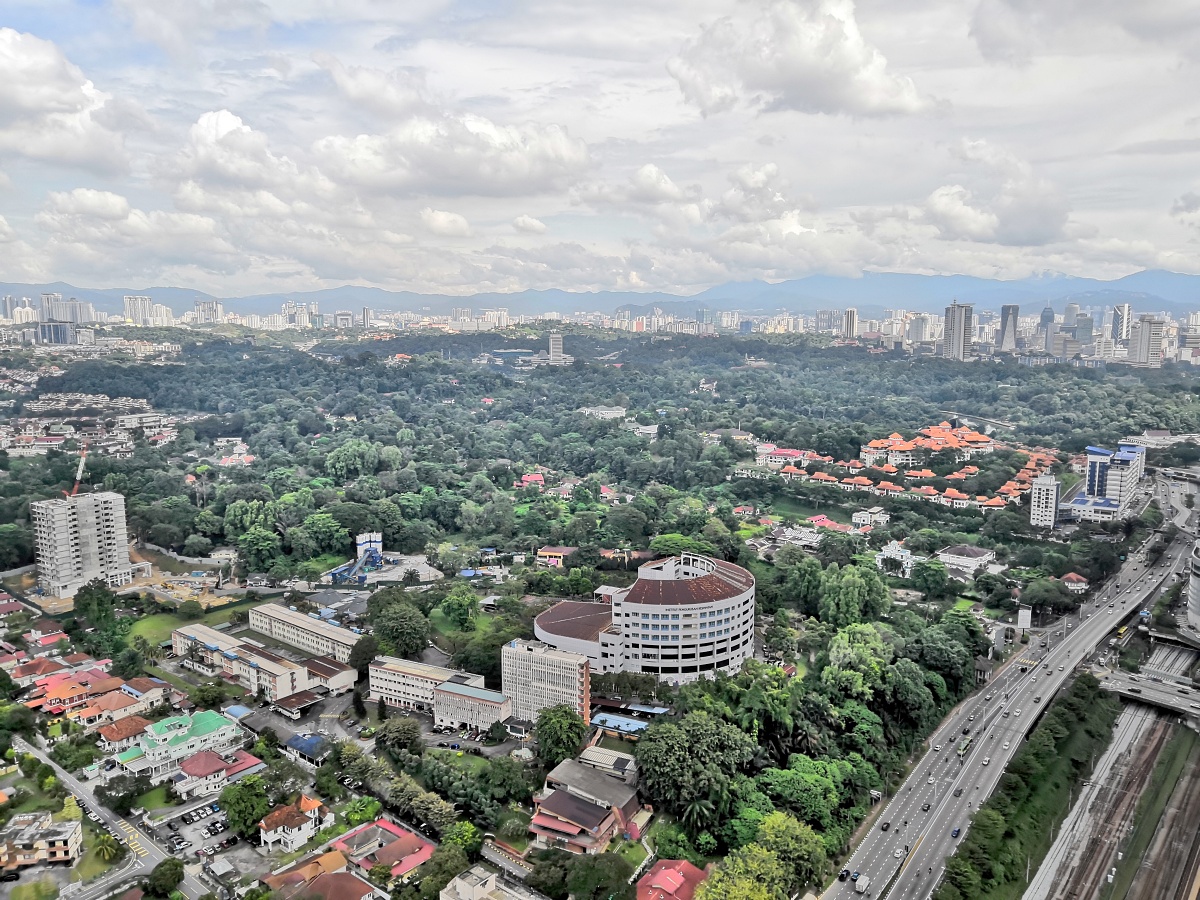
AN IMPORTANT FIRST STEP TO RENEWING OUR CITIES
We acknowledge that there are areas where the Bill can and should be improved. Its current focus on redevelopment leaves important urban renewal strategies—such as regeneration and revitalisation—without the mechanisms they require. Implementation details, particularly around mediation, compensation, and public participation, will be critical to ensuring the process remains fair and community-led.
Nevertheless, PAM views this legislation as a positive beginning, and we remain committed to working collaboratively with the Ministry and all stakeholders to refine its provisions before it is finally tabled in Parliament. If adopted, the subsidiary regulatory frameworks must continue to be tested, reviewed, and improved to reflect the realities of our cities and the aspirations of their people.
AR. DAVID TEOH is a Director of the GreenBuildingIndex, and the coordinator of PAM’s Practice Thrust, overseeing committees related to professional practice matters. In December 2024, he led a special task force comprising PAM Council Members and Chapter representatives to review the draft Urban Renewal Bill. This article was written to help the public understand the key features of the proposed legislation and to articulate the position of the Institute in relation to the Urban Renewal Bill.