
The world of architecture is constantly evolving, and few firms capture the spirit of innovation and sustainability quite like MVRDV. Known for pushing the boundaries of design and embracing bold, forward-thinking concepts, MVRDV has become a global leader in creating spaces that challenge conventional norms. On March 20, 2025, this spirit was brought to life at the MVRDV Architects Special Lecture, held at the President Hall in PAM Bangsar as part of the Kuala Lumpur Architecture Festival (KLAF) 2025. With over 110 eager participants in attendance, the lecture provided an exciting opportunity to delve into the creative minds behind some of the firm’s most iconic projects. Led by Jan Knikker and Hui-Hsin Lao, the two-hour session offered a glimpse into MVRDV’s innovative design processes, their commitment to sustainability, and how they continue to shape the future of architecture on a global scale.
The event began with registration at 7:00 PM, where attendees received their KLAF Festival Passport, complete with a special “MVRDV Special Lecture” stamp. This gesture highlighted the importance of the lecture within the broader context of KLAF 2025, a festival designed to engage and inspire architecture enthusiasts from all walks of life. The participants eagerly anticipated the start of the lecture, knowing it would be an opportunity to learn from some of the best in the field of modern architecture.
The opening remarks were delivered by Ar. Qhawarizmi Norhisham, who introduced KLAF 2025 and its goals. Ar. Qhawarizmi highlighted the festival’s past successful events, including the collaboration with SinggahKL and a two-day tour of Kuala Lumpur, visiting prominent architecture such as Stadium Merdeka and Menara MAIWP. He also discussed the theme for KLAF 2025 — “Augmentic,” focusing on how technology, sustainability, and human interaction in architecture are expected to shape the future. He also touched upon upcoming events like DATUM KL, set to take place in July 2025, and provided details about ticket pricing for those interested in attending.
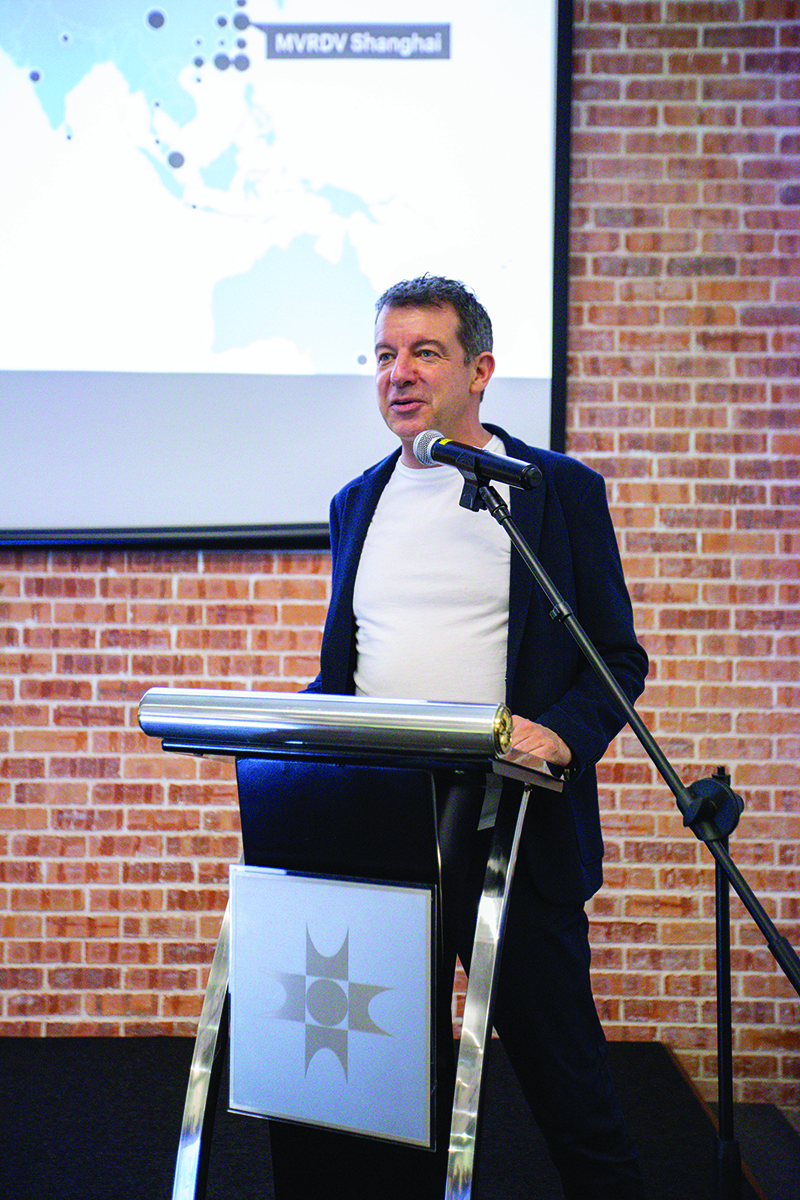
With the stage set, Jan Knikker of MVRDV took the floor, accompanied by Hui-Hsin Lao. Jan introduced himself, briefly outlining his role as a partner at MVRDV and his contributions to the firm’s growth and innovative projects. Together, Jan and Hui-Hsin delved into several of MVRDV’s landmark projects, each demonstrating the firm’s commitment to sustainability, innovation, and the integration of diverse architectural functions.
One of the key highlights of the evening was the discussion surrounding the Markthal in Roflerdam, Netherlands, completed in 2014. Jan and Hui-Hsin described the Markthal as a sustainable fusion of food, leisure, living, and parking, a building that embodies MVRDV’s philosophy of creating integrated, multifunctional spaces. The Markthal features a vast, covered market square beneath a massive arch, with apartments, offices, and retail spaces surrounding it. This project is not only a bold architectural statement but also a celebration of the synergies that can be created when different functions coexist within the same building.
Another significant project discussed was Valley, a 2022 development in Amsterdam’s Zuidas neighbourhood. This dramatic, geology-inspired building features three towers of varying heights—67, 81, and 100 meters—each cantilevered to offer residents expansive views. The towers’ green façades and the plant-covered valley running between them create a refreshing, natural space amid the bustling city. The project stands out for its innovative approach to combining office spaces, shops, cultural facilities, and residential apartments in one building. Furthermore, the green valley is accessible to the public, making it a symbol of openness and community.
MVRDV also shared their work on The Pyramid of Tirana, a project in Albania completed in 2023. Originally a museum dedicated to the communist dictator Enver Hoxha, the Pyramid has been reimagined as a vibrant cultural hub. The firm repurposed the building’s concrete structure, turning it into a public park and sculpture. The project houses colourful boxes containing cafés, workshops, start-up offices, and classrooms, which offer free technology education to the youth of Albania. The transformation allows the citizens of Tirana to physically engage with the building, walking up its sloped façades and reclaiming the space for the community.
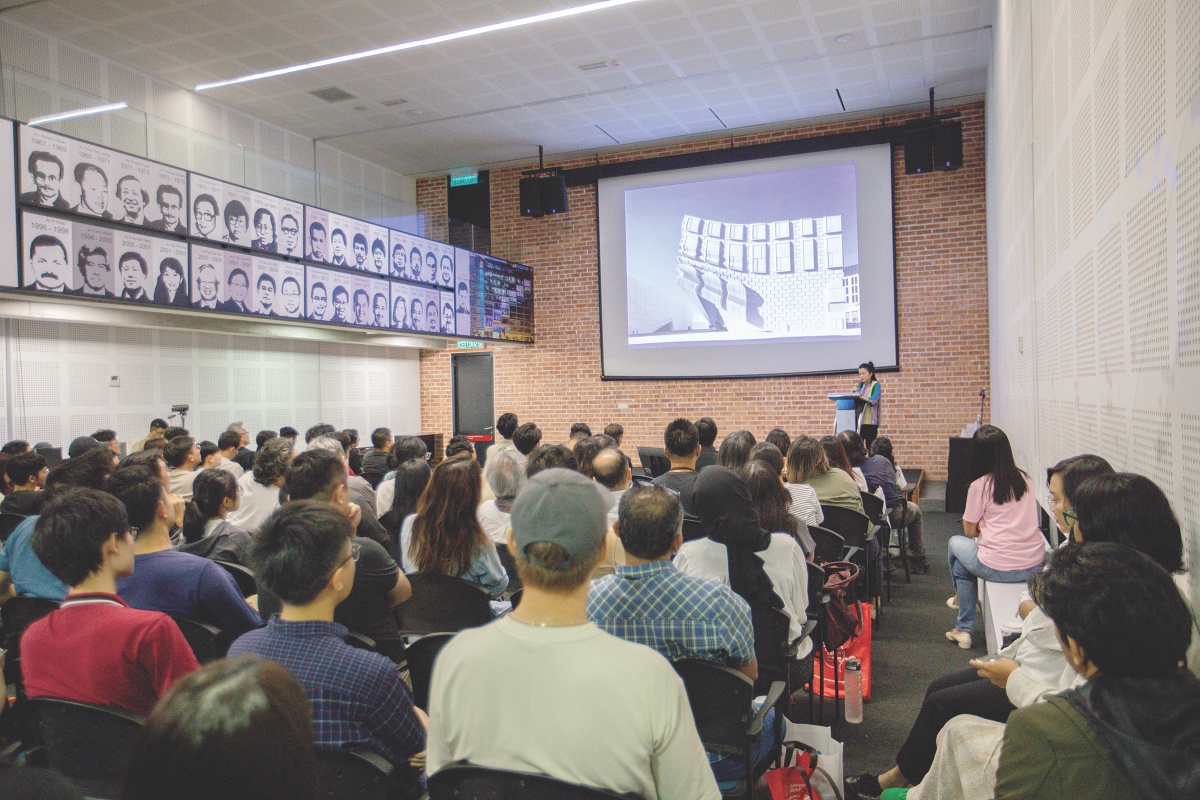
Another notable project discussed during the lecture was Bulgari Shanghai, realized in 2021. MVRDV reused crushed green glass to create a jade-like façade for the luxury brand’s flagship store in Shanghai. This sustainable material choice reflected the firm’s commitment to innovative, eco-friendly design. The façade combines brass and recycled glass bottles, paying homage to both Bulgari’s heritage and Shanghai’s Art Deco architecture while ensuring the design remains sustainable.
MVRDV’s commitment to adaptive reuse was further demonstrated by the Shenzhen Women & Children’s Centre, completed in 2023. The project involved refurbishing a 1990s tower, transforming it into a colourful, multi-use facility designed to support women and children. With its vibrant façade, the building stands out in Shenzhen’s Futian district, setting a precedent for future adaptive reuse projects in the city. The building now houses a variety of spaces, including a library, auditorium, theatre, therapy rooms, and offices, providing essential services for the welfare of women and children in the area.
The lecture concluded with a Q&A session, where Jan and Hui-Hsin reflected on MVRDV’s future in sustainable design. They discussed how sustainability would continue to play a central role in their work, emphasising the importance of incorporating green design principles in urban development. The speakers also addressed how youth and future generations would shape the architectural landscape, particularly in terms of sustainability and innovative design.
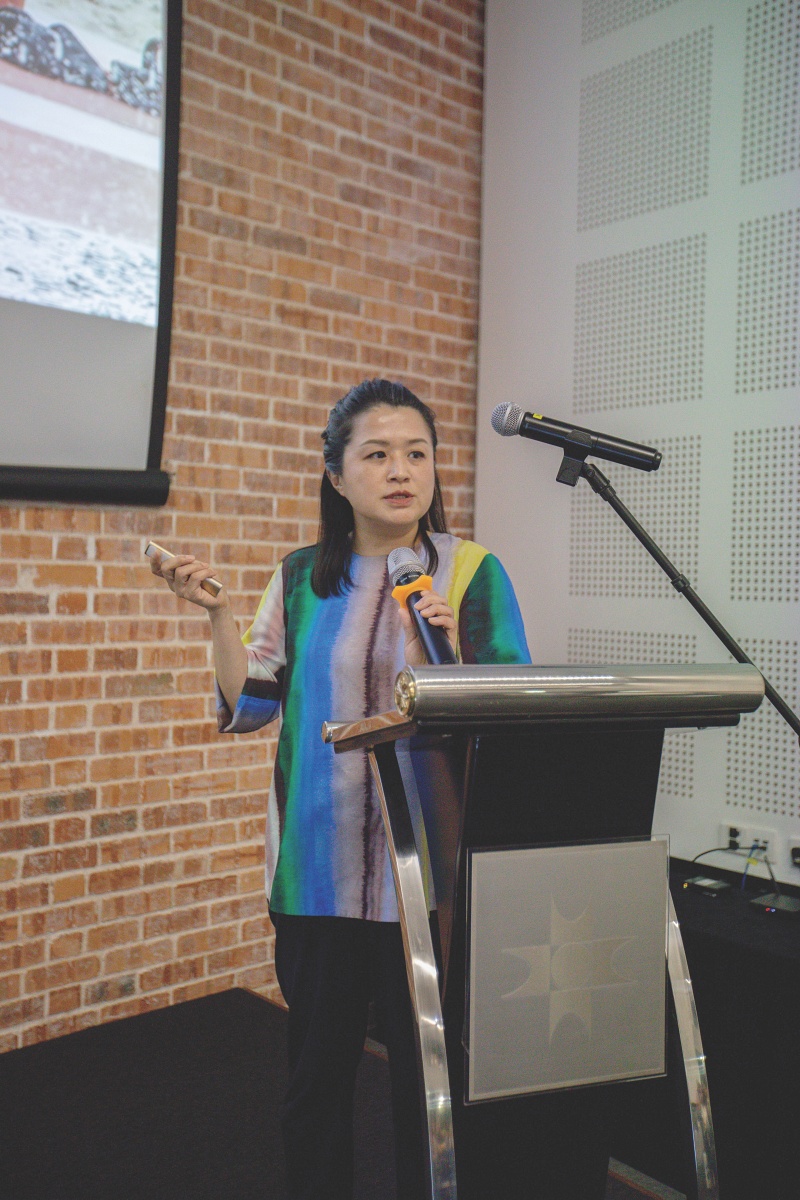
In closing, the speakers shared their excitement about MVRDV’s future plans, especially in terms of sustainability. As the firm continues to expand its global presence, they are focused on creating buildings that not only meet the needs of the present but also contribute to the health and well-being of future generations.
In summary, the MVRDV Architects Special Lecture at KLAF 2025 provided an insighfful and engaging look into the firm’s innovative projects and forward-thinking approach to architecture. The lecture not only showcased MVRDV’s significant contributions to the architectural world but also emphasised the importance of sustainability, adaptive reuse, and the diverse, global nature of the firm’s work.