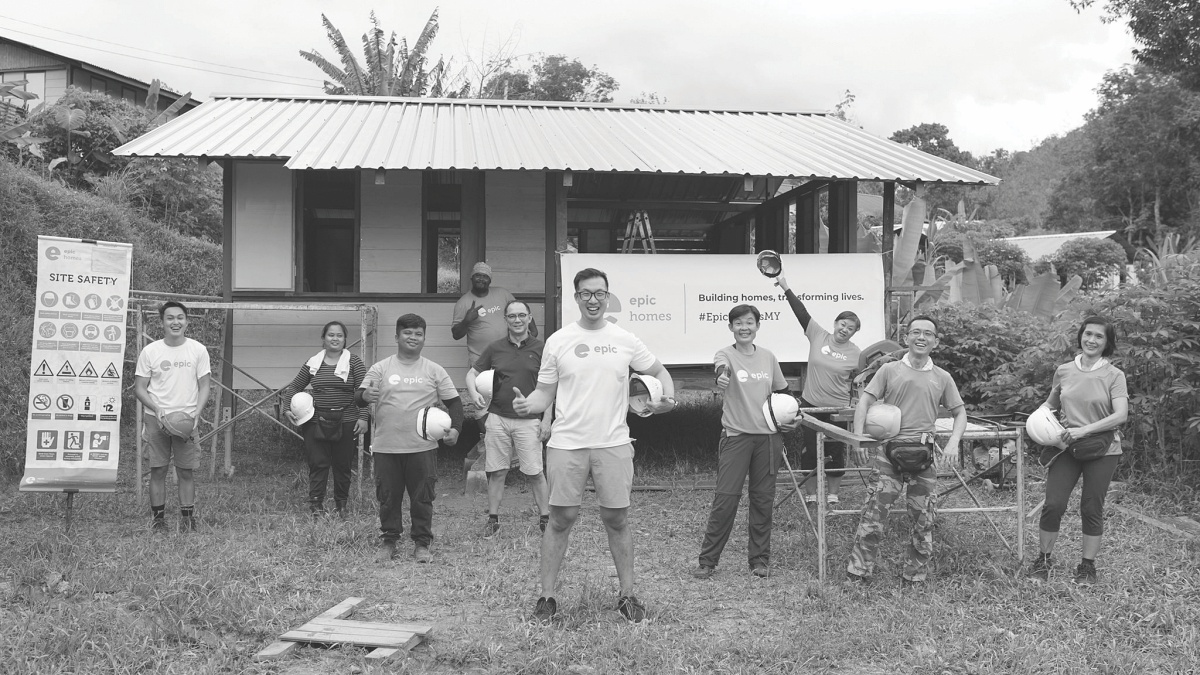
What happens when you gather a group of young architects with a resolve for change? In 2010, EPIC started when a few volunteers, led by Johnson Oei and friends, took on a small one-off project in an Orang Asli (OA) village. The mandate was simple: to build a toilet and paint a few houses. That small step into building homes became a lifelong mission to create a meaningful impact for the community. Fifteen years later, EPIC has successfully built over a hundred homes across the peninsula, with more to come.
BLUEPRINTS FOR CHANGE
The turning point was realising that building a house is not an isolated event. From the first site, it was evident that the community needs were greater than anticipated. It came as a shock to find that self-built shelters in precarious states and poor living conditions were common in the Orang Asli areas. Widespread issues like unsafe housing, poverty, and lack of resources all severely affect the marginalised community. The group quickly mobilised to find solutions, and the blueprint for the organisation was born.
The process was straightforward. One, identify a family in need. Then, the team would consult and collaborate with potential corporations to help with step Three, which is to fundraise or seek donations for the build. Once the funding was realised, it was a matter of finding manpower and getting the job done.
During an era where social entrepreneurship was flourishing, the team roped in more volunteers to help with their mission. They decided to open their group to outsiders and train them to cut, assemble, transport, and participate in the construction. At its core, EPIC aims to build relationships through the act of building homes. The endeavour fosters a mutual relationship, where builders gain skills and insights into the community, and homeowners are inspired to go on to impact others. It was common for volunteers to keep in touch with the communities they had assisted and continue to visit the village.
FROM FOUNDATION TO FINISH
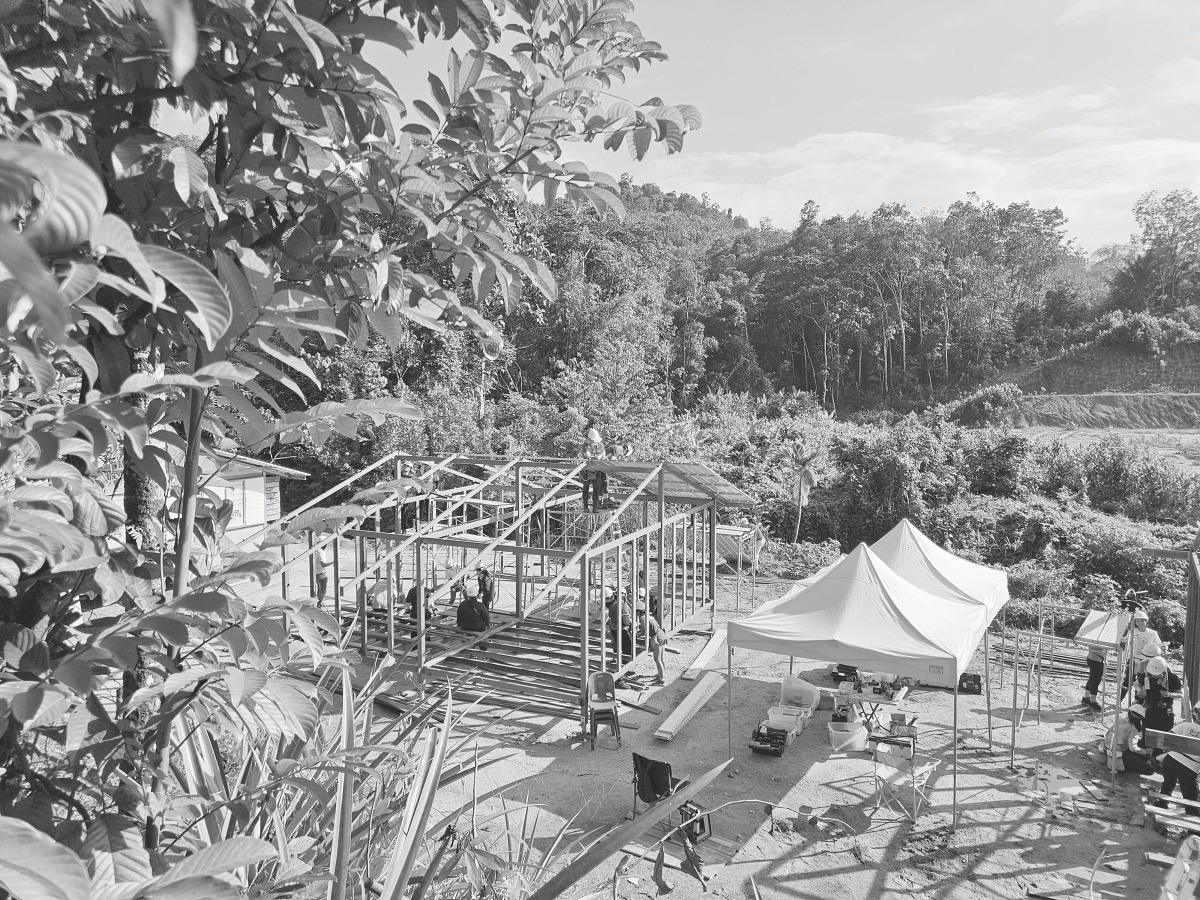
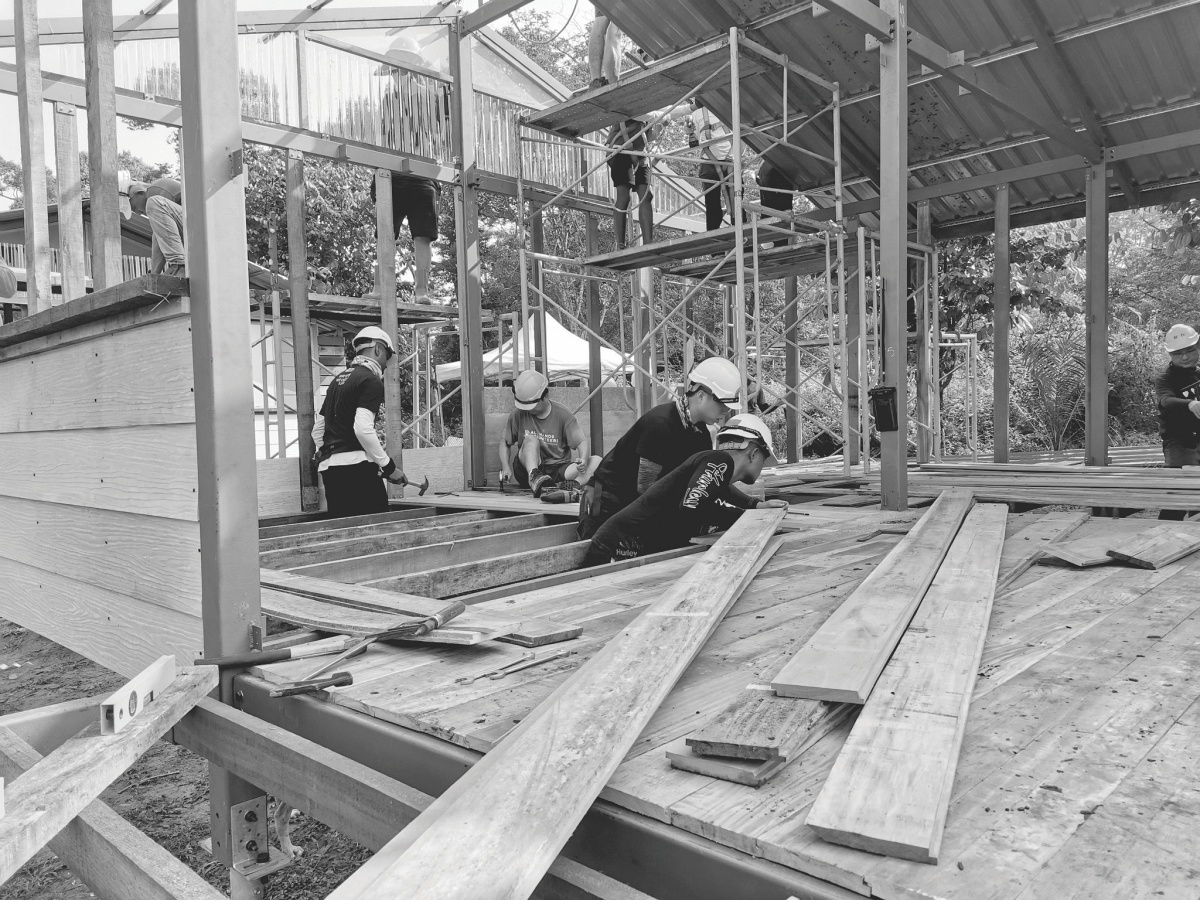
One of the most exceptional aspects of EPIC is their ability to construct a livable house in three days. Utilising a team of 30 ordinary volunteers, the organisation has created a systematic process where no prior building experience is required, just desire and determination. All volunteers attend a 1-day hands-on Basic Builder Workshop where trained facilitators will teach them everything they need to know for the build. This includes handling power tools and learning safety measures.
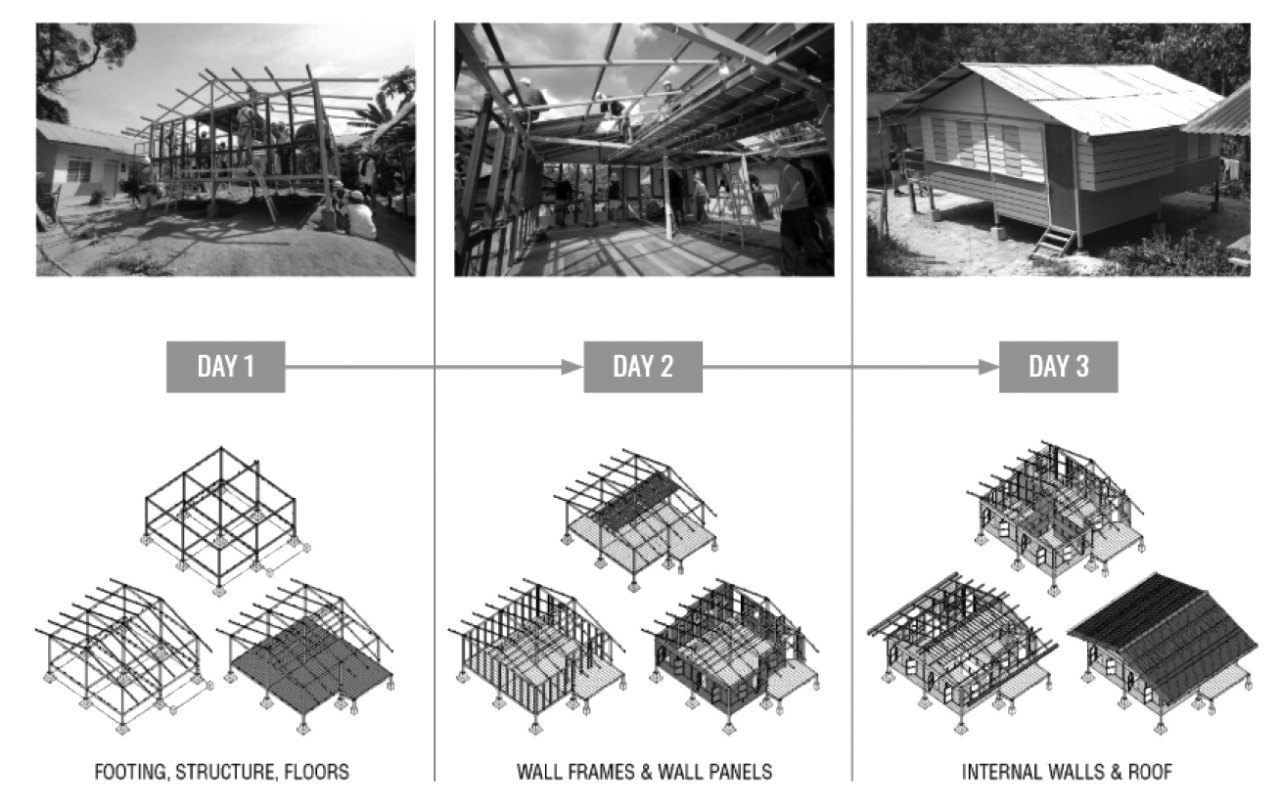
Inspired by the likes of LEGO and IKEA, the house design is based on modular blocks measuring 110 square feet, and assembled to scale according to the family needs and the land available. Each construction comprises interchangeable components for flexibility of use and future modification, such as steel structures, wooden planks, and zinc roof sheets. The materials are portable and durable, enabling an easily assembled construction. The first day would see the footing, structures, and floors being placed; the second day, wall frames and panels; and the third day would finish with the roof and internal walls. Over one long weekend, an inexperienced corporate banker or a fresh graduate would be able to build a home, and a beneficiary would have a new life.
GREEN DREAMS ARE MADE OF THESE
To minimise material wastage, every EPIC Home has been designed based on industry standard timber sizes. For each site, the team tries to be as minimally invasive as possible. Their foundations use an anchoring system that reduces the need for major earthworks, and the modular build system allows an EPIC Home to wrap around existing trees if necessary. Typical of traditional kampung homes, the raised floor and gaps in the building allow for cross-ventilation and passive cooling.
Looking ahead to the future, EPIC is exploring the feasibility of using bamboo as an alternative building material to steel. Currently, the team is in the midst of piloting a prototype EPIC Bamboo Home at their office site in Taman Subang Ria. This project is in partnership with Low Ewe Jin (renowned Bamboo Architect), SEAD (Bamboo Specialist & Supplier), and JTK Consult (an engineering firm). Aside from being a natural, renewable material with a low carbon footprint, it opens up the potential for OA communities to make a living by harvesting and treating bamboo for use as a building material.
BUILDING BLOCKS OF IMPACT
The often-sought issue in Malaysia in terms of social projects is its maintenance. At EPIC, this aspect is ensured in multiple ways warranty, insurance, and by training the homeowners on how to best care for their home. This last part includes sharing expertise in the different components of DIY home maintenance, including electrical, structural, and aesthetic, among others. All EPIC Homes are equipped with a 1-year structural and 6-month Architectural warranty. Structural and architectural issues that occur within those respective periods will be repaired by the organisation.
Within underserved communities, it’s common for there to be a sense of helplessness built over time, especially when it comes from mismatched solutions that are only appropriate in the short term. The team tries to circumvent this by going on the ground, connecting, and thoroughly assessing the needs of their beneficiaries. Often this has resulted in other ripples of change. In one village, an Orang Asli who did not fit the criteria for an EPIC Home, nevertheless showed up week after week to help build homes for his neighbours. His kindness moved the team to eventually fundraise for an improved home for him and his family.
DESIGNING FOR FUTURE GENERATIONS
“Transformation is a long-term process and if you want to see real change, this has to be planned over at least 15 years or 1 generation” John-Son Oei, Chief Epic Officer.
In 2024, EPIC embarked on Project 100, which aims to provide safe housing for 100 families on an annual basis. The team has also received support from the MADANI Government with their 1-to-1 Home Sponsorship Matching Initiative, which has greatly aided in their cause. For EPIC, a major challenge of Project 100 is to assemble the capacity to build homes for 100 families on an annual basis. To address this, they have created parallel initiatives including working with material suppliers and construction companies to channel excess stock towards motivated Orang Asli families those who have a strong desire to build their own homes, but simply lack the funds or materials to do so. In the near future, they’re looking at inviting designers to collaborate in coming up with better applications and use cases for the materials received
Beyond building homes, building communities is central to their work. Through initiatives like community development projects and micro-enterprises, EPIC empowers both groups to exchange skills, grow, and learn together. The ultimate goal is to help those in need break the cycle of poverty and achieve self-sufficiency. True to its name, EPIC, ‘Extraordinary People Impacting Communities’, is a powerful vehicle turning this mission into reality, one home and one community at a time.