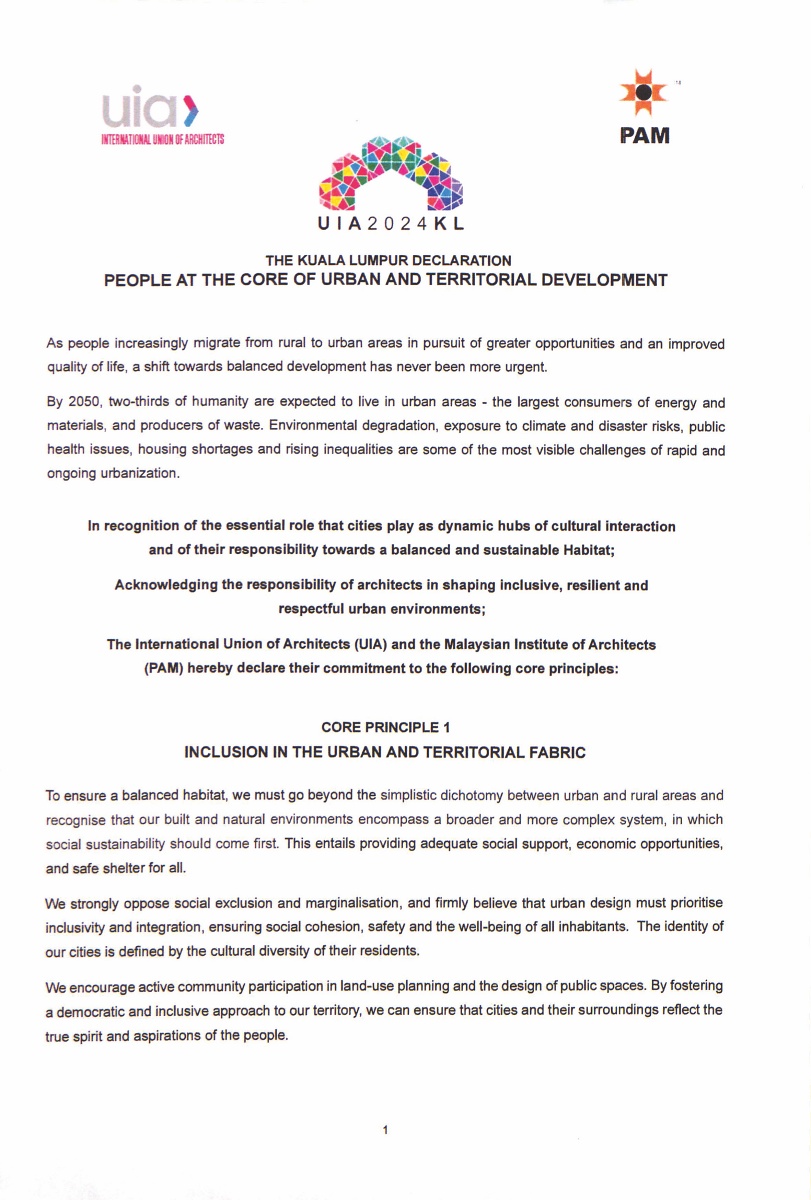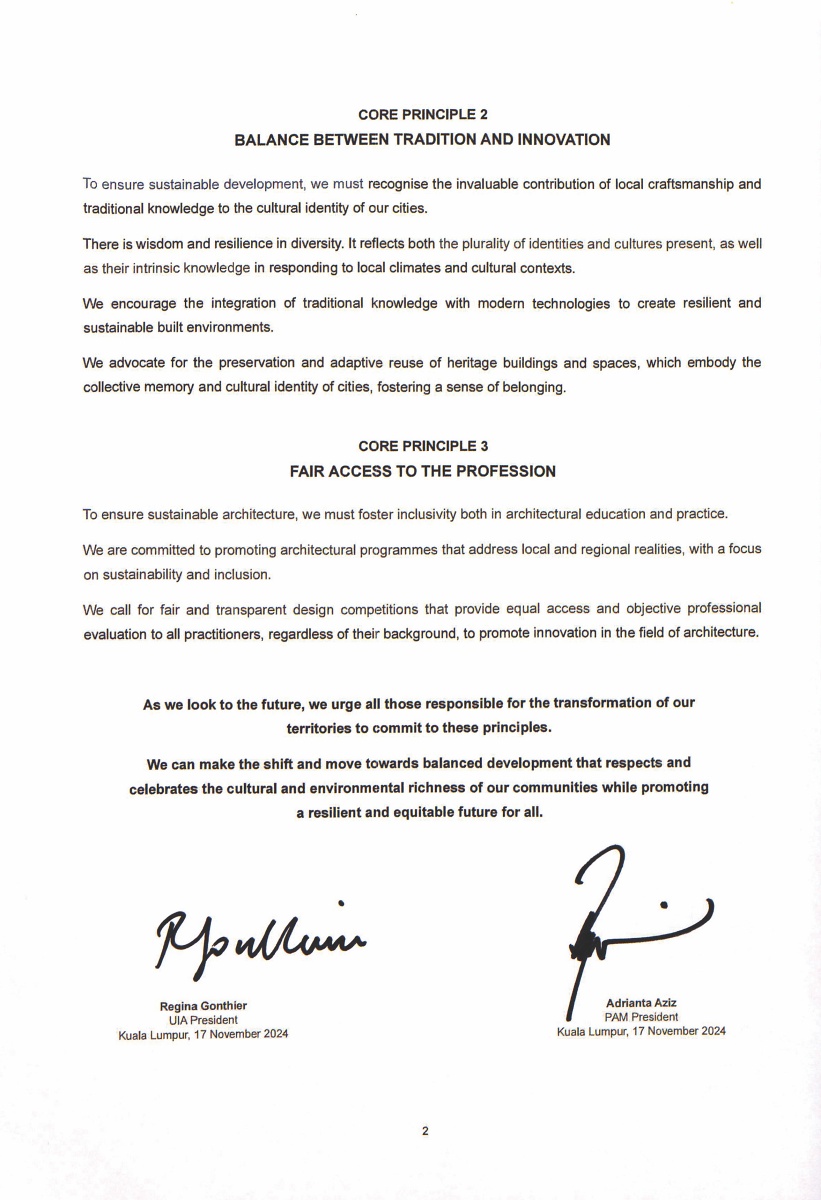
Pertubuhan Akitek Malaysia (PAM) hosted the much-anticipated UIA2024KL Forum in the vibrant city of Kuala Lumpur from 15 to 17 November 2024. More than 1,500 esteemed architects, designers, and industry leaders from around the globe converged under the theme “DIVERSECITY” setting the tone for highly engaging and illuminative discussions over the course of the three-day event.
Set against the backdrop of Kuala Lumpur’s iconic skyline, the forum was orchestrated within the striking confines of the Kuala Lumpur Convention Centre, a venue chosen both for its logistical capabilities and its symbolic architecture that blends traditional Malaysian motifs with modernist design. The UIA2024KL Forum convenor, Datuk Ar Ezumi Harzani put a great emphasis on diverse and sustainable urban development, aligning architects, planners, and thought leaders globally under the theme.
The diversity of the attendants from 88 countries fuelled a rich exchange of ideas and experiences, uniting participants through their shared dedication to pushing the envelope on urban diversity and sustainability.
In contemplation of cultural identity, urban diversity discussions at UIA2024KL also touched upon how architecture reflects and influences the diversity of a city. The discourse aimed to explore new definitions of cultural identity, especially in times when environmental, social, and economic challenges, as well as technological disruptions, threaten to undermine social cohesion.
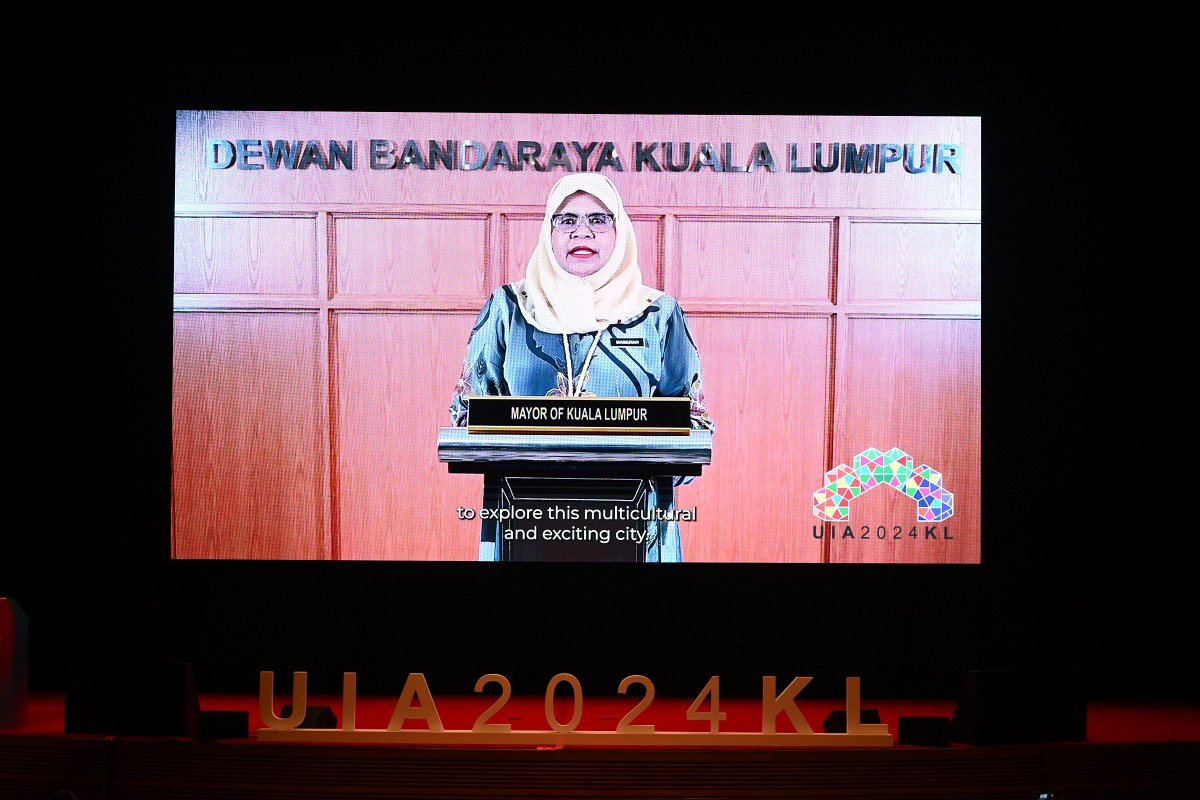
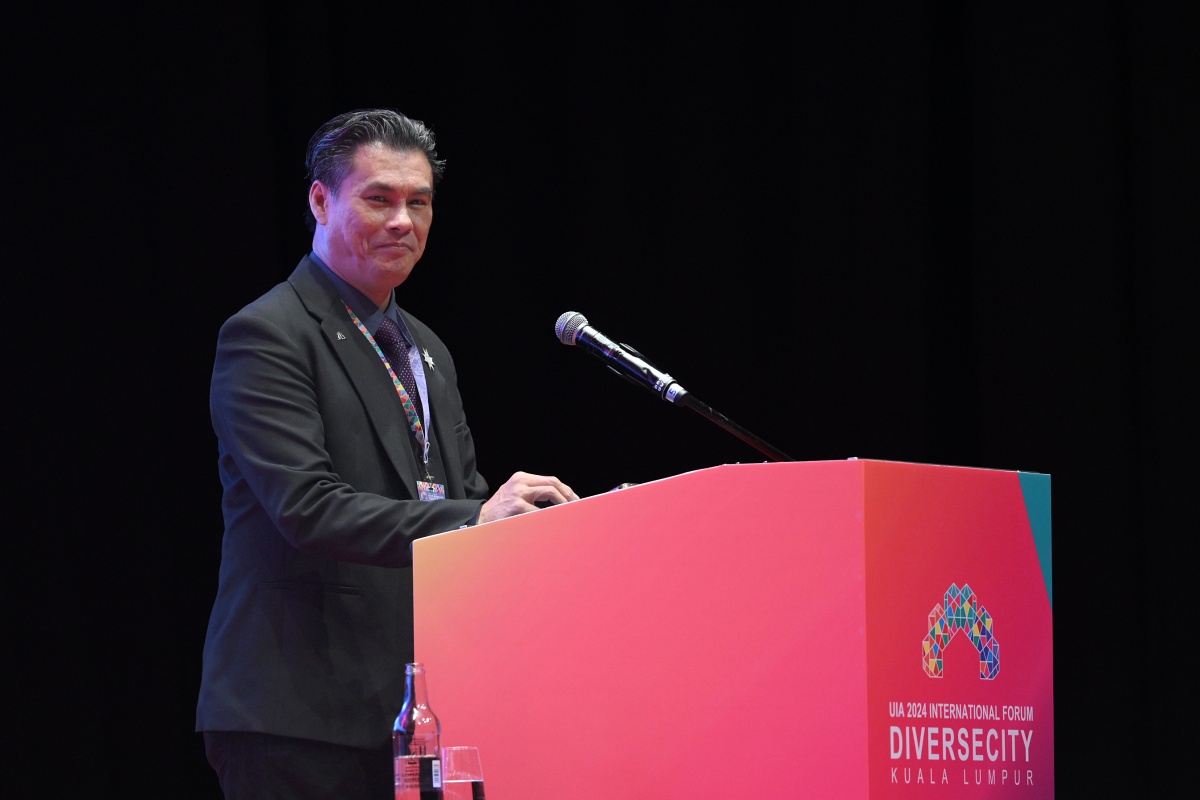
In her opening address, the Mayor of Kuala Lumpur, Dato’ Seri Maimunah binti Mohd Sharif, reminds us of the importance of social stability and inclusivity in city development. It is crucial to explore how urban planning and architecture can contribute positively to human growth. Social stability and inclusivity are essential elements in crafting environments that enhance the quality of life for all citizens, irrespective of their socioeconomic status, age, or ethnicity.
Urban planning that emphasises social stability focuses on creating spaces that promote safety, encourage social interactions, and reduce anxiety and isolation. This can be achieved through well-thought-out community spaces, such as parks, community centres, and public plazas that are accessible to everyone.
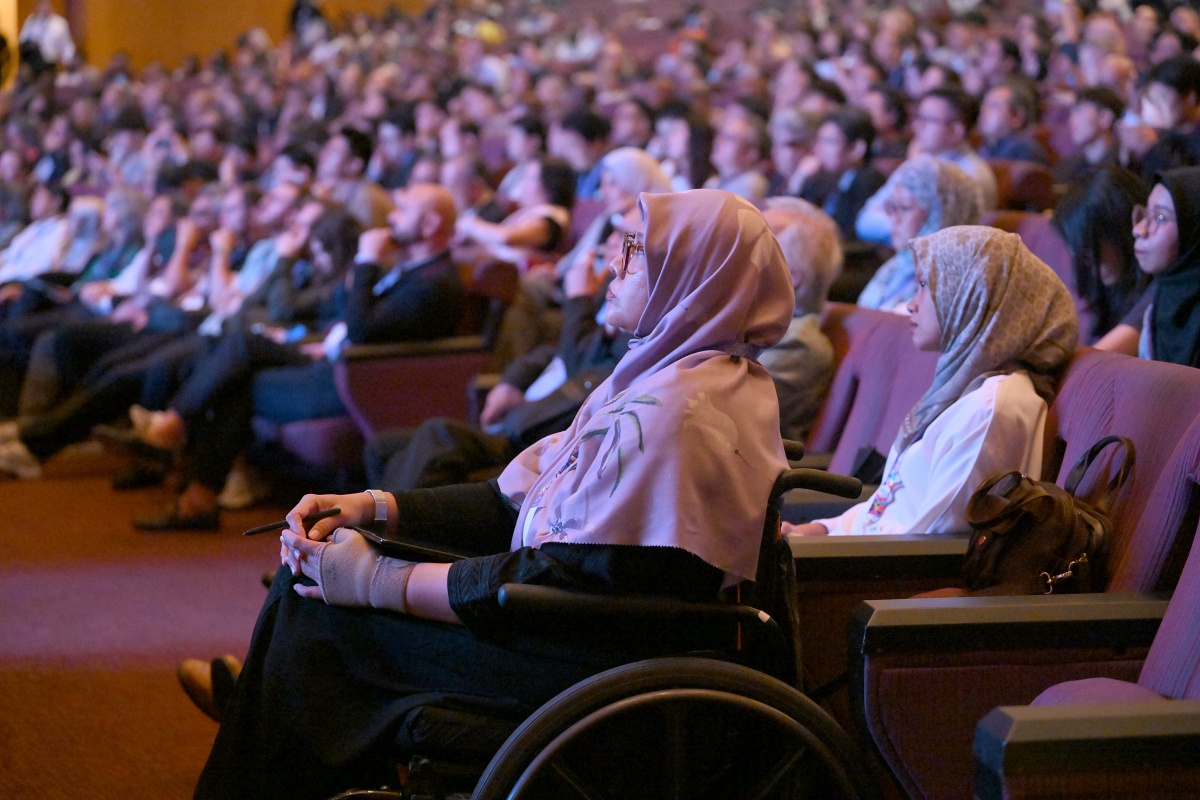
Inclusivity in architecture involves designing buildings and structures that are accessible to people with disabilities and cater to the diverse needs of a varied population. This includes but is not limited to, ramps for wheelchair users, braille signage for the visually impaired, and flexible interior layouts that can be adapted for different uses. Structures should also be welcoming and engaging to promote a sense of belonging among all community members.
To achieve these goals, it is essential for urban planners and architects to work closely with local communities to understand their needs and aspirations. Participatory design processes that involve community members can lead to more effective and inclusive urban environments. Additionally, adopting sustainable practices in architecture not only addresses environmental concerns but also promotes social welfare by creating healthy living conditions.
The emphasis on social stability and inclusivity highlighted by Mayor Dato’ Seri Maimunah binti Mohd Sharif underlines a commitment to human-focused development. By incorporating these principles into urban planning and architecture, cities can evolve into spaces that nurture positive human growth and foster a sense of community among their inhabitants. This holistic approach to city development is not only beneficial for the current residents but also ensures a sustainable and inclusive environment for future generations.
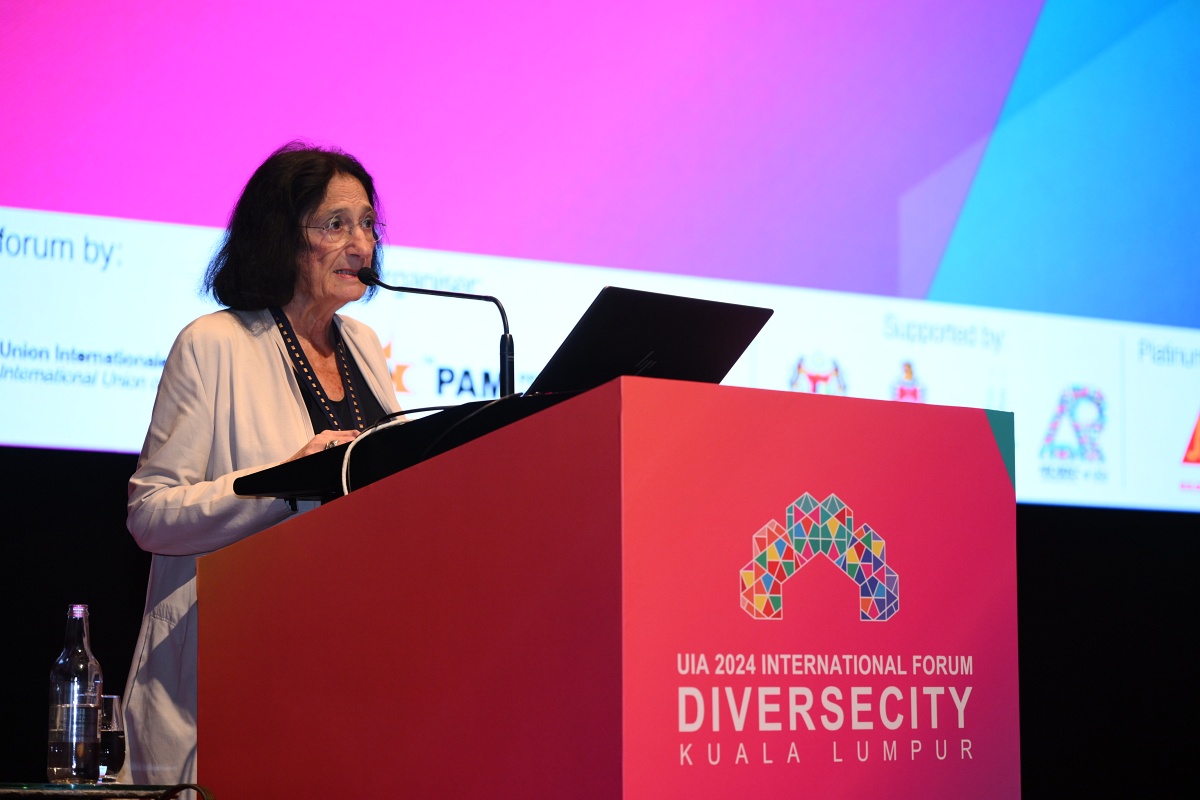
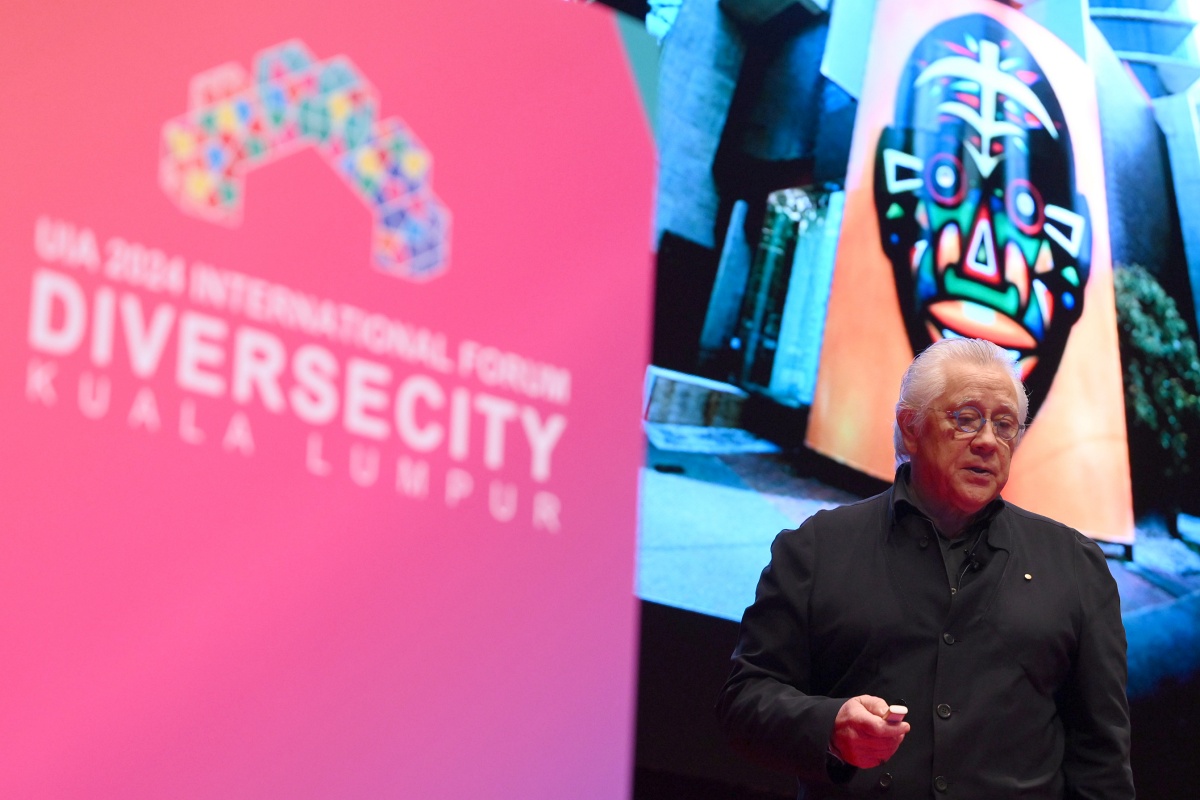
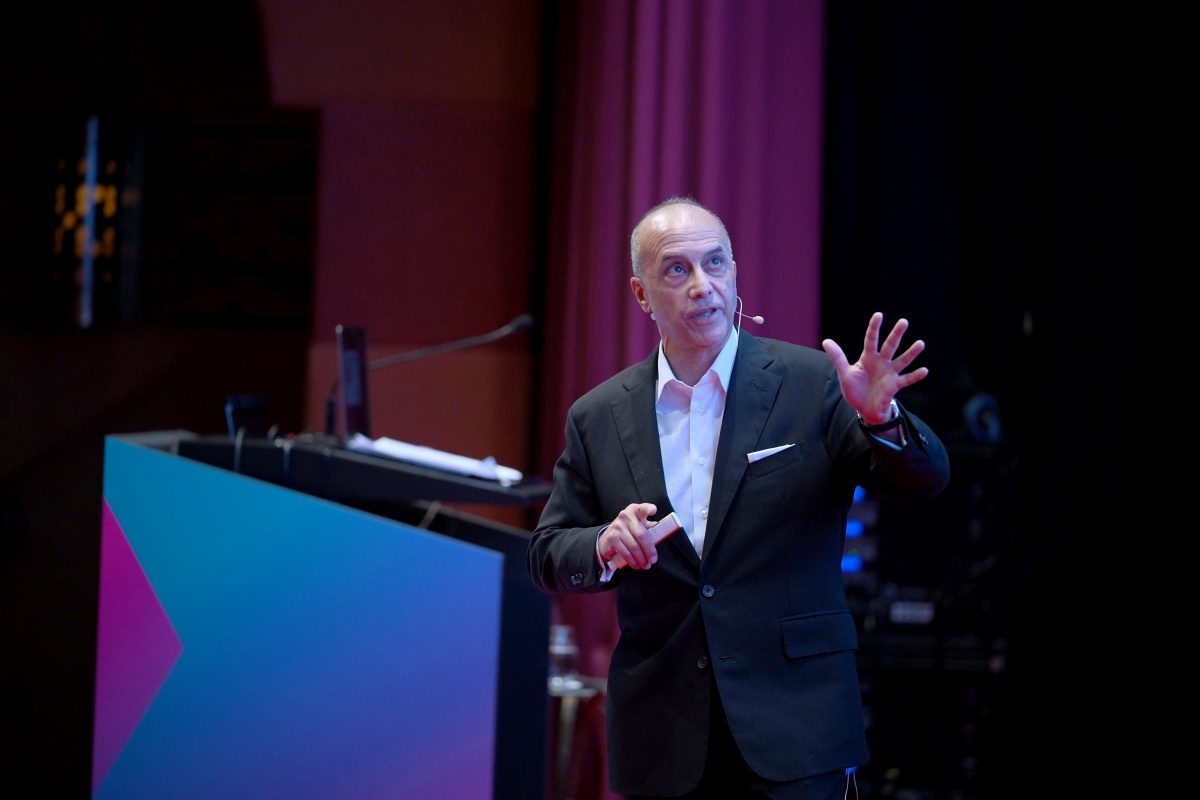
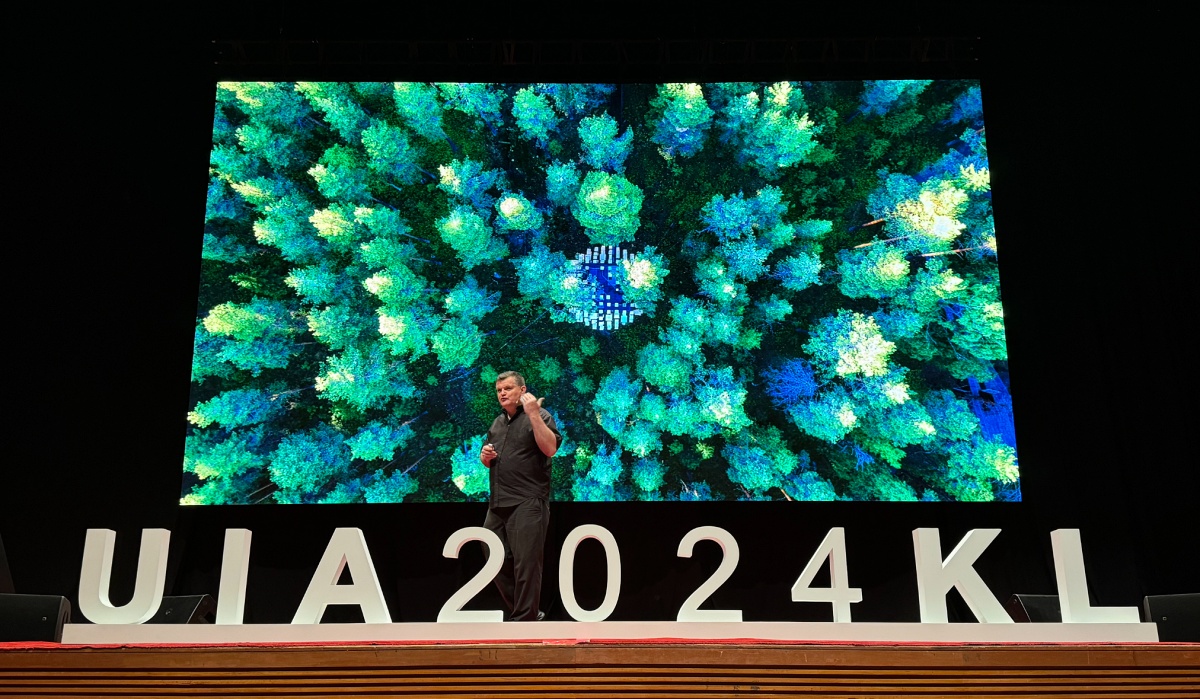
The UIA2024KL forum featured a notable lineup of keynote speakers who are influential in the international architecture scene. On the opening day, two keynote presentations were delivered by Karl Fender from Fender Katsalidis (Aust) Pty Ltd and Lee Polisano from PLP Architecture. Karl Fender is a founding partner of Fender Katsalidis (Aust) Pty Ltd, one of Australia’s leading architectural practices.He has been involved in the design of Melbourne’s tallest buildings, Australia 108 and Eureka Tower; and the world’s second tallest building, Kuala Lumpur’s Merdeka 118.
Lee Polisano is the founder of PLP Architecture and is internationally recognised for his architecture and urban design works, which emphasise environment sustainability and a passion for innovation. He emphasises an underlying passion for advocating radical change
in our cities and the systems that build them. He created PLP’s design research collective, PLP Labs, to explore multi-disciplinary collaborations beyond the typical boundaries of architecture, investigate possibilities, and define solutions for tomorrow’s built-environment.
Another distinguished keynote speaker is the innovative architect Kai-Uwe Bergmann from Bjarke Ingles Group (BIG). His keynote presentation resonated deeply, emphasising the urgent need for cities to adapt to the challenges wrought by climate change such as rising sea levels and more frequent extreme weather events. His call to arms was clear: integrate sustainable practices into all aspects of design to foster communities that are not only resilient but thrive.
Kai-Uwe Bergmann is a Partner at BIG, where he contributes his architectural expertise to proposals across the globe, including North America, Europe, Asia, and the Middle East. Kai-Uwe heads up the firm’s business development, which has expanded to over 40 countries.
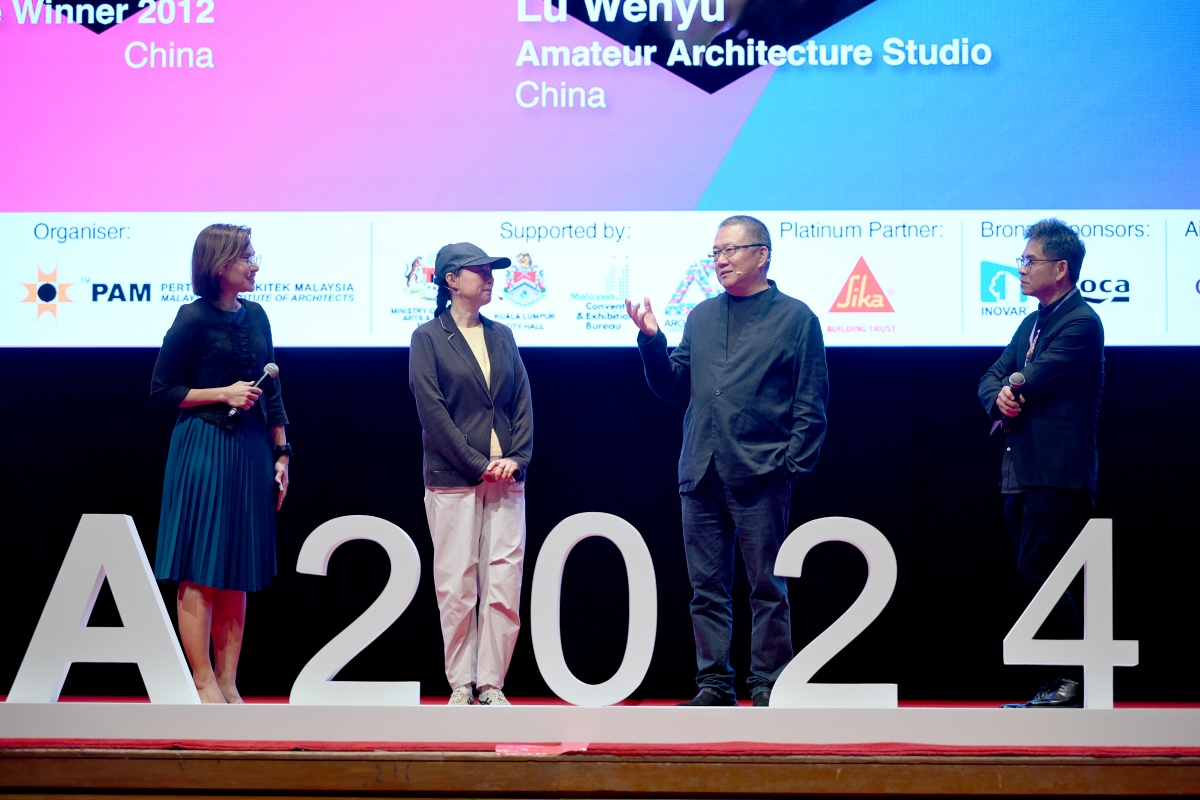
Among these distinguished individuals were Wang Shu and Lu Wenyu from the Amateur Architecture Studio. Wang Shu is especially acclaimed in the architecture community, having won the prestigious Pritzker Architecture Prize in 2012 and received the Gold Medal of Architecture from the Académie d’Architecture in France in 2011. The couple’s dedication to integrating traditional materials and methods into contemporary architecture has been recognised with various awards, including the Schelling Architecture Prize in 2010, which acknowledged their substantial contributions to architectural design and theory.
During their presentation, Wang Shu and Lu Wenyu highlighted several key projects that demonstrate their unique approach to architecture. These projects include the Library of Wenzheng College at Suzhou University, Ningbo Contemporary Art Museum, the China Academy of Art in Hangzhou, and the Xiangshan Campus of the China Academy of Art in Hangzhou. One particularly notable project is the Ningbo History Museum, which was constructed using bricks salvaged from demolished buildings, showcasing their commitment to sustainable building practices and cultural preservation.
Also presenting at the UIA2024KL Forum was Roland Schnizer from Foster + Partners, who shared insights from his 20 years of research and work experience, focusing on understanding the relationship between Southeast Asian cultures and sustainable environmental practices. Roland’s extensive experience in tropical architecture with over 15 years living and working in equatorial climates, has fuelled his passion for this area and shaped his approach to numerous projects in the region. His research into vernacular building forms has been instrumental in fostering sustainable and culturally sensitive design solutions.
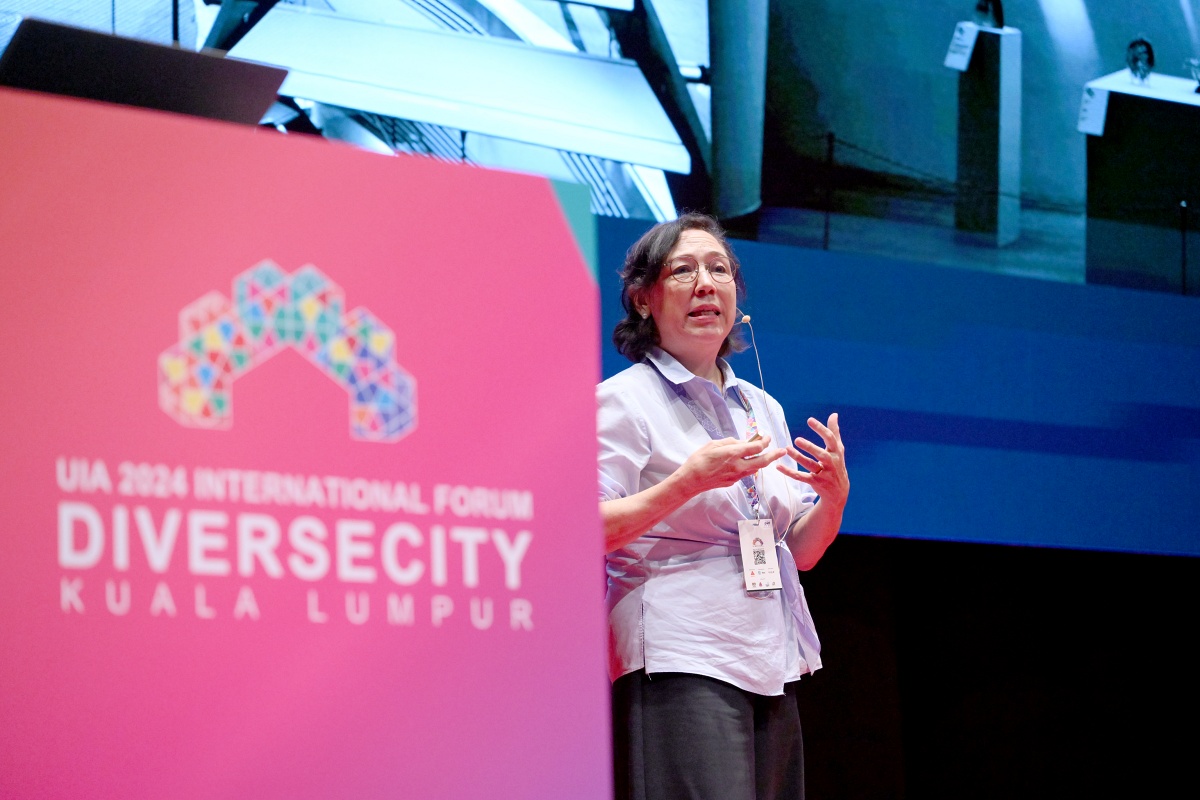
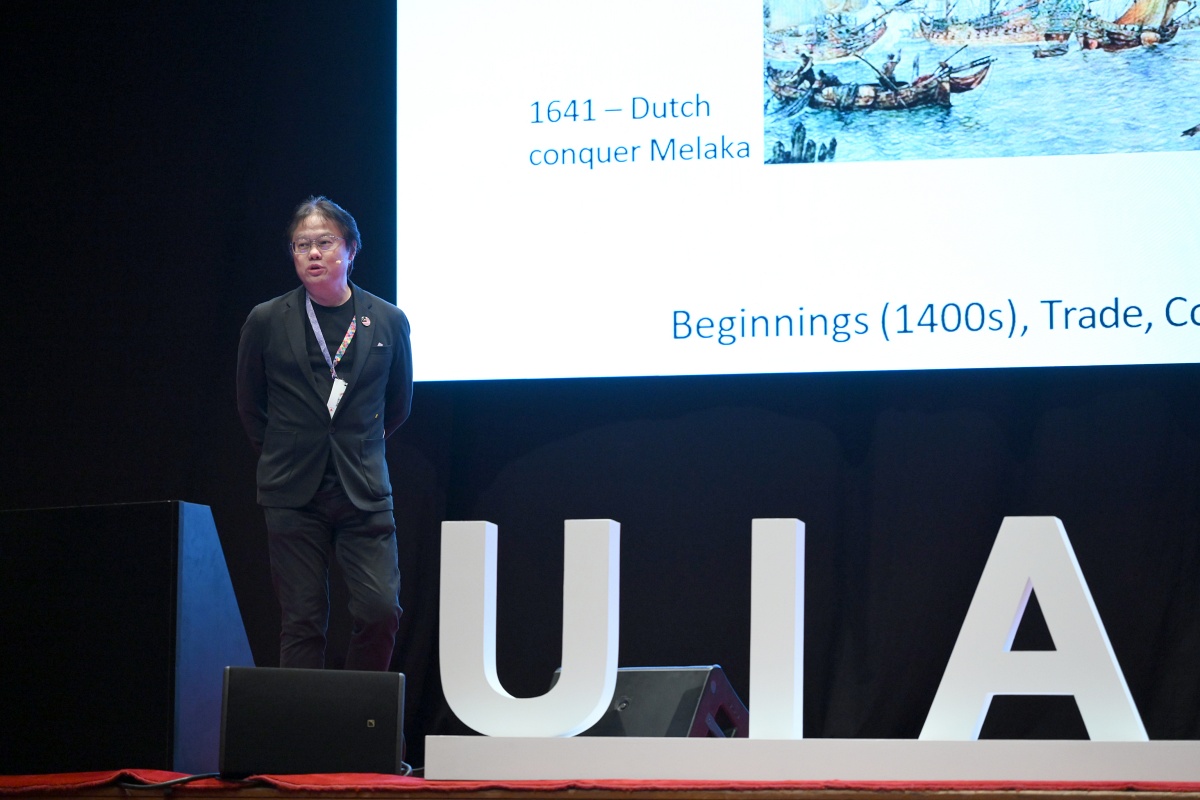
Other speakers included Serina Hijjas from Hijjas Kasturi Associates, Tan Loke Mun from DTLM Design Group, Omar Degan from DO Architecture Group, Kenneth Yeang from TR Hamzah & Yeang, Seah Chee Huang from DP Architects, Ðoàn Thanh Ha from H&P Architects, Nadia Habash from Eng. Assoc. Jerusalem Centre, Lidiia Chyzhevska from National Union of Architects of Ukraine Elizabeth Cardosa from H&C Heritage Services SB, Norliza Hashim from Urbanice Malaysia and Laurence Loh from Arkitek LLA. Each brought their unique perspectives and contributions to the forum, engaging participants with discussions on various themes spanning architectural innovation, sustainability, and cultural integration.
The UIA2024KL forum provided a plafform for these accomplished architects to share their experiences and insights, fostering a rich dialogue on the future of architecture in the context of urban diversity and global and environmental challenges. This gathering of minds emphasised the importance of innovation, heritage preservation, and ecological sensitivity in shaping the built environments of tomorrow.
Breakout sessions tackled various imperative topics, including gender equity, urban diversity, city for children and all communities, the integration of public parks into urban landscapes, and the role of smart technology in modern city planning. As an architect deeply committed to fostering inclusive and sustainable urban environments, it’s fundamental to consider the various aspects that contribute to a successful city. From gender equity to urban diversity and the integration of technology in city planning, every element plays a crucial role in creating spaces that are beneficial for all community members.
One of the paramount topics addressed in recent discussions is the idea of a ‘city for children and all communities’. This concept focuses on creating urban spaces that cater to the needs of children and marginalised groups, ensuring safe, accessible, and engaging environments. By integrating public parks and smart technology, cities can become more inclusive, providing children with areas to play and learn, and offering communities spaces to gather and connect.
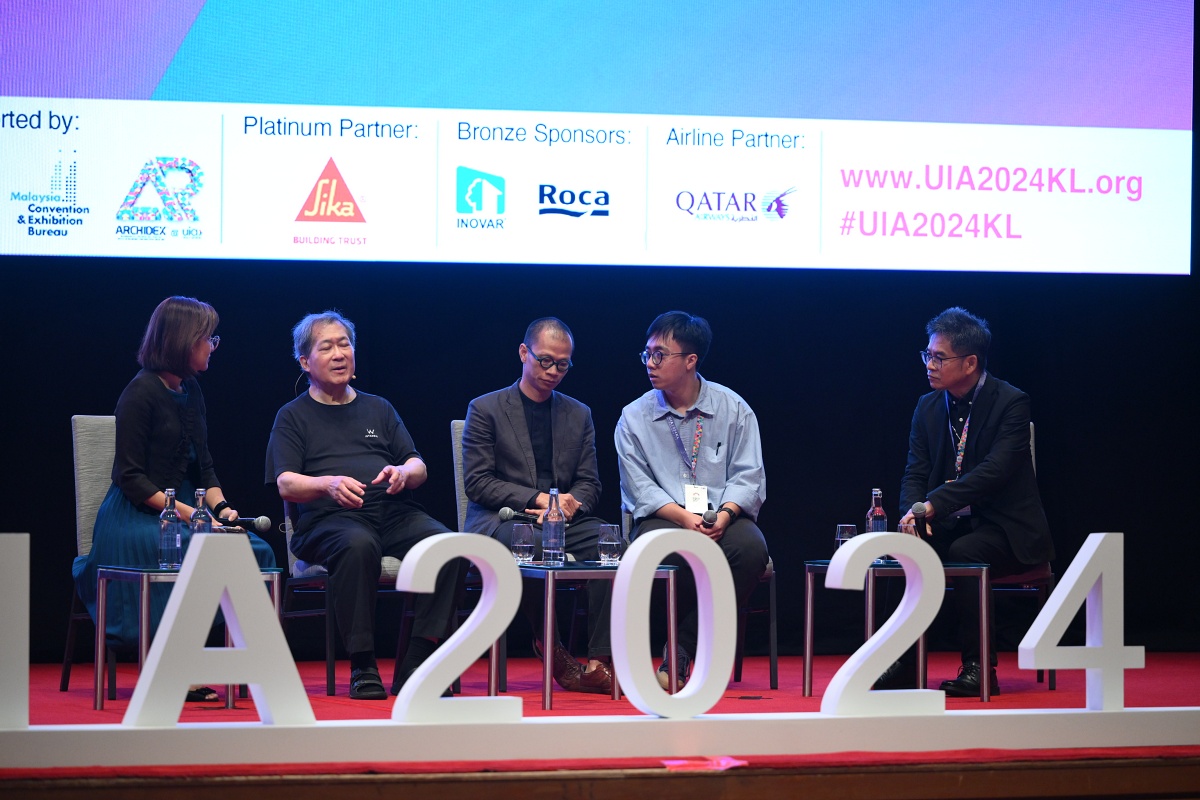
Moreover, the role of smart technology cannot be understated in modern urban planning. Its integration helps streamline city functions, boost efficiency in public services, and enhance the overall quality of life for residents. Smart technology also plays a pivotal role in the management of resources, such as electricity and water, making urban living sustainable.
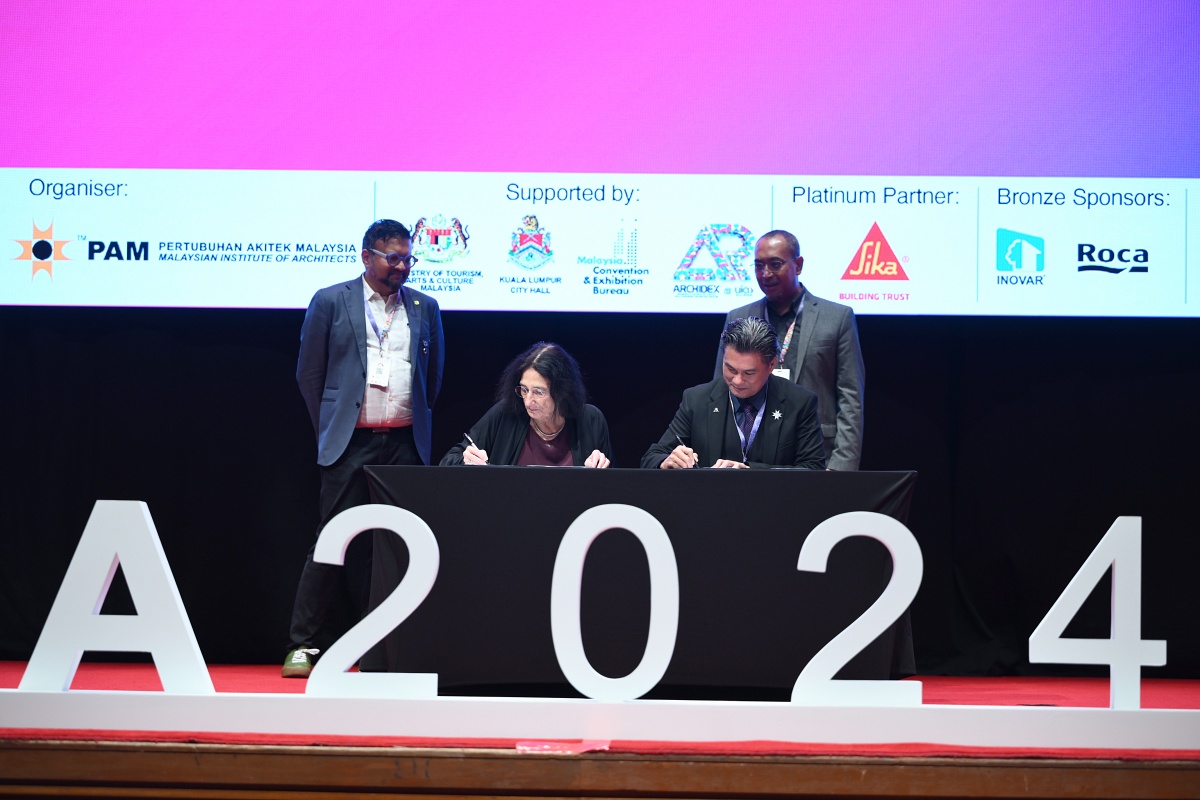
In addition to addressing these urban elements, it is also crucial to consider the protection of architectural heritage. During the breakout sessions, the UIA President and Secretary General have called for focus discussions on natural disasters and human activities such as wars and terrorism that pose significant threats to historical sites and buildings. Continuing discussions and actions are necessary to develop strategies that protect these cultural landmarks while integrating new architectural advances.
Fully engaging in these discussions, and transforming dialogue into action, is essential for architects who are positioned to shape the future of our urban landscapes. By placing community-focused design at the heart of our projects, we can ensure that our cities not only preserve history but also embrace diversity and foster social wellness. Through thoughtful public spaces and accessible amenities, architects have the power to influence significant social change, making our cities more inclusive and liveable for everyone.
RESEARCH PAPERS PRESENTATION
The forum also provided a platform for emerging talents in architecture and urban planning to showcase their innovative projects and research. Parallel to the main presentations, there were 171 research papers presented by academia and researchers at the parallel sessions during the UIA2024KL Forum on Cultural Identity as a deep text of architectural thought, and how it reflects the city’s diversity and aims at finding new definitions of Cultural Identity in a period when architecture and cities are faced with new environmental, climate, social and economic challenges threatening social coherence, and trends are progressively dictated by mega business, Artificial Intelligence and new global models of business.
The forum also served as a critical platform for up-and-coming talents in the field to exhibit their innovative projects. These presentations and discussions provided fresh perspectives and energised the ongoing conversation about sustaining cultural identity amidst rapid urban development and transformation.
UIA WORKING BODIES PARALLEL SESSIONS
Through the parallel sessions, the UIA2024KL Forum showcased a myriad of seminars and presentations focusing on significant architectural and urban issues, reflecting the dynamic interplay between architecture practice, education, and societal needs. These discussions were spearheaded by various UIA working bodies, each bringing forward distinct yet interconnected themes crucial for shaping future cities and architecture.
UIA ARCHITECTURAL EDUCATION COMMISSION
Dr. Selma Harrington, co-director of the UIA Architectural Education Commission, led the seminar on “Architectural Education for the 21st Century Pedagogy, Practice, and Policy.” This session focused on contemporary approaches to architectural education, emphasising the need to adapt teaching methodologies and policies that prepare students for the evolving demands of professional architecture practice.
UIA COMMISSION ON UN SDG
The commission presented a seminar on the “Integrated and indivisible nature of the 17 SDGs,” detailing how sustainable development goals should be a holistic part of architectural planning and design. This seminar emphasised that sustainable practices should transcend all areas of urban development, ensuring environmental, social, and economic elements are considered in harmony.
UIA ARCHITECTURE AND CHILDREN WORK PROGRAMME
This program covered the “UIA Charter for Built Environment Education for Children and Young People,” aiming to integrate architectural learning into early education. The seminar highlighted the benefits of early exposure to the built environment, fostering a sense of responsibility and creativity among young learners towards their surroundings.
UIA HERITAGE AND CULTURAL IDENTITY WORK PROGRAMME
A poignant round-table discussion titled “Slave Trade Heritage Memories, Reverberations, and Legacies” took place, where speakers like Basil Agoha, Monica Lima e Souza, and Patrick Abungu shared insights on the historical impacts of slave trade heritage from Nigeria, Brazil, and Kenya, respectively. The discussions dealt with the memory and legacy of slavery in modern contexts, stressing the importance of memorialization in healing and education.
UIA ARCHITECTURE, CITIES AND TERRITORIES WORK PROGRAMME
The “Healthy & Regenerative City Architecture, Public Space & Public Health” seminar, presented jointly by Corrin Chan and Mustapha Zulkarnain along with public health and public space work programmes, explored strategies for crafting healthier urban spaces that promote wellbeing. It stressed the integration of public health principles into architectural and urban design to foster environments conducive to physical and mental health.
UIA ARCHITECTURE FOR ALL WORK PROGRAMME
This seminar discussed “Architecture For All City for Her,” focusing on a feminist perspective of urbanism. It included deliberations on how cities can be designed to be more inclusive and responsive to the needs of all genders, advocating for equitable access to urban resources and opportunities.
UIA SOCIAL HABITAT WORK PROGRAMME
The “Manifesto A Universal Vision of Social Habitat,” seminar showcased concepts and designs aimed at enhancing social inclusion through architecture. It emphasised the creation of spaces that foster social interaction and community building, crucial for a cohesive urban fabric.
UIA PROFESSIONAL PRACTICE COMMISSION
“Sustainable Architectural Professional Practice in Global and Regional Perspective” was discussed, stressing the importance of sustainable practices within the architectural profession.
UIA NATURAL AND HUMAN DISASTERS WORK PROGRAMME
Led by natural disasters and humanitarian conflicts highlighted resilient architectural design and planning as an essential countermeasure to mitigating the impacts of such calamities.
UIA INDIGENOUS PEOPLES WORK PROGRAMME
The session on “Evolving Indigenous Communities: Adaptation and Change” dealt with the resilience of Indigenous communities against socio-economic disruptions, emphasising sustainable and culturally-sensitive development.
This session explores the dynamic transformations faced by indigenous communities worldwide, as they navigate the challenges imposed by war, climate change, and the pressures of globalisation and urbanisation. This exploration highlights how conflicts disrupt traditional lifestyles and land use, while climate change threatens sacred natural resources and the environments that sustain indigenous ways of life. Additionally, the push towards globalisation and urbanisation introduces new social, economic, and cultural pressures that challenge traditional structures and demand adaptive strategies. Through resilience and innovation, Indigenous communities continuously adapt their cultural practices, social structures, and economic systems to maintain their identity and sovereignty in a rapidly changing world.
UIA COMMUNITY ARCHITECTURE AND HUMAN RIGHTS WORK PROGRAMME
“Designing for Tomorrow Architects Fostering Climate Action and Urban Equity” offered an analytical look at how architects can propel climate action through thoughtful urban design, directly contributing to the UN’s SDG 11: making cities inclusive, safe, resilient and sustainable along with relating other goals as well.
With current estimations stating that by 2030, two-thirds of the world’s population will live in cities, it is essential that urban environments develop in harmony with the UN’s guiding principles. This Work Programme discussed the important roles of architects in gearing towards the Sustainable Development Goals (SDGs) in all the projects that they undertake. The new innovations for socially and environmentally sustainable architecture were presented to be adopted by architects in their works.
These discussions collectively underscored the crucial role of architecture in addressing immediate and pressing urban challenges, from sustainability and health to equity and cultural preservation. By integrating diverse voices and perspectives, the UIA2024KL Forum highlighted the vibrant potential of architecture to shape equitable, resilient, and thriving urban futures.
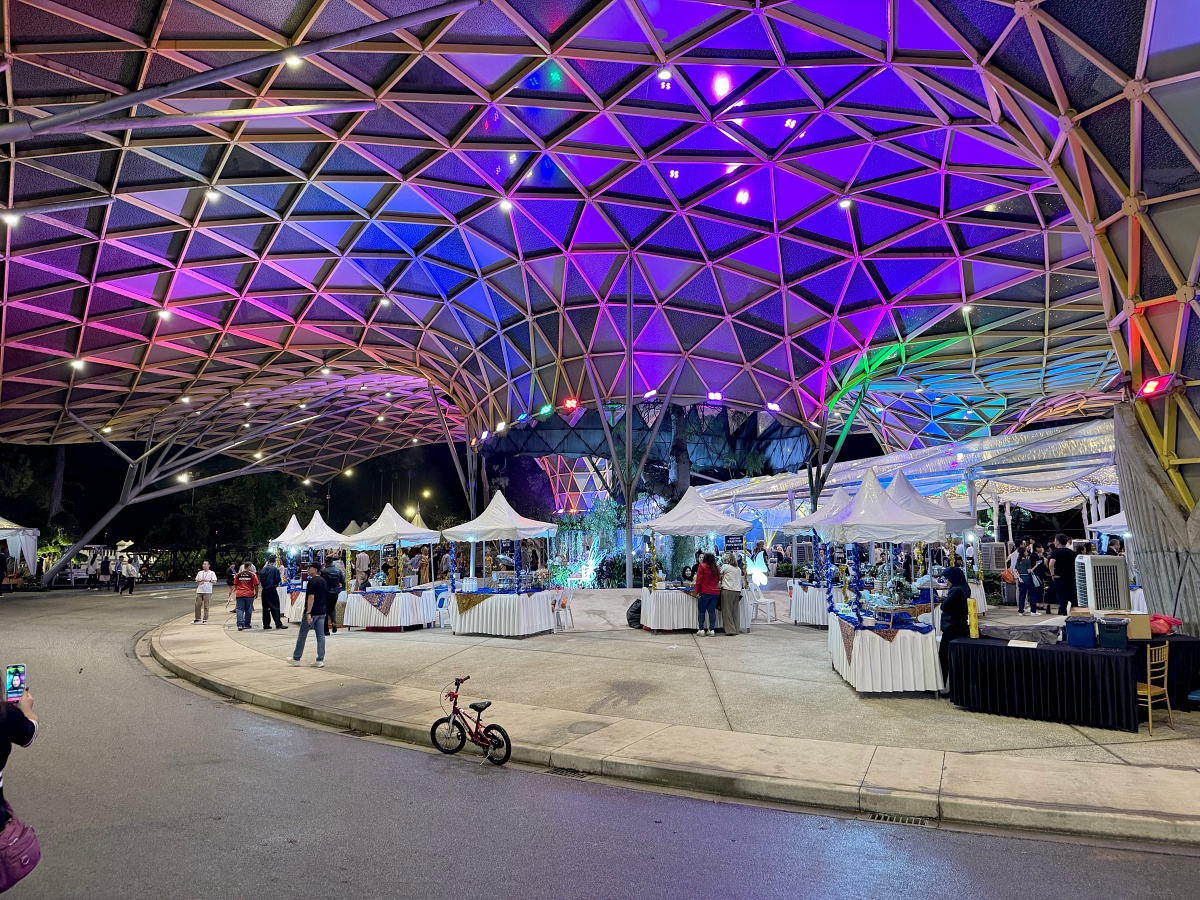
The UIA2024KL event, co-hosted by PAM and the Kuala Lumpur City Hall, has marked its conclusion with a grand dinner celebration that left attendees captivated and enriched with the vibrant, multicultural heritage of Kuala Lumpur. Held at Perdana Canopy, Botanical Garden Kuala Lumpur on the final day, the dinner event was not just a feast for the stomach but a cultural odyssey that showcased the rich diversity of Malaysian traditions.
As participants gathered, they were first met with the warm hospitality that Kuala Lumpur is known for. The venue was adorned with traditional Malaysian decorations, creating an authentic atmosphere that was both welcoming and visually appealing. The setup provided a perfect backdrop for the evening’s itinerary, which promised a journey through Malaysia’s cultural landscape.
The dinner commenced with an array of traditional Malaysian dishes, expertly prepared to represent the various ethnicities and cultures within the country.
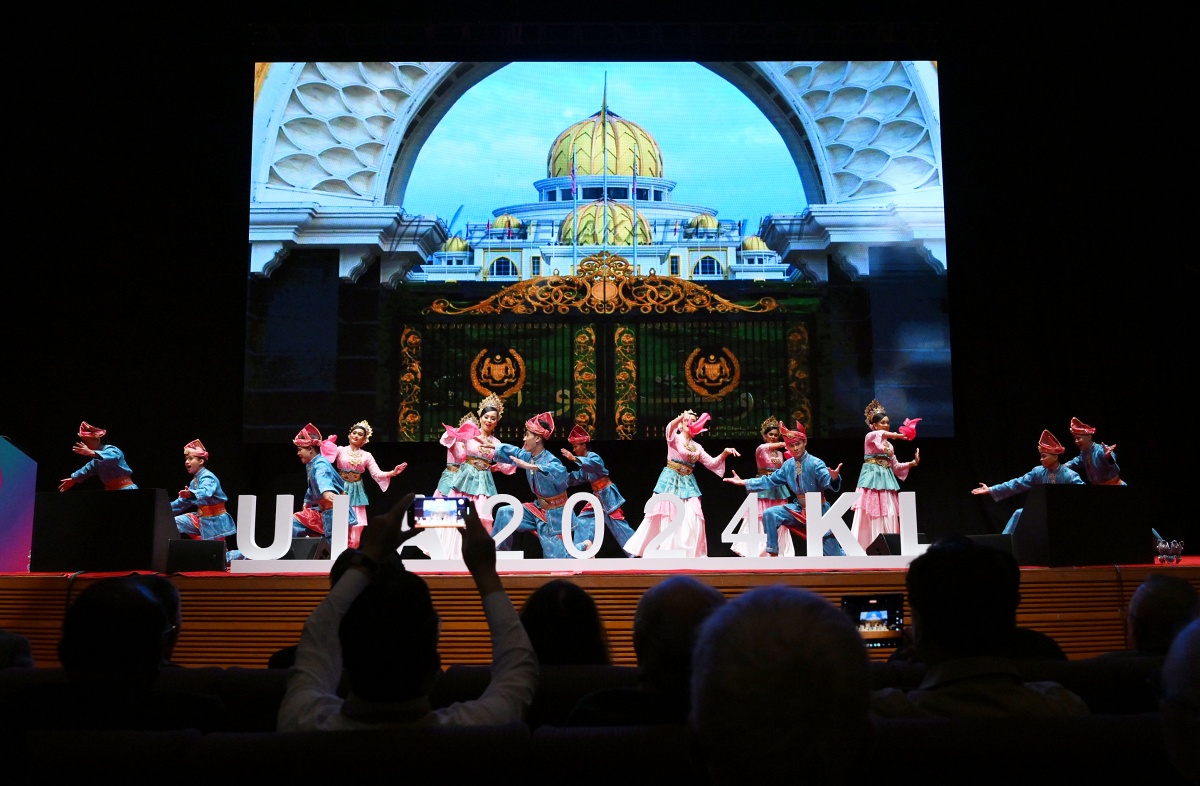
Accompanying the exquisite dinner was a series of cultural performances that illustrated the diverse cultural fabric of Kuala Lumpur. Traditional performances highlighted diverse multi-cultural dances that captivated the audience. Each performance was not only entertaining but also educational, providing insights into the historical and cultural significance of each dance.
Furthermore, traditional games and activities were organised, encouraging participation from attendees and fostering a fun and interactive environment. Games such as Congkak and Sepak Takraw were set up, and many attendees expressed enjoyment and appreciation for the opportunity to engage with these traditional pastimes. These activities served as both entertainment and a live-action window into the everyday leisure activities of the local populace throughout history.
The grand dinner event at UIA2024KL was a resounding success, celebrating not only the end of the forum but also the cultural richness of Kuala Lumpur. It provided a comprehensive and immersive experience beyond mere dining, enveloping guests in the customs, cuisine, and community spirit that make Kuala Lumpur unique. As the night drew to a close, it was clear that the event had achieved its purpose of honouring and sharing the cherished cultural heritage of this dynamic city, leaving participants with lasting memories and a deeper understanding of Malaysia’s diverse cultural tapestry.
As the curtain fell on UIA2024KL, delegates left equipped with new innovative strategies, and a rejuvenated sense of responsibility towards socially and environmentally sustainable development. The consensus was unmistakable: the architectural community stands as a pivotal force in crafting tomorrow’s cities, and events like UIA2024KL are vital in fostering a collaborative spirit that spans continents and disciplines. The journey towards sustainable and diverse urban environments is a shared endeavour, demanding creativity, resilience, and, above all, unity.