
CYBERJAYA HOSPITAL: A GREEN MILESTONE IN MALAYSIAN HEALTHCARE
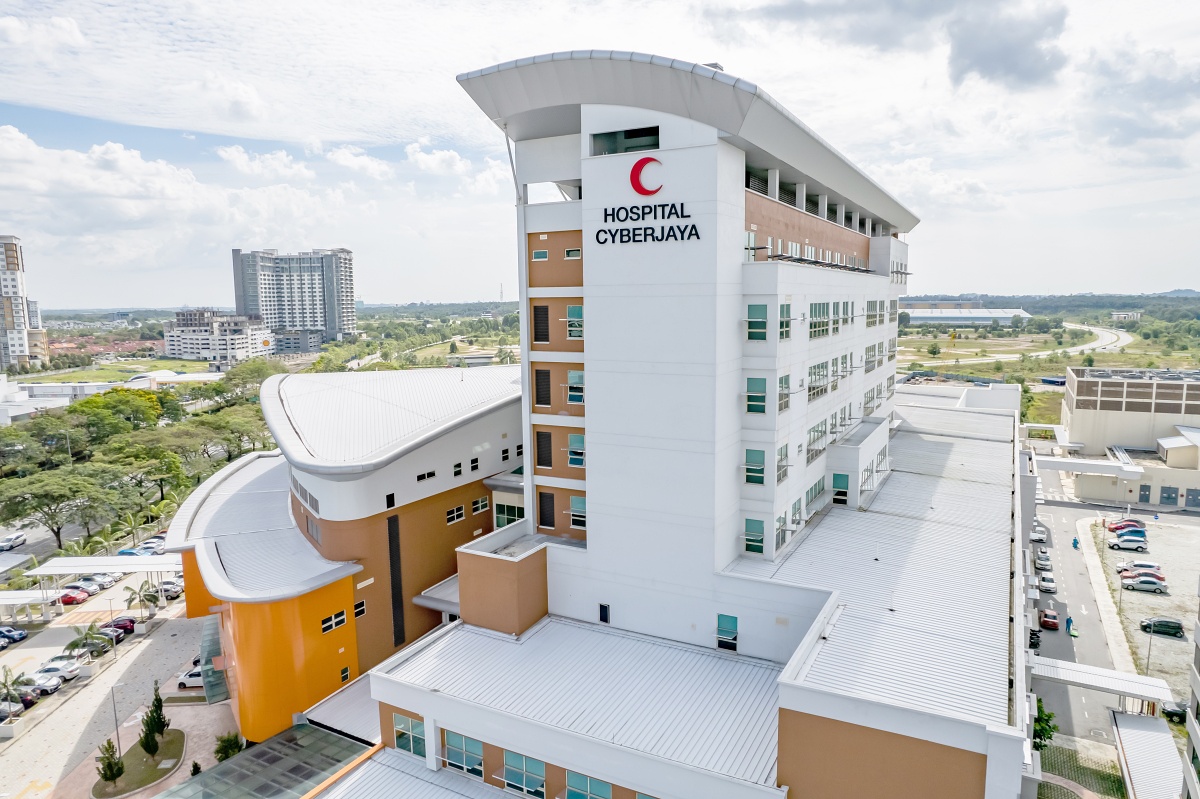
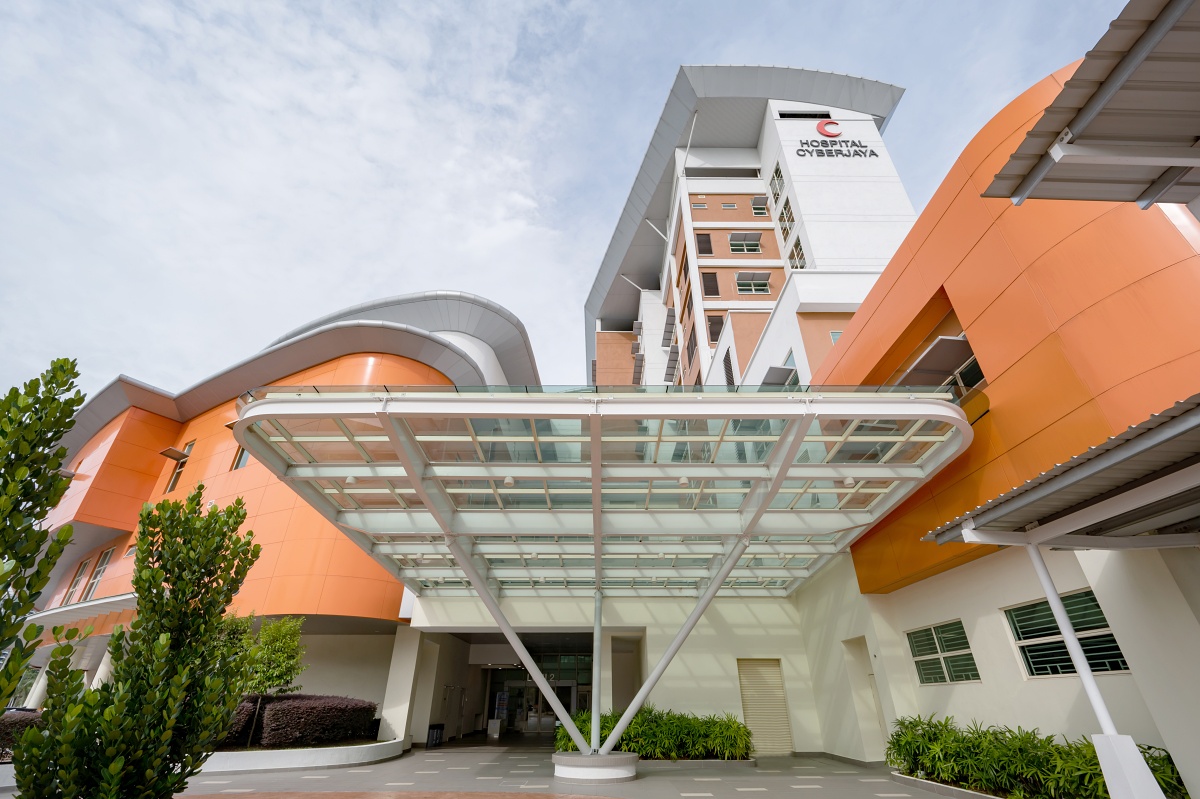
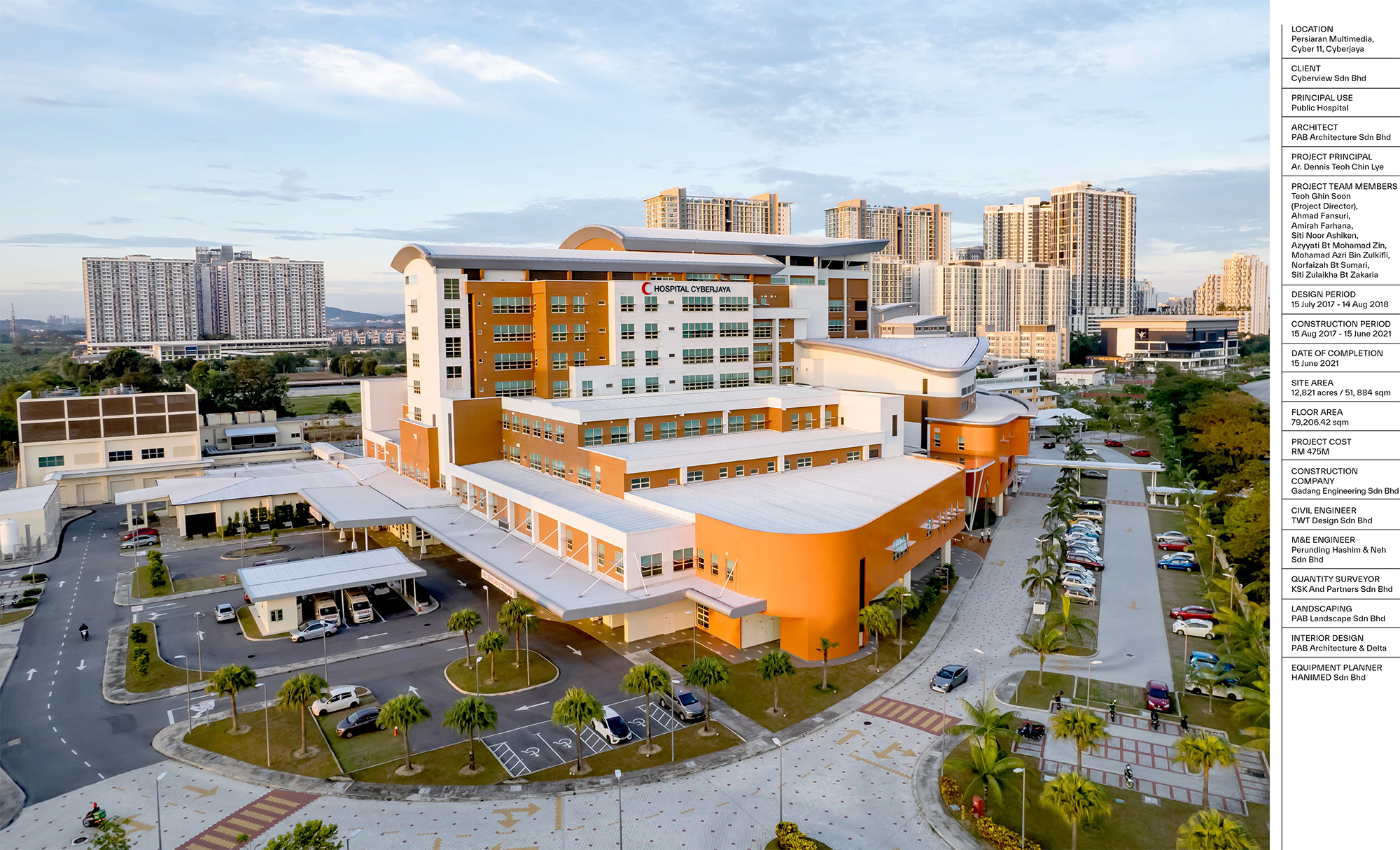
Cyberjaya Hospital stands as a beacon of sustainability and innovation, achieving the Green Building Index (GBI) Platinum certification—a first for public hospitals in Malaysia. This 288-bed facility, designed by PAB Architecture Sdn Bhd with KVA Green Consultancy as GBI Facilitators, exemplifies how cost-effective, green hospital design can enhance healthcare delivery while reducing environmental impact.
Designing a green hospital on a limited budget required close collaboration between architects, engineers, and turnkey contractors, Gadang. The team’s shared commitment to sustainability and innovation ensured that the ambitious goals were met without compromising the quality or functionality of the hospital. Frequent stakeholder consultations and value engineering processes helped balance cost constraints with performance outcomes, setting a new benchmark for public healthcare facilities.
A VISIONARY APPROACH TO HEALTHCARE DESIGN
From the outset, Cyberjaya Hospital was envisioned as more than just a medical facility. The architects’ brief required a visually memorable, cheerful, and bright landmark prioritising healing architecture and future-centric innovations. With user needs at the forefront, the hospital embodies salutogenic design principles to foster health and well-being for patients, staff, and visitors.
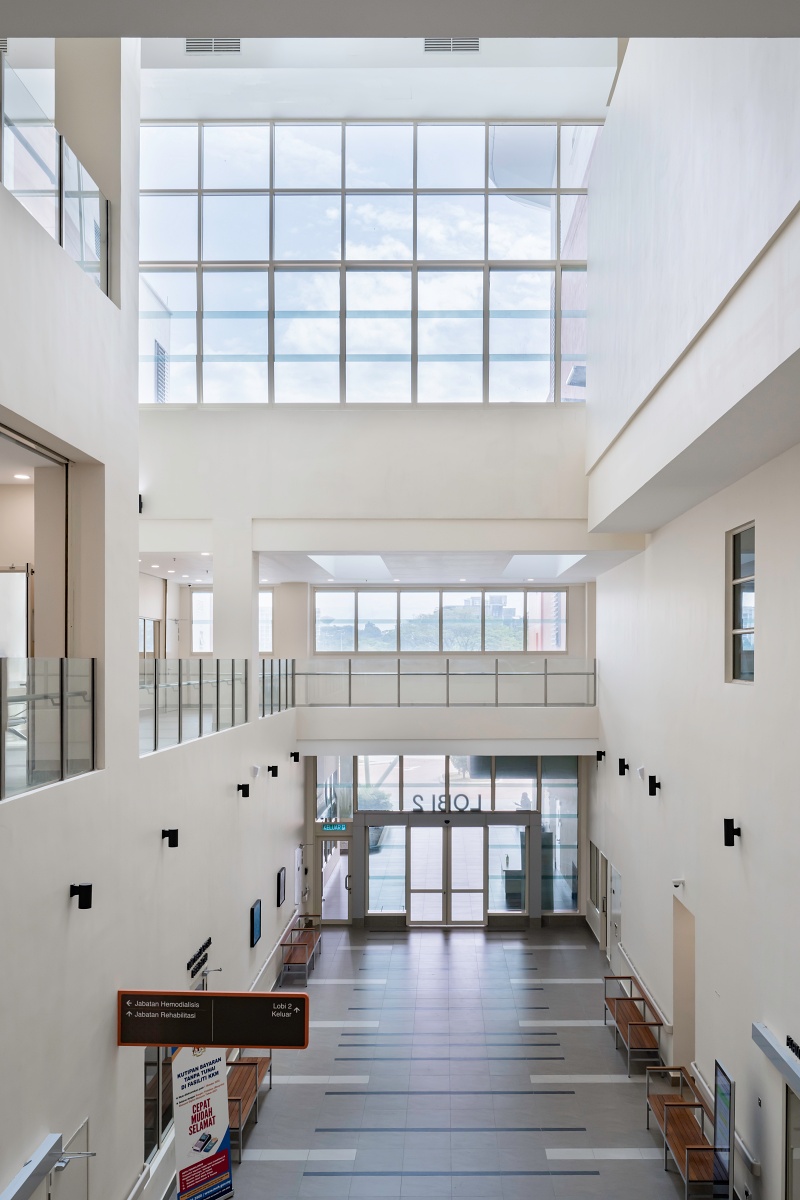
The hospital’s master plan emphasises efficiency and user comfort. Arranged as a collective of smaller blocks connected by hospital streets and centred around a four-storey atrium, the design optimises adjacencies between departments while creating a visually upli$ing and functional environment. This central atrium, filled with natural light, provides a serene respite for all users. Furthermore, thoughtful spatial planning ensures that patient flows and operational workflows are seamless, minimising stress and maximising resource efficiency.
INNOVATIONS IN GREEN DESIGN
Achieving GBI Platinum certification required the integration of advanced architectural and engineering solutions. The hospital’s sustainability features are best understood through the following key criteria:
Energy Efficiency
1. Architectural Design:
2. Mechanical and Electrical Systems:
3. Renewable Energy:
Local materials or materials with high recycled content are favoured such as plasterboard, aluminum panels, green cements, certified woods, and more. This project also diverted 83% of construction waste from landfills.
WATER EFFICIENCY
Water conservation is a critical component of the hospital’s sustainability strategy:
MATERIAL RESOURCE
Sustainability extends to construction materials, with a preference for:
SOCIAL AND ENVIRONMENTAL IMPACT
Beyond technical sustainability, Cyberjaya Hospital demonstrates how green design benefits communities and ecosystems. By reducing energy consumption and carbon emissions, the hospital contributes to Malaysia’s broader environmental goals. Green vehicle parking prioritisation encourages eco-friendly transportation, while landscaped areas enhance urban biodiversity and provide therapeutic outdoor spaces for users.
POST-OCCUPANCY SUCCESS
Initial feedback and performance data affirm Cyberjaya Hospital’s green credentials. The central atrium’s natural light and pleasant atmosphere have been praised by users, while the energy and water efficiency systems have delivered measurable savings. The hospital’s design not only elevates the benchmark for public healthcare facilities but also serves as a model for future green-rated projects in Malaysia and beyond.
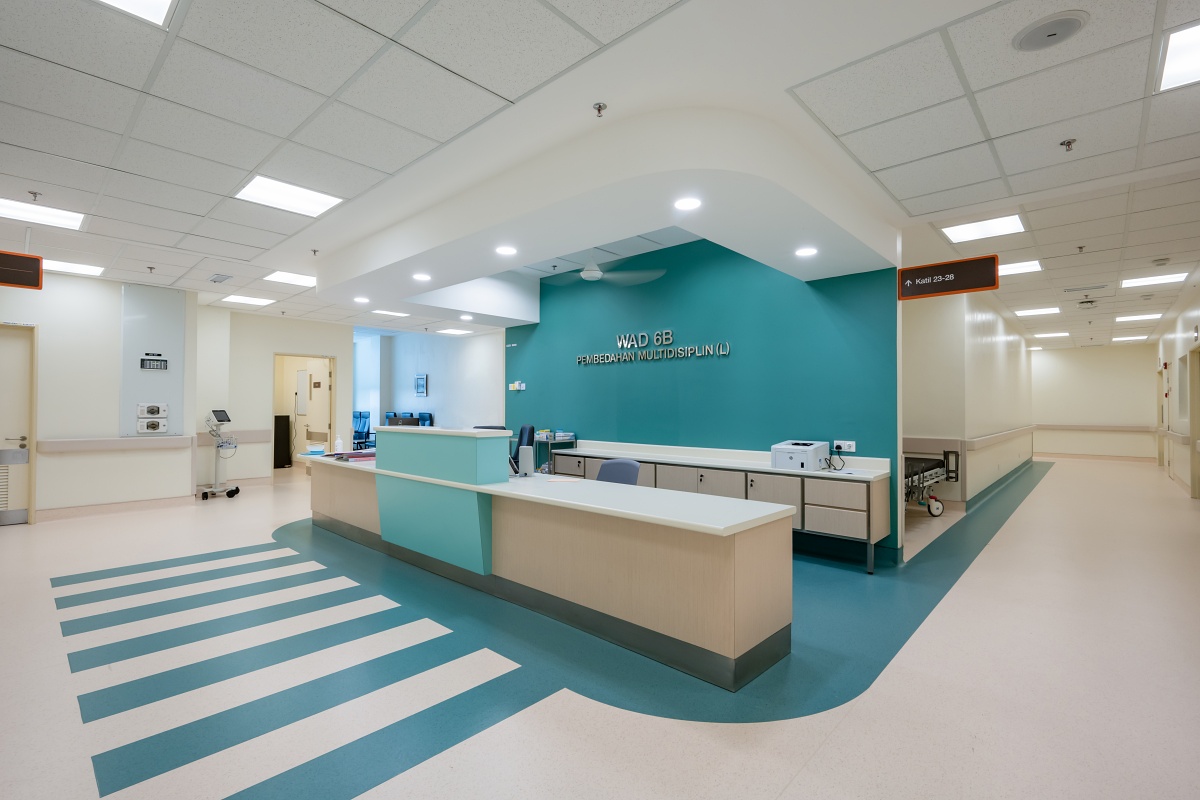
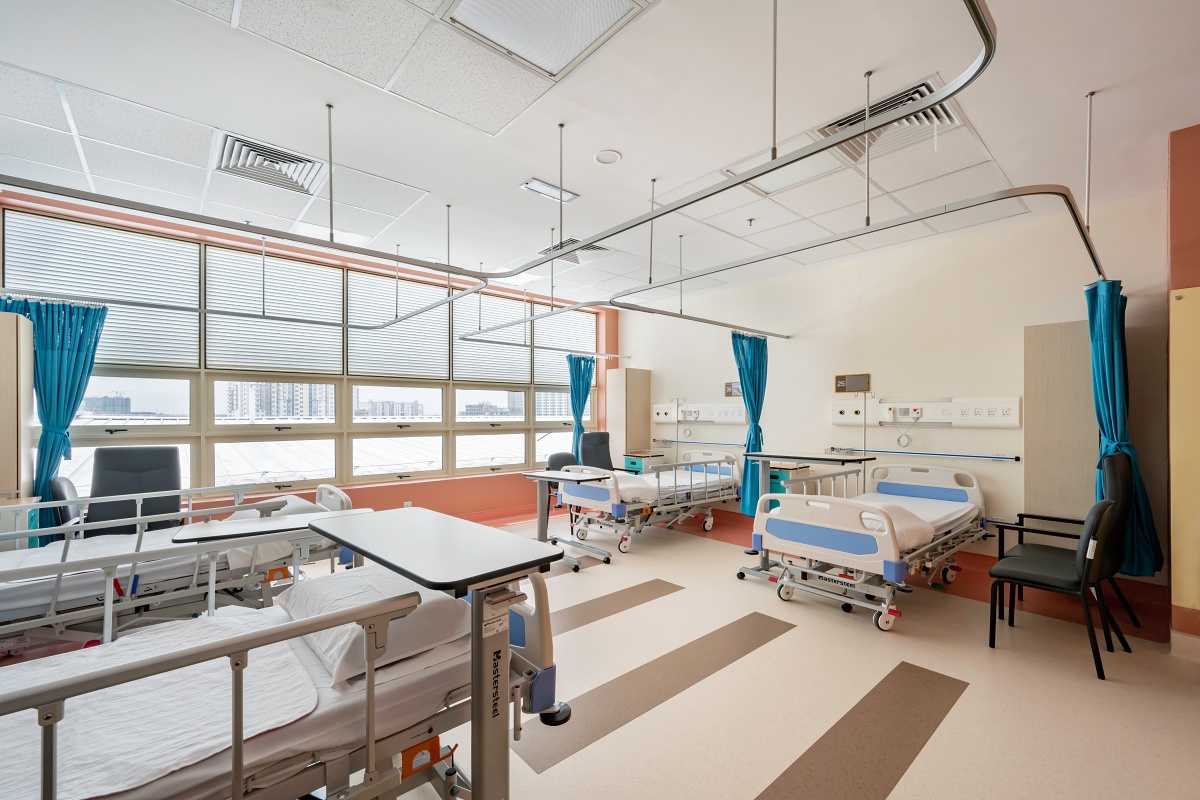
Staff and patients alike have noted the hospital’s comfortable indoor environment, citing improvements in thermal comfort and air quality. These features, combined with thoughtful design elements like colour psychology and healing architecture, create a space that is as functional as it is inspiring.
CONCLUSION
Cyberjaya Hospital exemplifies how thoughtful planning, innovative design, and sustainable practices can create healthcare facilities that are both cost-effective and environmentally responsible. By integrating architectural vision with engineering precision, this project raises the bar for green hospitals, contributing to a healthier future for people and the planet. As a trailblazer in sustainable healthcare design, Cyberjaya Hospital sets a precedent for other public and private institutions, proving that green buildings can deliver meaningful benefits to their users and the environment alike.
BEI (kWh/m²/yr):
158.94 kWh/m²/yr (BEI2 hospital baseline 483 kWh/m²/yr)
Energy savings as compared
to average Malaysia office
building (%):
67% energy savings as compared to average Malaysia hospital building
= (158.94 / 483 x 100) – 100)
OTTV (W/m²):
39.33 W/m²
21.34%
3.3%
31%
% of construction waste diverted from landfill via recycling:
82.69%
LOCATION: Persiaran Multimedia, Cyber 11, Cyberjaya
CLIENT: Cyberview Sdn Bhd
PRINCIPAL USE: Public Hospital
ARCHITECT: PAB Architecture Sdn Bhd
PROJECT PRINCIPAL: Ar. Dennis Teoh Chin Lye
PROJECT TEAM MEMBERS: Teoh Ghin Soon (Project Director), Ahmad Fansuri, Amirah Farhana, Siti Noor Ashiken, Azyyati Bt Mohamad Zin, Mohamad Azri Bin Zulkifli, Norfaizah Bt Sumari, Siti Zulaikha Bt Zakaria
DESIGN PERIOD: 15 July 2017 – 14 Aug 2018
CONSTRUCTION PERIOD: 15 Aug 2017 – 15 June 2021
DATE OF COMPLETION: 15 June 2021
SITE AREA: 12,821 acres / 51, 884 sqm
FLOOR AREA: 79,206.42 sqm
PROJECT COST: RM 475M
CONSTRUCTION COMPANY: Gadang Engineering Sdn Bhd
CIVIL ENGINEER: TWT Design Sdn Bhd
M&E ENGINEER: Perunding Hashim & Neh Sdn Bhd
QUANTITY SURVEYOR: KSK And Partners Sdn Bhd
LANDSCAPING: PAB Landscape Sdn Bhd
INTERIOR DESIGN: PAB Architecture & Delta
EQUIPMENT PLANNER: HANIMED Sdn Bhd