
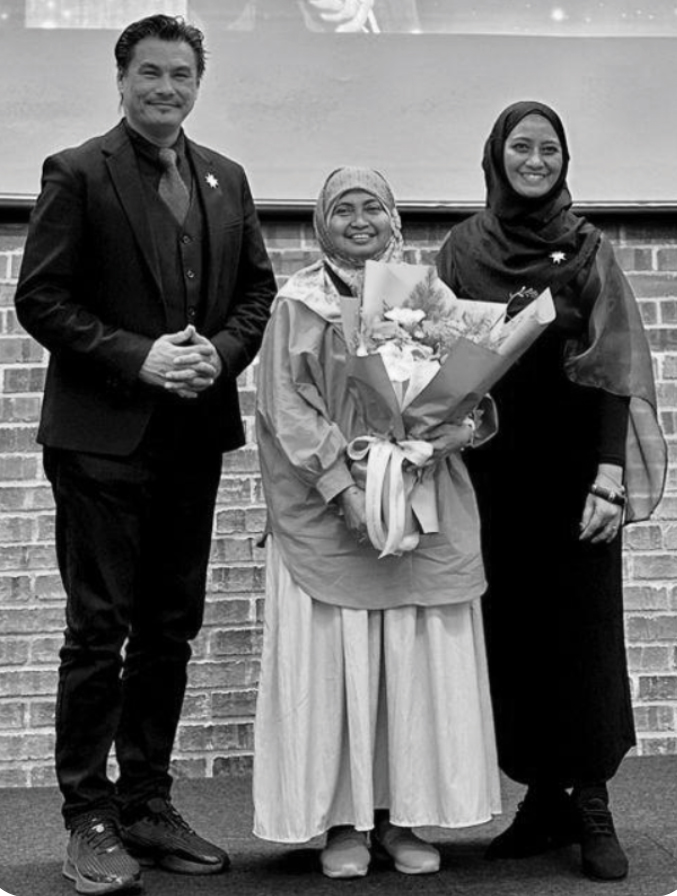
YBhg Datin Seri Ar Dr Norwina Mohd Nawawi, a renowned academic in architecture and visionary leader, has been recognised with the prestigious PAM Diversity, Equity, and Inclusion Award 2024 for her exceptional contributions in advancing diversity, equity, and inclusion within the architecture practice, education, and governance, particularly in promoting inclusion and well-being in the built environment industry. As a trailblazer in this field, she has consistently championed initiatives that have transformed the industry, fostering a more inclusive and equitable landscape for all. In this insightful interview, we delve into the driving forces behind her remarkable achievements, the challenges she has navigated, and the inspiring vision she holds for the future of the profession.
AM
Can you share with us, the key factors that have motivated and guided your unwavering commitment to advancing diversity, equity, and inclusion within the architecture industry?
NN
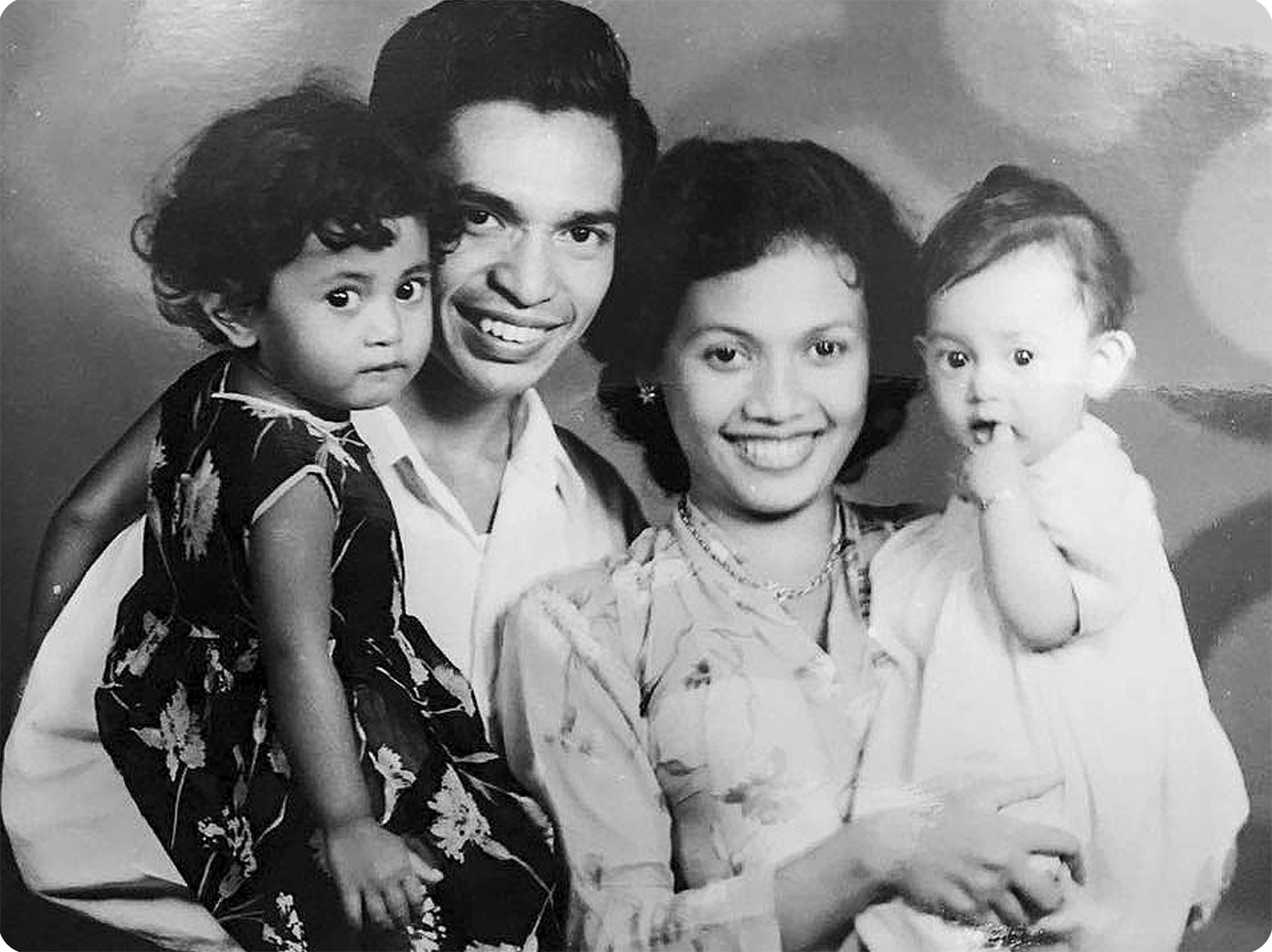
Thank you for the opportunity to share something that I am not aware of as anything extraordinary. Variety, flexibility, agility and adaptability without changing one’s stand have been my approach to keeping afloat. Perhaps the current situation (with multimedia and netizens) has somewhat made the differences or efforts made by ordinary people like me to bridge social concerns more blatant than before. My introduction to architecture by my late father (Mohamed Nawawi bin Mahmood), whose brother (Hamzah Mahmood, now 90 years old) was an architect, was that architecture can heal society through good and responsible architecture.
Gradually through reading and learning about architecture as a professional person taught by the late Ar Chen Voon Fee, I had the impression of a noble profession that is impartial, just and with integrity, apart from being able to design, manage and make clients happy by collaboratively producing the desired results. Diversity is something taken for granted as ever-present and inclusive as we live not only with varied human forms and sizes, age groups, needs and expectations but also with different cultures, belief systems and, of course –
gender. Equity is naturally understood as a need to be fulfilled appropriately and not something bizarre or exclusive. On reflection, what motivates whatever I did then and now, whatever you may call it, is simply to meet the needs and requirements, either in practice or in educating young would-be architects, as a constant service to society as just as possibly can within means.
AM
What have been some of the most impactful initiatives or programs you have spearheaded or supported that have contributed to creating a more inclusive and equitable built environment?
NN
I love my job as an architect in public service and an educator at the university. Both fields provide the opportunity to contribute in different ways, directly and indirectly, fast or gradually. When I was an architect in the public sector, I was given the trust to lead projects that benefit the users directly; they were heaven-sent opportunities. I have several healthcare projects, from small-scale to master planning and designing hospitals with almost 1000 beds. Each of these projects works from macro to micro scale, and that gives opportunities to work on details that care.
In designing public buildings, especially healthcare, we are designing for people in need. Hence, every room, space, corridor, corner, and surface is discussed in great length to ensure the needs of the function are fulfilled even though there are norms and standards we could refer to. We need to remember that norms and standards are either average or simply the minimum level to comply. But nobody is average, as we are diverse. The same applies to projects. They are never the same.
On the international front, involvement in the Social Responsibility commiflee in ARCASIA provides a wider perspective of the haves and have-nots beyond our Malaysian community. While referring to the outside world, we are also grateful for what we have in Malaysia in terms of opportunities, facilities, governance and the environment.
Malaysia Boleh!
AM
Could you elaborate on the strategies and approaches you have employed to promote the inclusion and well-being of underrepresented groups, such as women, minorities, and individuals with disabilities, within the architecture practice and education?
NN
First and foremost, one has to accept the fact that one is a female with dos and don’ts appropriate for a female. Similarly, individuals with disabilities need to know their limitations and their strengths. In practice, as well as education, I see architecture as a unique, varied, pragmatic, supportive and functional entity. Making architecture is a real-life experiment where you, as the architect, have a choice to make it inclusive or indifferent. With knowledge and a clear understanding of what we can and cannot do, we provide the provider with the potential to bridge the gap better.
Physically, I have a small frame and somewhat short to the average female Malaysian height 4’9” (144.78 cm) to 5’ 0” (152.4cm). Perception of your ability as a woman and of short stature can be overcome if you perform the assigned tasks designated to the role well. You do not have to be excellent. But if you are, well and good. Knowing who you are helps you to adapt and accept the facts well. For example, on stage for any lecture or talk, I will need to have raised adapter steps to be able to stand behind a fixed-height lectern or make a change to speak in front of the lectern. We adjust to the place.
Similarly in practice, designing facilities for the public involved multiple decision levels from the client to identifying project scope. Public facilities almost always include everyone under the sun as architecture for all. Design considerations evolved from site organisation of access, egress, parking, and walk/pathways to the entrances. For visitors and guests of the facilities, the design of entrances, reception, restrooms (including nursing room, nappy changes), waiting or lounges, and amenities such as prayer rooms. For staff, different staff as users of their respective facilities and job areas. The concept as per the project brief must be firm, and limitations must be identified upfront to allow for the creativity of the solution in the process of design. The architectural profession holds a respectable place in society (despite many do not know what we do) and can be the change maker.
Your action and behaviour on what you stand for, speaks for you. To answer the question above, I guess one has to look back at one’s upbringing, beliefs, and philosophy to give meaning to life. At work as an architect, apart from the projects, we manage people, our clients, subordinates, teammates, suppliers, contractors and other consultants, to perform their respective roles for the success of any project. Managing humans with varied backgrounds is a challenge. Men and women from marriage problems, long distant family, sickness and work preference have to deal positively as friends with empathy and knowledge of the system and our limitations. We include them in the decision-making about themselves on how they can overcome their problems and yet contribute to the progress of the project through each other’s strengths as a team. In work, I feel there are no gender issues as my bosses evaluate based on merit.
In education, we have the benefit of having the audience, our students, who are seeking knowledge and know-how, as well as open to new knowledge. If our teaching is cohesive and impactful, we are always hoping that it has a personal impact on them that will sustain it in their practice. The one-to-one tutorial or group tutorial is a powerful tool. Whatever their design approaches are, we let them answer the questions of what it could be or could have been to address the diversity of users and be inclusive.
Of course, we need to give them the concept of priority and limitations. Their answers are their innovative skills. Example: How does an unaccompanied wheelchair-disabled person who can drive arrive at the main entrance of a facility? What if a family with mixed abilities arrived at a theatre for a show? In times of emergency, how is the deaf person being notified? What happens to the child of a single mother when the mother needs to use the restroom? How can both parents share taking care of the babies while shopping? The outcome can be amazing. Problem-based learning is here to stay, although one can be speculative or futuristic.
AM
How have you navigated the challenges and resistance that may have arisen in your pursuit of driving meaningful change, and what lessons have you learned that could inspire others to follow in your footsteps?
NN
Sometimes, It takes a novice with no ulterior motive or experience to create an honest change for the good of the people/user or environment. Hence, there is a saying that learning comes not only from the wise or elders but also from the young and ordinary people you meet around you. Reflecting on moments with opportunities to create change is always there, but it is up to you how daring you are to change from the status quo of the accepted norm to what it should have been to ease users. Your knowledge and conscience will lead you. I remember during the viva for my master’s in the UK; after completing my dissertation on paediatric facilities, the examiners were asking me how I would take steps to change how paediatric facilities are provided in Malaysian public hospitals.
My answer was that being an officer in the public works department (PWD) or JKR in Malaysia, it is, therefore, my responsibility to raise concerns in paediatric care on the well-being of the children in hospitals diplomatically with the Ministry of Health Malaysia. All public project funding and needs are from the Ministry of Health as the client ministry. JKR was merely the implementing agency. With added knowledge of healthcare planning and the provision of facilities, JKR is then placed as a consultative expert on the subject matter rather than merely a technical implementer in the delivery process of healthcare for the nation. We partner in making positive changes with shared knowledge for the same objective — delivering care to people.
In architecture education, the curriculum provides guidelines for what needs to be taught according to the learning theme of design, communication, technology, culture and management. That’s knowledge and technical skills. We are nurturing human-young-would-be architects as stewards/vicegerent on earth. Hence, the opportunity was laid to ‘correct’ the error I learned from my experience as a graduate and those young architects I met as project architects with consultant firms. Any learning of life skills begins at home. It is never too late to relearn at the university level, we are hopeful that these students will be at least exposed to positive values. Project briefs for design include multiple needs beyond technology and the complexity of projects with the different dimensions of humans and their needs. This is where good traditions as personal skills are laid again.
Many forget common sense, introducing them to the needs of the soul rather than simply physiques and the material world. To read the signs in nature and culture. Accept the presence of differences in the harmonic sense. I also learned that different batches/cohort of students needs different approaches to learn. We, as educators, need to constantly relearn to be effective in our teachings. As humans, it is only natural to be disillusioned at times towards management, no support, differences in opinion and delivery. The experiences enrich our life and lift our spirits up to continuously face the challenges and fulfill the task as entrusted.
AM
As a visionary leader, what is your long-term vision for the architecture industry in terms of achieving true diversity, equity, and inclusion, and how do you envision the role of architects and design professionals in shaping this transformative future?
NN
This is a tough question. All three attributes -D, E, and I, are themselves diverse, but I have always believed that real architecture is sensitive and humane; hence, it will balance. What it means is that if we put the users as the real client, i.e. not the corporate client (the payer), when we design, when we administrate the contract till the project gets built and handed over, then the subject of delivering the project to the needs of the users are met. However, in circumstances when one is approached to design to cost with no definite user but for the mass of a certain concept (mostly minimalist), then it will dawn on you to carry out your responsibility as a professional person to ensure all human needs on safety and health are met.
Requirements of the By-laws and Guidelines in Malaysia apply to all and do not discriminate. However, some need customisation. My only concern is the project lifecycle, which may not be reflected in the current project perspective, whether there may be a change of use, expansion, or simply demolition in the future. Perhaps one can place in the checklist of questions to the clients, based on the kind of project, whether the project is public or private, whether it is for multiuser or customised, and whether all walks of life will use the facility one day. If all the answers are yes, then one has to take heed that the requirement must be inclusive, diverse and appropriate (equity).
RIBA 2020 has issued a framework for project implementation that includes SDG and inclusivity as their criteria. I have no feedback on their application, and it would be interesting to know and perhaps to emulate its success. Under the UIA-Architecture for All work programme, for which I am a member, many countries are still developing guidelines for housing, towns, stadiums and concert halls piecemeal. UIA has issued a broad, inclusive policy, and it is up to individual countries and professions to adhere to it.
Insha’Allah, Malaysia is going positively on policies, but the implementation and monitoring of implementation from awareness to application is ongoing. My vision? For short-term, PAM has already aimed at raising awareness and training professionals on the physical dimension of using MS1184. In the long term, we need to go back to schools/universities to integrate these attributes in the design curriculum for all forms of built environment structures and spaces, as the design of buildings alone is not holistic. Other dimensions of the attributes required a multidisciplinary approach with therapists, counsellors, psychiatrists and psychologists.
All in all, a professional person needs to assess the situation independently (if you have the experience) or as a team and be brave enough to inform the client/user of the limitations. By understanding what they can achieve and their limitations, informed decisions can be made.
These actions can only be written in the guidelines as a guide and not shown as drawings. No one solution fits all.
AM
Could you share some insights into how you have fostered collaboration and coalition-building across different disciplines and stakeholders to advance your DEI initiatives, and what advice would you offer to others seeking to adopt a similar approach?
NN
In doing any project, we involve many disciplines. DEI can be reflected in addressing the needs of every discipline, even in the built environment. As architects, when we design and include spaces for maintenance and access to utilities apart from user requirements as per the design brief, beyond what is written. As an educator, I have come across a PhD thesis that cares for maintenance personnel in cleaning buildings, especially high-rise and complicated buildings. This thesis brought about responsible design of the designer to ensure the safety and ease of maintenance personnel on their design. Shape, material, and height all need to be considered.
When I was in JKR doing high-rise hospital, we collaborated with the police force on the safety of both patients and staff from suicidal episodes, hence opening wide windows, corridors at the atrium, and external corridors at high levels need special design and safety devices.
You need to know who your stakeholders are for every project you work on to ensure the purpose of your design achieves its aim. Stakeholders are not merely the payors of the project or human beings only. They involve the ecosystem of flora and fauna and its impact on the environment, which will fall back to humans. Meaning, the collaboration we need to do does not stop at human organisations alone bomba, local authorities, communities and private agencies but holistic consideration of its impact on its physical, social, and environmental context. Do we have the time? Does our project conduct an impact assessment? Was there any time given in the project schedule for such collaboration?
AM
As a respected leader and role model, what would be your message to aspiring architects, particularly from underrepresented backgrounds, who are seeking to navigate and thrive in the industry?
NN
Believe in yourself that Allah SWT has created us perfect with flaws. To Err is Human…to be right the first time should be one’s striving effort. Hence, continuous learning from the experts in the industry. I don’t know everything, but that’s okay. You owe yourself to self-acknowledge that you need to learn what you don’t know or have little knowledge of. My bosses in JKR used to say that the knowledge you have with you, despite the amount of information you are fed, is like a dip of your finger into the ocean. The water that’s left on your finger is the amount of knowledge you have. So, how can we retrieve previous knowledge we have had in our mind’s archive? Have a system of retrieval, hard or soft copy, as we catalogued our knowledge. Diversity includes your growth in the industry from a young architect who designs to a mature architect who managed and diversified tasks as a developer, CEO and others. Our perspective also changes over time. Now, we need to cope with digital technology!
AM
Could you reflect on the personal and professional growth you have experienced throughout your journey as a champion of diversity, equity, and inclusion and how this has shaped your perspective and approach to the architecture profession?
NN
I don’t think I am aware I am championing anything but what is morally and ethically right. However, naturally, we address what is right and wrong, which should be clear at the onset. If one is new to such experiences, then one needs to learn and relearn to notice these differences, which we take for granted. Simply, the use of the right or left hand as a right or left-hander may require a different design for the placement of your gadget or the swing of the tap to shut or loosen. The tip here is to learn hands-on on the job. Listen and observe many people and their respective needs, but keep in mind the health and safety issues that many members of the public are unaware of in the enthusiasm to fulfil certain targets.
Know that there are priorities and limitations. Even in time, what was considered a good decision then needs to be reviewed and improved. My first learning was to design a hand basin for the public. My boss will give a scenario of the basin being subjected to vandalism, multiple users, and absurd human behaviour. Now you have AI to conjure images of such hand basins. Then, you need to sketch and figure out types of fiflings and fixtures as well as choice of material for fit of purpose. That’s both diverse and inclusive.
AM
In your view, how can the architecture education system be reimagined to better nurture and support the development of a diverse, equitable, and inclusive next generation of architects and design professionals?
NN
As an educator, these traits that care for the diversity of users are already integrated into the design requirements to which students are expected to adhere and innovate. This exposure in the learning stages is expected to be carried through in future practice. Now, it is up to the firms and organisations out there where these young and emerging architects will be working, to nurture them further through inclusive practices. Now, what is inclusive practices? More CPDs and training, perhaps by PAM to its members?
AM
What advice would you offer to other industry leaders and organisations who are looking to implement effective DEI strategies within their own practices or institutions?
NN
Good, and go ahead. It should have been done years ago. Although our labour law or RoC did not mention the exact word DEI, morally and naturally, it should be a common understanding as a human right (deemed by God-Allah). Every employee should know their rights to be natural to their gender, practice their faith and work to the best of their ability-competent in the role that they were employed into. Employers should seek this opportunity to show they care for their employees by providing appropriate care within their limitations. A few days ago, I read an article that Foster’s company in the UK is implementing such. Many of us in the UIA AfA work programme applaud the move and look forward to how it will materialise.
AM
Could you share any specific examples or case studies that demonstrate the tangible impact and positive outcomes your DEI initiatives have had on the built environment and the communities they serve?
NN
I had an experience sleeping in a relative waiting room at Selayang Hospital when my father was in the Intensive Care Unit (ICU). I was involved in Selayang Hospital as a client in the Ministry of Health Malaysia writing the medical brief as well as evaluating the designs when it was first drawn for approval. The MoH, through the policy of Islamisation, had introduced many caring places and spaces for the caregivers of patients in the hospital which include relative waiting areas, public toilets with disabled access, nappy change and nursing rooms for young mothers. What I witness when in use, it has no barriers. All races were waiting for their loved ones, side by side. They sleep, eat and share their grief. Spaces designed are universal for all and for all walks of life within the limitations of a hospital environment. It is a humbling experience.
AM
As a recipient of the prestigious PAM DEI Award 2024, what message do you have for the broader architecture community, and how do you hope this recognition will inspire others to follow in your footsteps?
NN
Follow your footsteps as God created us differently for a different purpose. I do not claim that my way is the only way.
AM
In your opinion, how can the architecture profession better collaborate with other disciplines, such as urban planning, landscape architecture, and engineering, to holistically address issues of diversity, equity, and inclusion in the design and development of the built environment?
NN
Of course, we can. Teamwork is the key to success. In a team, each member of the team contributes their expertise in knowledge and competency towards the same goal cohesively. Take a master planning project of a medical campus. An architect may be visionary but requires the input of a town/urban planner to network with the other planners in the authority what the land is identified for of its context potential, land use and future implications; requires civil, geologist and hydraulic engineers to advise of the soil, terrain and infrastructure; and mechanical and electrical engineers on the probable loading and physical facilities required to function short and long term. Experts or specialists in a certain area such as physicists for radiation control, will be invited to advise on nuclear medicine facilities, a psycho-sociologist for social spaces and cohesion for mental well-being, and a specific landscape architect for external children’s play area in a healthcare environment and the list goes on.
In my own experience, I start with the design brief formulation, where I have to have input from various departments of different disciplines to make a hospital. My team, in brief preparation itself, is made up of multi-disciplinary medical professionals, nurses, engineers and architects. Among the outcomes were the Selayang Hospital, Sungai Buloh Hospital, IIUM Hospital brief and others.
The team is diverse and addresses the diverse needs of the facility and its users as operators to be both equitable and inclusive. The requirements are further debated in the detailed design stage of loaded drawings and room data among the relevant disciplines. During construction during commissioning, before handing over, the relevant disciplines are again invited to make an inspection and provide the report. Hence, multidisciplinary is not a new phenomenon but a need in practice.
AM
Could you share any specific insights or recommendations you have for addressing the unique challenges and barriers faced by women and minorities in the architecture industry, particularly in terms of career advancement, leadership opportunities, and work-life balance?
NN
Juggling and balancing life events, whatever gender you are, is similar. The differences many women experienced are the expectations set by culture and tradition as well as one perception of what success is to live up to. Married and unmarried women with parents bound women to ‘responsibilities’ where decision-making is no longer as one desire but requires prioritisation, sacrifices, compromises, and agreement between parties. Most of the time, women architects sacrifice their promotion that would take them away from their families to stay status quo. Leadership role requires time and focus, which may interfere with family times.
Our role as an architect is one, and as a woman is another. Hence, a woman has to work much more to fulfil both demands. If peace prevails at home, the woman can excel in her career. Home support is paramount to provide the foundation for a woman’s career. My own experience as a wife, a mother and a daughter to an architect’s (in consultancy), educator’s and postgraduate student’s role is a constant juggle. I need to know which hat to choose and act upon, all within 24 hours a day and 7 days a week without burning out.
I either sleep early about 8.30 pm and wake up in the wee hours to work on the job while everyone is asleep about 3 am onwards or stay up till 3 am, either way. Daytime isn’t enough.
After experiencing a car accident due to lack of sleep, I resort to taking Grab to catch up with sleep if I need to be in the office/campus. Working from home is a God-sent opportunity for flexibility in working hours. Before, I used to bring my children, when they were small, to site meetings outstation. I have to bring my niece to help with babysitting while I attend project meetings. Arrangement has to be made, which include additional costs, just so your responsibility as a mother is not evaded and makes you feel guilty. Hence, to prosper in your career, to my humble knowledge and experience, you must make sure your home and your support are fulfilled first. They are your priority and partly the reason for your career.
AM
As a respected leader and mentor, what advice would you offer to young architects or students who are passionate about driving change and becoming champions of diversity, equity, and inclusion within the profession?
NN
Go ahead; no one is stopping you. Do them honestly and with your homework/research done. You may start small, like a child who keeps throwing starfish into the sea, but as said, all great work starts with a single step. Ar. Nurhalinda Halimi’s master’s thesis was on making the change to a household with cerebral palsy children to ease their caregivers of continuing care with opportunity for independence to the child using simple homemade gadgets. Her research found that not all professionals, whether they are architects, engineers and healthcare professionals, including therapists, knew the existence of MS1184 to facilitate their ideas of coping with disabled children. The research also discovered that not all houses, due to cost, situational circumstances of renting policy, and obligations as in-laws, allow for simple changes to homes that would facilitate the child’s independence. More can be explained by the author herself.
Other changes one can make are addressing the needs of young parents and mothers with facilities for babies and toddlers in public places, provision of elderly-friendly environments with more seatings in public spaces and places, provision of areas of support for caregivers in palliative care environments for grieve, discussion and meditation, addressing the safety of children in high-rise residences and many more.
AM
Could you provide any additional thoughts or reflections on the importance of diversity, equity, and inclusion in the architecture industry, and the critical role that architects and design professionals play in shaping more inclusive and equitable built environments?
NN
Verses of the Al Quran surah 49: verse 13: “O Mankind, We have created you from a male and female, and made you into nations and tribes, that you may know one another. Indeed, the noblest of you in the sight of Allah is the most righteous of you. Indeed Allah is all Knowing and Aware“, speaks of the importance of knowing and understanding people, places and traditions of various nations.
As architects, it is our task and responsibility to accommodate the different needs of Allah’s creation to be in harmony and balance in our design. Our designs may not be perfect, but the effort to address the variations, however small it may be should be celebrated. Examples can be seen in the provision of family rooms in shopping malls, spaces to rest in between spaces in the park or in the mall for the elderly and parents with many children, and designs that are intuitive and culturally appropriate. Of course, there are limitations to how diverse we can make architecture. Here, we need to prioritise based on acceptable norms i.e. within the budget, quantity and focus groups. Some of the answers are already in other questions.
AM
In what ways have you successfully incorporated principles of universal design and accessibility into your own architectural projects, and how have these considerations shaped your approach to creating inclusive and welcoming built environments?
NN
The projects I was entrusted to were public projects like hospitals, recreational facilities and masjid meant for all. For hospitals, apart from the stringent rules for clinical performance, it must be humane. By-laws, guidelines and operating policies are strict in the design of healthcare facilities with safety in mind. Universal design is, therefore, inherent in the design. However, the implementation of the designs is not usually perfect. Other than the provision of mock-up life-size spaces for evaluation before acceptance of the design in the contract, the design can always be further improved for future projects through feedback and the post-occupancy evaluation (POE) process in use.
AM
What role do you believe professional associations, such as PAM, can play in fostering a more diverse, equitable, and inclusive architecture community, and what specific initiatives or programs would you recommend they implement to drive meaningful change?
NN
Plenty! But we need committed members who believe and care for the matters of ‘common sense’ to consider diverse users in our design as second nature. Heritage buildings, especially vernacular architecture, have many lessons to teach the architects of today. That is why it is important to include the study of heritage buildings, especially of vernacular kind, as it will create hands-on exposure for the designers. Every nook and cranny have meaning and purpose.
As mentioned in the verses of the Al Quran, there were already high civilisations then, with their unique architecture as evidence; however, due to their arrogance, they were destroyed and replaced with another civilisation as a reminder to mankind. Hence PAM has a duty to remind members of the oath and commitment as architects towards their responsibility safety, security, health, aesthetics, equity, diversity and inclusivity.
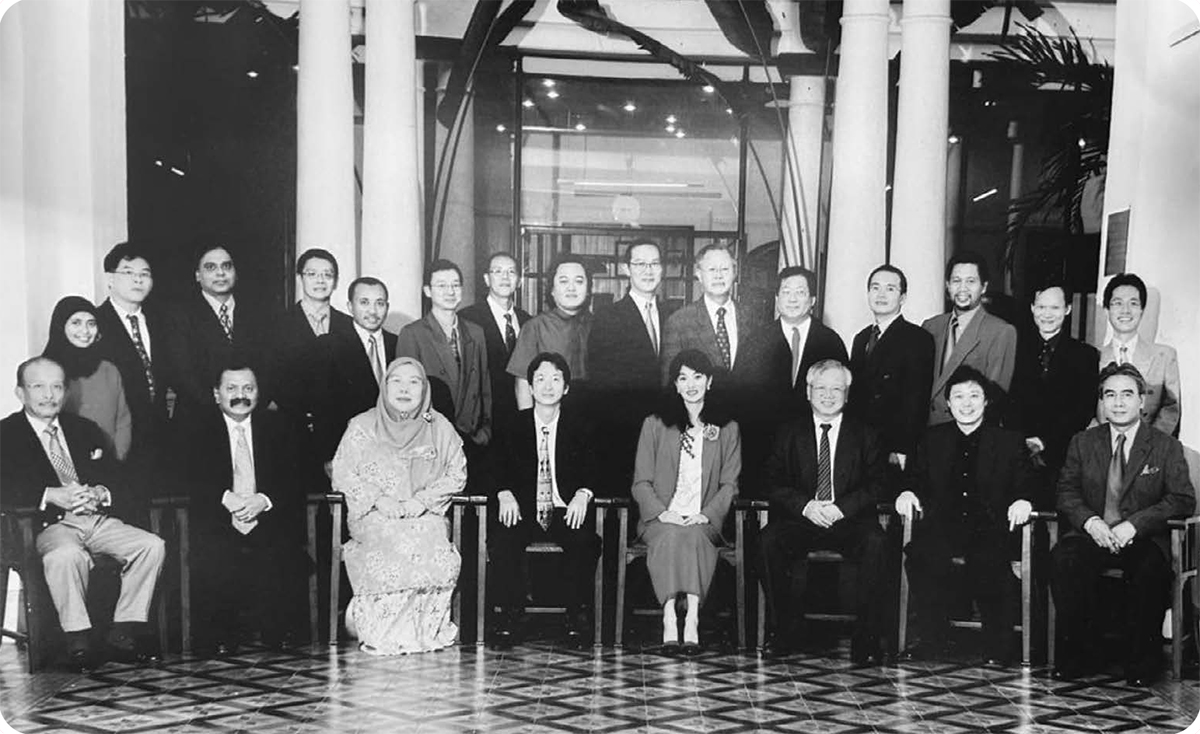
The committee on Social Responsibility for the community, of which I am a member, under the leadership of Ar. Mumtazah, Ar. Aimee and Ar. Rushdina, is already making plans to initiate many initiatives from UD training with the PAM Education committee, the ESG committee on climate change and perhaps disaster management as well. Ar. Ridha and Ar. Qawarizni are engaging with the youth and emerging practices in digital technology and AI. I am happy to be with the team that believes in continuing the quest for pandemic design guides series as part of the committee health think tank for the Ministry of Health Malaysia.
AM
Could you share any personal experiences or anecdotes that have particularly inspired or motivated you in your pursuit of advancing diversity, equity, and inclusion within the architecture profession?
NN
As said, I do not have any narrowed objective that falls within the DEI, but as a human being, I believe it is only human nature to be considerate and humane in whatever we undertake. Hence, in any project, it becomes a moral duty for us to consider numerous dimensions. However, we can only fathom their differences and commonalities through job experience and constant learning. We must accept the fact that we cannot and do not know everything. But we do our best within our limitations.
As an educator, you mustn’t portray your students as any lesser being. We need to see them as potentials with different blooming periods and maturity. We should encourage originality and be proud of their ability as they are not competing with others but with themselves to achieve the minimum towards excellence. Respect them and mentor them till they achieve certain confidence without copying or mimicking others to achieve excellence. They should be on their customised track for distinction.
The same is true with practice and, of course, in living with our spouses and the numerous needs of our diverse children.
AM
As we look towards the future, what do you see as the most pressing challenges and opportunities in the realm of DEI within the architecture industry, and how can the next generation of architects and design professionals best position themselves to address these issues?
NN
Acceptance versus arrogance, Architecture is inclusive. Thank you.