Kuala Lumpur has witnessed a significant influx of rural migrants, drawn by the promise of economic opportunities in the city. This rapid urbanisation has led to the proliferation of low-income housing, often in the form of high-rise developments, as the government has sought to address the growing demand for affordable housing. While urban poverty in Malaysia is not considered a severe problem, the influx of rural migrants has put strain on urban services, infrastructure, and the environment. This has led to increased congestion and pollution in urban areas. Additionally, the lack of proper urban planning has resulted in inadequate access to basic amenities and services for many low-income residents. As Kuala Lumpur continues to grow and develop, addressing these challenges will be crucial in ensuring sustainable urban development and improving the quality of life for all residents.
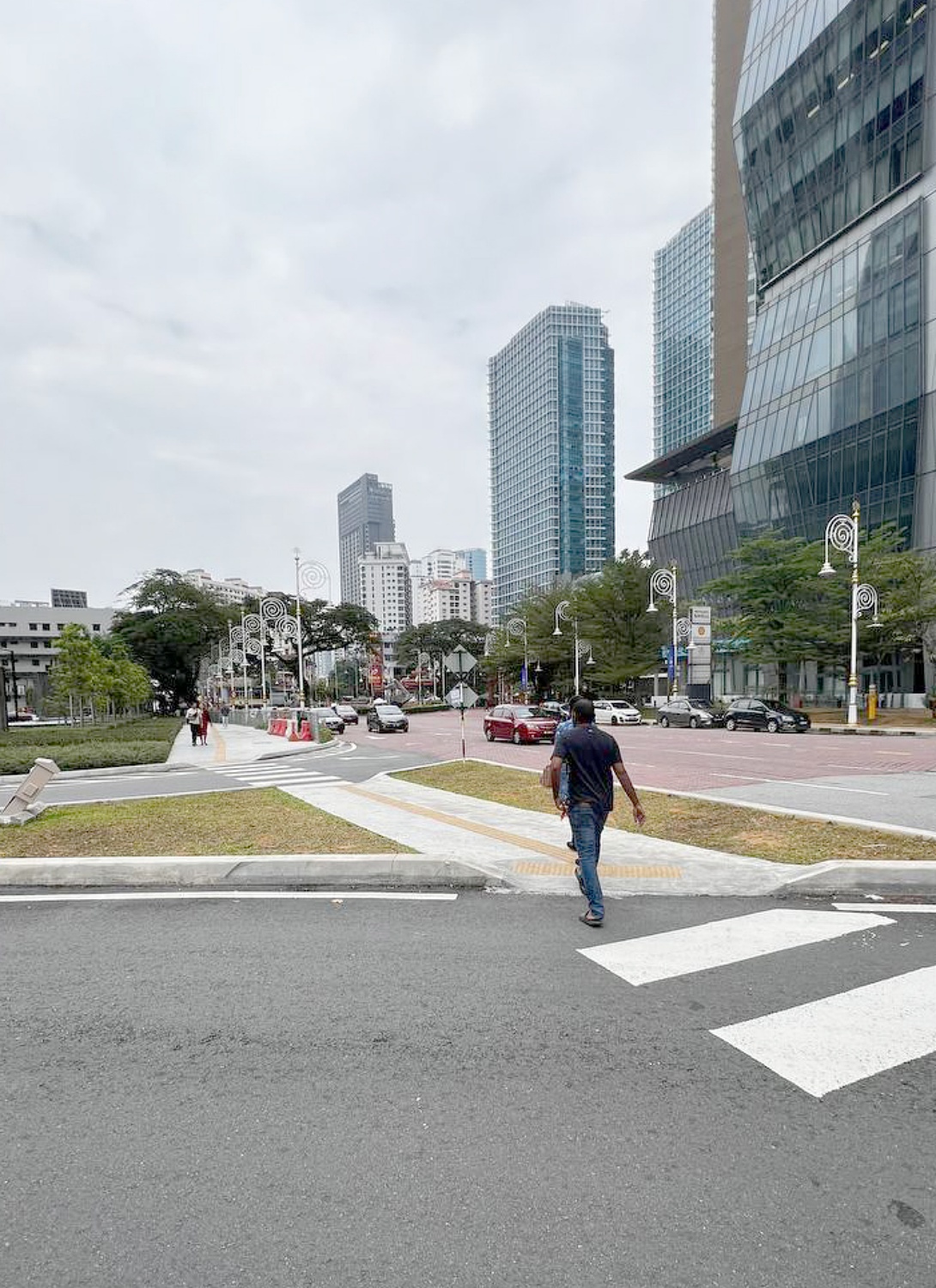
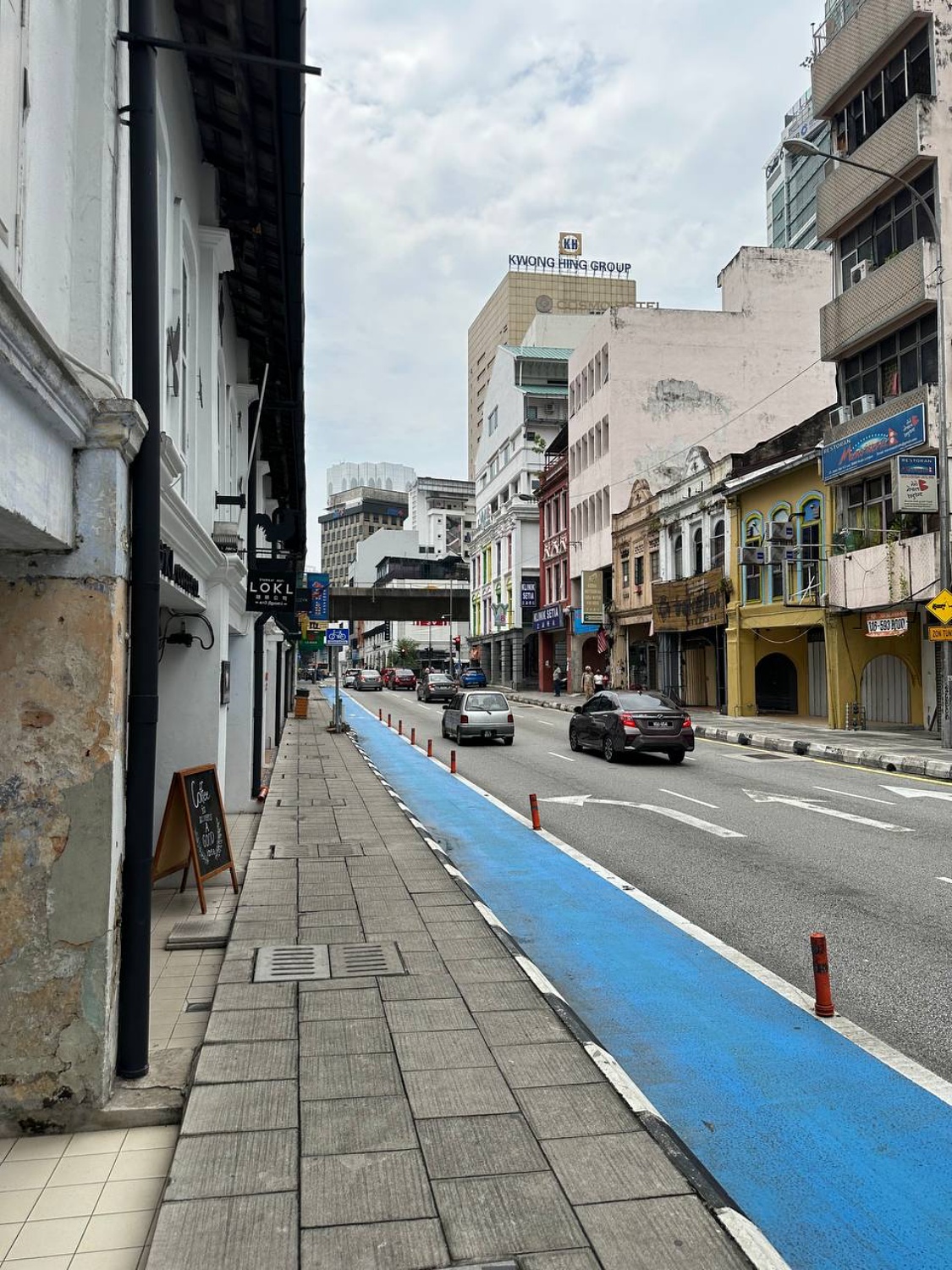
As Kuala Lumpur, the energetic capital of Malaysia, continues to grapple with urban development challenges and the need to enhance its living environment for residents and tourists, the concept of a walkable and cyclable city has gained significance in defining its future. The envisioning of a rather walkable and cyclable city of Kuala Lumpur is a phase that is crucial to be taken into consideration. This signifies a paradigm shift in the mobility habits of urban residents and the prevailing mindset that has persisted for more than 40 years, based on the pressing necessity of owning a personal vehicle to elevate the social hierarchy on top of the inconvenience of the infrastructure to encourage and provide reliable and convenient facilities and infrastructure to smooth out fulfilling the daily needs and routines.
On the other hand, obesity has become a growing public health concern in many parts of the world, and one of the key contributing factors to this epidemic is the lack of accessible and well-designed infrastructure for walking and cycling. The main transportation and mobility modes prioritise car-centric development, also known as the ‘Moses-Effect’. The opportunities for physical activity in everyday life have diminished, leading to a more sedentary lifestyle and increased rates of obesity.
In Malaysia, for example, the rise in overweight and obese individuals has been attributed to improved socioeconomic conditions and the corresponding increase in food consumption, despite people in general being aware of the negative health impacts. The National Health and Morbidity Survey (NHMS) in 2023 has found that more than half, or 54.4% Malaysian adults are overweight and obese. Even though this is closely associated with the lowest sugar prices in ASEAN, the reduced opportunities for physical activity due to urbanisation and changes in the built environment have also been identified as potential drivers of this trend.
Alternative options, such as conducting physical routines at gym facilities or general physical exercise routines, are a rather superficial and unsustainable approach, and instead, the focus should be on creating environments that support routine physical activity, such as walking and cycling, as part of people’s daily lives. One key aspect of this is the availability of a comprehensive network of pathways, trails, bike lanes, and mass transit options that allow for active transportation.
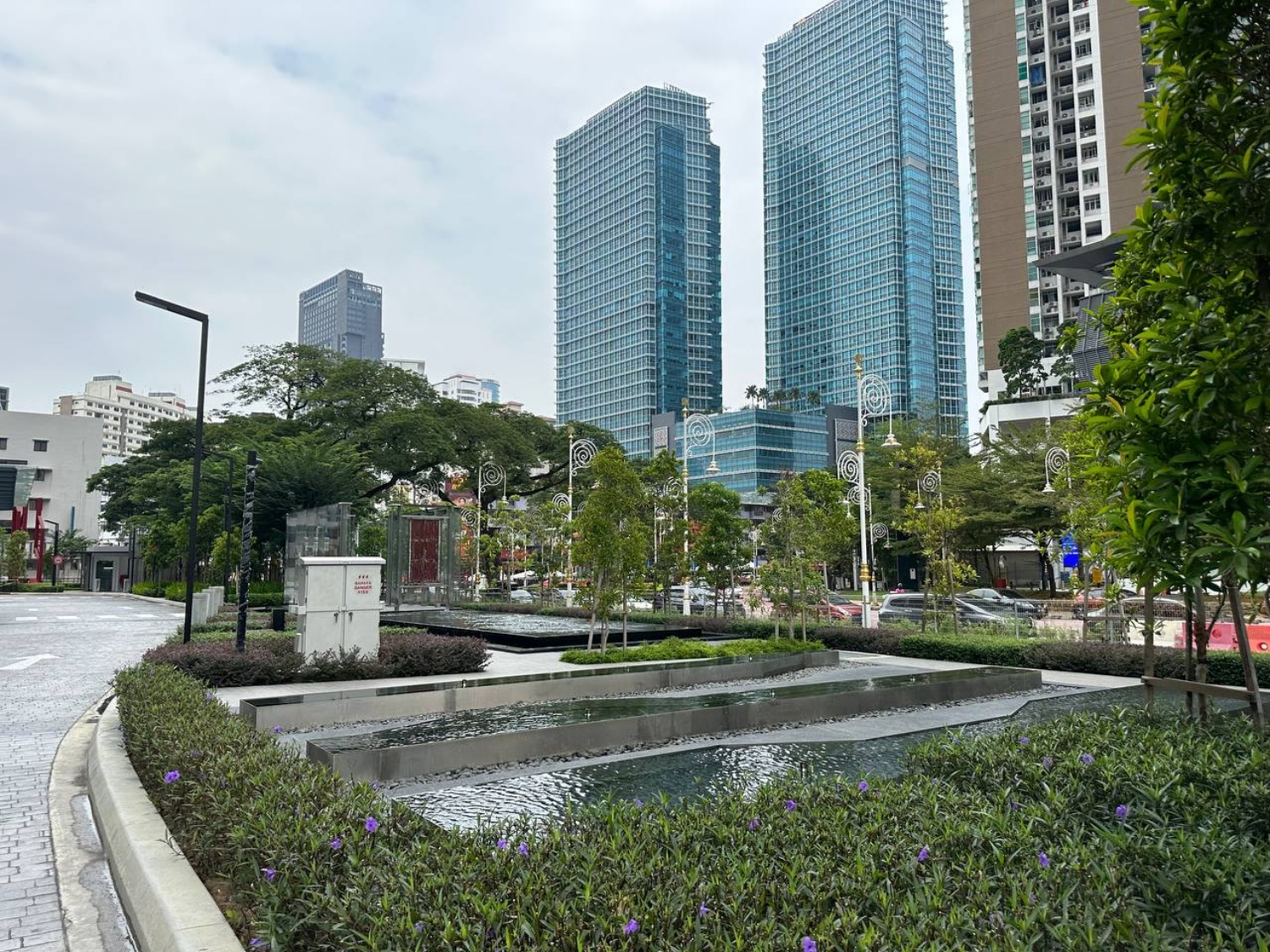
In addition, on top of well-developed pedestrian and cyclist infrastructure, urban green spaces play a crucial role in promoting human health and well-being. To address environmental and health challenges in modern cities, understanding how urban green spaces’ design and use impact overall population health is essential. Integrating green spaces into urban planning and design can help reduce air pollution, mitigate the urban heat island effect, and provide opportunities for physical activity and social interaction. By prioritising the creation and maintenance of green spaces, cities like Kuala Lumpur can create a more sustainable and liveable environment for their residents. Furthermore, studies have demonstrated that access to green spaces enhances mental health and lowers stress levels, thereby enhancing the quality of life for urban dwellers. Incorporating green infrastructure into city planning and design can increase property values and atract more visitors, boosting the local economy.
Even so, access to green spaces in urban neighbourhoods has led to improved mental health and reduced stress levels among city residents. Obstacles like a lack of funding, limited resources, and competing priorities make it difficult to develop green cities in developing nations. It is essential to adopt a balanced approach to sustainable urban development that
prioritises both environmental sustainability and the well-being of city residents. This can be achieved through collaboration between government officials, urban planners, and community members to address the challenges and work towards creating green cities that benefit both the environment and the people living in them. By focusing on holistic solutions that consider social, economic, and environmental factors, sustainable urban development can be successfully implemented in developing nations.
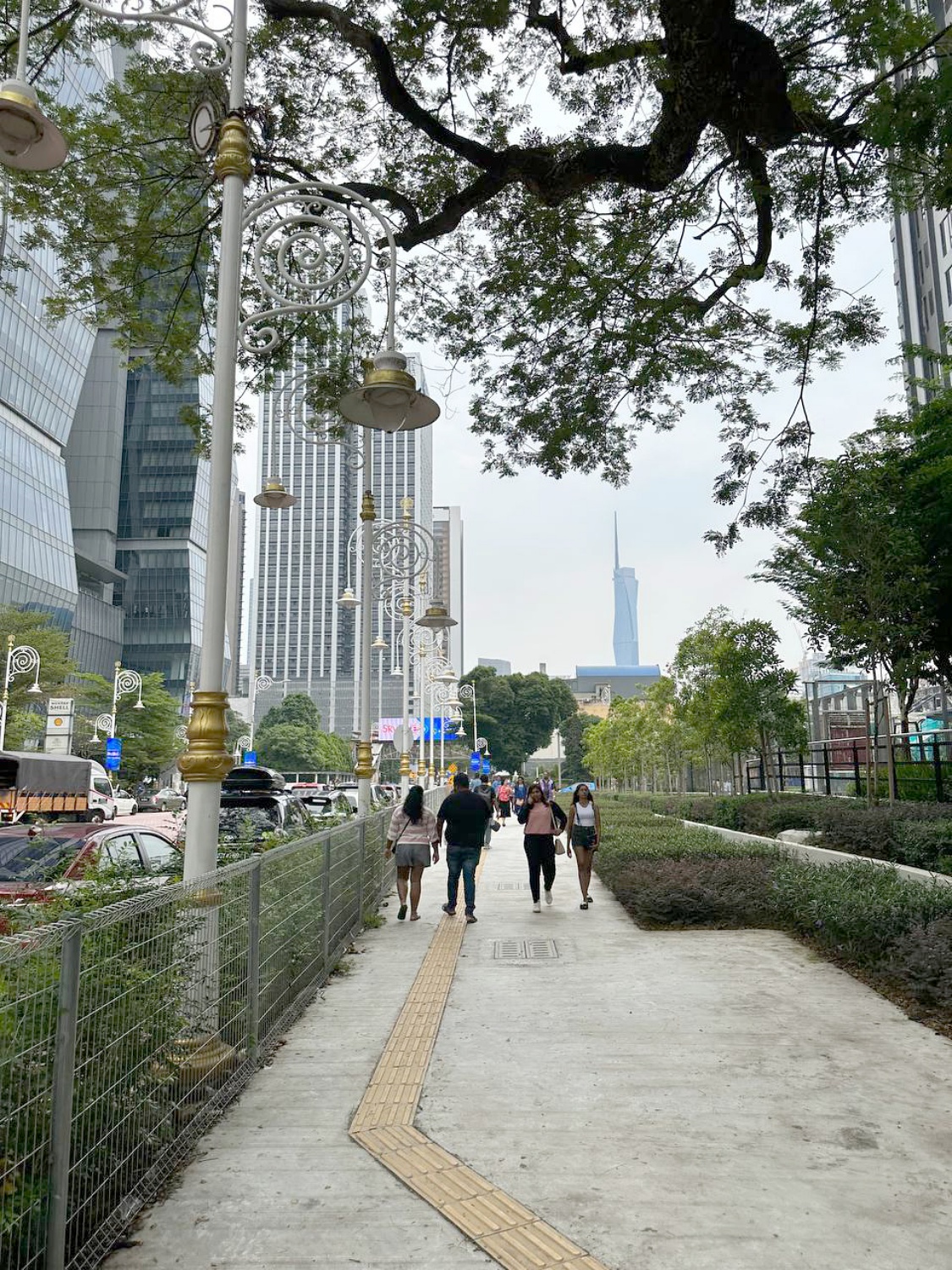
The relationship between urban green space and human health revealed that access to green space is associated with lower mortality rates, improved mental health, and increased physical activity. Health benefits of urban green spaces include improved air quality, reduced urban heat island effects, and increased opportunities for physical activity and social interaction. Furthermore, recent studies have highlighted the growing importance of walkability and cyclability in Kuala Lumpur, as well as the factors that contribute to pedestrian and cyclist comfort and satisfaction. These studies have revealed that while the city has made strides in providing pedestrian facilities, there are still areas where maintenance and upkeep pose challenges, hindering the overall walking experience. Addressing these maintenance issues and investing in the upkeep of pedestrian facilities can improve Kuala Lumpur’s walkability, ultimately promoting a healthier and more active lifestyle for its residents. By upgrading the pedestrian and cyclist infrastructure and introducing more green spaces into urban planning, we can create a more sustainable and enjoyable environment for physical activity and social interaction.
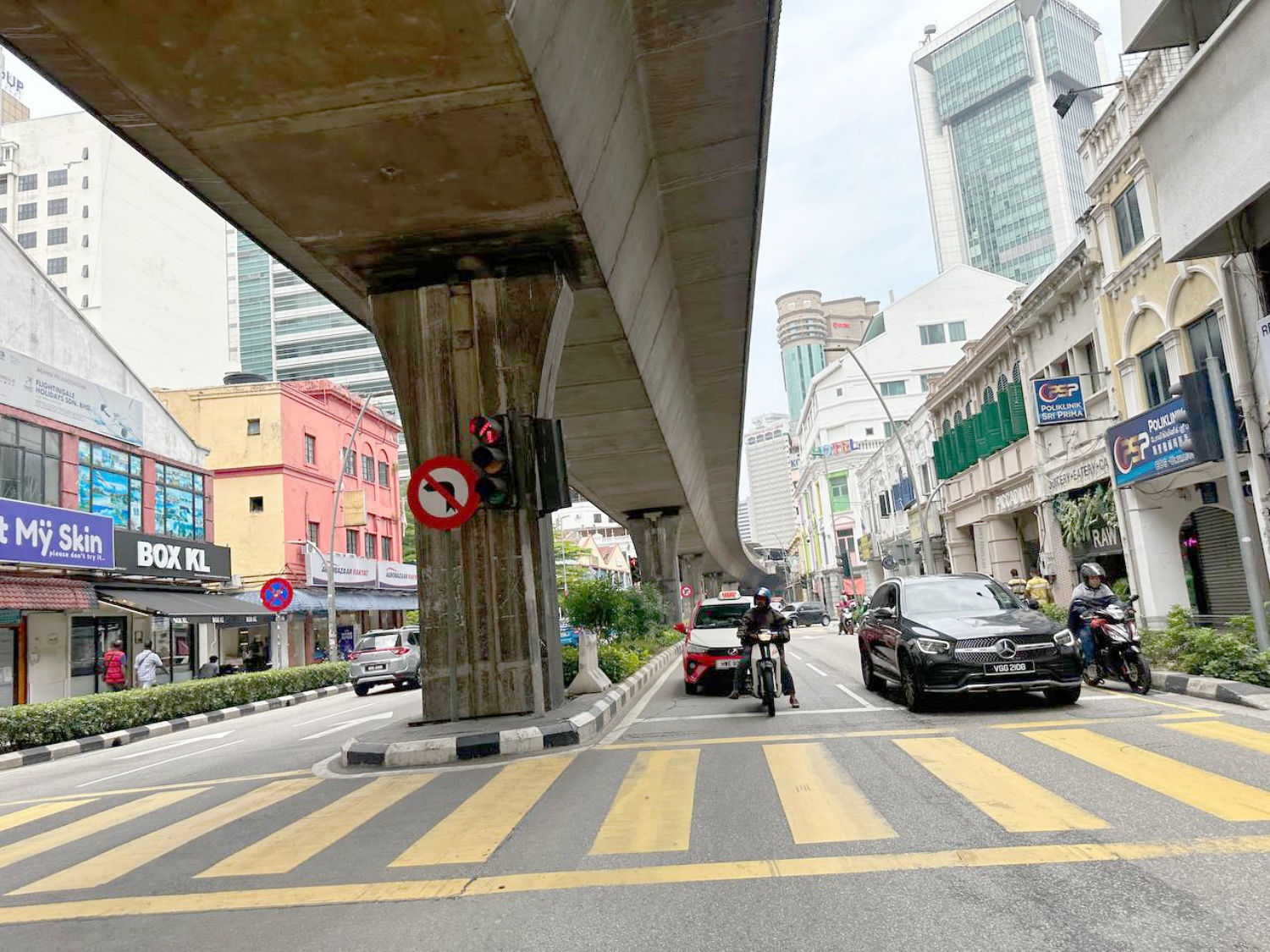
Challenges such as lack of political will, insufficient funding, and conflicting land use priorities pose significant barriers to the development of sustainable cities in developing countries, including Kuala Lumpur. There is an urgent need for evidence-based policymaking and design processes and interdisciplinary collaboration to overcome these challenges and realise the health benefits of urban green spaces. According to Jane Jacob in her discussion on urban design, good urban design should prioritise the needs and well-being of city residents. A holistic approach to sustainable urban development that integrates the health and social needs of urban populations can lead to healthier, more liveable communities.
Furthermore, the integration of information and communication technology (ICT) has the potential to play a pivotal role in transforming Kuala Lumpur into a more pedestrian and bicycle-friendly metropolis. By using advanced technologies for urban management, the city can improve infrastructure, regulate traffic flow, and enhance the overall experience for pedestrians and cyclists. Additionally, incorporating ICT can also help in monitoring air quality, reducing carbon emissions, and promoting sustainable transportation options. By embracing smart city solutions, Kuala Lumpur can become a model for other cities looking to prioritise the well-being of their residents and visitors.
Promoting walking, biking, and outdoor recreation in cities can alleviate physical inactivity and reduce the prevalence of chronic diseases. There is a need to revisit the present approach of urban planning policy and design implementation in Malaysia that thoroughly considers both environmental and social factors. The effort striving towards good practice and proper implementation of sustainable urban development requires a coordinated effort from various stakeholders, including policymakers, urban planners, public health professionals, and community members. Interdisciplinary collaboration
across various sectors is essential to tackle the intricate challenges of sustainable urbanisation and ensure that city design prioritises the health and well-being of all residents (inclusive).
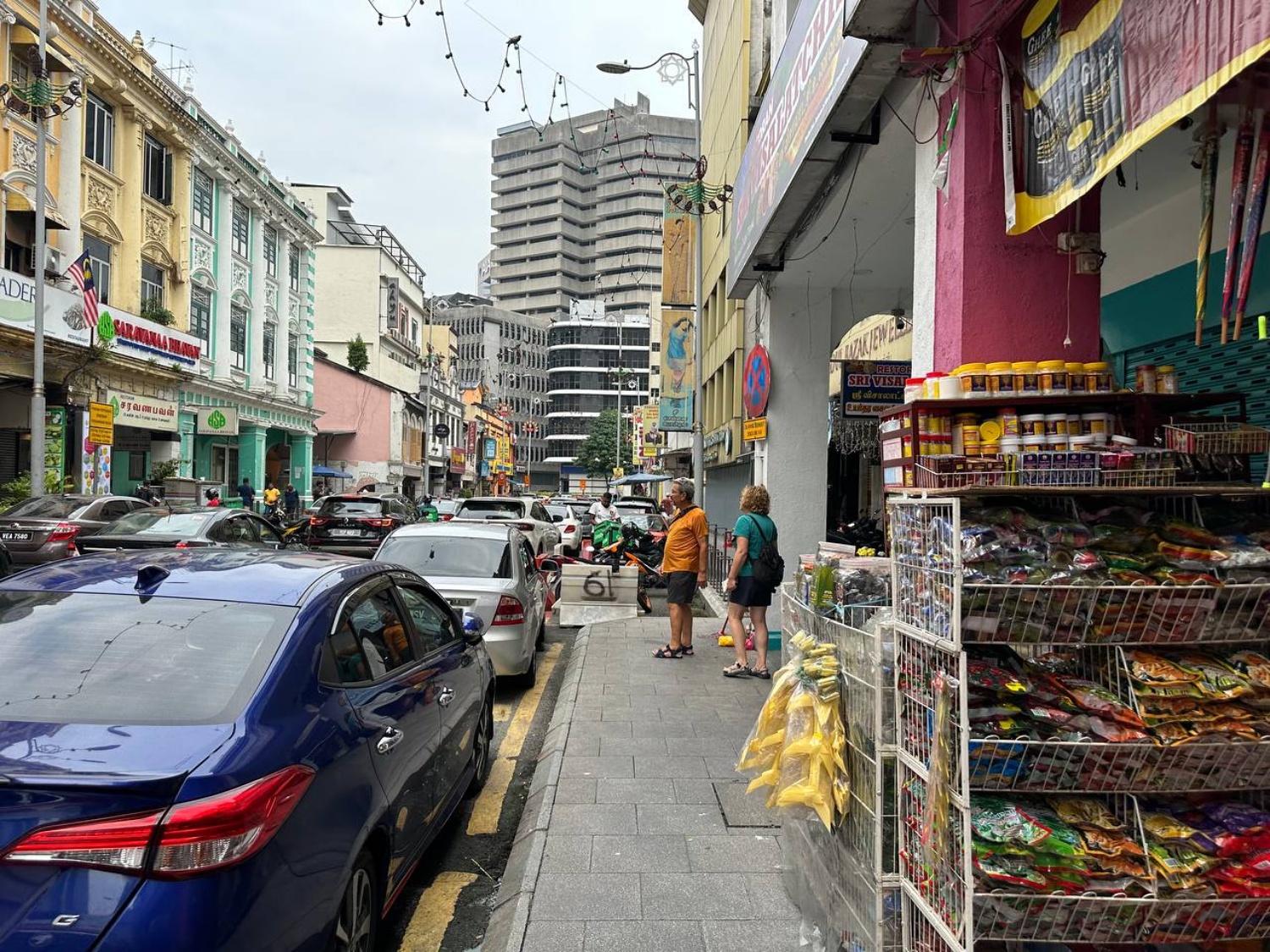
As the city evolves, Kuala Lumpur must prioritise the creation of a seamless and interconnected network of walkways and bikeways, ensuring that residents and visitors can move freely and safely throughout the city. Through infrastructure enhancement, improved wayfinding, and fostering a culture of active mobility, Kuala Lumpur can evolve into a truly walkable and cycle-friendly metropolis, appealing to both residents and tourists. A well-developed walkable and cyclable infrastructure in cities across Southeast Asia, such as Kuala Lumpur, can reduce dependency on private vehicles, foster healthier lifestyles, and enhance overall environmental sustainability in the region. By embracing this vision, Kuala Lumpur can emerge as a shining example of how a city can evolve to become more inclusive, accessible, and ultimately, a beter place to live, work, and visit.