
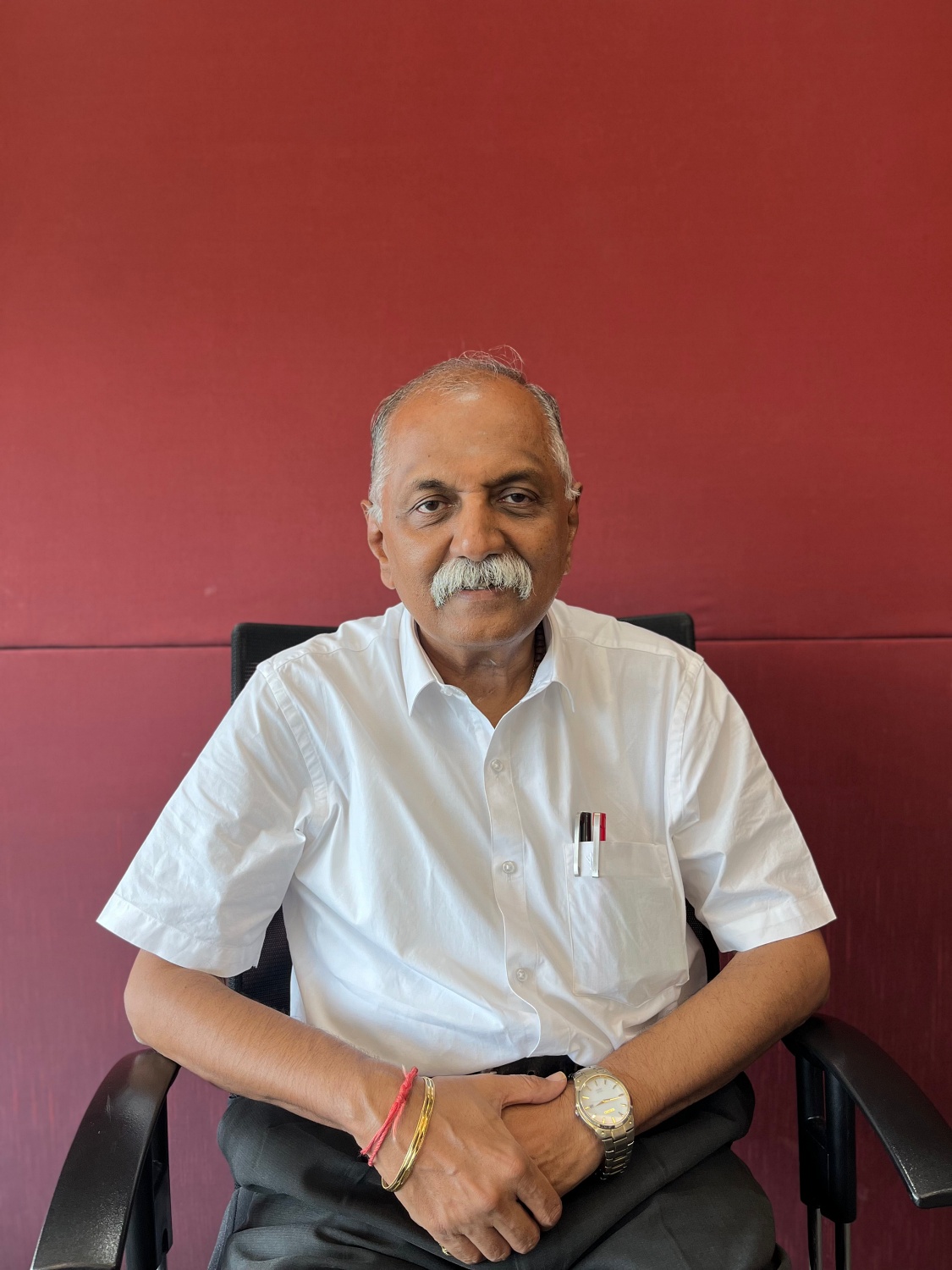
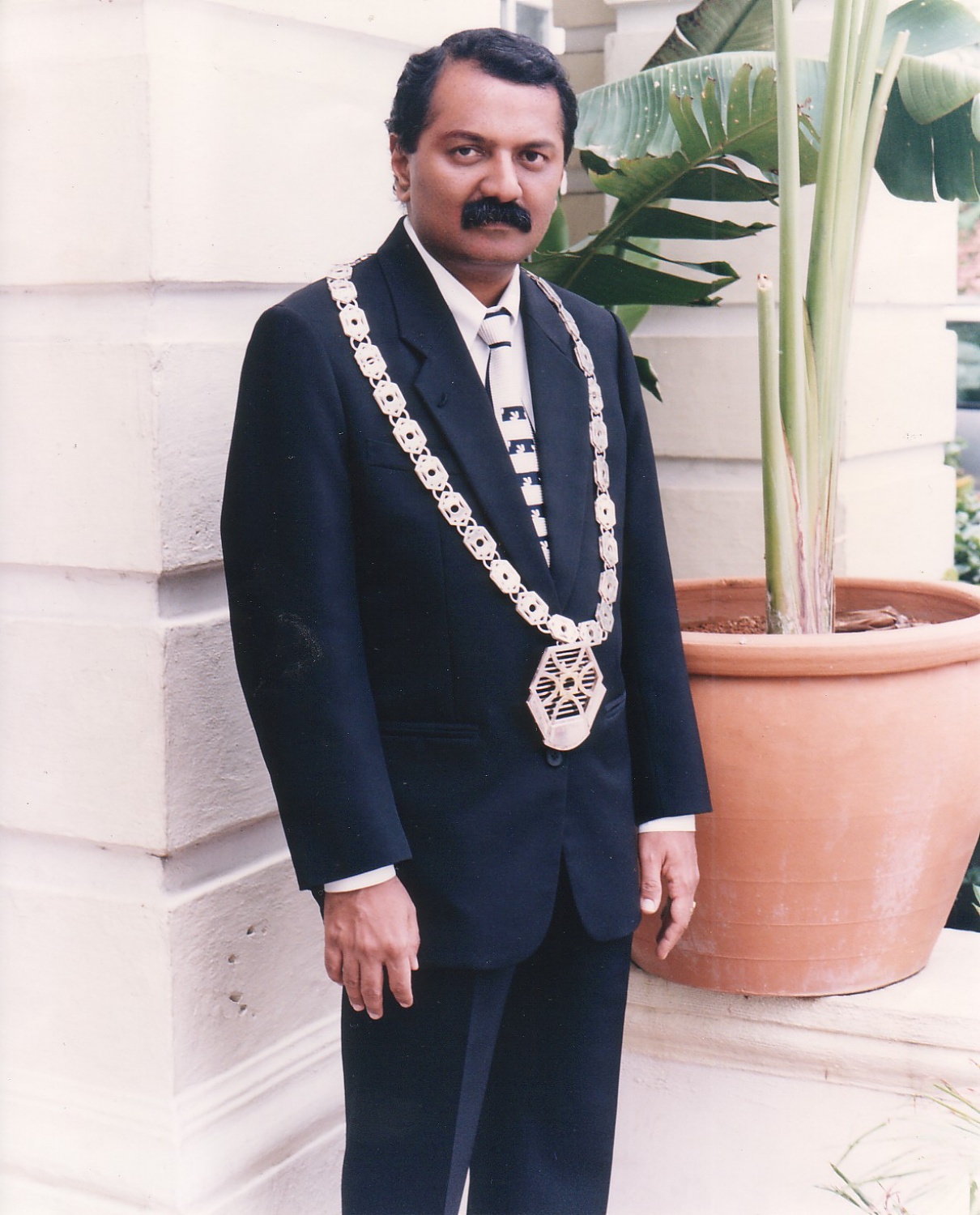
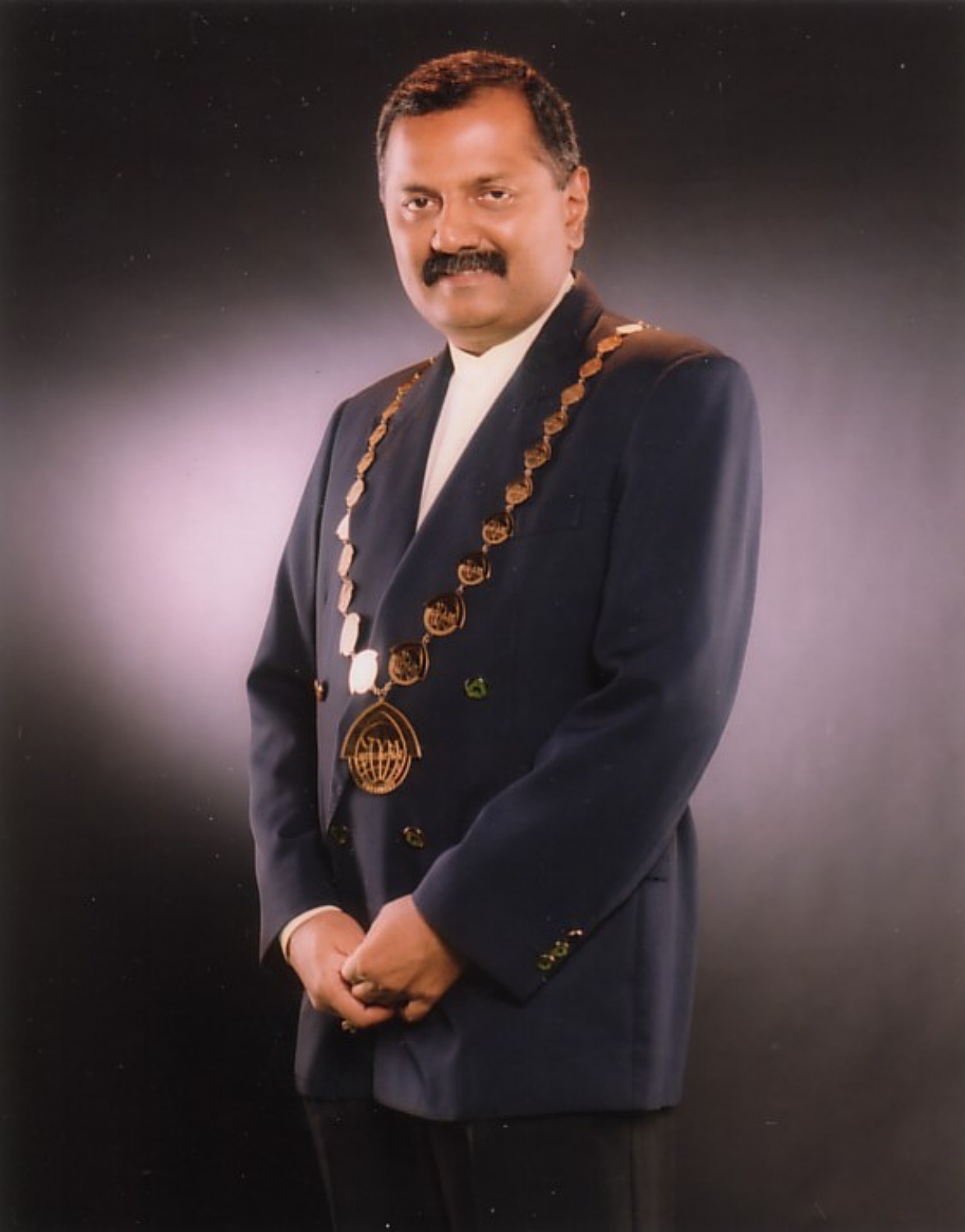
Ar. Datuk Kasi K L Palaniappan or more familiarly known as Datuk P. Kasi is the recipient of the PAM Kington Loo Medal 2004 (PKLM) which is the highest honour bestowed by PAM acknowledging the recipient’s distinguished lifetime commitment to leadership, advocacy, service and contributions to PAM and to the Profession of Architecture. The award seeks to recognise individuals who have advanced both PAM and the Profession in their leadership.
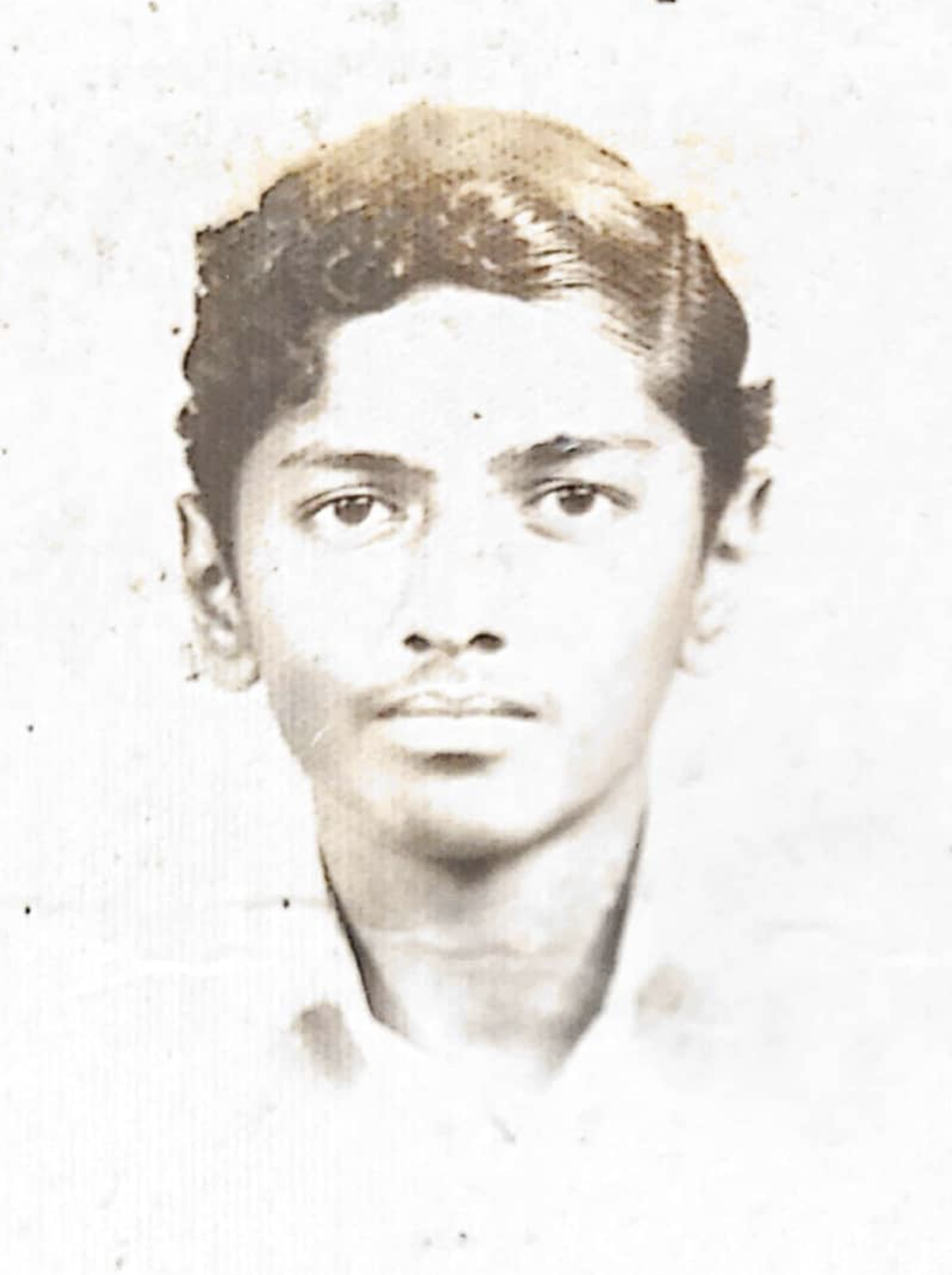
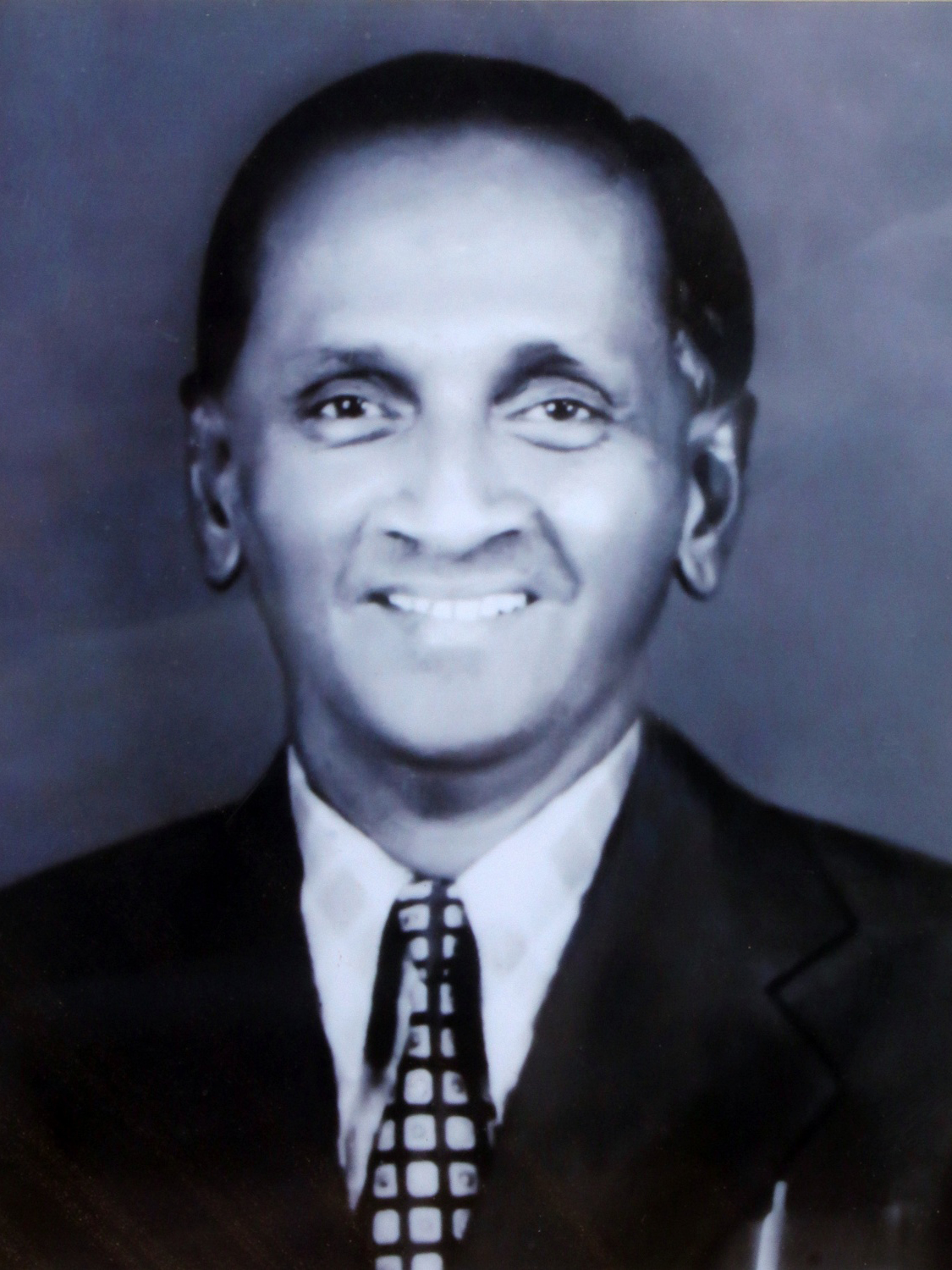
IM
Hi Datuk P. Kasi! Congratulations on being awarded the Kington Loo Medal. Your list of contributions is exhaustive and very admirable. It made me wonder what type of person had such a drive and ambition. Can you tell us a little bit about how you started immersing yourself into the Architecture Profession? What formed your decision to become an Architect?
DPK
When I was in school, if somebody were to ask me what my ambition was, I would say either Law or Architecture. In those days, there were only 3 schools of Architecture in the country and there were really limited seats and admission was difficult. About 95% of architects were trained overseas at that time. It was very difficult to study Architecture if you had limited resources. Law was easier to study because you could do an external course with the University of London. Teachers used to tell me my English was good so it was a natural thing to consider Law as a career. In Form 3, in those days there was an exam called the Lower Certificate of Examination (LCE) and from the result of that exam you could branch off to specialised schools.
One of the opportunities that came was what was then called the Technical Institute, also known as Sekolah Menengah Teknik in Cheras, where you can take technical subjects for the Malaysian Certificate of Examination (MCE). I was one of the few from my school who got admission and I was able to study subjects like building construction and land surveying along with the pure science subjects. Hence, I could prepare basic technical drawings even in Upper Secondary School. Those times, we had to carry A1 size drawing boards with t-squares to school on several days of the week and I had to take 2 buses to school from my house. The survey equipments then were also not as sophisticated as now and we had to work in the hot sun.
My father was just an English school teacher so he couldn’t afford to send me to the UK or Australia after my schooling in the Technical Institute. He found out there are 2 colleges of Architecture in India recognised by the Royal Institute of British Architects (RIBA) and the Commonwealth Association of Architects (CAA) and they were good colleges. I made my first trip to India and I sat for the admission test in the School of Planning and Architecture (SPA) in New Delhi. It was very competitive. You had a 1000 over students sitting for admission to 33 seats. I have always been a good student so, I did fairly well and got into the college which was dedicated for Architecture and Town Planning with good Professors. In my final year the college became a deemed university only offering courses in Architecture and Planning in recognition of its status as a premier institution in the country. One advantage I have is I am trained in Asia. I was trained to look at Asian conditions as opposed to looking at Western models. Growth in India at that time was much slower, therefore we got to design buildings that were more fundamental to the needs of people, socially more compatible and climate responsive.
You asked what type of person has such a drive and ambition. Those days, life was tough, unlike today. I always said, we had a hunger for success which was very strong. It is something I don’t see in children today. Students have become more complacent in Malaysia. There are a lot more colleges, a lot more places to study, scholarships and loans. In my opinion, the drive to actually go and struggle to study something to make a name for yourself is less than what it used to be in those days. That was what pushed us. There was not much choice and I was grateful for the opportunities I had.
Coming from Malaysia where some of our exams only required objective type answers, in good India colleges like SPA you faced a very competitive world with very good students academically. You’re thrown in the deep sea and you have to quickly learn to swim. When I started my college, I was not yet 17 as I had double promotion in Primary School having gone through the express class system and the fact that I did not spend 2 years in Form 6. I took a couple of years in India to get used to the cultural change, climate and the new environment. Having been through that, a turning point came in my third year in college. Two things happened. One of my design projects received high marks and special attention by the visiting jury, Achyut P. Kanvinde who was at that time one of the top architects in India. He picked my project and pointed out to the class saying that the essence of an Architect is the seed of an idea and he said, this project has that. Once you have the seed of an innovative idea, you can employ a hundred architects to draw it and build it. And that strong statement stayed with me for life. Till today I carry a sheet of white paper in my pocket, to capture ideas and thoughts as they occur not just designs so that I don’t forget it.
There were 25 colleges of architecture in India back then and once a year, the National Association of Students in Architecture (NASA) would meet at one of the Colleges somewhere in the country and have seminars, debates, cultural activities and exhibits allowing students from the various colleges to compete and learn from one another. During those gatherings, for two consecutive years, I received the first prize for my seminar presentation on aesthetics in one year and the other on sustainable green Architecture in the next year. This was before a large audience of about a thousand students and these two episodes built my confidence and made me realise that Architecture was the right path for me.
The world went through two oil crisis in the 1970’s. In response, the college introduced an elective course called energy and buildings. I was in the first batch that opted for this elective and I had a Professor who was very passionate about it and that was the area I specialised in. I did my final year thesis on autonomous settlements. We were at the forefront of research in that area in Asia at that time. I got involved in both Architecture and the Planning aspects. I topped the graduating final year exams which made me want to specialise in that area.
After graduating, I worked for 6 months at Tata Energy Institute in Pondicherry under a world renowned Solar Scientist and I was already planning to further my studies in the US having received indicative offers from 2 different universities. Then I came back to the Malaysia, since I had been away for 5 years, thinking I would work here for a while before returning to study. My father was not keeping good health and I wanted to spend some time with the family. I got a job with Architects Team 3 also known as Jurubena Bertiga, then a leading firm in Malaysia. There was a shortage of Architects in Malaysia then.
While I was working there, fate changed my destiny. About a year after my return, my father passed away and my brother was still studying in college so I had to take care of the family and support my brother financially to finish his studies. As Malaysia did not recognise any Architecture degrees from India, I had to appear and pass my LAM/PAM Part I and II exams. After that, I started teaching in ITM to complete my required two years compulsory service with the government, finished my part 3 and registered as an Architect.
IM
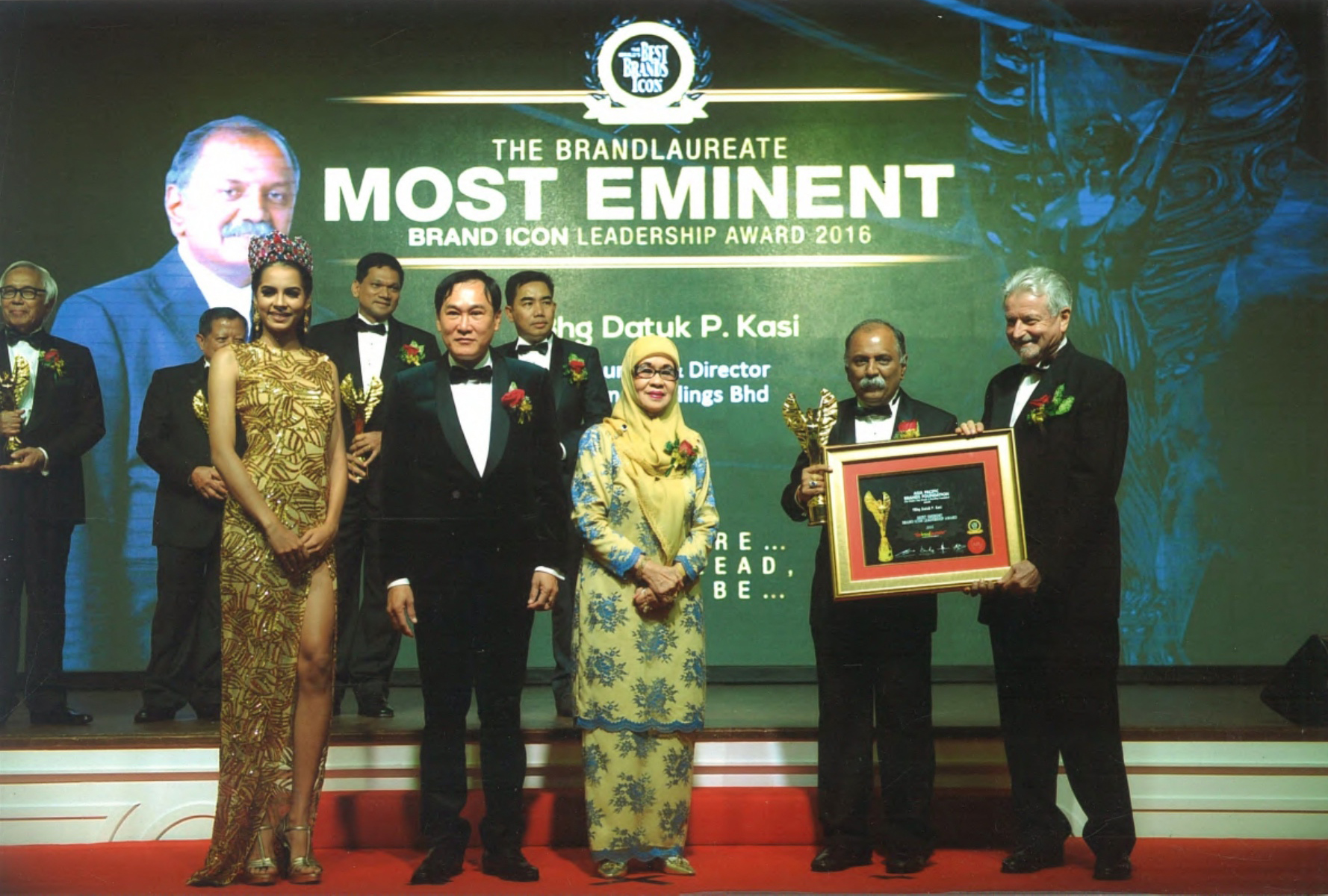
How do you feel being the second recipient of the PAM Kington Loo Medal?
DPK
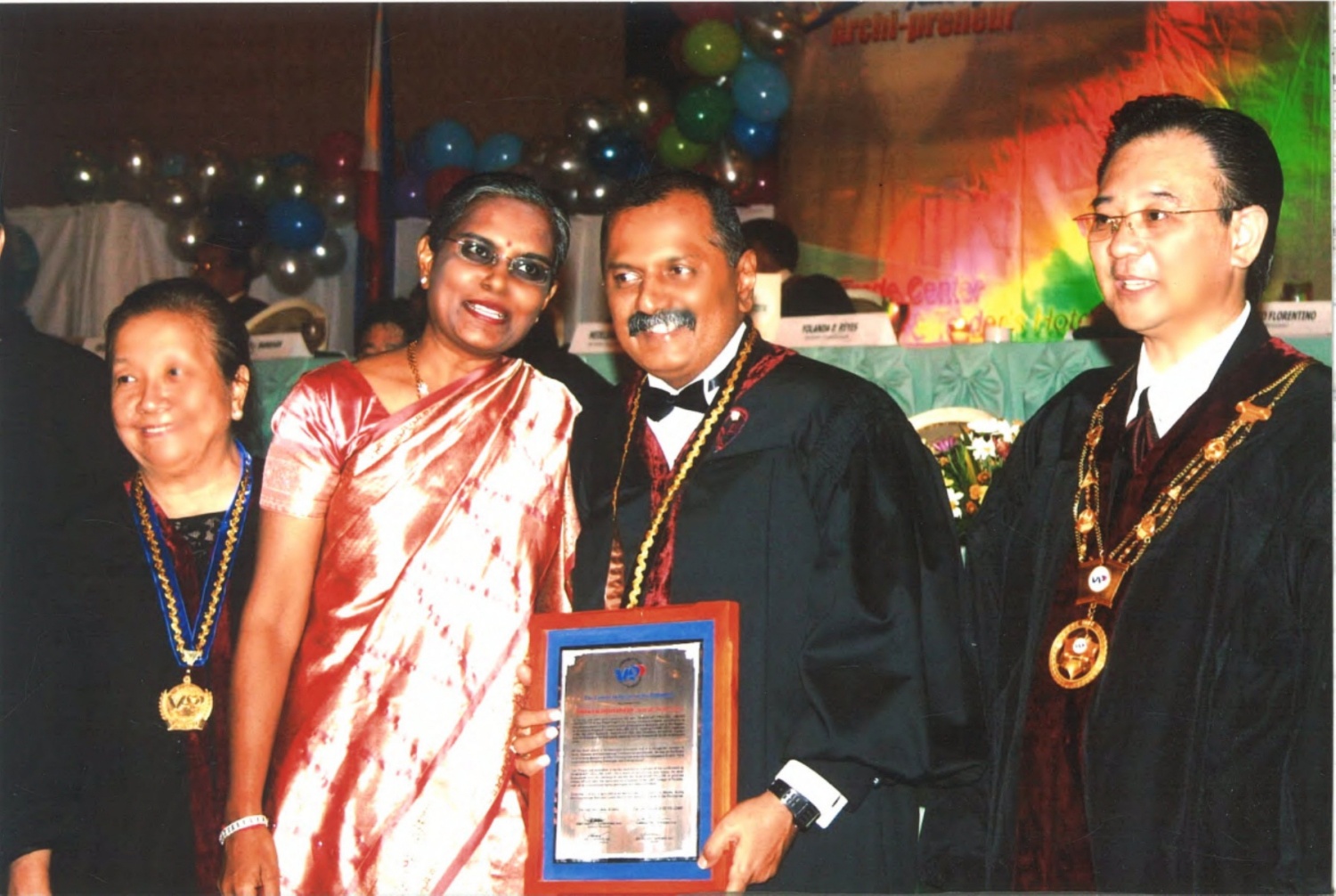
I’m happy that PAM has instituted such an award for service. I’ve worked with Dato’ Kington Loo at PAM, at Lembaga Arkitek, and for many years in Architects Regional Council Asia (ARCASIA) and I have a lot of respect for him and for his dedicated service to PAM and the Profession. I learned to serve PAM and the Profession and I didn’t expect any reward or recognition. I learnt this from my father. He did a lot of voluntary work. He was a teacher but he was also active doing voluntary work in Cooperative Societies, Teachers’ Union, sports activities, and things like that. I learnt from him, by example, that we must serve society and contribute our skills at whatever interests us because there are other people who may not even have had the opportunities we had.
IM
It is interesting that not only are you an architect but you have also established yourself as a co-founder of a major property development group. There is a gaining traction for the idea of architect as a developer and for some, the idea of working as a developer are seen to be more ideal than being an architect. Can you share your experiences and your reflections of being an architect and also a developer?
DPK
While one can be an Architect and a Developer, one has to ensure that there is no conflict in your duties as a Professional Architect particularly where there are third parties involved like house buyers, contractors and bankers. I made it a rule that where I was a developer, I was not the Professional Architect for the project. I made a very clear distinction because I was very active in Lembaga Akitek Malaysia (LAM) and had been involved in investigating several disciplinary cases that came before us. So I made it very clear to myself that where I was a developer, I was not the submitting Professional Architect. It gave us the ability to engage anybody we thought was right for the job.
By nature, I am a serious person. When I take on a job as an Architect, I immerse myself in it and I’m very intense in my work. I don’t cut corners and try to do slipshod things because it doesn’t reflect well on my image. While we did that, we realised that the fees that we got for our work does not commensurate with the amount of sincere work that we did. Some Architects take less fees and do less work, but in my opinion it is does not do justice to the project and the end product.
In the early days, when we were doing work as an Architect, I went through 2 experiences and I’ll share them with you. I was doing a small housing development consisting of terrace houses and single storey shops. We took about 3 years from initiating the project to complete the job. By the time we completed the project I realised that if I had bought one of the shops or two of the terrace houses, I would have made the same amount as my fees. And this repeated again at another project. Had I bought the right unit at that time, I would have made more than my fees for that project. So, I told myself, am I doing the right thing? Where is it that we were able to contribute better and create value? Can we do more concentrated work in lesser projects but create better value for the stakeholders and ourselves in the process.
In another scenario as an Architect, I did a lot of work for a few months for some clients and they go with the drawings to get approval from their board or landowners but they end up doing a poor job and the project is aborted and both lose the opportunity to continue with the project. I realised, I could do a better job to sell that scheme than the person doing it who doesn’t have the conviction or understanding of the project that he was marketing.
Since I got along well with one of my clients and we had great chemistry on projects there was a time when opportunities came our way and we started investing as a start up outside the main companies. Since I was already interested in planning work and had looked at many pieces of land in KL and Selangor DE, I had pieced together information about various pieces of land and the future direction of development, new highways etc. Those days there were very few structure plans and local plans that existed and property information was di$cult to get. In the course of my work, I realised there was an opportunity to develop a part of a plantation land belonging to an organisation that we knew and the new highway was being developed and was passing through the land.
There was potential on that piece of land to do something substantial. So I took the idea to my client and explained to him how we could buy and develop this land and create a major project. We put together seed capital borrowed a lot of money and we bought the land, submitted and obtained land use conversion and got the approval for the first new interchange proposed by a private developer which was originally not on the plan of the North South Highway. That was innovative then. With that, the value of the land completely changed. But due to some internal problems between the shareholders in our company, we didn’t end up developing the land. However it was a noteworthy that we had created substantial value.
We ended up selling the land but from the sale proceeds, we actually received capital for our next project. Using that money, we went on to our second project, third project and started doing more things. It demonstrated to me that, as an Architect, you can create a project where none existed if you can conceive the idea and convince other investors who can complement your skills. With the right group of people, you can achieve more.
To illustrate this process in the training of an Architect, just the other day I was telling somebody, the way our College approached this concept at the entrance exam. They would give you 10 minutes and 3 pictures and you have to create a story out of the 3 pictures. They test your creative ability and comprehension to conceive something from the pictures to create a story. You go through the same process. As an architect, after you’ve done one project, two project, five projects and you’ve fought with several contractors to complete the projects, you get tired of repeating the process. Every other day you attend a meeting, facing similar issues. I found creating projects, creating value and property development more challenging and more rewarding. You keep learning new things about different types of projects. It related back to my final year thesis where you’re thinking outside of the box.
As a 21-year-old student, I was conceiving an autonomous settlement with no grid power supply, no centralised water supply, no centralized sewerage treatment or waste treatment facilities. You start completely from a fresh point of view. You grapple with a lot of issues and you try to find alternative solutions to cater for the basic human needs in a settlement for energy, water, waste disposal, food, transportation and communications. I found this to be interesting. In every new project that we did as a developer, we grappled with a whole host of problems and we try to solve all those problems and then commercially create value out of it and market the end product.
Development entails a lot of risk, and the risk can wipe you financially if things go wrong. You ride the market as it goes up or down. It’s not for everybody. There are many ways to go about property development but this was the way I took. Doing bigger projects, with complex issues, borrowing large sums of money and taking the risks. Other than the fact that it was more rewarding, and creativity started paying, you also start building a body of knowledge that’s very wide. Architecture itself is tough. As a graduate, the day you eventually end up at site you realise, you really don’t know as much as you think you know. Unless you learn about the other trades and how they work together only then you have a broader understanding of the building process. The contractor starts building with the structural drawings not the Architects drawings.
Architects start with the site plan and then do the upper floor plans. The structural engineer starts with the top floor and sees how to transmit that load to the foundation. You need to understand earthworks, piling, drainage etc. Once you have mastered the building process then you can then lead because you have been to design school and have the ability to visualise beyond everyone’s ability to build. One learns how to put the components together and change it when needed to create an aesthetically pleasing building. When you go into development, you get involved in many other areas of the business other than the technical skills like finance, marketing, land matters etc. I had an innate ability from the early days for reading. I spent a lot of time in the libraries. This reading ability allows you to keep on learning at all times expanding your body of knowledge. When you get into development, you have to have knowledge outside of your body of work as a typical Architect.
Opportunities when they present itself and mind you, they do not come on a silver platter. It comes disguised as a problem. Someone comes to you with a piece of land that has a lot of problems, and it’s hard work. Using the body of knowledge that you’ve grown, you have to see where are the opportunities and where it makes sense to create value out of it. Weigh the risk of the project. You work on it intensely and actually the training as an architect helps. During a crit session in college when you present your project, everyone criticises your project. They criticise you because they want you to be sure you have considered all the constrains and weighed the options and best outcomes, and whether you are convinced about what you’re doing and have the conviction to defend your work and rationalise what you’re doing is the right thing. It’s like polishing a diamond.
This ability to do all the hard work, and take in all the criticism and still come back for the next round, enables you to go through all these problems and try to persevere to do something innovative or outstanding. So as an Architect, developer and entrepreneur when you see an opportunity, you have the vision and perseverance to make it a reality. Once you are successful with one or two things, then other opportunities keeps coming.
IM
DPK
Definitely. In my mind, one of my forte over the years was having the ability to acquire good land for development at reasonable prices. As an architect, I’ve always had an eye for good pieces of land. Again, it won’t look good when it comes to you but you have to be able to think what to make out of it and what it could become. It was my ability to spot something early that made me successful as an investor or property developer. When I see something, I’ve always tried to look at its potential. With my interest in planning, it helps me understand the potential of the land, look at the local plans, land use, densities, plot ratios, future connectivity to access roads etc. I was also good with numbers. I used to do all the initial feasibility studies myself and investments came naturally to me because I was good with numbers. These abilities helped me immensely.
I used to be an examiner for the PAM Part 3 Professional Exams in my earlier days. And I’ve been to the PAM Chapters in that capacity or for council meetings. I noticed that the PAM chapters didn’t have proper offices. I knew from business that visibility was important. People did not take you seriously if you do not have a proper office and building in those days. So as PAM President, I initiated a policy for the chapters to buy their own premises and used the bank interest from the proceeds of selling the PAM Property in Jalan Tun Razak prior to the 1997 to 1998 recession to buy properties for the chapters. In the 1997 recession, the Fixed Deposit interest rate given by Financial Institutions went to an unprecedented high of 12 to 14% per annum for a period of time and this helped PAM.
After the recession, at one point, we knew from my private office in the course of considering various properties for purchase, that there was a property for sale at Jalan Stonor and at a PAM meeting, someone also brought up the same property. Then we decided that it would be better for PAM to buy the property. With the development of KLCC nearby, the prices skyrocketed and PAM subsequently sold the property and that was where substantial money came in to help build the building that we have in Bangsar. It has been a long journey with many people involved in the process, all playing their different parts and roles at different times.
IM
DPK
I’ve told you that from young, I have had a hunger for success. What differentiates me in the early days was that I read a lot outside of architecture as well. I’ve learnt that personal development is very important. You develop yourself as a person first. How to deal with people and issues of perception. I was influenced as well by my father. He used to have a row of books in a cupboard in the house. Among it, was Dale Carnegie’s books. He used to be a Dale Carnegie student having attended a course. I was too young to understand those books then. Later as life goes on, there were newer gurus on the market and among the books I read, was the work of Steven Covey who talks about the skills of interdependency and how you have to learn to work with other people. We don’t live on small islands. We have to interact and work with others all the time. We first need to develop our skills.
Not just architecture, but also personal skills. I think the ability to read, to write, to speak, to get along with people with different views, and not have fights and arguments all the time, all these things will help to develop you as a person especially when you’re thrown into projects with many people involved. Even when you are dealing with your client, you have to be sincere and humble. Learn to look at their perspectives as well, not just your views.
Once you have ideas and creativity, you then make the best of opportunities and circumstances. The world keeps changing. Even my involvement in PAM happened after I passed my Part 3 Professional exams. While teaching, I receiving a letter from PAM asking for volunteers for committees. At that time there were very few registered architects who also had an academic background. PAM lacked people in academia in the institute. I was roped into projects and one of the first projects I was involved was the KL Golden Triangle Area Study in 1985. It was a joint urban design study undertaken by PAM, DBKL, Aga Khan Program for Islamic Architecture (MIT, Boston), Ministry of Federal Territory, Institut Teknologi Mara, University Teknologi Malaysia and Urban Development Authority to collaborate on ideas for high density redevelopment of the race course in KL. At that time, the KLCC project was not proposed yet. The project was a high-profile proposal those days and I was the co-chairman for the research team for the project.
As a young Architect, I used to work long hours in PAM and got roped into one project after the other. Subsequently, one day when I was in the meeting at PAM
for the organisation of the Second Asian Congress of Architects (ACA 2), I was told that Architects Regional Council of Asia (ARCASIA) wanted PAM as the hosts for ACA 2 to explore the possibility of holding a Student Jamboree as part of ACA 2 in 1986 and they looked at me and asked me to look into it. I took on the challenge and used my experiences in India during the students conventions that I had participated. I had an idea of what would work and how to go about doing it. I conceived the ideas and worked out the programme which ultimately brought in a few students from each of the 8 or 10 countries. We had a low budget so we approached the director of ITM through the department of Architecture where I was teaching and talked to him and he saw the opportunity for international exposure for the school at ITM to jointly organise this Jamboree with PAM and we were allowed to use all their college resources.
It turned out to be a very successful first ARCASIA Architectural Students Jamboree. The students were very enthusiastic. While only 2 or 3 students came from each of the 8 or 10 countries, the 200 or so local students spent the whole week decorating the courtyard in the faculty and participated and interacted with the foreign students. This then created the model for subsequent ARCASIA Student Jamborees. The ARCASIA Student Jamborees have been going on for 38 years now, every 2 years in different countries and has been very useful for students of Architecture in Asia to travel to various countries, experience different cultures, food, climate, Architecture and history. In fact, last year I was invited to Philippines in 2022 to give the key note address for the ARCASIA Student Jamboree that was held as part of ACA 20 and I could still see the enthusiasm of the students gathered there from a large number of member countries. The important thing was that, at that time 1986, the 3 schools Architecture in Malaysia did not interact much and were more like rivals. This jamboree also brought to ITM local students from the other colleges of Architecture and allowed them to interact and work together. This created bonds between the local students and the local schools and this led to the local schools subsequently organising their own bengkel, and other student activities in various local colleges and it has been a tremendous success for student activities subsequently in Malaysia throughout the years. Everybody experienced the benefits of participating. Instead of saying we met at Harvard or the AA, which only a few could attend, we wanted the future Architects in Asia to say we met at the ARCASIA Students Jamboree.
When I stood for PAM President, it was when I noticed that the problems of the profession were growing. At that time, the Highland Towers had collapsed and just when we were having meetings to find the cause and the solutions for the problems, more structures were collapsing, roads, highway, slopes etc. There were questions raised why Architects and Engineers were needed to submit plans. I had to defend the Profession and PAM against these sentiments. Just because one building fell down, doesn’t mean you don’t require Architects and Engineers. I began to reflect on these issues personally.
I said, the profession needs to change. We are too les affaire. We were drowned in our pretty drawings and talking about design. We were losing touch on the realities of the profession and our practice. So, I decided that year to stand for president. I wrote a letter to members saying why I was standing for presidency and I won. So, I initiated a lot of changes, bringing about the Strategic Plan for PAM. At that point, I had already built up enough knowledge and my confidence having served PAM in various capacities for about 11 years and with my involvement with BIM and Lembaga Arkitek. I felt ready to lead PAM and the Profession into the future.
IM
As PAM President, you have pushed for PAM and the profession to keep up with the times and the practising environment. That was more than 20 years ago. How do you think the profession has aged throughout the last 20 years as compared to before?
DPK
I still say, that as architects in this country, while we are able to build fine buildings like the Merdeka Tower and Twin Towers in the housing area we still see a lot of problems. Leaking roofs and maintenance problems. What is the issue? At the end of the day, we are addressing two or three things. One, we are addressing man’s basic need for shelter. The shelter must be practical, must serve its purpose and must not give its occupants problems. We must get the construction aspects correct, comply with the by-laws, maintaining safety and health and be climatically correct. In PAM and the Profession, while we emphasise a lot on design, that alone doesn’t produce good buildings. You must learn how to build properly, and you must have the core competency to build.
Architecture to me is like a triangle. The star designers that everyone aspires to be are at the very apex of the triangle.
Very few of architects will become the next famous Architect or privileged stars who do well in Practice. The bulk of the Architects need to learn how to build good buildings that serve its purposes, serve the needs of the occupants, the clients and the people who appoint them. We need to emphasise the construction skills and our buildings should be easy to maintain. Architects tend to do flashy drawings but that does not compensate for buildability. As a developer, when your money is at stake and you’ve got to sell that project, we’ve learnt that you’ve got to get it right.
IM
During your opening of the Ninth Asian Congress of Architects in 2000, I really liked the first item in your speech as ARCASIA Chairman, where you mentioned how the world is in a continuous state of change and how as Architects, we can’t fight change but instead we have to learn to deal with change and keep up with the times. I think young architects these days have ditterent types of opportunities available for them however, do you think we have managed to adapt and change with times and what would be your advise for the younger generation?
DPK
I find that people do not adapt to change easily. I talked about personal development earlier. One of the things is to learn to appreciate that change and death are the two inevitable things in life. With change, comes opportunity. If you go back to history, fax machines were introduced in the 1980’s and we found suddenly that you can transmit documents to different locations by fax. Where are fax machines today? The internet and email changed everything. Every change brings new opportunity, and if you ride these new opportunities, you can go very far. There’s plenty of opportunities every now and then if you can only watch and spot them. We need to understand the process of change. We are always frightened of change because we are comfortable with what we have and are afraid of the unknown future. Unless you embrace change you won’t go very far.
We can’t just be pushing more and more design programs on architects. We need more attention to build the individual architect. We need to talk about ethics, integrity, depth of work. You might have pretty drawings, have good perspectives, good presentation material but when you’re assigned to go to the construction site, you may be at a loss if you don’t know what’s inside the Bills of Quantities (BQ). When you’re put on a spot, you are unable to answer a question. What we have to realise is that people trust us with money and the building that is going to be built. Once you mastered the overall process and acquire the basic competency in various aspects, opportunity will come naturally to you.
In the 80’s, we had a conference on marketing for Architects. Well known Architects from the Western world talked about marketing strategies for Architects. The Architect who picked my project while I was a student, AP Kanvinde represented India and was one of the speakers at that conference. He said at the conference, he didn’t need to do any marketing as he has a waiting list of clients. While some talk about marketing strategies, others don’t need them as their work speaks for itself. When he said that, it showed that there are other ways of approaching things. In the 1980’s, due to a shortage of houses people kept on building houses and many of the basic houses while providing shelter it didn’t fulfil the other needs of buyers when the world kept changing. I keep saying, buyers don’t want hardware and don’t want software. They want a solution to their problems. We must understand what buyers want and what they need and these needs are constantly changing.
The way Architectural Practice is prescribed, most Architects enter the consultancy field which is only about 6-8% of the project cost which is the pie most Architects in the country are competing for to make a living. But there is the remaining 92% of the cost of the project. We are not looking at the bulk of the opportunities in the way project cost is spent outside of consultancy in the field of property development, construction and the supply of building materials. Young architects must see this and open their eyes at these opportunities and possibilities in the building and property industry outside pure consultancy work.
IM
DPK
It’s not design done creatively. I’m saying that creativity is more than design. We are taught to think. What we are taught is not the end product. We are taught the design process. The way we are trained, any project, we would say we can do, provided we go through the process. If someone wants to commission you to do a museum, an Architect would say yes he can do it. If he is asked how many museums he has done, don’t be surprised if he has done none. Our confidence comes from the design process of analysing the brief, site analysis, case studies etc. Once we have done ten museums, the eleventh is easier because you’ve been through the process. So, we must understand that we are taught a process. We must process all the issues and constrains that come before us and come out with a solution.
I’ve learnt outside of Architecture there are two ways of doing things. One is to be a generalist and the other is being a specialist. For example, I would consider myself a specialist in housing. But in another area, if I was talking about development, I’m a generalist. Where I’ve made an impact in my own companies and development is when we sit at a table, and you get 10 different specialists and everyone will tell you about their problems and say a certain approach would not work and shoot down a proposal. It can be a proposal on any matter not only projects. You have to understand the problems, comprehend the issues and come out with innovative or creative solutions which you can only do if you’re a generalist. You have to know the basics of each area of work of each of the specialists, understand everybody’s problem and come out with a solution making use of the inputs from these 10 specialists.
I find that this works for me. When you can look at this entire process and understand the various layers where operations is at the bottom and strategy is at the top and the managers in the middle, you have the ability to be able to visualise various parts of the business and how to be innovative. The ability to comprehend and transcend all these different areas and aspects of the business and be creative in different areas is what makes me successful in many projects.
IM
You were PAM president during a significant financial crisis and had made some big decisions for the industry. Recently, the state of our construction industry has been taking major hits as well due to the economy. Reflecting back on those times, would you have done anything different or do you have any advice that you think should be taken from your experience?
DPK
In every phase of my life, there has been a recession. Every 10 or 20 years this happens but the catalyst for a new recession may be something different. In the 1980’s it was a drop in commodity prices, in the 1990’s it was the Asian Financial crisis, in 2000’s it was the Global Financial crisis. When these problems come, changes happen again. Lately we have been attected by Covid and the lockdown, people are working from home, transactions can be done online.
Despite the changes, the basic needs for shelter has not changed. Just the type of shelter. What people want now, post covid is a well-ventilated house and a place to work in the house et cetera. The internet, online transactions, food and goods delivery have changed the way we work and live.
If you went back to Malaysian history in 80’s, there was always a shortage of housing. In the late 90’s, there was no shortage. What’s the ditterence? I used
to talk about the need to live as opposed to want to live’. If you want to buy a loaf of bread and a bottle of milk, you want to drive to some shop house, nip out 5 minutes, pick the bread and the milk then get back home quickly. That’s an everyday need. But if you’re buying designer jeans, you’ll find a mall, you’ll park for a few hours, walk around for a few hours because this was something you want to own, not a daily need. Similarly, housing in the 80’s was basic shelter. In the 90’s, when supply started increasing, people started to choose where to live. More condominiums with sophisticated facilities and gated communities started, the whole system changed.
The architect must understand these changes and be able to deliver shelter to cater to the peoples needs due to the changes. Knowing is not the same as delivering it. I know an architect in Hong Kong who specialises in designing for access to the built environment for people with disability. He has made a name for himself in that area in Asia. There’s enough work for specialists in various areas. I don’t lack the ideas for improvement in the industry, as we age we lack the energy and hunger of the younger days. With a young team of enthusiastic people I believe that is still room to lead a lot of change and capitalize on the opportunities that are available but many want the easy way out.
The industry has a lot of people with knowledge of what to do, but they don’t have power to implement it. There are also a lot of people with the power but not
enough knowledge to support them. These two groups need to work with one another and make it happen. These are the things we need to learn to do. The ability to work together with all groups, have long term goals and aim for the simple things that we can do; the low hanging fruits. Keep talking to Architects, others in the building and construction industry and the public. Engage on non-design topics.
When I was involved in the Aga Khan project, one of the MIT professors used to tell our students, he said ‘you Malaysian Students are so good at drawing but you have to learn how to draw with your left hand and think more.’ That is what we need to do, think more and be creative in all areas of work in the building and construction industry and not just design and drawings. That way we can be more responsive to the changing environment and keep leading the building industry creatively.
IM
Seeing your involvement in spearheading the likes of Building Industry Presidents Council (BIPC), Balai Ikhtisas Malaysia (BIM) and many more, may I ask, how do you find these sort of opportunities? What sparks your passion in pushing for the development of these ideas?
DPK
I was already in PAM Council and PAM was looking at cost cutting measures after the 1985 recession and they wondered, why are we in BIM paying subscription every year. Then someone else in council said we are founder members and we should become more active. Those days, you found that while the Professional institutes had grown individually, we didn’t have an interdisciplinary platform, to talk to one another. Professionals took out their grouses in the newspapers and each profession will talk about the problems and complain about another Profession encroaching on their work and it was not healthy. We realised that BIM was one of the interdisciplinary Professional bodies that could serve as a platform for cooperation between Professions particularly in the building industry.
After serving for many years on the Board, Exco and as Hon Secretary, I became chairman of BIM at the very young age of 36. I implemented many changes in BIM. One of it was that we initiated the organisation of different professions into groups, such as construction or healthcare. As an industry group we can discuss and work together in areas of common interest. In addition to a shop house in Damansara Utama, BIM at that time owned a piece of commercial land in Bandar Tun Razak for which the payment of quit rent alone took up 20% of our annual budget. Previous Chairman explored the idea of building a club for professionals on that land although we did not have the funds for building one. When I became chairman, I had the vision to put out a public notice inviting developers to develop the land on a joint venture basis, to build a building for BIM in return which has since helped generate rental income for BIM. The important thing is we advocated cooperation, not conflict among professionals.
I was at a conference and a young professional asked, why do we need a code of ethics. He didn’t even understand the basic principle of being a professional.
Being a professional, we are the only ones who actually prescribe our scope of work and our fee for it. Not the other way round. We have a code of ethics and we are supposed to follow certain rules and be impartial in certain matters. For many years, Contractors were not regulated. PAM was among the groups that persuaded the government to form CIDB. Then we realised that the Institutes were not represented on the Board of CIDB. Various individuals were appointed. So institutes did not directly have a say in CIDB.
So during my time as presidency, PAM started the Building Industry President Council (BIPC), where all the Presidents of the Building Industry get together and have a forum to discuss issues of common interest and to take action as an industry group including making representations to the government. And this is how BIPC was started as an informal group with the hosts rotating among its members. Later it was formally structured and I was elected as the inaugural Chairman for a couple of years. We also linked it with the Building Industry dinner that PAM was organising for many years previously. BIPC has become a good pla%orm for about 25 years now and till today is still relevant.

IM
Your contribution is not limited to only Malaysia but extends internationally as well. The ARCASIA Student Jamboree which you introduced has allowed students to go abroad, share their ideas and expose to Architecture in the region. It seems like you have an affinity for bridging different people together. How do you approach people from various places with different views and skillsets and make them work for the same cause?
DPK
At the end of the day, it is about being human. If you’re human, and down to earth and you don’t flaunt your position, power and money, everyone wants to be friendly. You meet people, you introduce yourself and you start a conversation and interact sincerely with people, VIPs or students, respecting everyone as human beings. Through ARCASIA in most of the 21 member countries, we have friends. Even now with WhatsApp groups, we wish each other happy birthday and wish one another on other occasions. This gives one the ability to get to know and bond with people from different countries and cultures for a common cause to promote Architecture and cooperate and learn best practices from one another. You set a network to get to know one another and everybody is friendly.
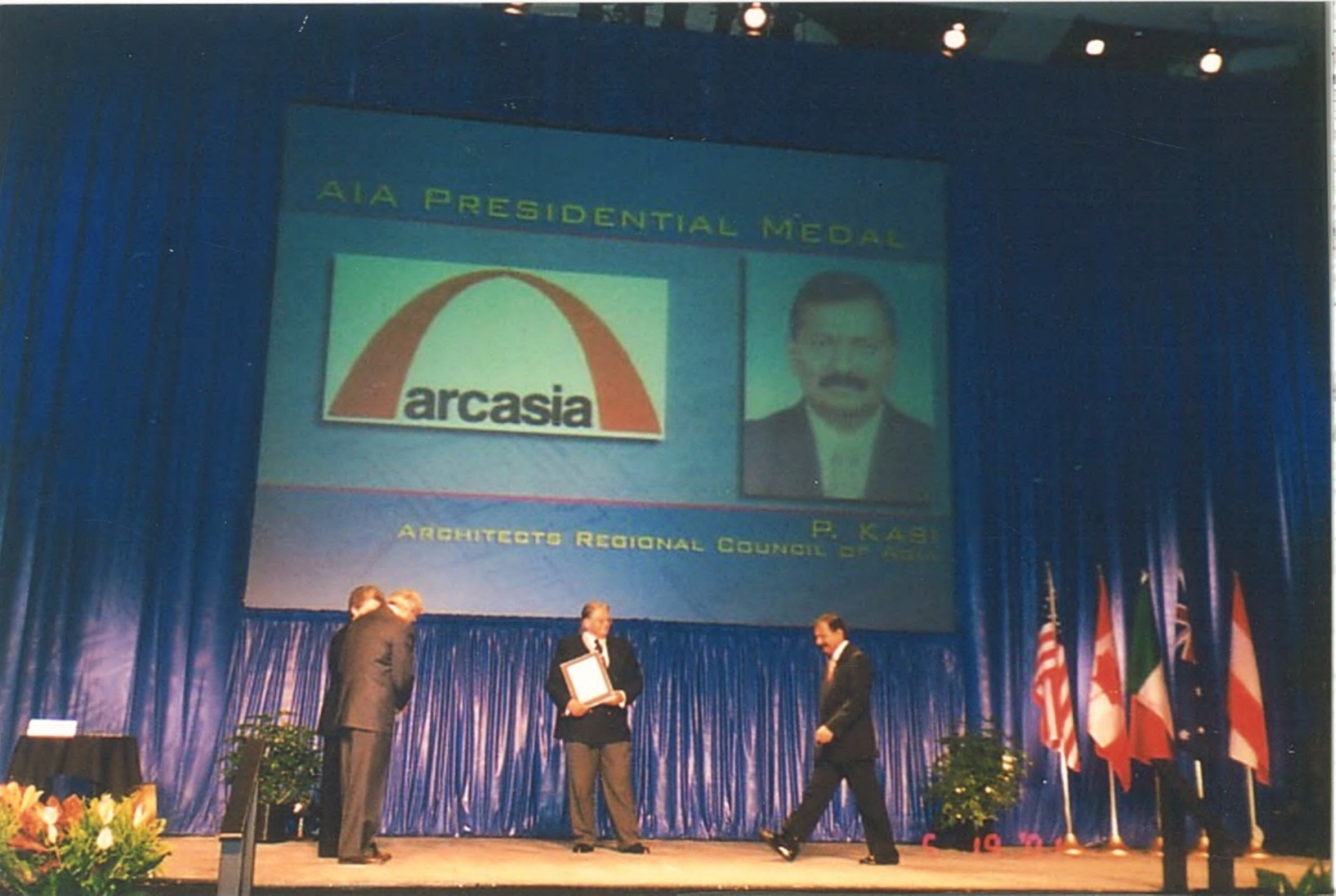
When I was ARCASIA chairman, I was invited to attend and grace major conferences in member countries and attend the International Union of Architects (UIA) meetings. I took the trouble to travel mostly at my expense all over the world to attend these meetings. And when you travel the world, you experience a different perspective that the whole world doesn’t speak English. In fact, when I attended the UIA Congress in Beijing, they had simultaneous translation in 5 languages English, French, Russian, Spanish and Mandarin. You discuss matters and learn from one another despite limitations in language.
PAM has always been a leader in international affairs. We’ve had more number of ARCASIA Chairman than any other member country. PAM has been well structured in the early years and Past Presidents have been good role models. We benefit from the fact that we are an English-speaking country, easy to travel to and have a good climate all year around. We come from different cultures and races; we find it easy to mix with others. This has allowed us to be active in international relations.
I keep telling students in my lectures. You cannot be a katak di bawah tempurung (a frog under a coconut shell who thinks that is the world) You need exposure. Only when you travel, then you realise ‘hey, this is not the world that I thought I knew’. For 18 consecutive years I attended ARCASIA meetings in one capacity or the other. When I became the chairman, I made it a point that when I got an invitation to go to a member country, I went to speak at their conferences, supported their activities, participated in their meetings and this helped build our rapport with the other countries.
IM
You have always looked towards the future. In 2024, what do you think should we look towards for the future progression of our profession as Architects.
DPK
There’s plenty. I keep telling people, where ever I travel, whenever I walk around, I see opportunities because I’ve been trained creatively to look at everything. As I am getting on in age, I do not have the same energy and outlook that I used to have 40 years ago. I keep saying, if I have a bunch of young people who are motivated to do something and willing to do the hard work, I am willing to offer advice and guidance on what to do and how to improve things. There’s already a legacy of things I’ve initiated and done that has benefitted society and as Architects there’s always a lot more that we can do, not less. Opportunities are always increasing as years go by as changes take place more frequently in more volatile world.
Perception and personal development that I keep talking about are very important matters which takes years to understand. Two people can look at the same thing and perceive it differently. You can go talk to a guy and if he’s doing a particular job, you ask him anything outside his work scope he would probably say it’s not his area of work, he doesn’t know. We shouldn’t take that approach. We should try to know a little more about everything that comes our way and learn about it and to contribute to improve the world with our small contribution. If everyone has this mindset the world would be a better place to live in. The opportunities are not less, only more.
It starts with the basic needs of shelter, how to build that shelter and how to serve the needs of the public. The methodology you go about it might be different from time to time. Today we talk about printed buildings, or a building coming up in 3 days, but it’s still shelter. It’s the method of procurement which is changing. I find that a good architect and a good engineer are worth a huge amount of money. It’s hard to find someone who is actually good, who do work sincerely and deliver what is expected of them, who cooperates and who stops arguing with you all the time. And if the person is sincere and good, it saves a lot of your work. If you get somebody who is not so good, then you waste a lot of your resources correcting things.
I keep giving this lecture on trust to my own staff. People give you work because people trust you. The two things about trust first is competence. If I have a driver who is honest but keeps hitting the car every other day, I would not trust him. Secondly, you have to be honest. If I give him 100 ringgit to put petrol, he must fill 100 ringgit of petrol and not 90 dollars and bring me a receipt for 100 ringgit. You need to be both honest and competent. Then only somebody will trust you. Just because you’re a great designer, don’t think people will come knocking on your doors all the time.
This reminds me of the time I was at Sydney Opera House with the UIA Council Members, and we were shown the back rooms also as part of a special site visit.
They told us that the Sydney Opera House was actually a UIA competition in 1956. The jurors went through the entries, and Danish Architect Jorn Utzon’s design was initially actually discarded. One of the jurors saw it in the discarded pile and picked it up and said what a good idea it was. Now if you look at Australia, the two icons that they are known for are the kangaroo and the Sydney Opera House. Now imagine Australia without the Sydney Opera House. So you see, that was the seed of an idea. Jorn Utzon never finished the building, he spent years on the building and walked off the job towards the end when he would not agree on several things. The building became a huge success and the government invited him back. This is what Architecture is all about. Ideas that can transform a country.
IM
I think many when seeing the list of your contributions will wonder, how did you do it? Can you share us some tips for the successes you have achieved?
DPK
I have a strong believe in god and I believe in fate. Some directions I’ve taken I’ve never anticipated it. Sometimes we were pushed into it. When you didn’t plan to do something, sometimes life pushes you in a certain direction. Some were planned and some were not planned. Make the best of what life dishes you. For example, when we listed our property companies, those things were planned. Some things were not planned. Some projects just came about and nobody wanted it because it was hard work. Nobody took it up. We made something out of it, conceiving projects where none existed, just like what I explained about the jamboree. When I’ve charted and documented what I’ve achieved over the years, sometimes I’ve wondered as well myself, how did I manage to do all these things. Particularly at those times when there was no internet, no email. It was a lot of hard work. I sincerely believe I had God’s blessings and he pushed me with challenges, trials and tribulations to achieve many things in life that were not planned. There were also some planned projects that did not happen due to various reasons. We have to take it all in our stride.
IM
Lastly, I think I really want to ask something that will resonate with a lot of people having been in the industry for so long. What is “architecture” to you?
DPK
As I have said before, architecture starts with the basic need for shelter. It has to be practical and functional first and we then as Architects have to use our creative thinking to provide an aesthetically pleasing building with design and colour. There is no point having pretty buildings that do not work
or have maintenance issues. Architects can only be the leader of the building team once they become competent, trust worthy and have the design, ability, creativity and vision. To do so, you have to broaden your body of knowledge and become equally competent as the other members of the building team. One can only lead if one has sufficient knowledge and be able to work with others.