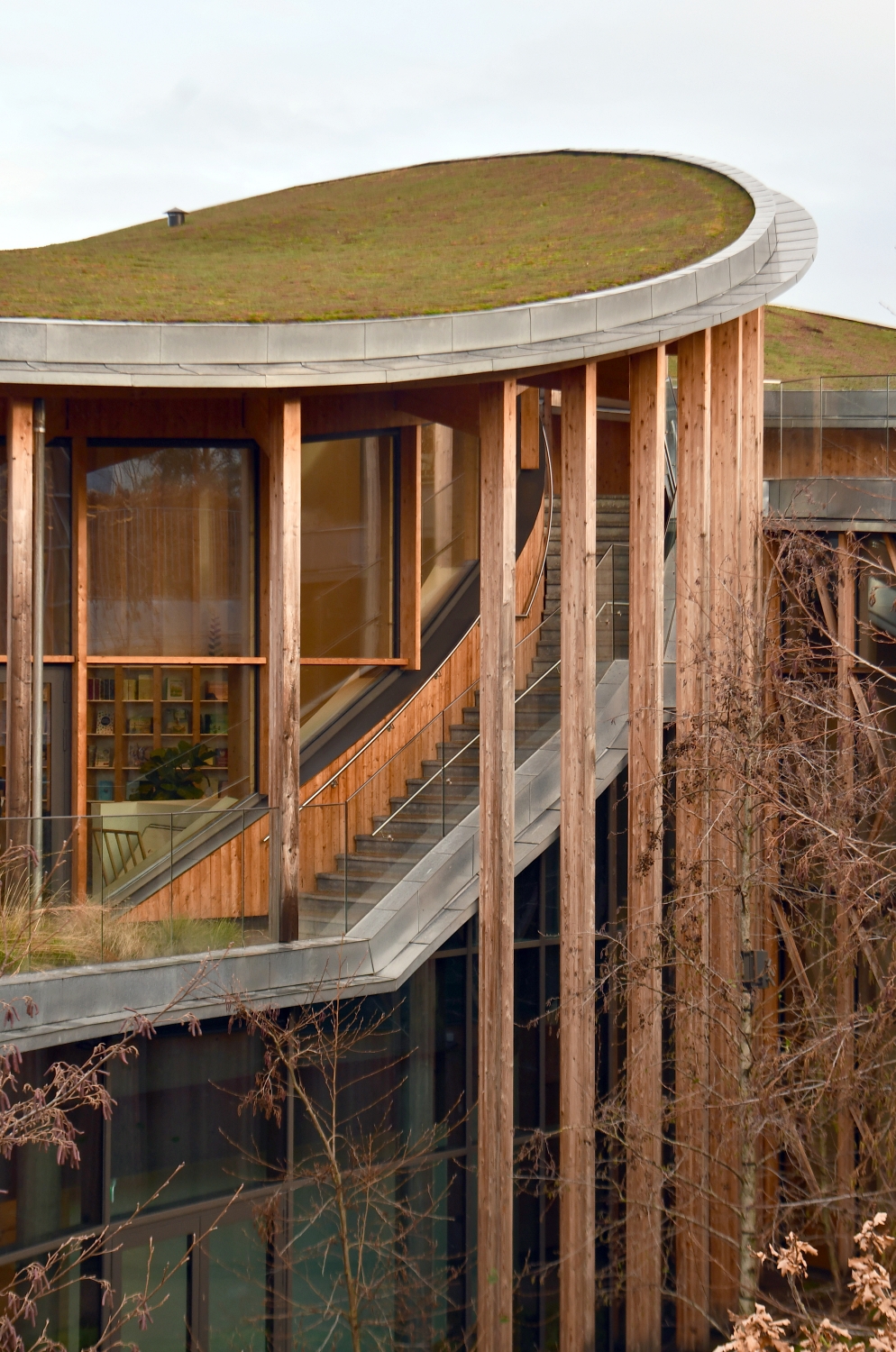
Embracing the view of
Denmark and Malmö on a people scale during the golden hours of the day.
Text and Photograph
by Ar. Kylie Shiak
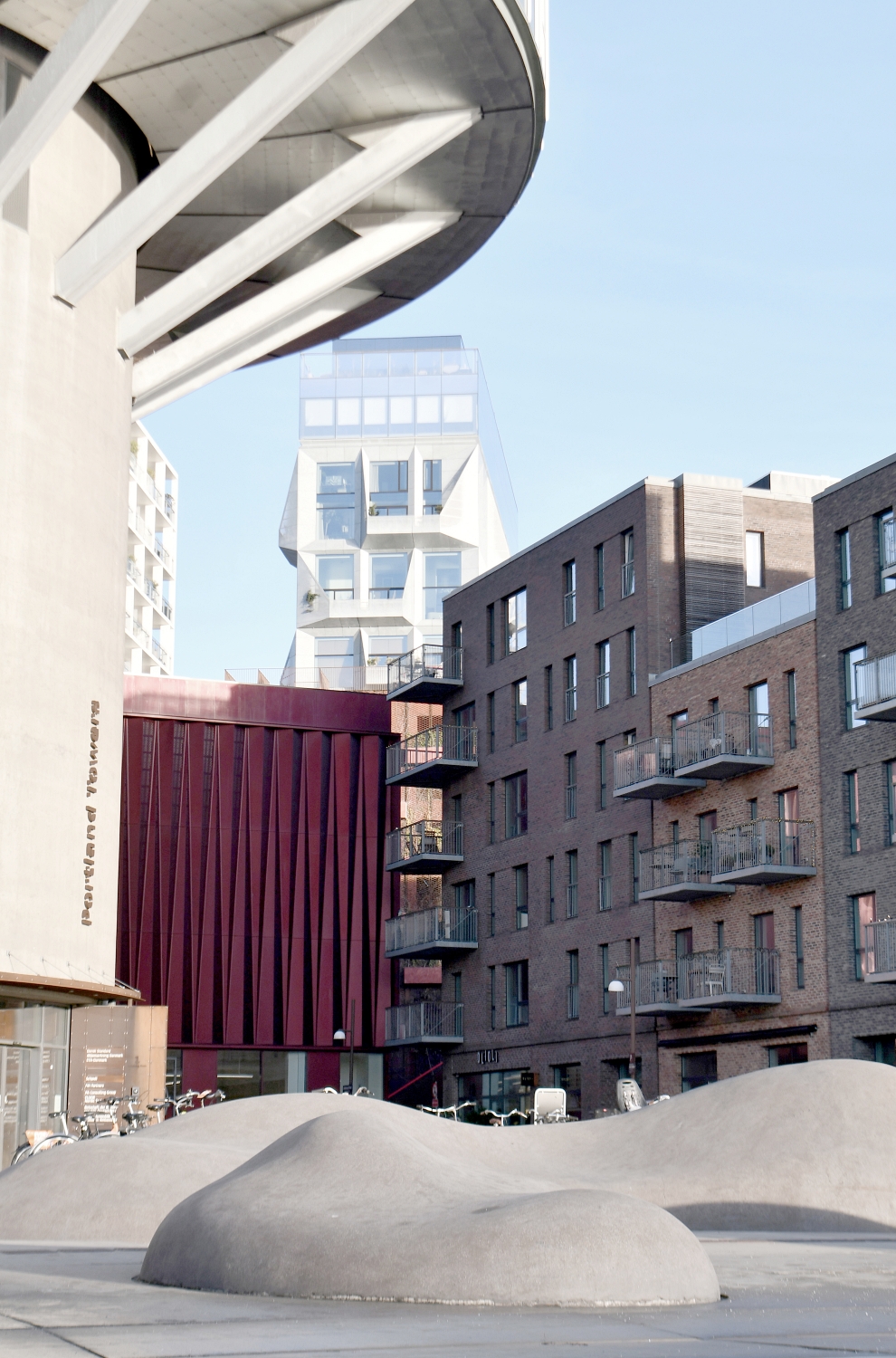
Göteborg Plads at Århusgadekvarteret, Nordhavn where a once deserted square had been reactivated by allowing full access from the public. A square that embraced a silo from 1979 now known as Portland Towers sits among the new building seamlessly
“First life, then spaces, then buildings – the other way around never works.” – Jan Gehl (Danish Architect)
In this current timeline of the Informative age, where buildings are still very much seen as objects or iconic sculptures in an urban fabric intertwined with car invasion, ob servable livable cities as spaces for people seem minuscule in quantity. As such, many spaces in between buildings are spaces either leftover, massive in scale, have no connection with the buildings they surround or are even deserted with a lack of humanistic touch, making a city neither livable nor sustainable. It is a progressive, modern city with a poor quality of life for the people.
Though modern urban planning is generally viewed from above on the scale of a city plan and site plan, an ideal city urban planning has in gredients influenced by the people’s landscapes through a pedestrian’s experience – the city at eyelevel view and as Jan Gehl asserts, best measured at moving speed of 5km/h.
In Denmark, since its imple mentation in 1962, peoplefirst policies have gradually restored peopleplace approaches from city planning based on trafficplace approaches influenced by modern ism. These peoplefirst policies had guided Copenhagen to adopt strate gies that geared them into creating ingredients such as pedestrianised typed streets and squares.
Safe pedestrian paths, bicycle lanes with a complete citywide cycling network, linked bridges, and adequately expanding public transport, including the Metro systems not only encouraged the Danes to opt for a healthy mode of getting around the city but also in return gave residents themselves and the city better quality wellbeing conditions.
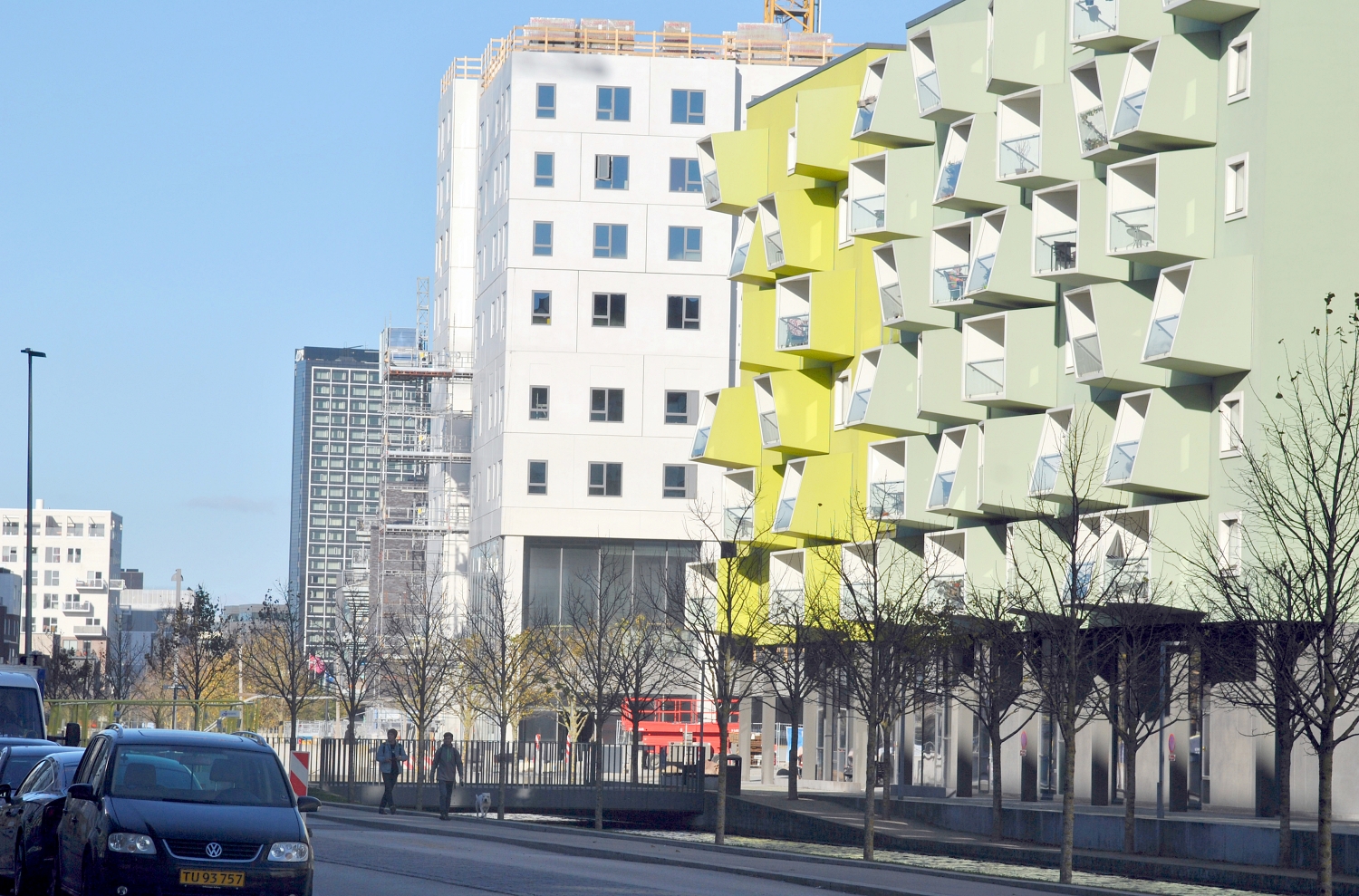
Ørestad Care Centre, a housing for the elderly by JJW Architects. Aside from its fresh-coloured characteristic facade, the broad walkway with small canals allowed a buffer to be placed from the car lanes
“Placemaking is turning physical public spaces into places that support human interaction, economic exchange and well-being.” – Fred Kent & Kathy Madden (Place makers)
Pedestrianised spaces designed for diversity, inclusion and equality amplified with sensory play, such as the sound from a street busker or the smell of freshly made bake on a winter morning, will create ideal invitations for various people activities. Furthermore, it is a
bonus if these spaces are catered for activation all year round.
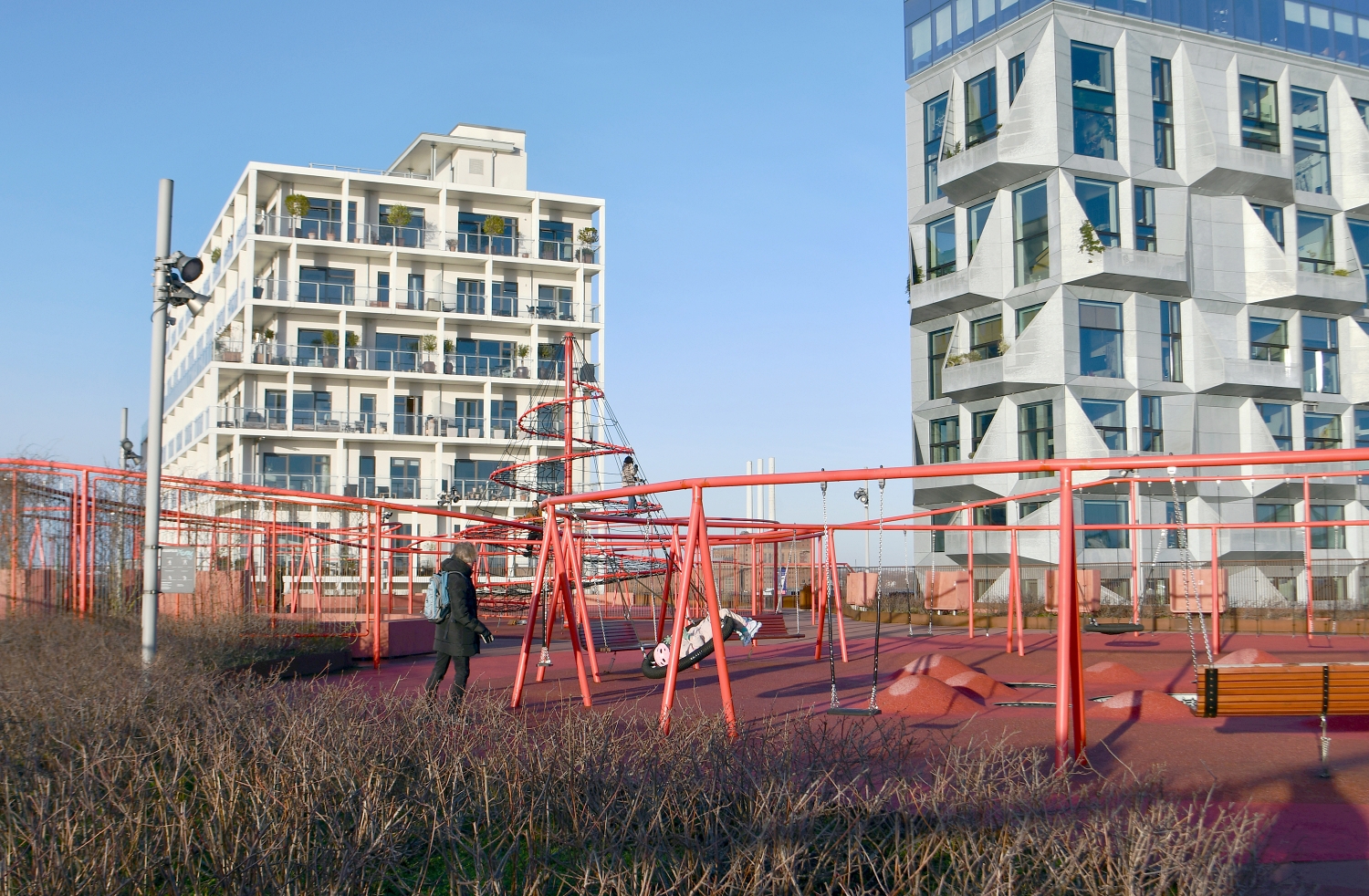
Harbour baths along the harbour plads (squares) canal at mixed-developments whereby Danish go to have a bath or a swim at any time of the day due to its proximity and also of at any climate, even during the cold winter months is a form of ideal invitation. Another form of the invite is a 24metrehigh building with stairs at its perimeter leading to an outdoor public activity park-rooftop installed with playgym equipment. An activated rooftop that allowed Denmark to be layered with stacked ground levels, offering more spaces of invitation within its radius.
Other spaces like the Tivoli Gardens (Copenhagen), interactive spaces within the internal zones and external zones of the Lego House (Billund), and the new exten sion of the Hans Christian Andersen Museum (Odense) just to name a few, though require payment to enter, are spaces that not only became a destination for people to meet for both the locals and tourists but also a hub that sparks curiosity and discovery of local culture and art of the towns and cities.
Konditaget Lüders aka. “Park ‘n’ play” by JAJA Architects. A hybrid structure that is 24m above ground level, crosses between a parking house and a playground
“The interplay between Form (Buildings) and life is architecture.” – Jan Gehl (Danish Architect)
The opportunities to do nothing but mostly people-watching and experiencing architecture last year December during my travels to Copenhagen and a glimpse of Malmö old city centre (not stalking in any weird manner or whatsoever, seriously) either over a good coffee through the window of a cafe bakery, on the streets at the edge of a building waiting for the bus experiencing the ‘edge-effect’ or before crossing the car lanes was truly experiential. To have firsthand experience on the ground level of the applied strategies of people-place showed what makes a good environment for people and the kind of cities people should live in.
That leaves us all regardless of profession, to ponder and dwell upon “How do built forms influence the life of people and what is the balance marker between people and shared spaces either within a building or outside a building?” while embracing the old built in an ever-progressive modern city for the coming decades.
“Think BIG, but always remember to make people places small.” – Jan Gehl
As highlighted by Jan Gehl during his talk at the UIA World Congress of Architecture last year 2023 July, a change of mindset to improve the quality of the people is the key. This matter had never been this urgent which makes every day an opportunity to be the starting point to redirect the unsustainable mindset of modern man.
Our humble actions determine our humble futures.
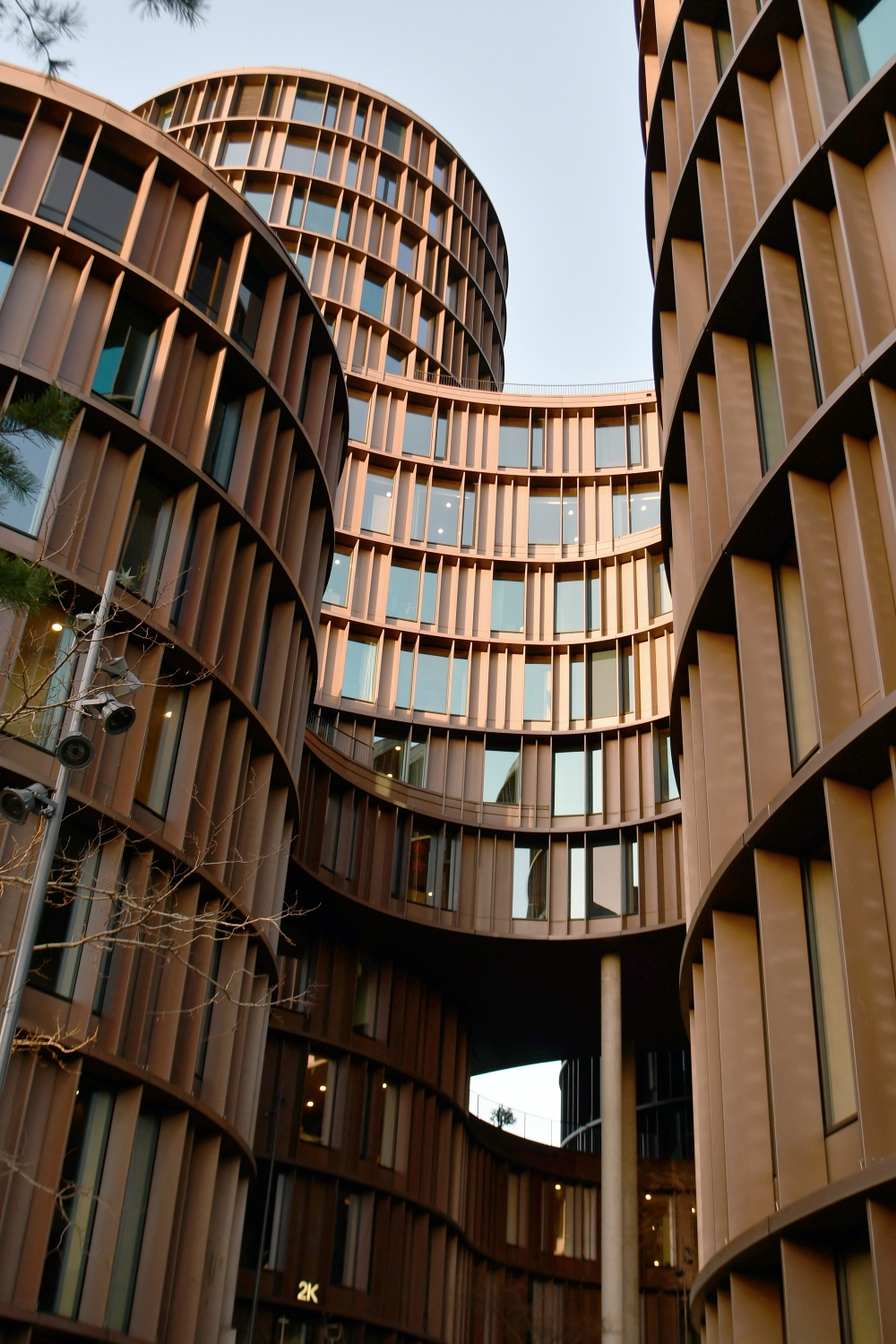
Axel Towers by Lundgaard & Tranberg Architects. Curvature lines triggered an addictive invite for the curious passerby to choose to stop and explore the elevated public inner square
The sequence of intertwined spaces at Hans Christian Andersen Museum allows visitors to find themselves between the indoors and outdoors as the walls appear and disappear leaving no trace as it coexists with its context. A space that invites and offers visitors a new public space while connecting the old and new parts of the city