It was recorded that October 2023 was the hottest month globally, reaching 1.7 Celsius warmer than an estimated October average for the preindustrial era (1750-1850). The temperature in 2023 was unprecedented in human history and was the warmest in more than 100,000 years.
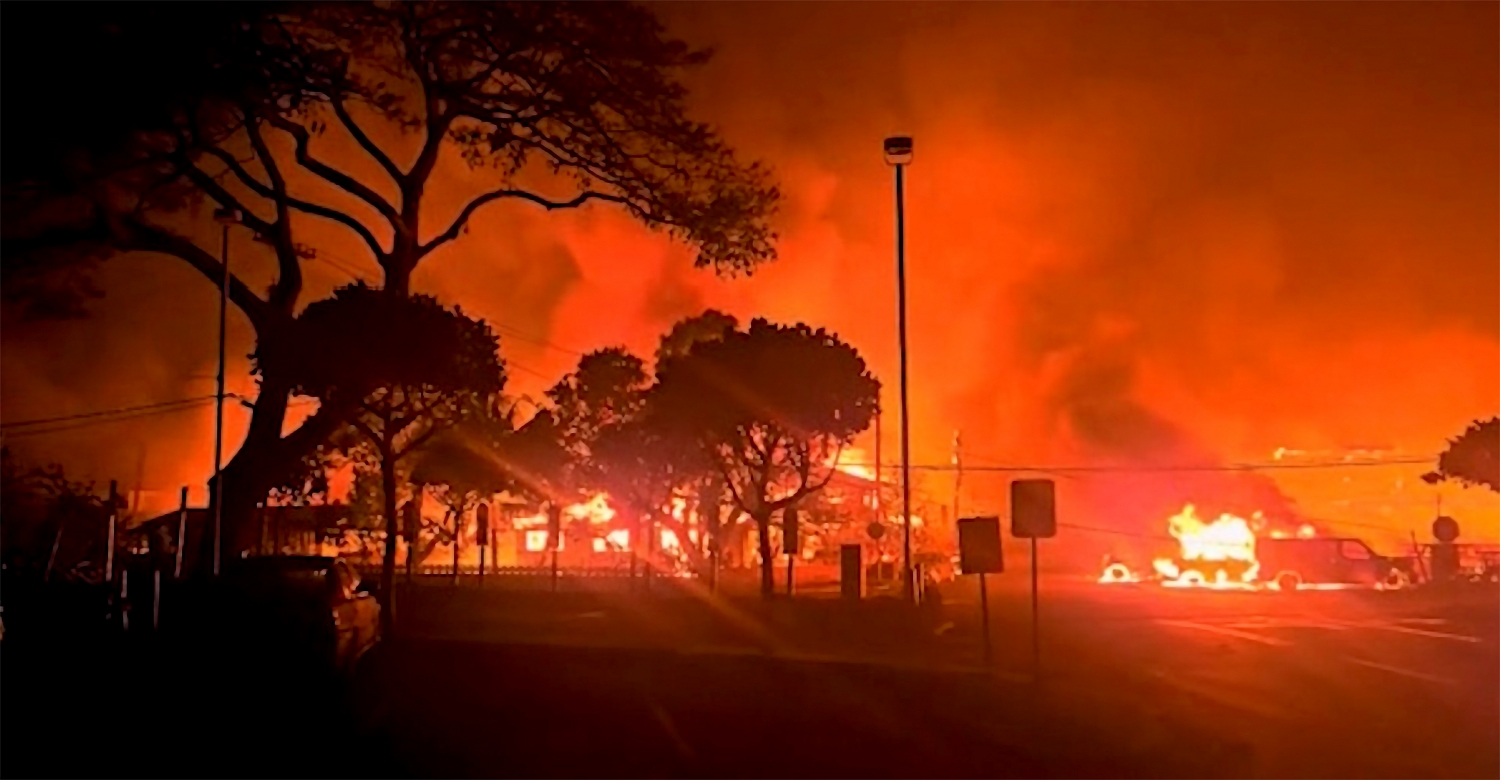
In July, the southeastern corner of Iran went through drought, leading to water cuts in Tehran. Water disputes inflamed tensions with neighbouring Türkiye and Afghanistan. The US and Mexico also experienced drought in October; wetter than normal conditions prevailed in other parts of the world, leading to storms and cyclones. Wildfire swept across parts of Maui on August 8 and killed at least 97 people, one of Hawaii’s deadliest disasters. An early estimate projects that 5.5 billion US dollars will be needed to repair damaged areas in West Maui and revive the economy of a tourism-dependent island. Invasive grasses had led the islands to be increasingly susceptible to wildfires. Climate conditions in Hawaii are hotter and drier in some seasons, allowing wildfires to spread more quickly, says a climatologist. Over 10-15 years, intense sun rays have also caused Alpine glaciers to melt and retreat. Oceans also absorb excess carbon dioxide from the atmosphere, and acidification affects marine ecosystems. If the oceans become too hot for corals to live, they die. The world’s oceans have absorbed 90% of the additional heat unleashed by humans burning fossil fuels and razing forests. It is not surprising that 44% of global areas are affected by heat waves.
Closer to home in the Klang Valley in December 2021, slope failures and flash floods caused by three days of continuous rainfall in Selangor brought much loss of lives and property. Haze in 1997 throughout Malaysia, Singapore, and Indonesia caused much air pollution, posing health risks and severe impact on the economy of ASEAN nations. Haze is caused by open burning in plantations, small holdings and massive peatland fires during hot and dry seasons. The El-Nino phenomenon consequently worsened the haze conditions during the prolonged dry season in Southeast Asia, which returned in October 2023.
I quote an extract from my paper presented at the National Conference on Sustainability Malaysia (SM2005) PWTC Kuala Lumpur (6-8 June 2005)
“Only half a century, yet we already lost a fair measure of Ourselves. Our beautiful countryside, mountains, rivers, corals and ocean. Our Indigenous People, forest, animals and fishes. Our pristine air, clear skies and predictable rain. Our beautiful built heritage, memories of our youth and ancestors. We are at a crossroads.”
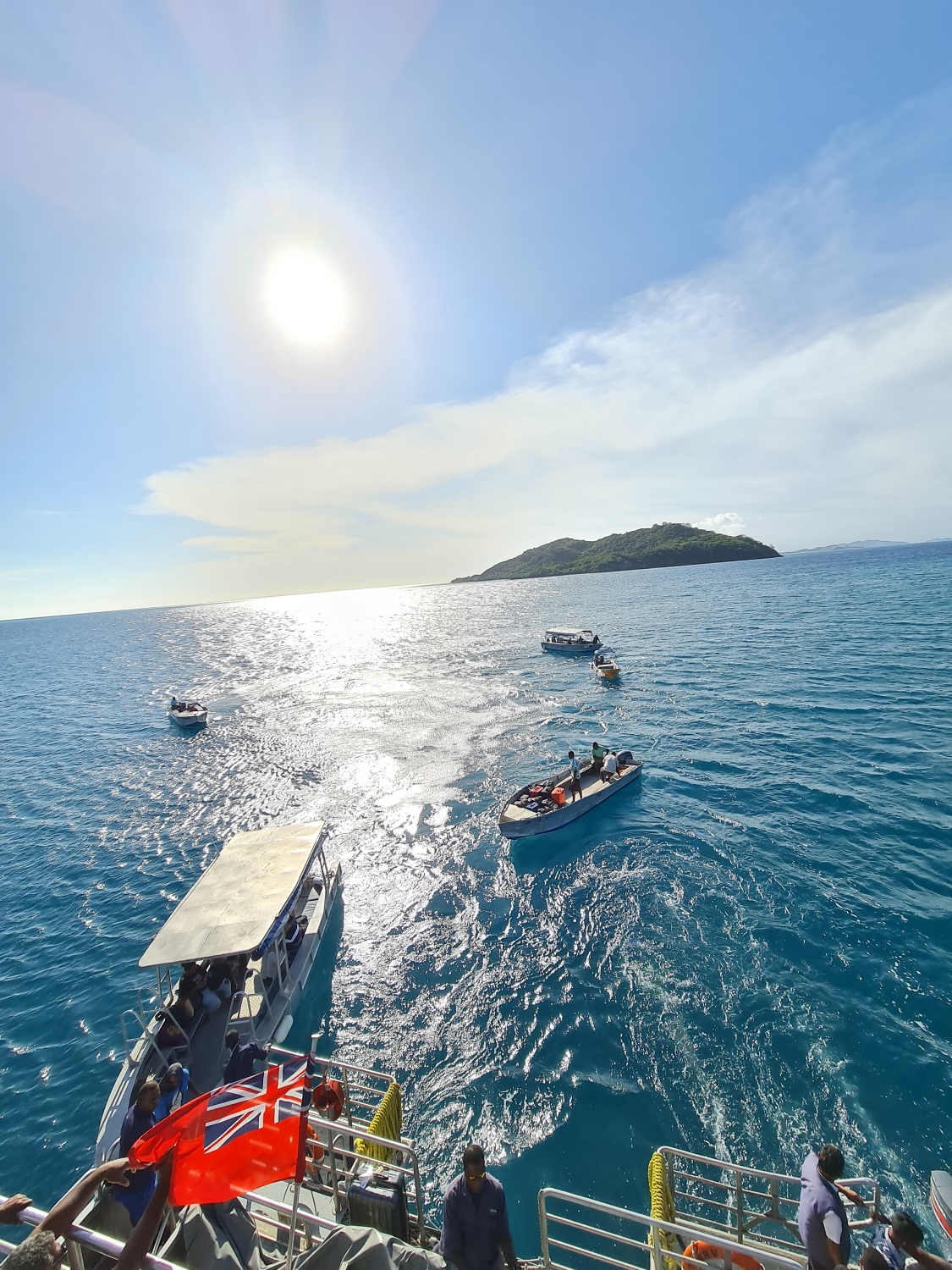
1.To emphasise placing cultural know ledge, cultural sovereignty, and land rights at the core of climate mitigation and adaptation by ensuring indigenous representation in decision-making.
2.It highlights the importance of preser ving cultural knowledge and indigenous languages as essential resources for addressing climate change.
3.Recognises the protection of its indigenous languages as a knowledge resource.
4.It supports Indigenous people in sharing their knowledge and expertise with a wider community to mainstream their environmental understanding and shift the decision-making towards healing of the land and sea country.
5.Empowering both indigenous and non-indigenous youth to respect and preserve cultural knowledge is deemed crucial for future leadership.
6.To develop co-designed systems for managing land and sea to prioritise rege nerative social, environmental, cultural and benefits for the whole community against only benefit to sectors of the community.
7.Promoting responsibility in reducing carbon footprint among strong indigenous-led coalitions.
8.Emphasizes retaining marine territories with customary/ traditional owners despite coastal recession or loss of island landform.
This statement underscores the need for legislative protection of indigenous rights by national governments. It calls for collective efforts from Countries to develop a declaration on the rights of Mother Earth, aligning with existing human rights and indigenous rights declarations. The United Nations is urged to integrate the protection of cultural knowledge and indigenous-led solutions into the review of Sustainable Development Goals, with clear targets by the 2024 World Urban Forum. All sectors are advised to align economic principles and practices with environmental care, to strengthen the environment and cultural resilience.
Governments are urged to redirect funds from fossil fuel investments to climate mitigation, adaptation, and compensation for loss and damages. Investments in climate change should benefit indigenous rights, and should also be involved in legal actions related to climate responsibilities. International agencies are called to fund climate action based on problem-solving rather than a response to predefined objectives. Lastly, the scientific community is encouraged to engage in research partnerships with indigenous communities, respecting shared knowledge through informed prior consent for effective climate action.
In expressing gratitude, EAROPH recognizes and pays respect to the Traditional Owners and Custodians of the land where their event was hosted. Specifically, they acknowledge the Djabugay Nations, including Djabugay, Yirrikandji, Bulwai, Nyakali, and Guluy People, as well as the Gimuy Wallaburra Yidinji People at the Seville Centre location. EAROPH honours the cultural knowledge systems of the custodians, as keepers of the Land, Sea, Air, and Waterways and acknowledges that sovereignty was never ceded.
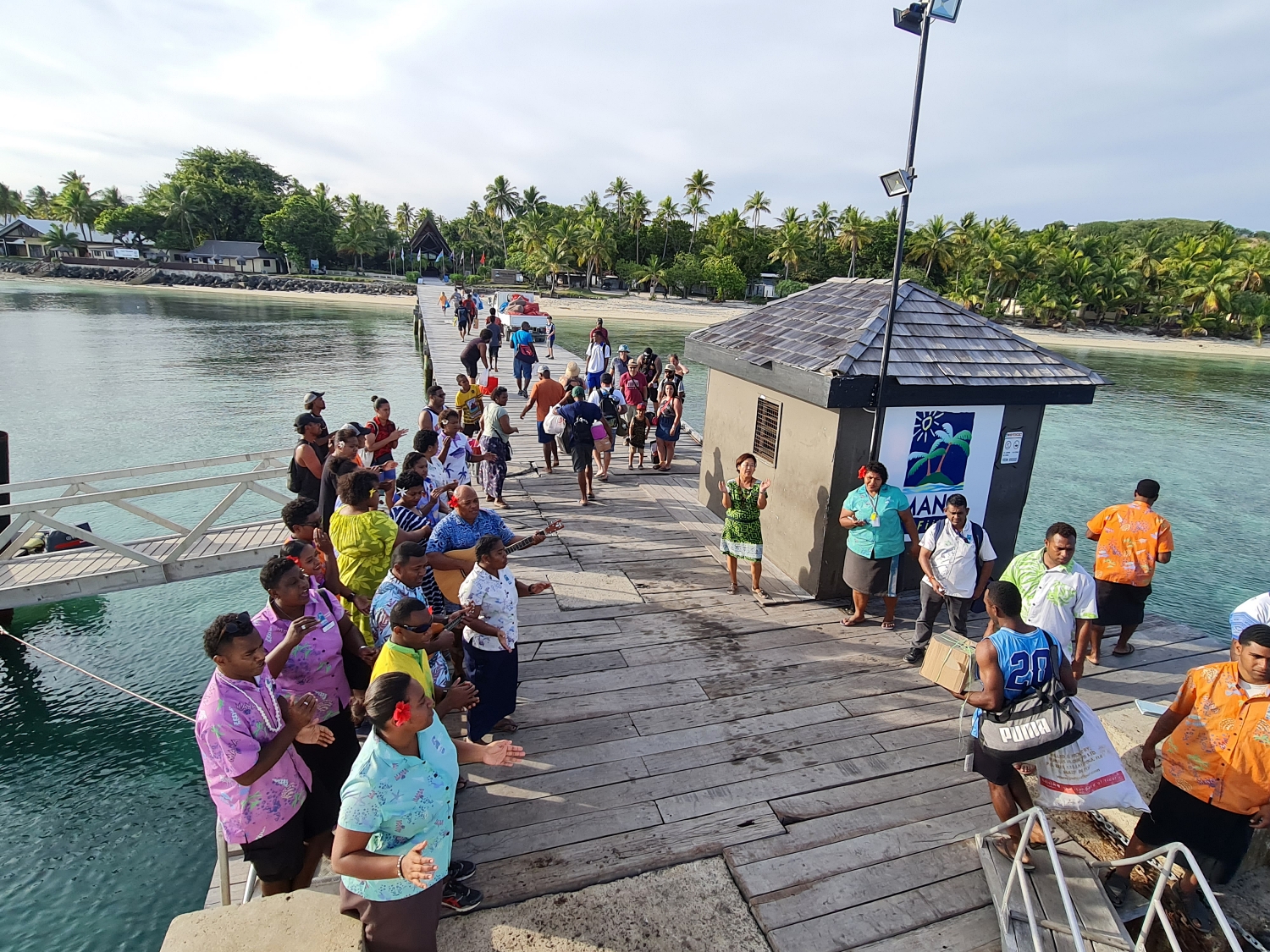
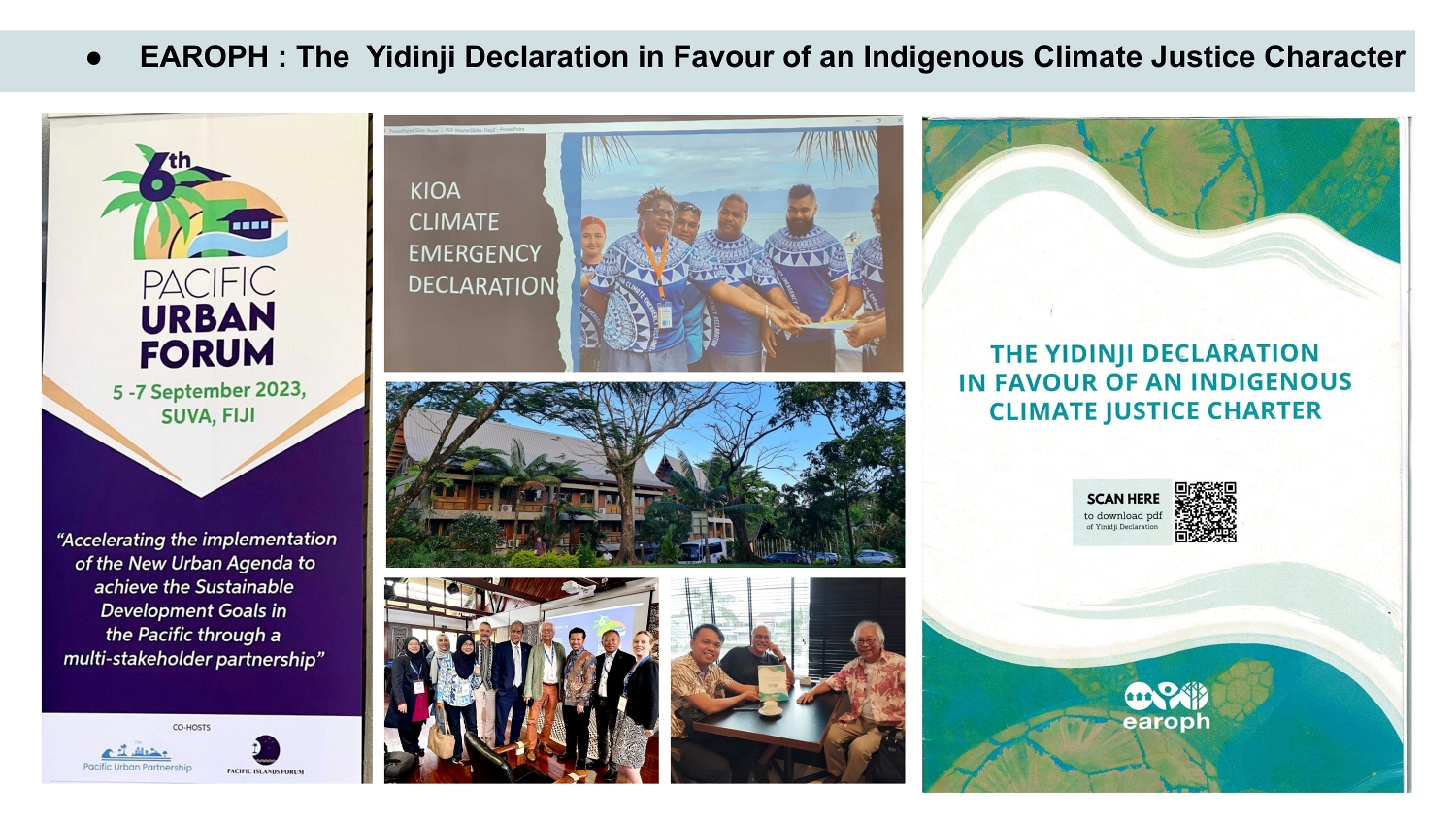
PUF6, hosted by the Pacific Islands Forum, addresses challenges of rapid urbanization, socio-economic, and environmental issues, especially in the context of climate change and disaster risks. The forum aims to accelerate the implementation of the Pacific New Urban Agenda (PNUA) and provide action plans at local and regional levels. PUF6 focuses on four pillars: 1. Environment, resilience, and infrastructure; 2. Social equity and urbanization; 3. The urban economy; and 4. Urban governance.
Notably, it prioritizes addressing climate change as an existential threat and emphasizes collaboration on climate resilience, (post-pandemic recovery, financial stability, food security), sustainable development goals localization, and affordable housing.
The program spans various sessions, including plenaries, breakouts, roundtables, and discussions.
Day 1 – Focuses on the 4 PNUA pillars, addressing changes during the COVID-19 pandemic, country updates, progress and innovation.
Day 2 – Emphasizes climate action and resilience, exploring topics like Loss and Damage and Climate Justice, leading to regional engagement in processes such as CoP28.
Day 3 – Integrates urban issues with global policy platforms, connecting with initiatives like the 2050 Strategy for the Blue Pacific Continent and the upcoming 8th Asia Pacific Urban Forum and 12th World Urban Forum 2024. Site visits allow participants to explore sustainable urban development initiatives in Greater Suva.
During the PUF 6 in Fiji, “The Yidinji Declaration in favour of an Indigenous Climate Justice Charter was shared and promoted to a wider gathering. It is a universal document that Humanity requires at such a difficult period of human history. EAROPH President’s Emil speech at the 6th Pacific Urban Forum in Suva 2023 lit the path for a better understanding, of the need for Diversity and mutual Respect, Trust Cooperation and sharing to achieve a more just, equitable and prosperous world; the need for joint consultation and action on Environmental, Climate and Indigenous people issues. The forum brought together national and local government representatives, policymakers, urban development practitioners and urban planners, civil society organizations, local leaders, academia and the private sectors.