
SE
SE
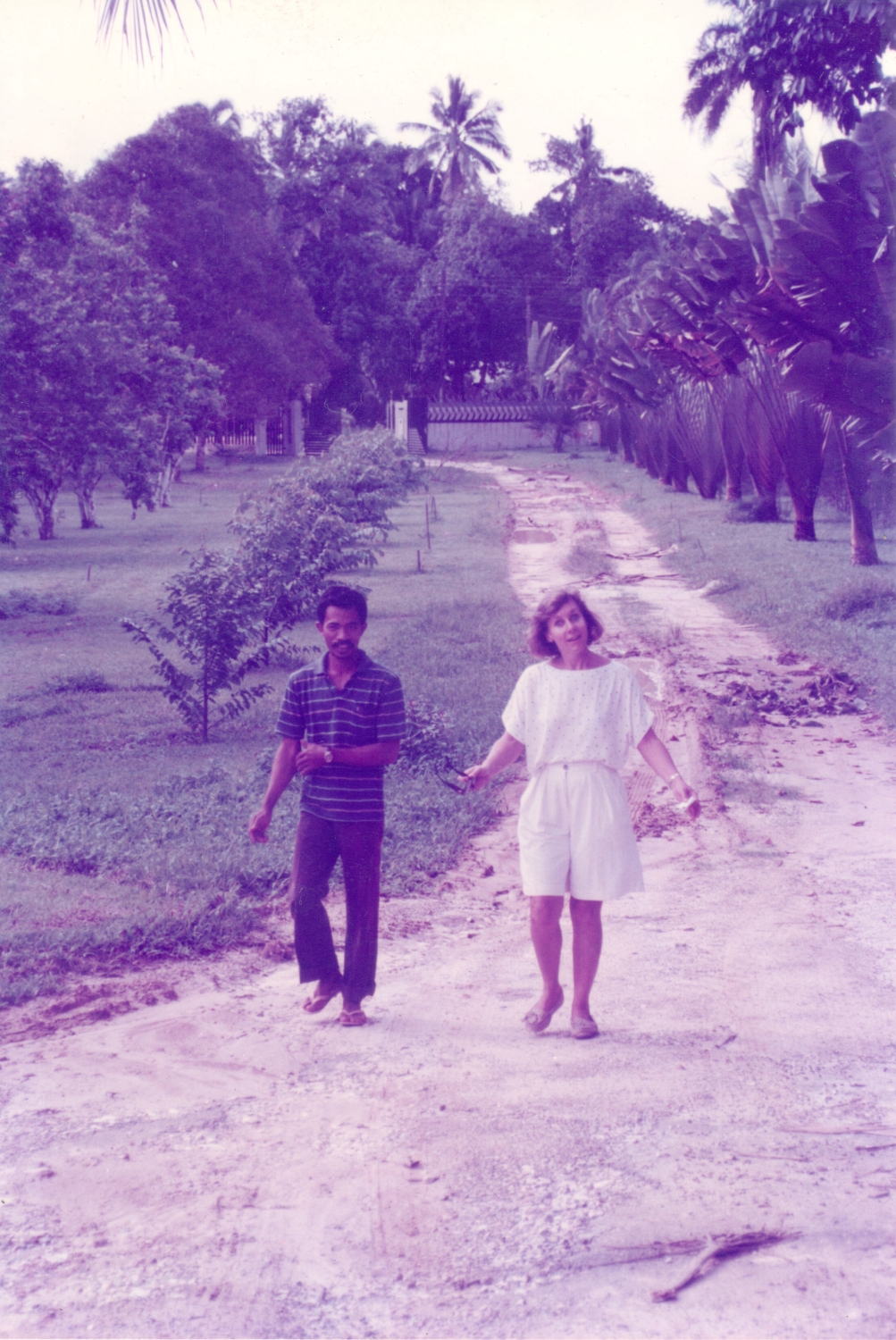
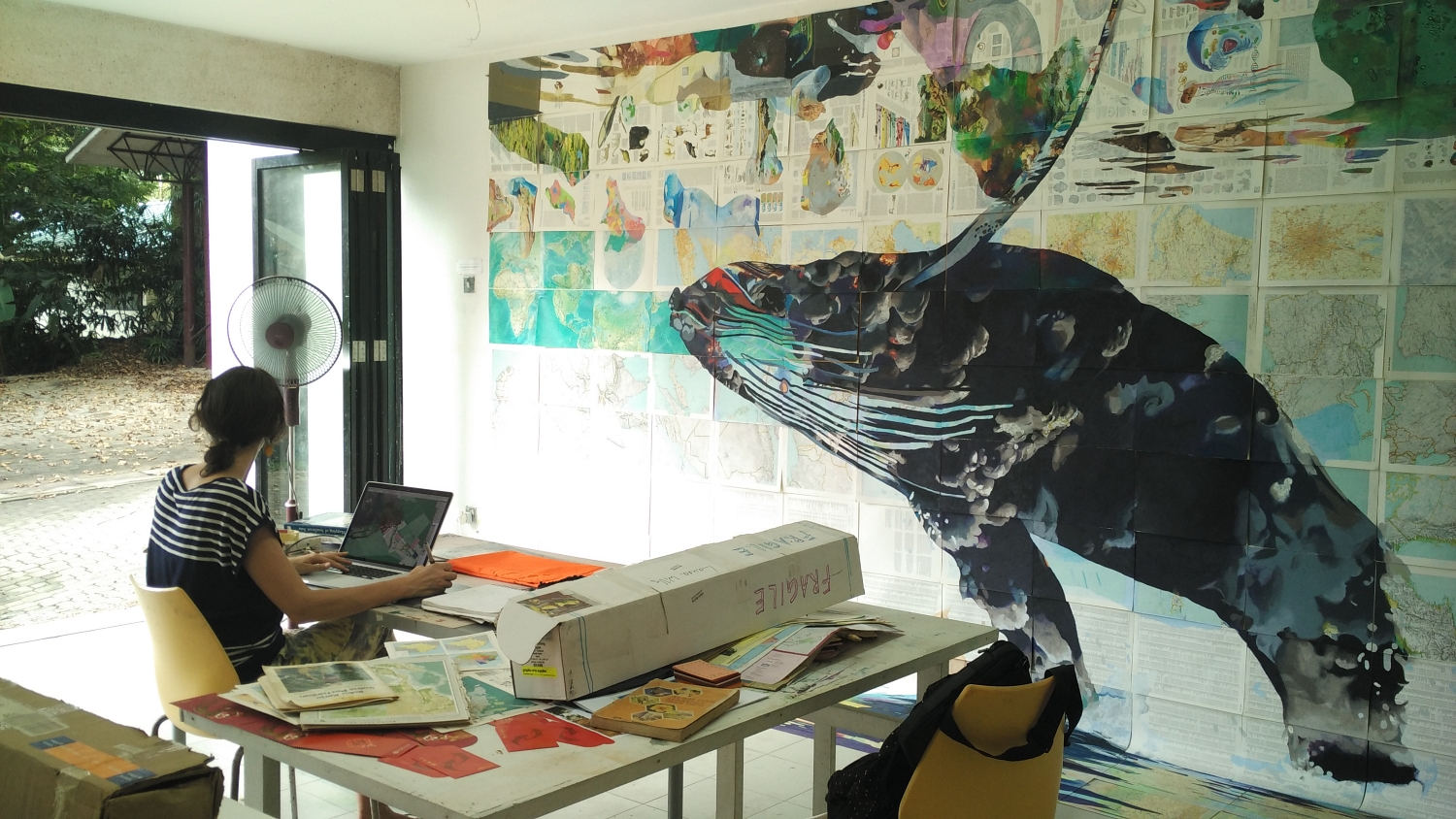
We’ve had quite a lot of changes. Initially, my dad built two semi-detached cottages containing four homes, which are used for staff accommodation. Those houses are now the oldest structures on-site, built before anything else. There are simple, functional two-bedroom cottages. We also use one of them for artist residency.
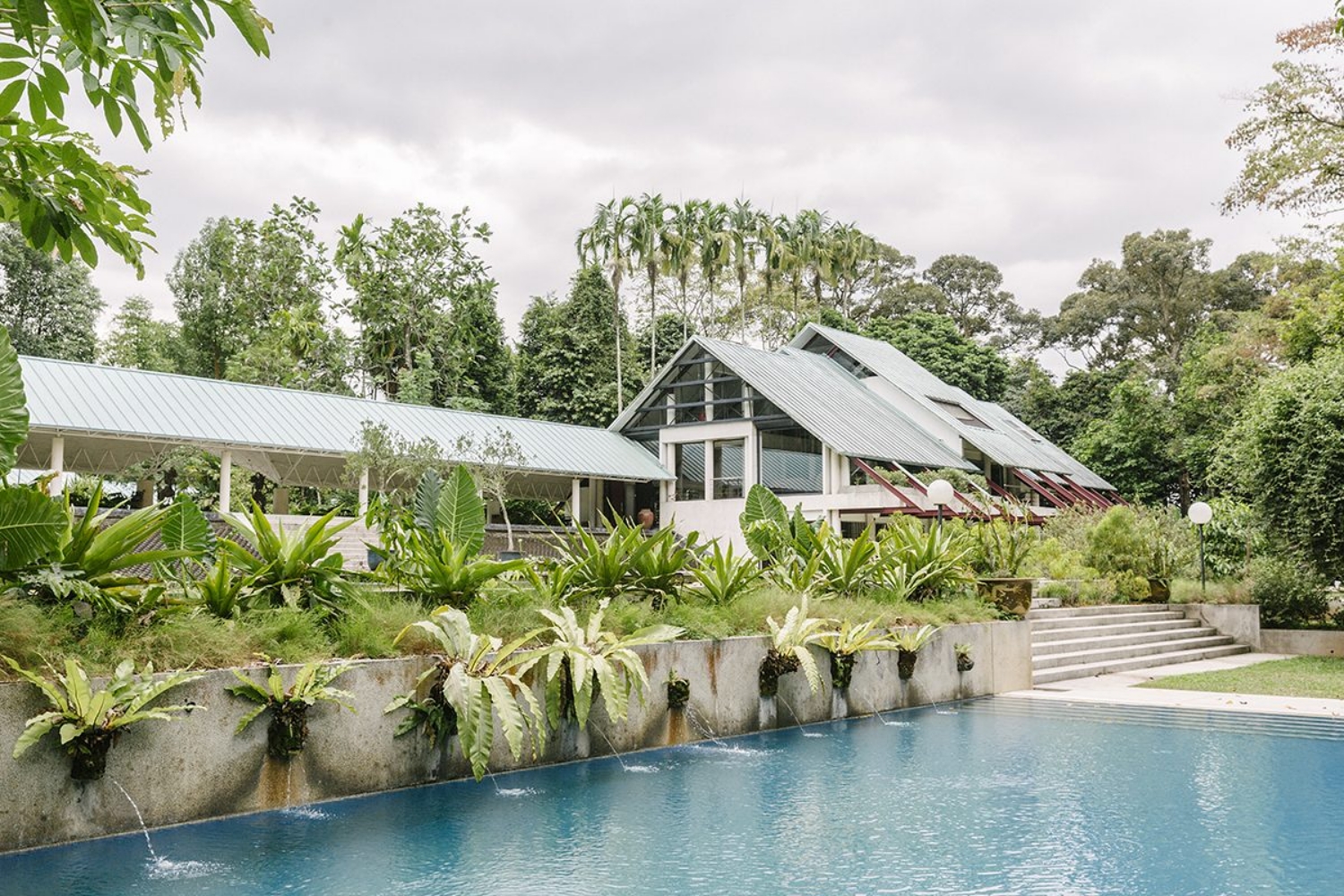
Subsequently, my dad built the main house for himself, the guest house, and the walkway between the main house and the guest house, as well as some garage spaces. This was the first phase in the early 90s. It initially began with artists staying in the guest house, which was already built at that time. But my parents quickly realised that artists preferred their own living spaces. In this context, they had to share a kitchen and studio space, which was not the best way to support artists. It would be better to provide them with more space and privacy to allow them to develop their work more effectively.
BH
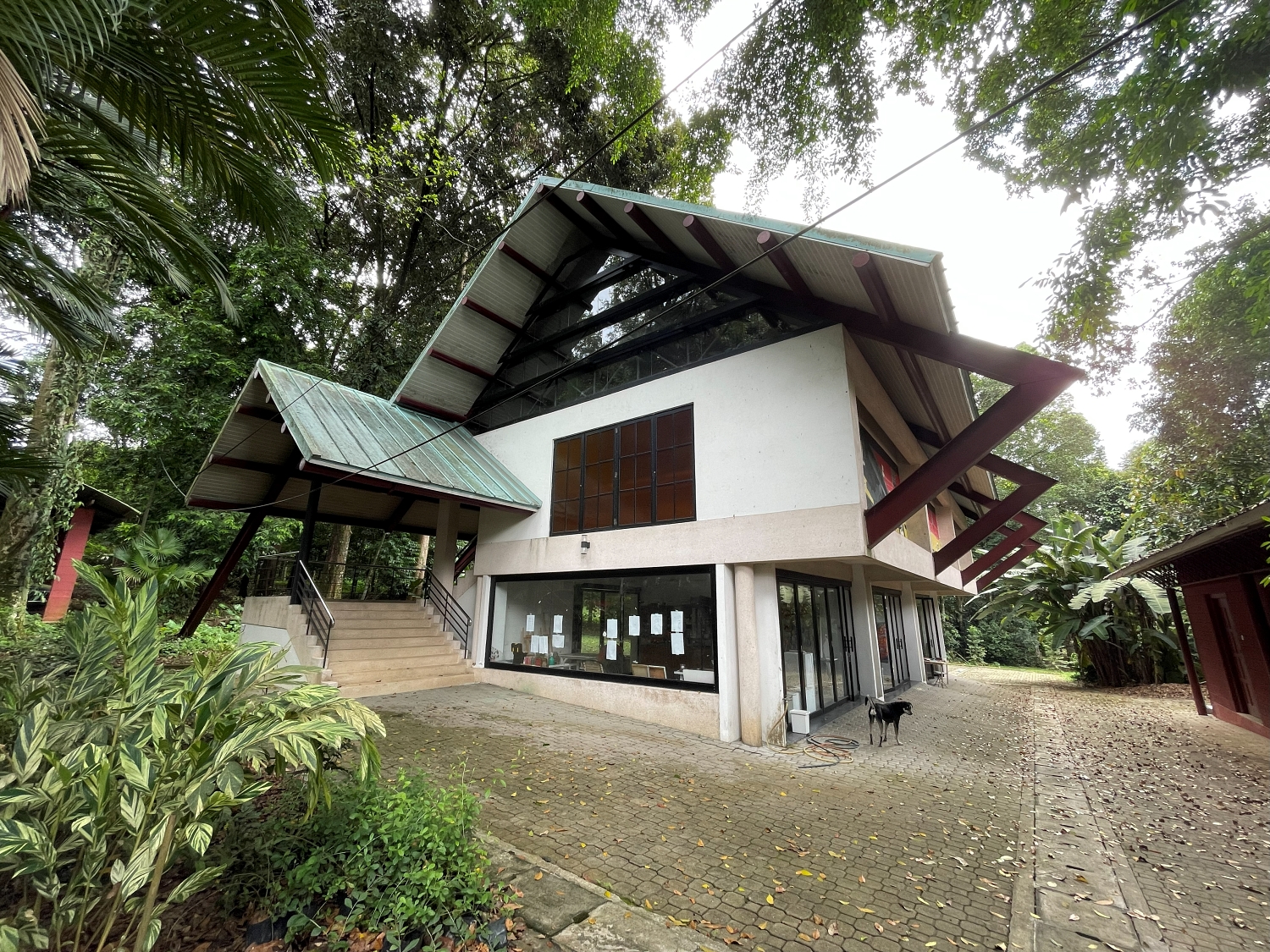
Next, my dad built another building, which is now the studio building. It is a two-storey structure with a dance studio on half of the upper level. The other half of the upper level consists of two studio apartments for artists to live in, each equipped with a tiny kitchenette, a small bathroom, and a balcony. On the lower level of the studio building, we have converted it entirely into studios, giving us five visual art studios, one of which is used by a maintenance man for his workshop. This allows us to accommodate four visual artists working on the lower level in individual private studios at any one time. The studio building was constructed in 1996.
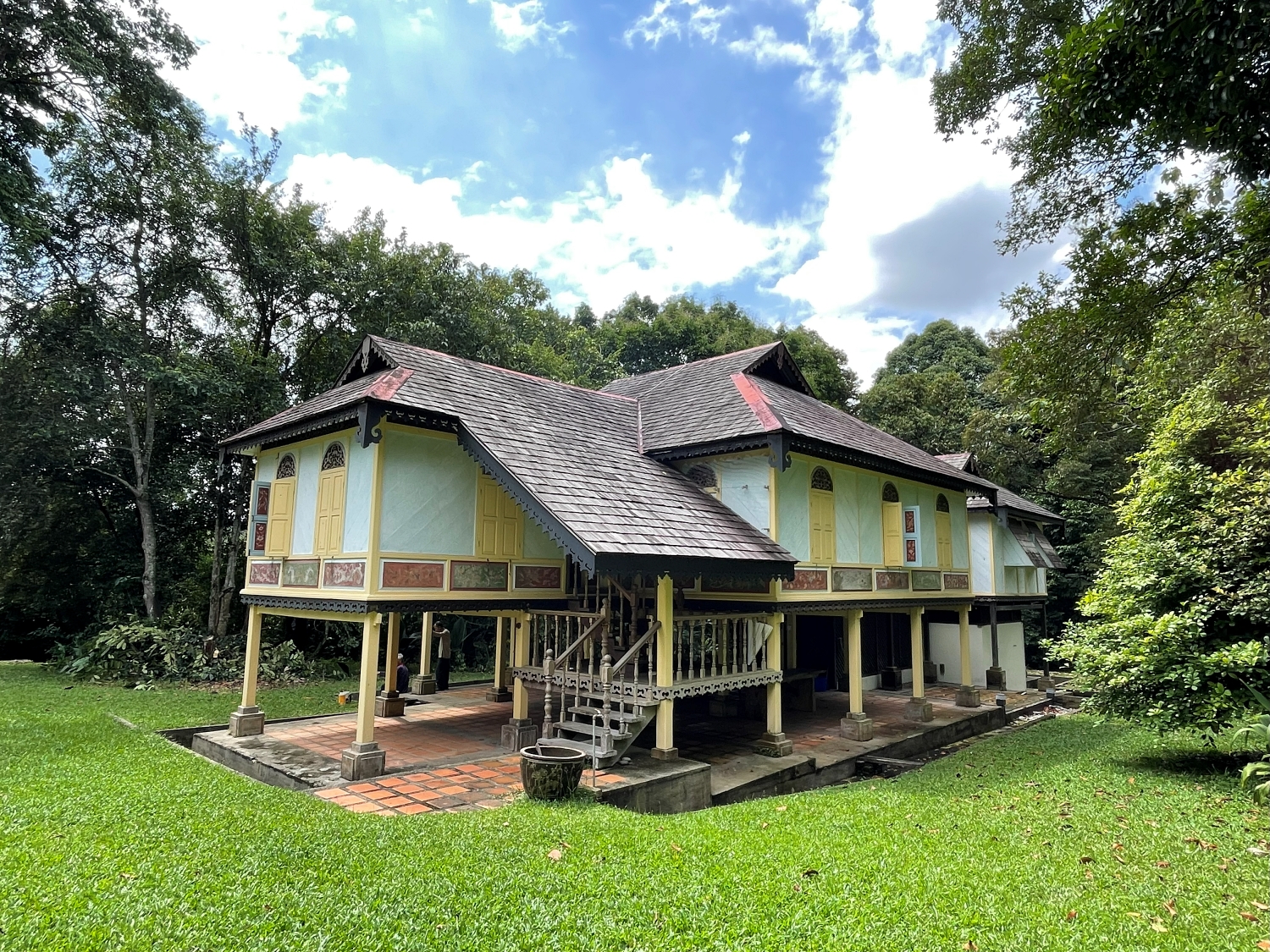
Then, in the late 90s or early 2000s, we added the heritage houses at the back of the property. One of them is from Penang and is approximately 100 years old, while the other one is from Perak, known as Rumah Uda Manap, and is around 120 years old. We now use these houses for artist accommodation. This is how Rimbun Dahan has evolved architecturally over the past 30 years. We’ve also undergone several rounds of renovation to better cater to the artists’ needs and make the spaces more suitable for them to work.
SE
BH
My dad has always been interested in visual arts and might have wanted to be a painter, except that he grew up extremely poor during the Second World War. Being a painter is not a very stable occupation, and he was offered the opportunity to become an architect, which, at that time, was a very lucrative profession. He wholeheartedly embraced that opportunity, but I believe his interest in the arts never waned. With a passion for art, he also wanted to support other artists in their practice, so he encouraged my mom to start the residency programme for artists.
My mum is from Australia, so we have family ties to Australia. And, because my dad received the Colombo Plan Scholarship to study in Australia, which greatly transformed his life, he felt a strong obligation to give back to Australia for the opportunities it provided him. When we first started the residency programme, we only hosted two artists, one from Australia and one from Malaysia, both staying for an entire year.
However, our programme has evolved. Now, we primarily support artists from Southeast Asia, with shorter residencies typically lasting one to three months. In addition to visual artists, we also welcome sculptors, writers, composers, contemporary dance choreographers, and many other multidisciplinary artists. The program has shifted over time and may continue to change.
BH
Yes, when we looked at it, you can see that much of it is influenced by the vernacular Malay traditional aesthetic. Many of these design elements are solutions to practical problems rooted in indigenous knowledge. The pitched roof, for instance, effectively handles heavy rainfall. By incorporating these elements from vernacular architecture, my dad aimed to ensure a strong local identity and a sense of place in all his designs, this identity is retained in the general shape of the buildings.
In the main house, we also feature a layered roof design, similar to the Malay roof design, known as Gajah Menyusu, which resembles a larger building next to a smaller one, like a baby elephant alongside its mother. Instead of a single, massive block, the spaces are divided into smaller elements, each with its little roof. This creates the appearance of a cluster of buildings rather than one enormous structure. This design concept is certainly derived from traditional Malay wooden houses.
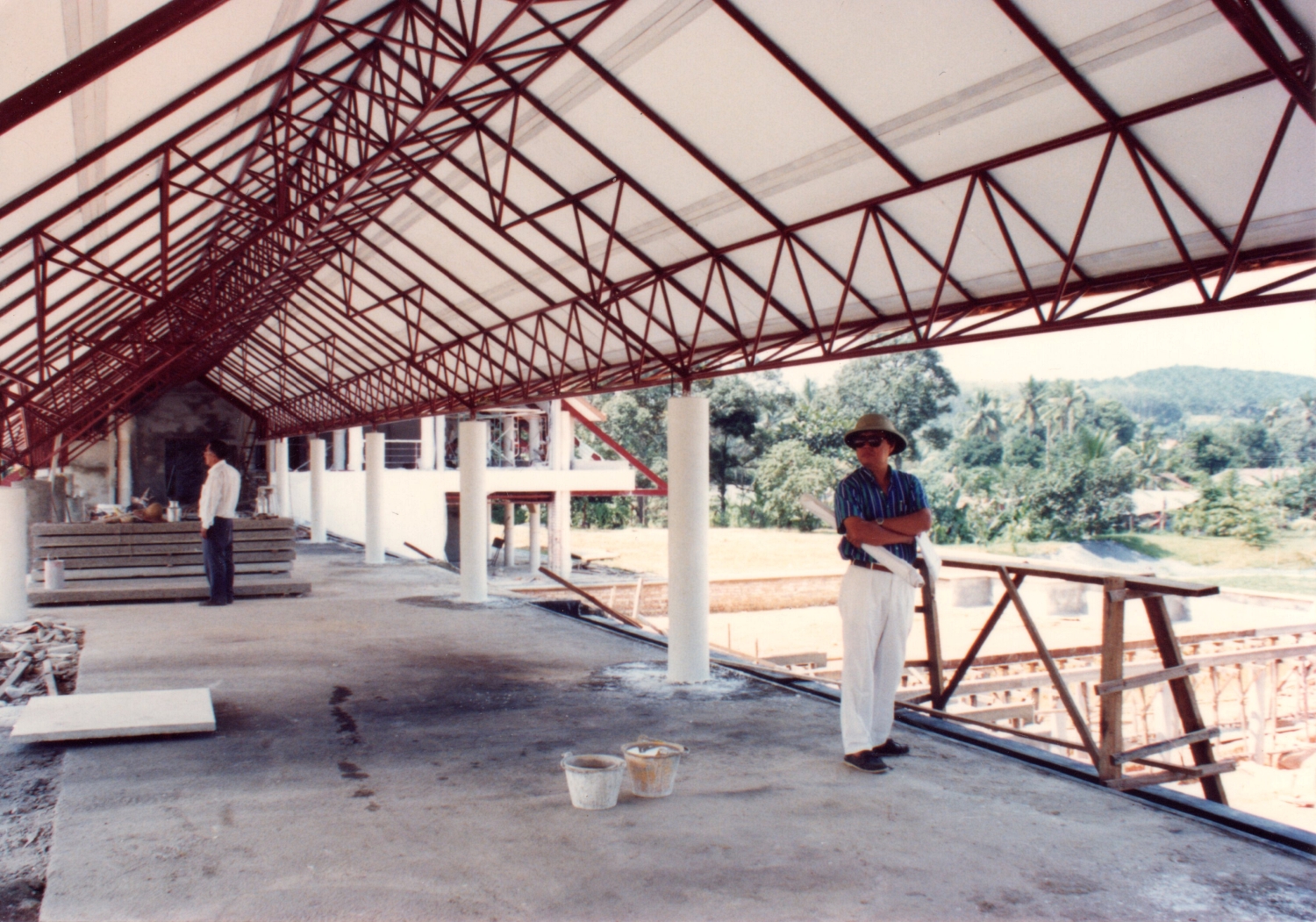
And my parents also decided not to use wood for the construction of the buildings. This choice is primarily based on affordability because forest hardwood is very expensive and quite scarce. There is also the issue of environmental conservation; we prefer not to use these resources for construction when we have other options that might be more durable, cost-effective, and easier to work with. As a result, the main structural material is concrete. My dad is quite well-known for his work with concrete, and many of his buildings from the 80s and 90s, including the very tall high-rise structures, are constructed with concrete. Concrete is his favourite material for design, and I believe he wanted to create something here that allowed him to express his own identity and continue to do so in terms of design.
BH
Some parts of the house feature a steel frame structure, which you can see in the protruding beams. My dad decided to turn these beams into architectural features of their own. They don’t have to be protruding, they don’t have to be joined, but he chose to do so to make them visible, sort of highlighting the structural bones of the house. Additionally, they were painted a different colour to emphasise them as a designed element.
You can also see that many of the surface finishes are Shanghai plaster, which at that time was considered a local method for finishing concrete. Nowadays, it’s quite unusual because the skilled labour required to produce Shanghai plaster has become scarce. Back then, it was crafted by highly skilled Chinese construction workers, mostly women, who had the skills to work with Shanghai plaster. We no longer see Shanghai plaster used as a finish because the artisan workers have mostly stopped working, and subsequent generations haven’t been trained in this craft. The Shanghai plaster is a very durable surface; everything you see here has not been refinished at any point. These are all finishes that are 30 years old.
Also, our house doesn’t have air conditioning. My dad drew inspiration from traditional houses when considering how to deal with issues of heat and climate. This involved aligning the house with the direction of the sun and ensuring sufficient ventilation to encourage cooling. Today, with the presence of the tropical garden environment, which didn’t exist at the time, we benefit from the plants cooling the air. Consequently, in our very open-plan context, the temperature remains comfortable, and we don’t need air-conditioning. Fan cooling is used in almost all spaces, with only a few exceptions.
SE
BH
SE
BH
We have been running for 30 years since 1994, making us one of the oldest artist residencies in Southeast Asia and also one of the largest, if not the oldest. Over time, we’ve adapted our programme to cater to the changing needs of the art communities. Thus, our functions have not remained static.
For artists in general, having dedicated time to develop their practice and focus on their artistic vision and future direction is of utmost importance. We do not demand any specific outcome from them, so our approach is not oriented toward the final product. It’s primarily about the process and artistic development. Artists can utilise their time here to explore and experiment as they wish. We believe that it’s more interesting and impactful in the long run if artists use this time to allow their curiosity to take them in various directions and embrace opportunities to experiment, even if it leads to failures. We want to allow space for failure, to allow space for growth.
We are a popular destination for artists. Our annual open call typically runs from August to September, and this year, we had nearly 80 applications. However, due to our family-funded and family-run operation, we can only accommodate 16 artists next year. I think the high number of applications shows the ongoing demand for a space like this among artists, as they believe it is valuable for them.
SE
BH
SE
BH
SE
BH
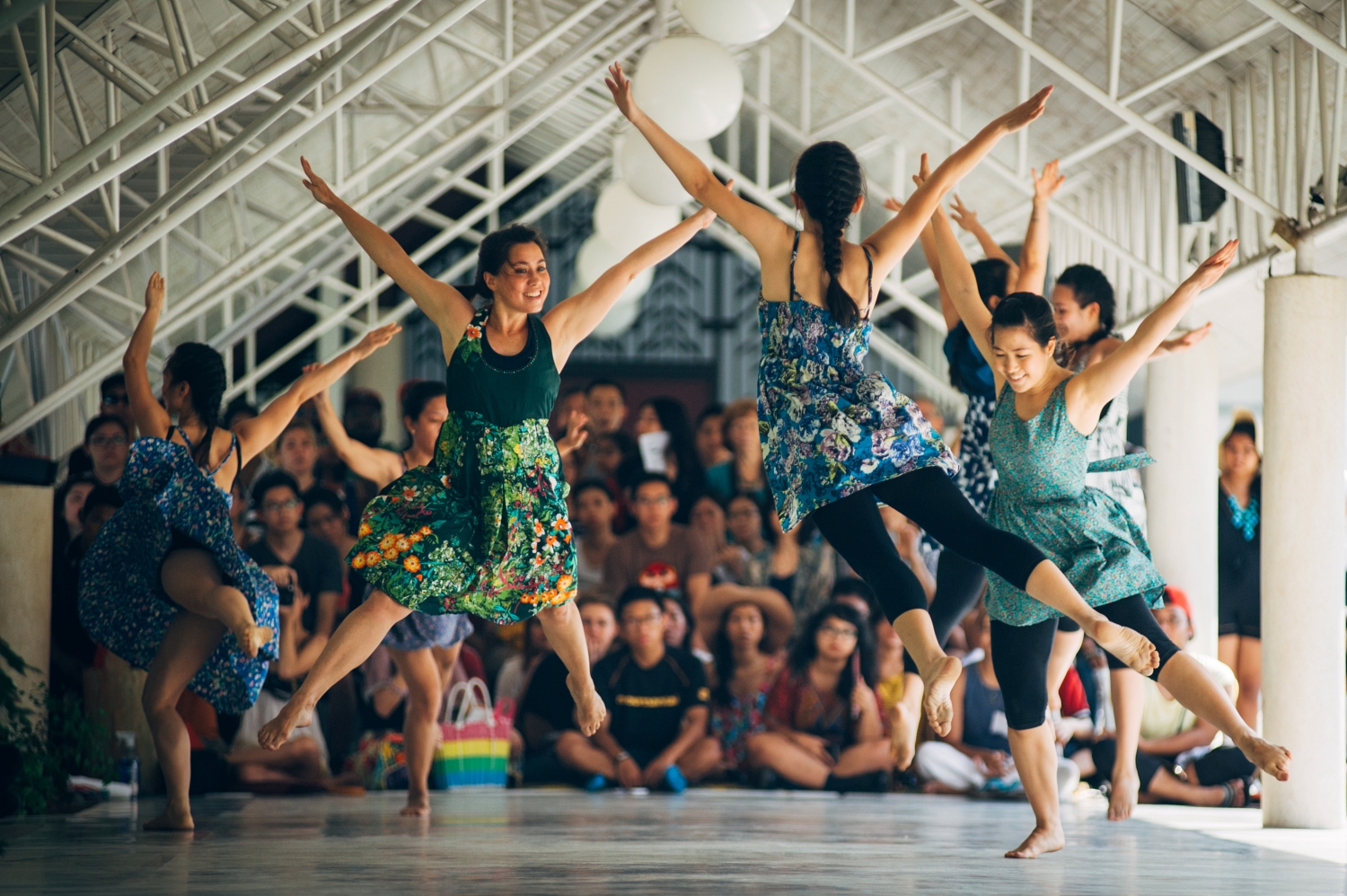
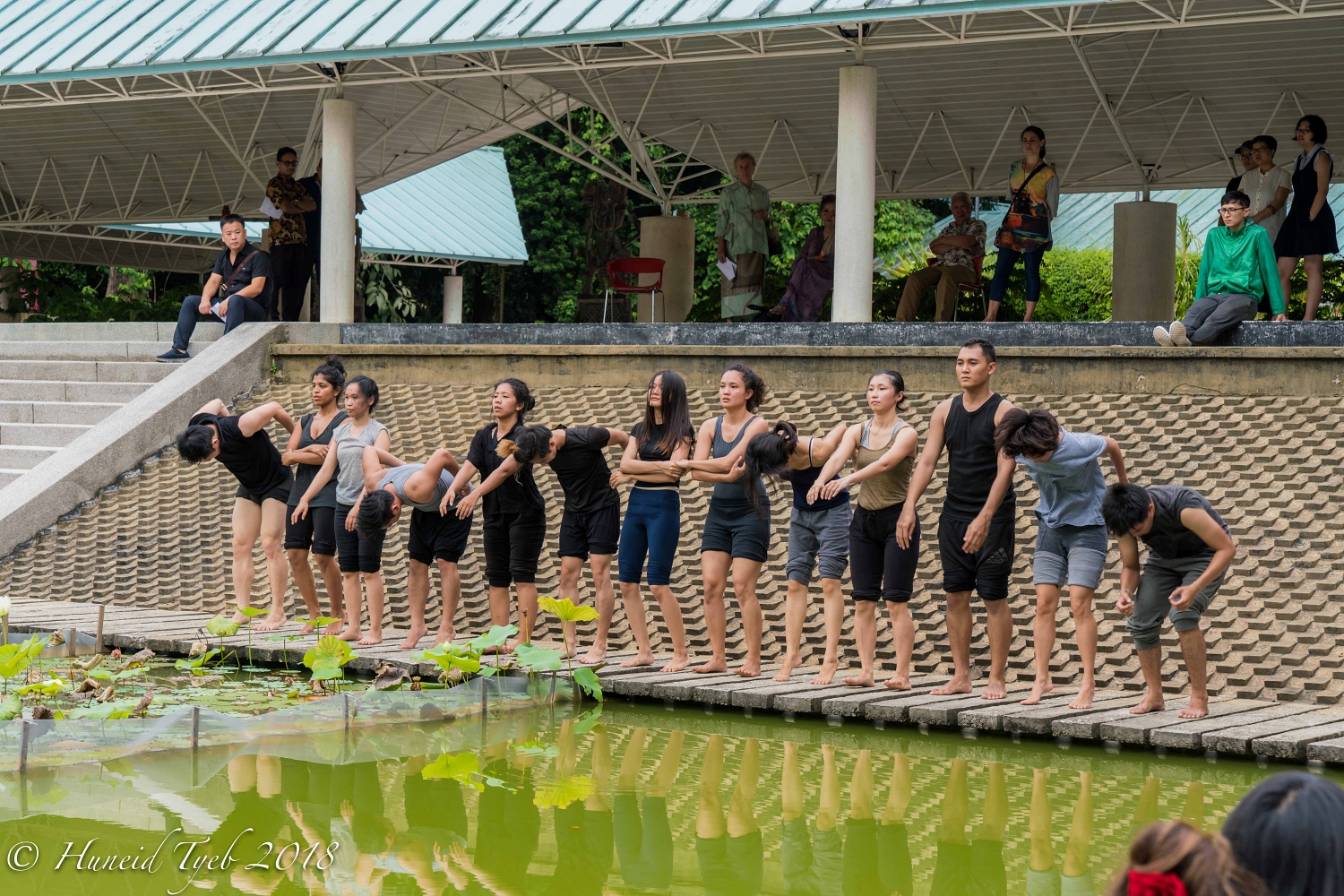
We do have open days occasionally, allowing the public to come in, walk around, and observe the artists and their studios. However, we’ve found that it generally attracts people from KL who are interested in either the tropical garden or contemporary arts. We don’t often receive many visitors from the immediate region. In the past, we had some small outreach programs for young people, but we no longer offer these due to the significant resources and dedicated personnel required.
We are not designed to be a public space; we are a home. Ensuring safety, security, and privacy is a challenge when opening up to the public. We have open water areas, but can’t afford the cost of a pool attendant or lifeguard. There are inherent risks, and we can only open to the public on a very limited basis.
SE
BH
SE
BH
SE
BH
Not anything highly specific, but in general, our goal is to support the development of contemporary art and the preservation of heritage art, with a primary focus on the Southeast Asian region. We believe that there is not enough targeted assistance for this region, especially in fostering connections and networks between artists from various countries in Southeast Asia. National governments often fund their artists, and international support tends to come from Europe, which aims to connect Southeast Asian artists to European countries. But there are very few resources dedicated to connecting Southeast Asian artists across national boundaries in this region.
This is a place where we feel we have a unique opportunity to fulfil that role. We feel that it is required because, otherwise, even if we live next to each other, we may have no experience of visiting each other or having the opportunity to immerse in each other’s culture. We feel like this is a really important role that we can play.
SE
BH
Currently, we hold arboretum status and are registered with the global network of arboreta, which are research institutions for plants, specifically focused on tree biodiversity. This is an achievement we are proud of, obtained earlier this year. We have been collaborating with forestry experts, such as the Forestry Research Institute of Malaysia and Singapore Botanic Gardens. Over the past 30 years, my mom has been diligently planting in the garden, and we are now working to provide a more structured environment for environmental science, supporting conservation efforts.
As of now, we have a substantial stock of trees, with several thousand on-site, approximately 425 different species, including hundreds of hardwoods and slow-growing forest trees. These living resources are of great importance to the broader community. We hope to sustain them and leverage them for future projects.
SE