Green Restroom

TURNING YUK CHOY’S RESTROOM GREEN
TEXT BY AR. AXXU HOI
Kebun-Kebun Bangsar by Rio Ferdinand Halim
I embarked on a humble journey in architecture to turn a conventional school restroom into a beacon of sustainability and improvement in student discipline. The completion of the school Green Toilet marked the fulfilment of this endeavour, and the gratitude expressed by the students remains a cherished memory.
It all began with a simple yet profound question: Could a school restroom be self-sufficient in energy consumption? This question led me down a path of exploration, guided by a desire to create a restroom that anyone could maintain, regardless of specialised knowledge. Moreover, I aspired to design a facility that could stand the test of time and serve the school for the next century.
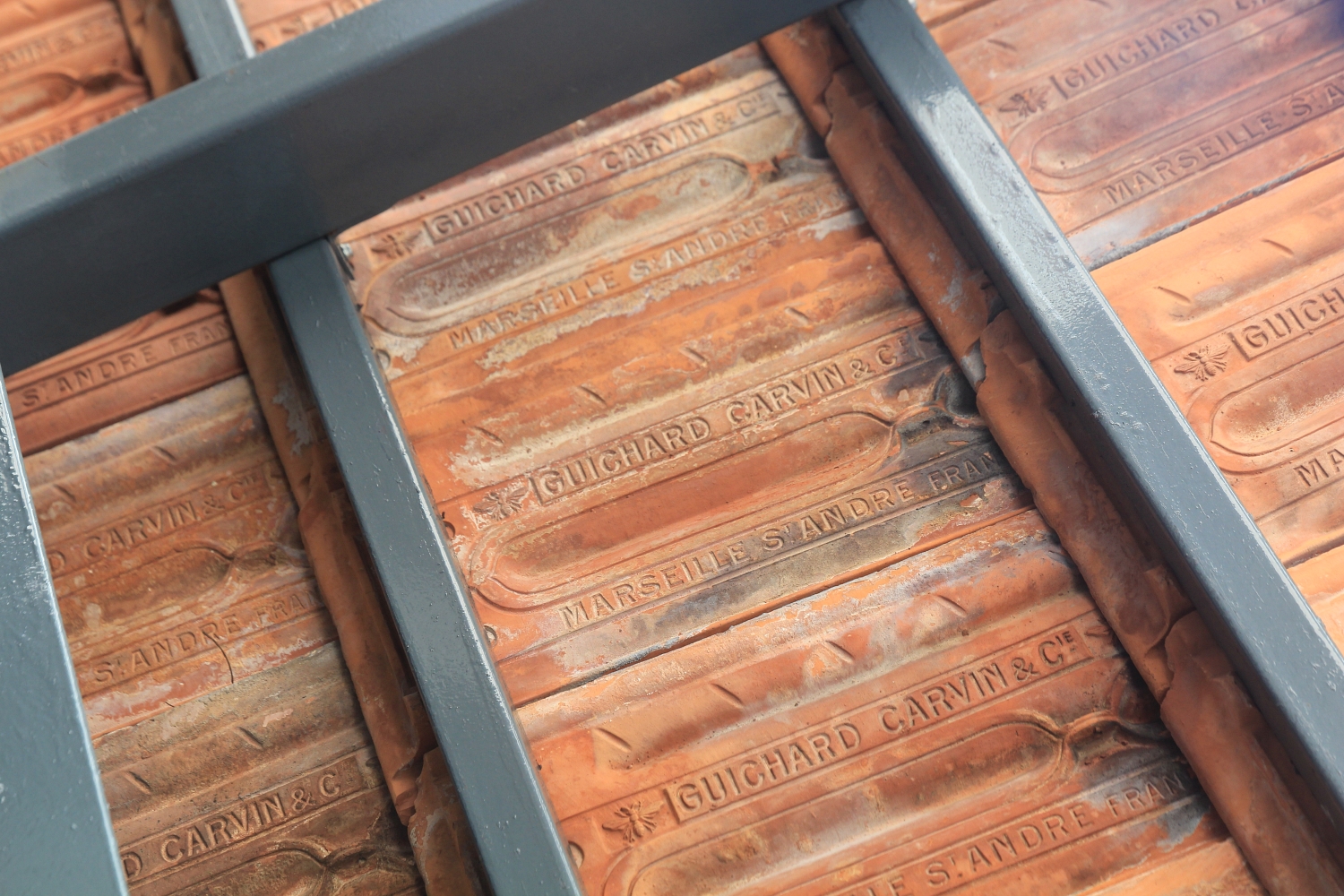
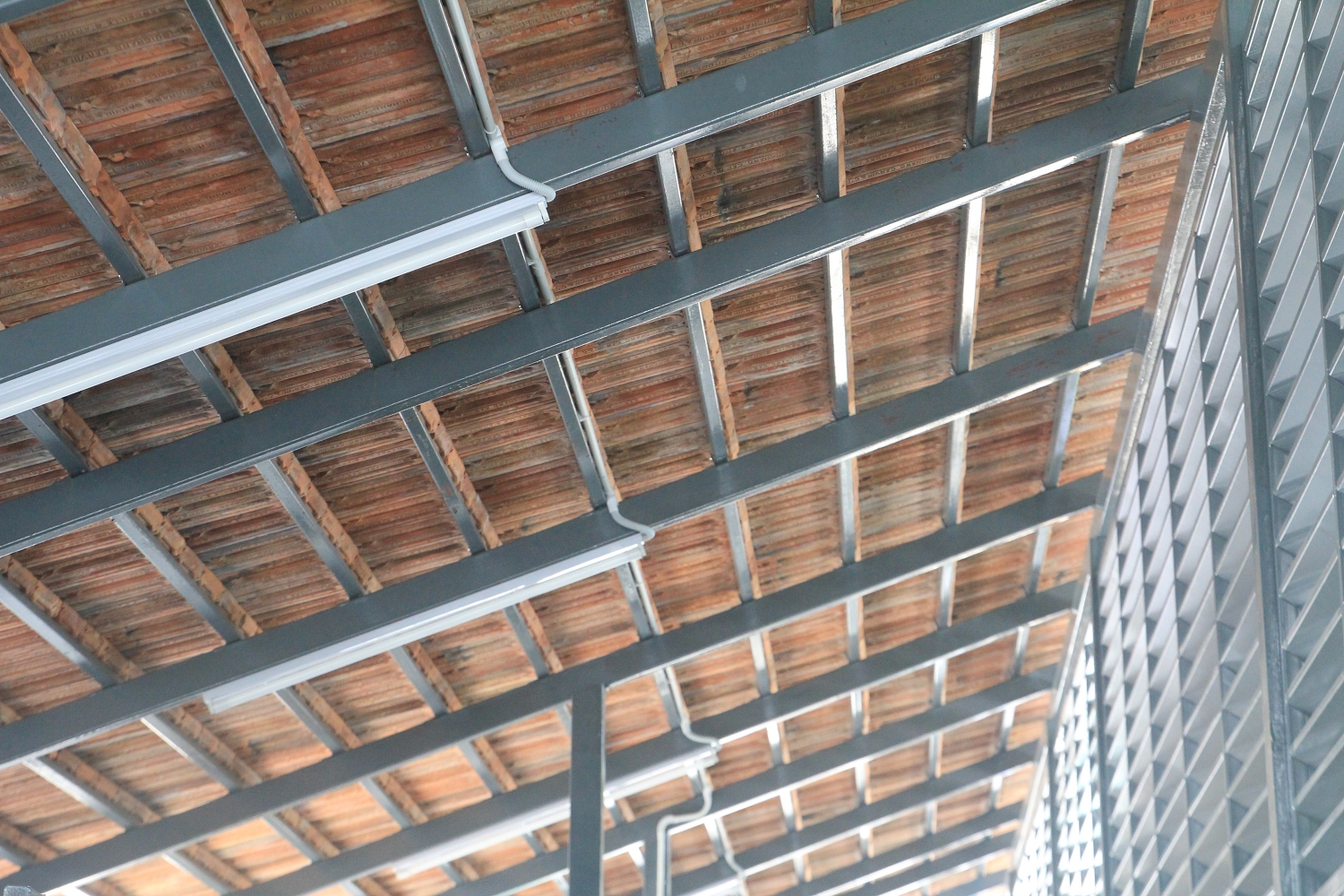
To realise these aspirations, I turned to the principles of simplicity and local availability. Using basic construction methods, materials such as steel, bricks, concrete, and recycled roof tiles (70 years old) – all sourced locally – formed the project’s foundation. This approach not only minimised environmental impact, but also ensured that the restroom would be easy to repair and maintain.

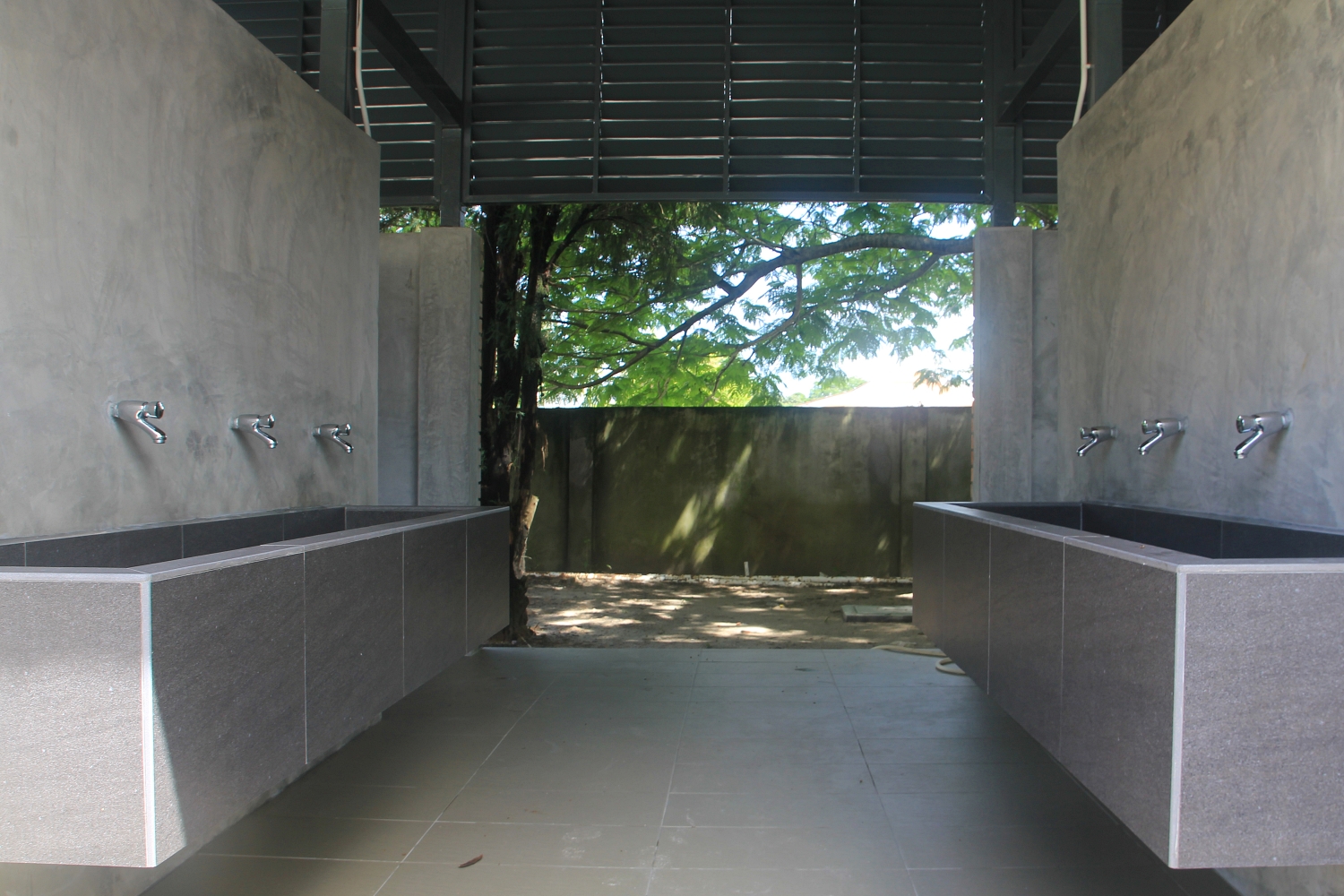
The true magic lies in the integration of passive design strategies. We achieved something remarkable by allowing natural elements such as sunlight and wind to flow through the restroom. During the design phase, we meticulously crafted pathways for sunlight to enter and for the gentle breeze to provide ventilation. The result was a restroom that operated entirely without external energy sources, reducing energy consumption by an impressive 80% compared to conventional restrooms.

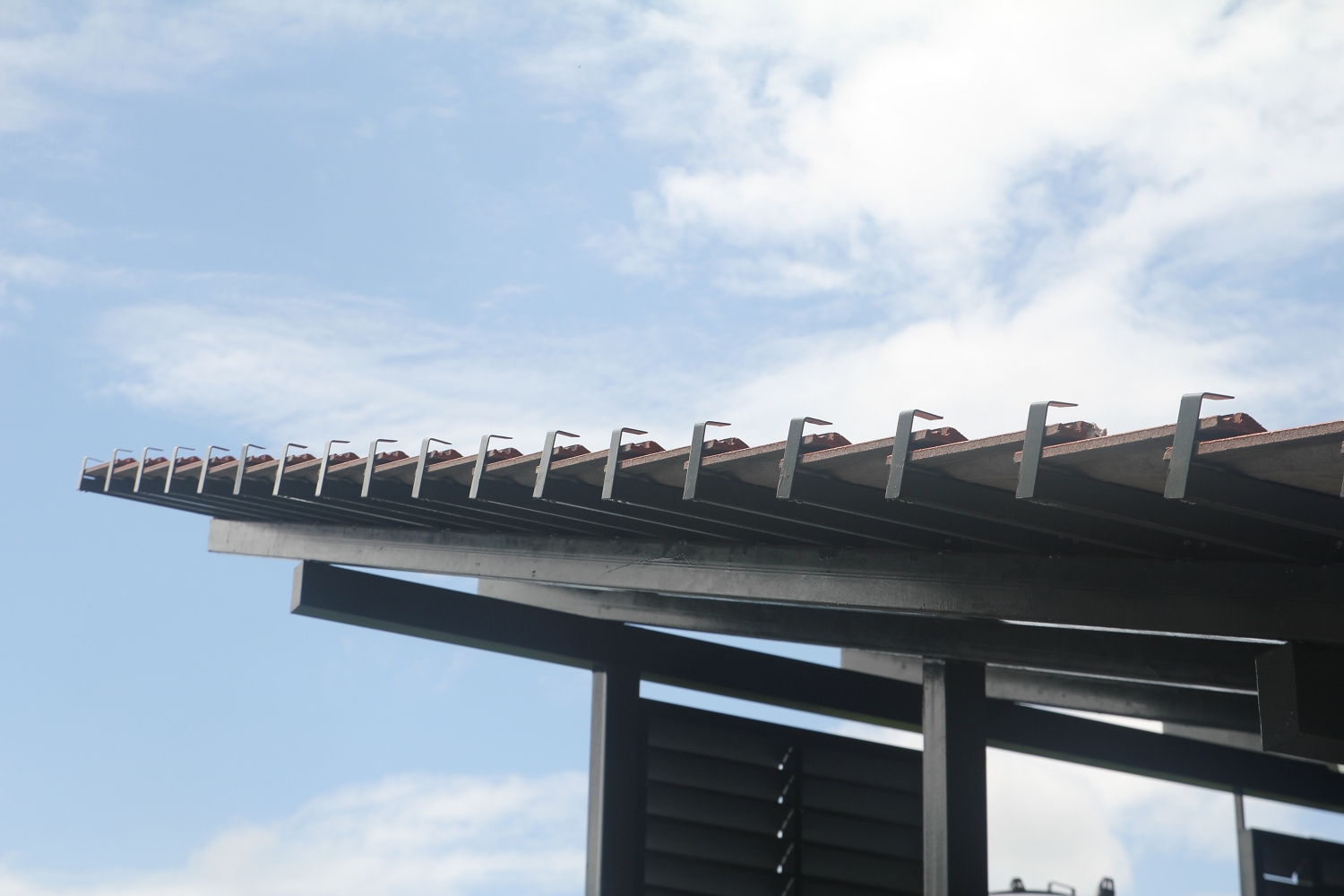
A comprehensive study was undertaken to analyse sun angles, wind speed, and wind direction. Through tests of various louvre configurations, the analysis yielded a passively green design. Louvers angled at 25 and 45 degrees received 27% and 21% of sunlight, respectively. This allowed for the maximisation of daylight and ventilation within the building while mitigating the impact of heavy rain.

Perhaps the most heartwarming outcome of this project was its effect on school discipline. The decision to create an open design, removing full walls and entrance doors, proved to be a transformative choice. The restroom no longer served as a breeding ground for undesirable activities such as smoking or ‘fighting’. Transparency and accountability became the new norm, and the school’s atmosphere became more harmonious.
Despite limited space constraints, the design was carefully crafted into three key zones: the Cubical, Corridor, and Urinal spaces, each meeting specific dimension requirements. Before a single line was drawn, a rigorous analysis took place. I initiated the design process through sketches that focused on efficiency and simplicity. Site conditions, sun angles, and wind directions were scrutinized to inform critical design decisions such as roof angles and louvre dimensions. This analysis laid the foundation for the green design’s path.
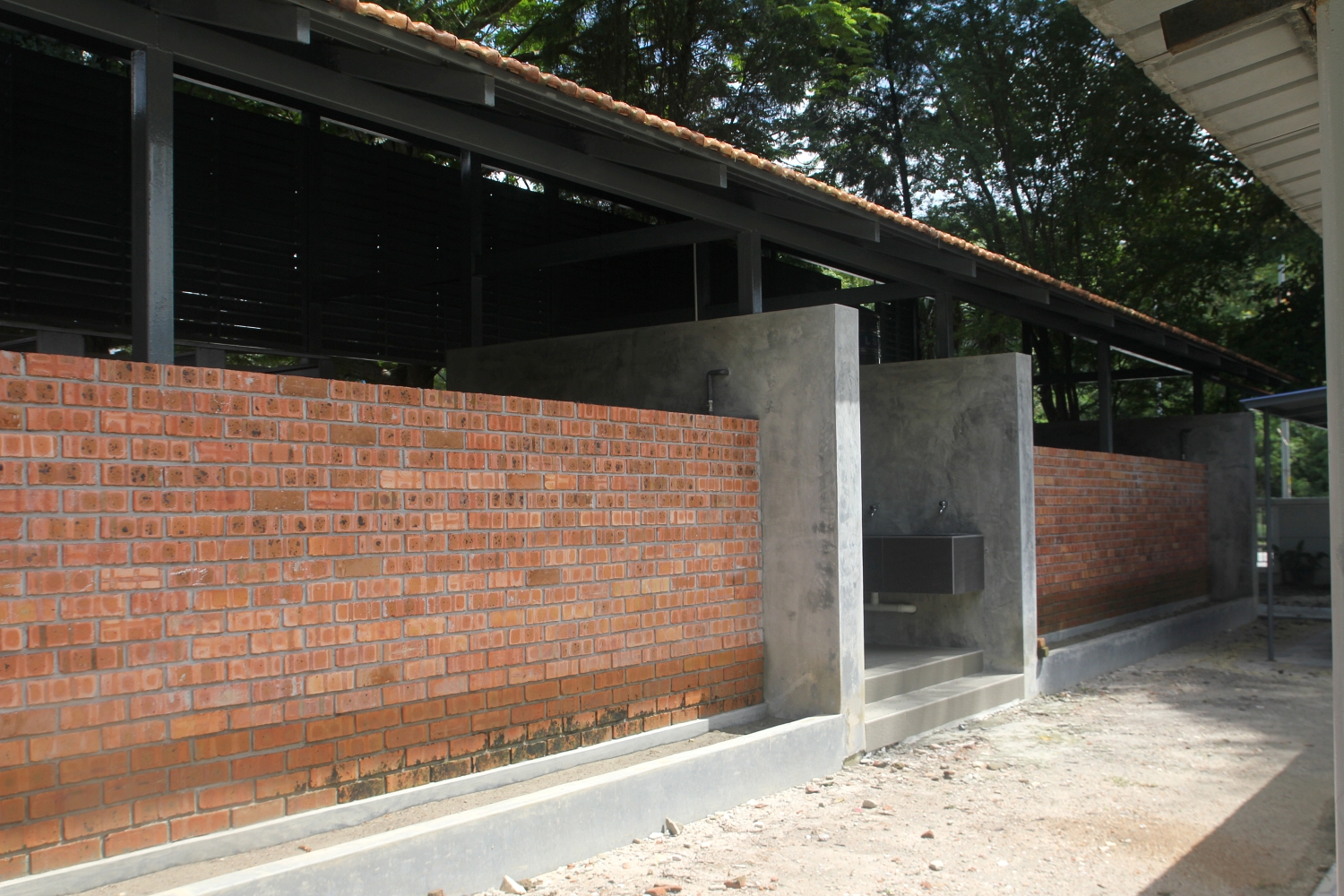
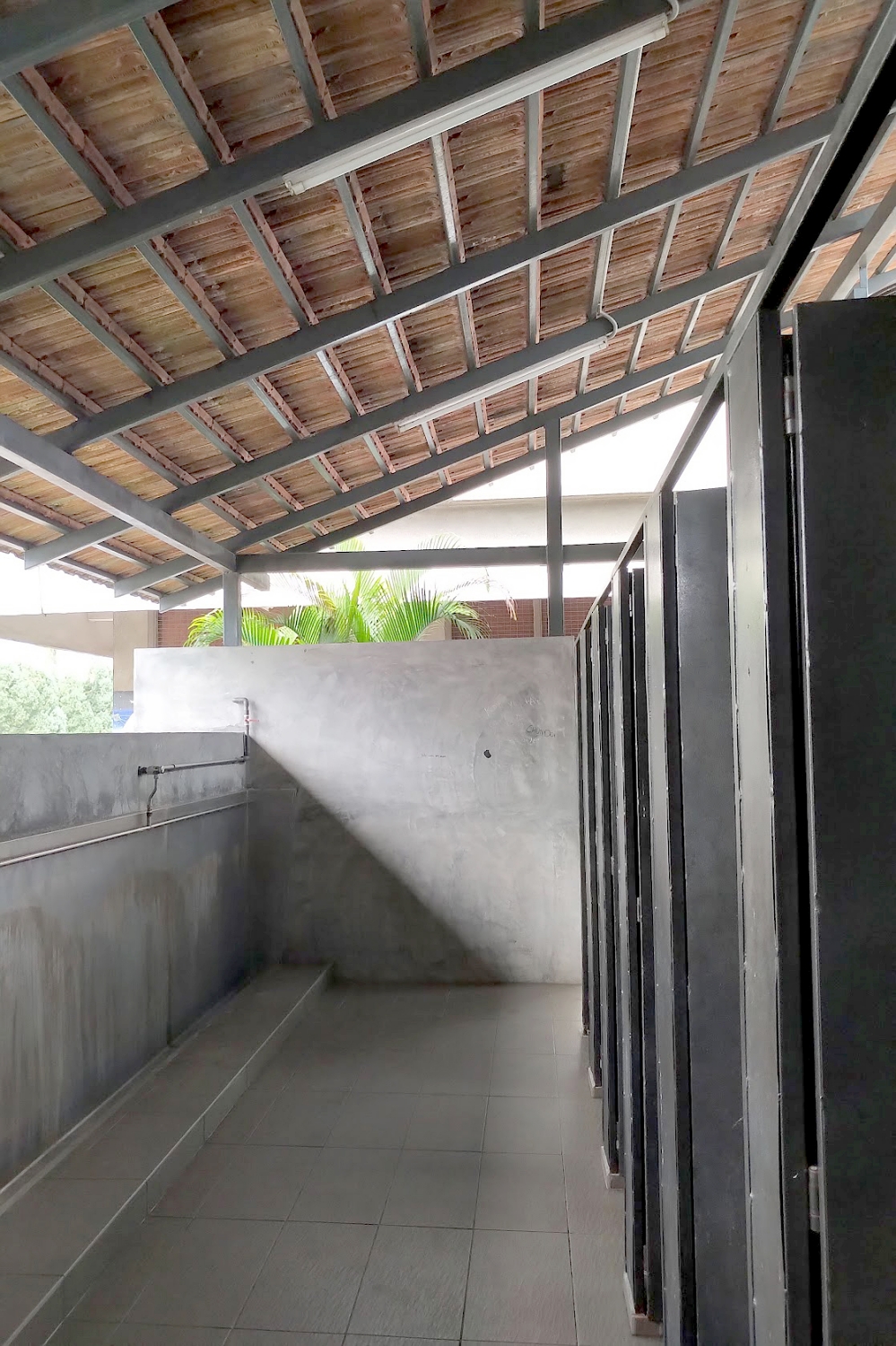
The Yuk Choy Green Toilet is a humble contribution to the world of architecture, a reminder that simplicity, climate-responsiveness, and thoughtful design can yield remarkable results. It stands as a testament to the power of architecture to address social challenges and foster a sustainable future.

In conclusion, my journey with the Yuk Choy Green Toilet has been about discovery, learning, and gratitude. It serves as a reminder that even the humblest projects can make a meaningful impact when approached with dedication and a commitment to sustainability. As I reflect on this endeavour, I am humbled by the transformative potential of architecture and inspired to continue on the path of creating positive change through design.

FEATURES

RELATED ARTICLES