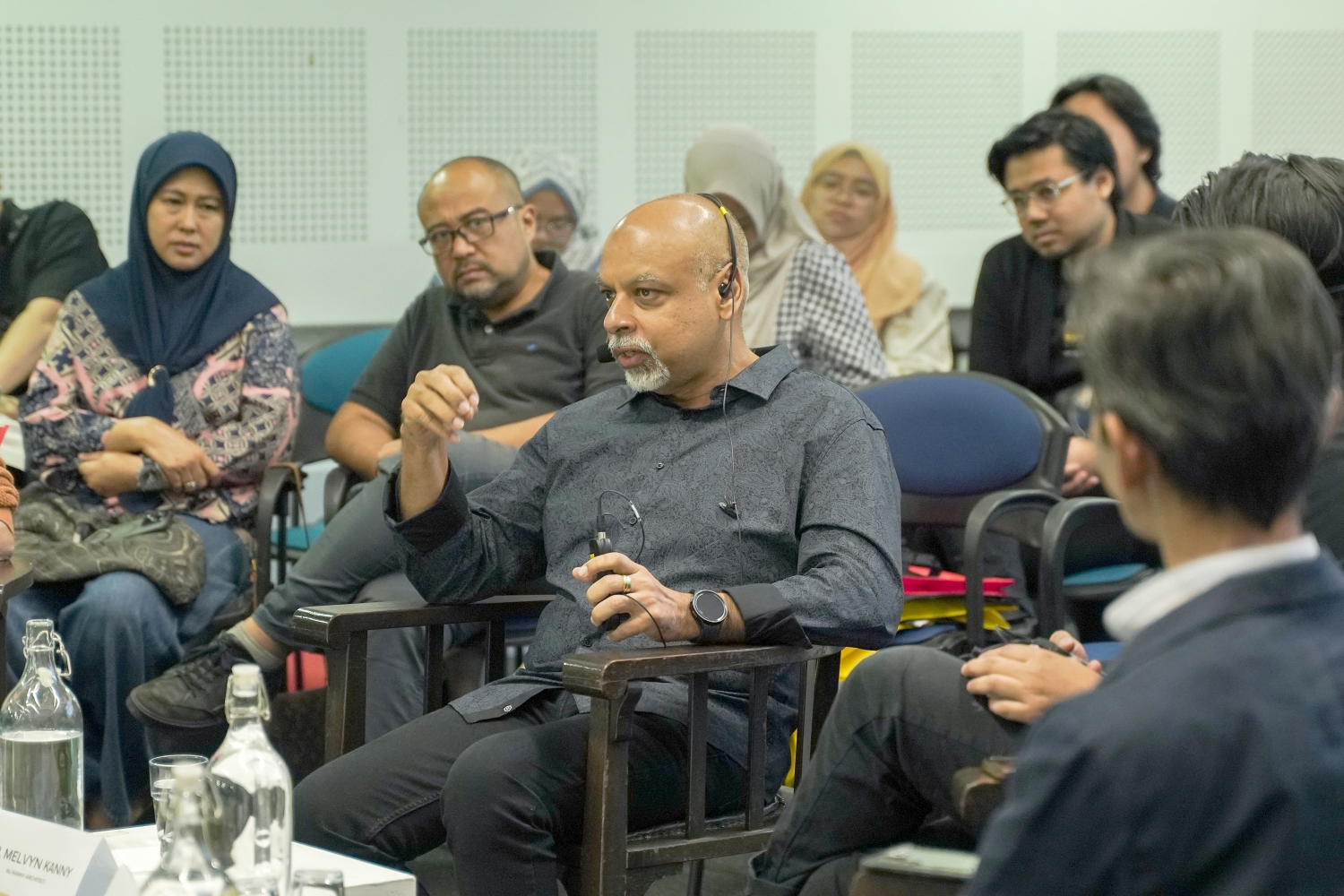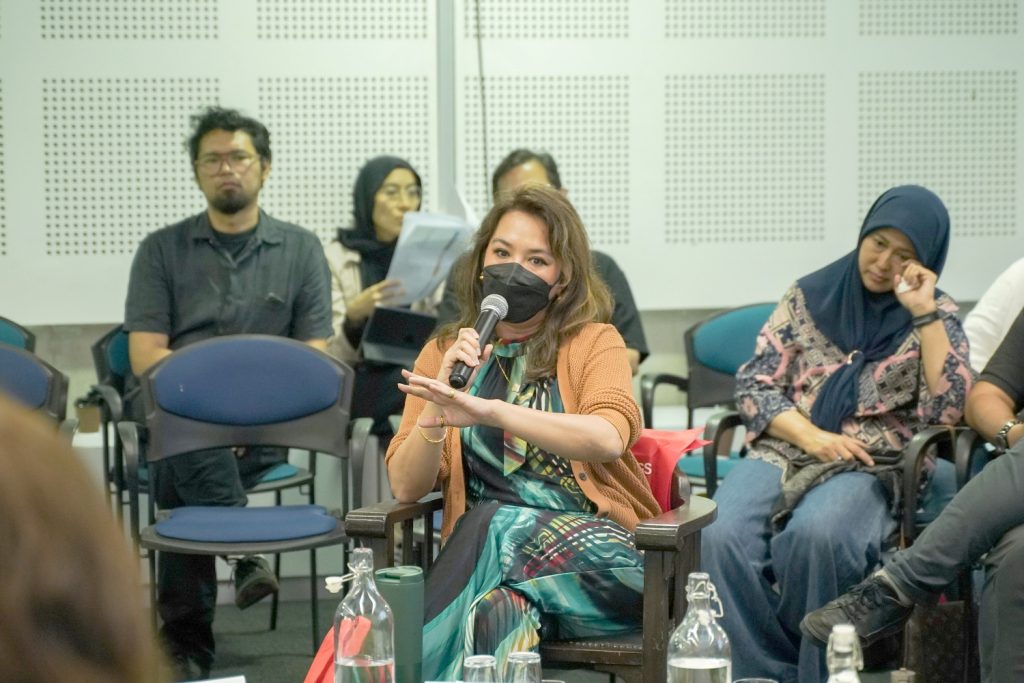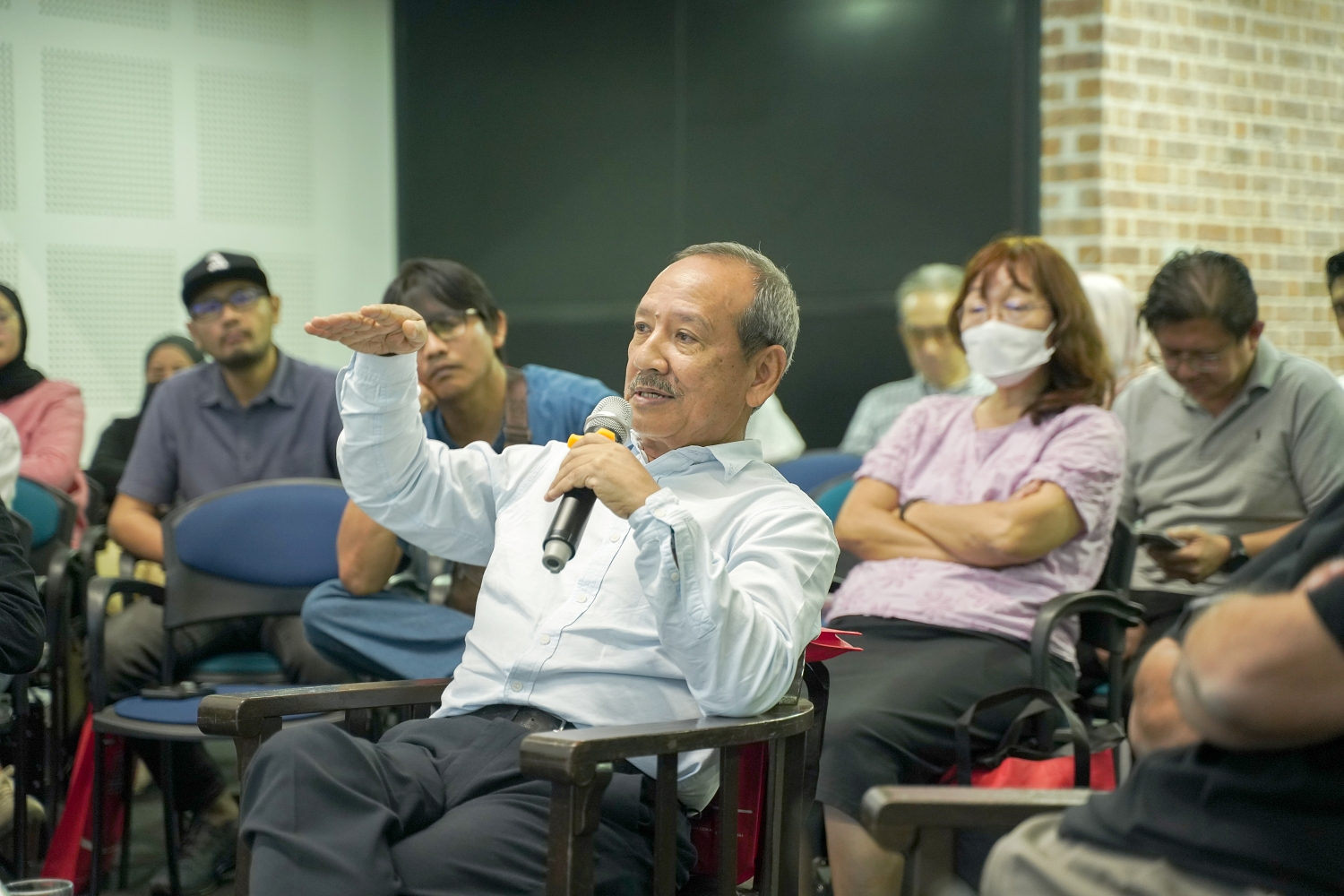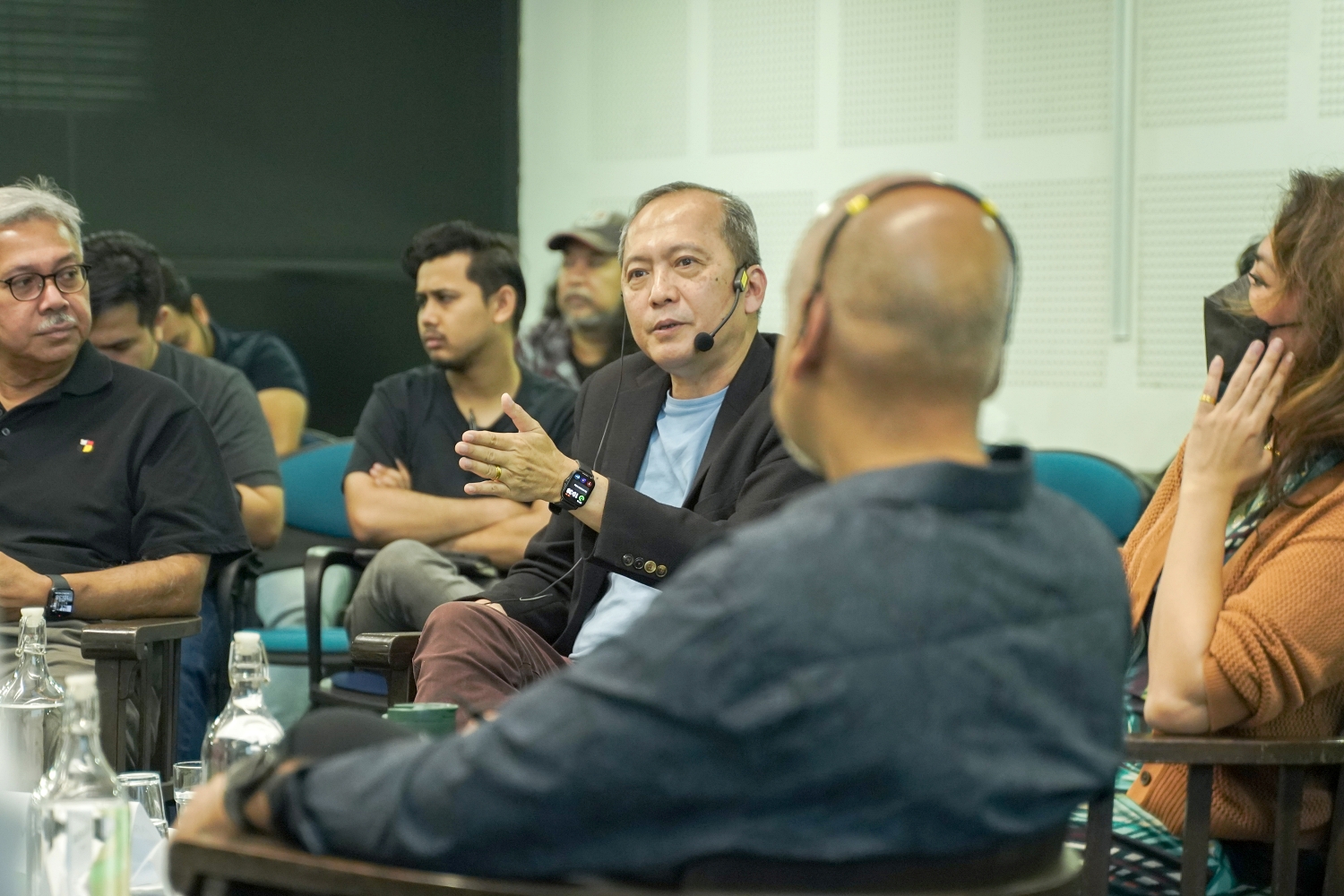
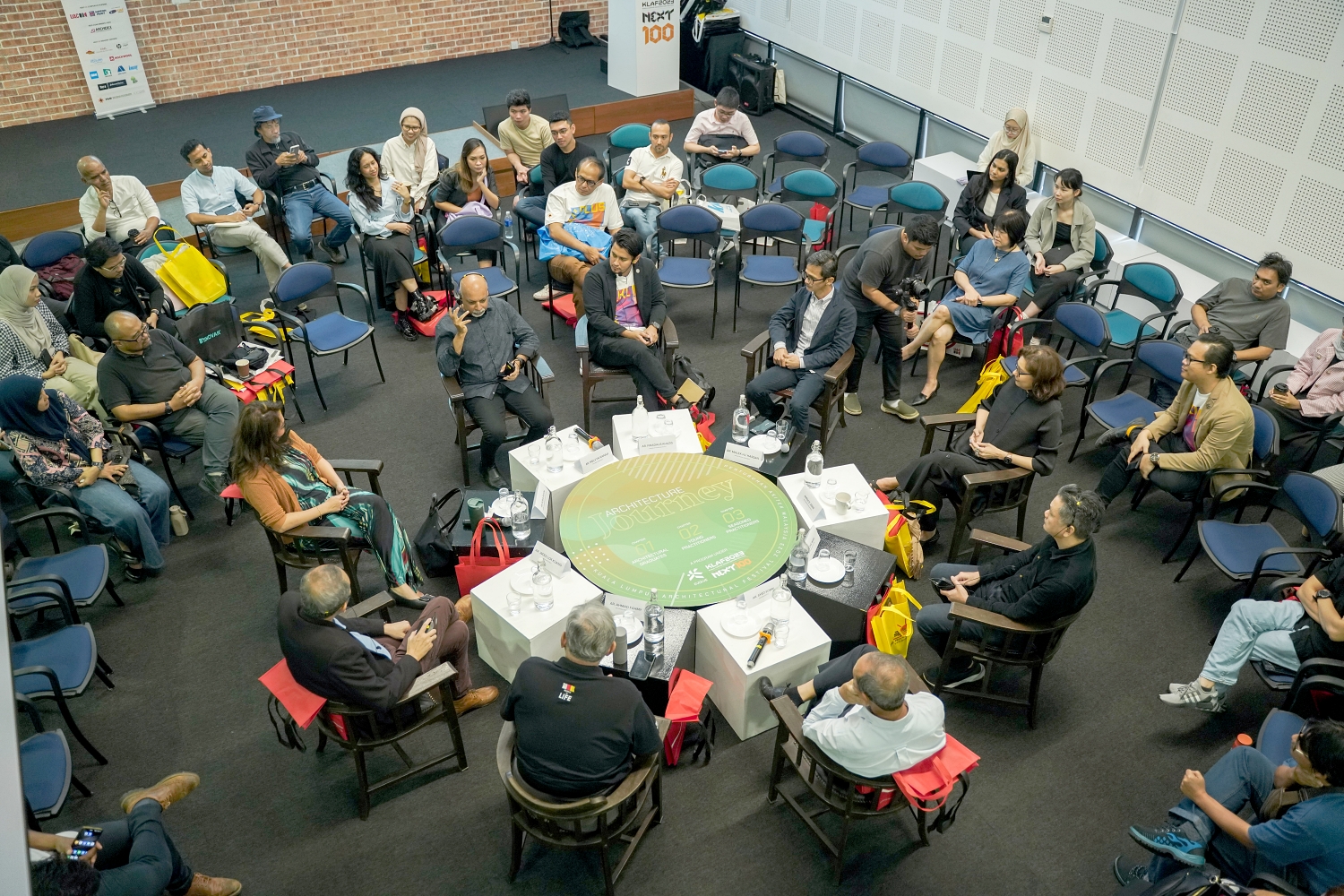
On the 22nd of September 2023, the last segment of the KLAF2023 Architecture Journey trilogy roundtable series featuring GDP Architects, Neuformation Architects, MJ Kanny Architect, Arkitek Juruperunding Suria Rahim, Wooi Architect, Chewan Architecture, Malek Hassan Architect and AF Consultant Architect was the focal point of this extraordinary assembly.
The PAM Centre once again stood as a fitting backdrop for this event. Under the banner of KLAF2023 Evolve convenor Ar. Qhawarizmi, and moderated by Ar. Firadaus Khazis, the forum promised a stimulating experience for those in attendance, offering a unique opportunity to glean insights and wisdom from architectural luminaries who had traversed the ups and downs of their illustrious careers.
The gathering was an invitation to partake in the collective wisdom of eight distinguished architects whose careers span multiple decades. They recounted their professional odysseys, replete with experiences that had weathered the dynamic fluctuations of the architectural realm, ranging from the pioneering days to the cutting-edge contemporary practices. The audience shared that they feel they have benefitted a lot from listening to the speakers’ vast experience and wisdom in navigating the industry and hope by learning from their past, they are now more informed and inspired for their future.
These seasoned architects have seen the industry transform before their eyes. They began their careers in an era where drafting tables were the norm, and the digital realm was a far-off dream. Architectural plans were meticulously drawn by hand, and projects were realized with manual precision. Now, in an age of 3D modelling, BIM technology, and sustainable design, these architects have been at the forefront of the industry’s technological revolution.
They recall their early days when they had to rely on physical models to convey ideas. The transition to digital design was challenging, but it was a necessary evolution to streamline their work and better communicate with clients.
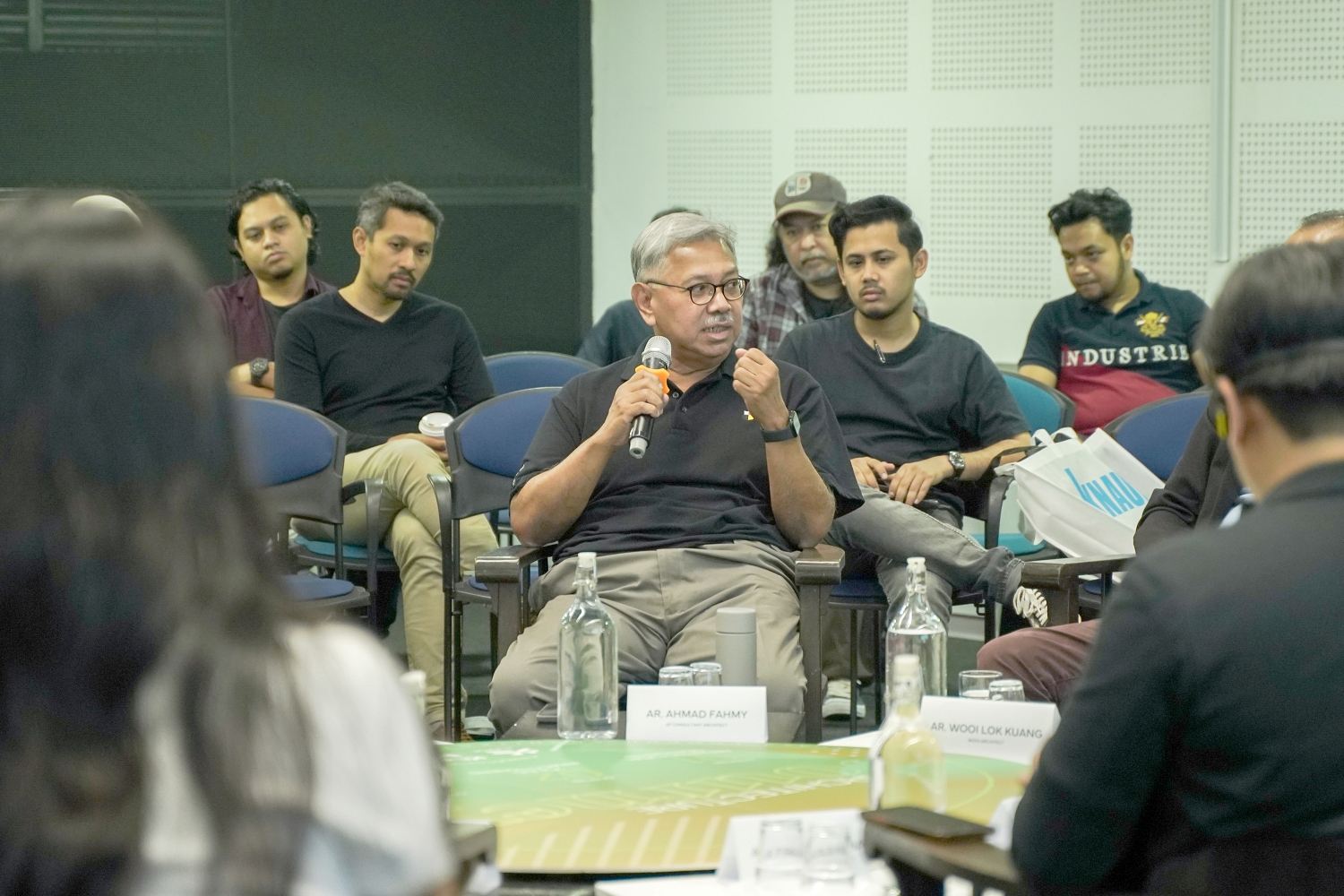
Like any profession, architecture has its fair share of challenges. These architects have faced setbacks, from economic recessions that disrupted the construction industry, and the recent COVID-19 pandemic, navigating complex regulatory landscapes, to shifting client demands. The architects acknowledged that adaptability, diversifying services and strategic planning were crucial. Challenges often spurred innovation and growth, reinforcing the idea that resilience is a cornerstone of success in the architectural realm.Ar. Ahmad Fahmy mentions, “Navigating challenges and change requires much wisdom. Both, in thinking and execution. Architecture schools don’t teach you this. Your experience; your trials and tribulations; your ingenuity and sincerity; these will be your guiding principles in determining your successful way forward”.
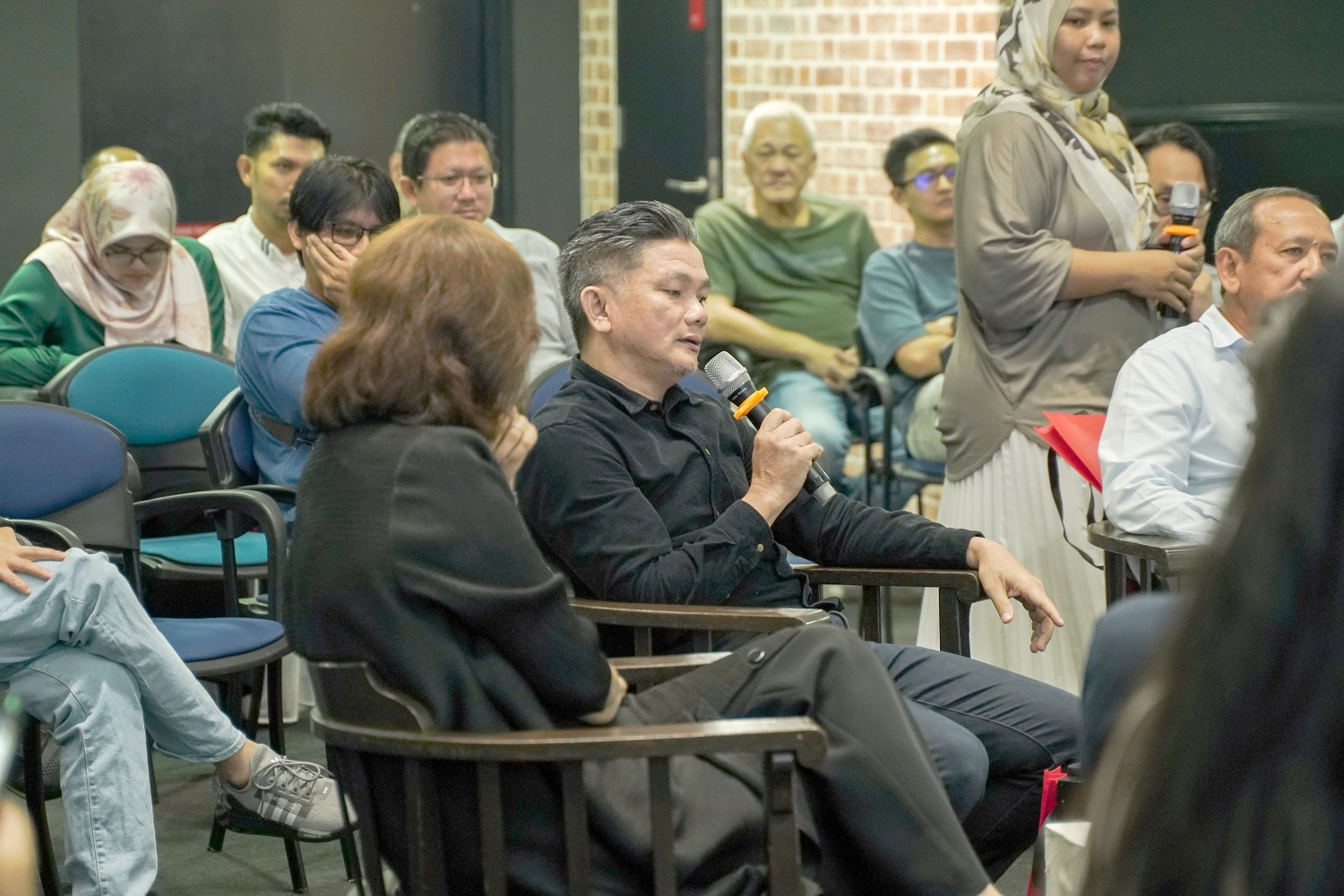
he discussion on hiring and office structure highlighted a collective emphasis on qualities such as creativity, adaptability, and a strong work ethic. The panelists unanimously expressed the importance of assembling a diverse team, combining seasoned professionals with fresh perspectives to foster a dynamic and collaborative work environment.
Ar. Che Wan thinks optimising existing physical and human assets is the most important and now believes that good work can be produced by a smaller team. He reflected on days when his practice had more than 30 staff and the challenges of practising on such a scale compared to his current more optimised office size. He found that he could focus more on his architectural ideas and manifestation, thus worrying less about the impending monthly office overhead.
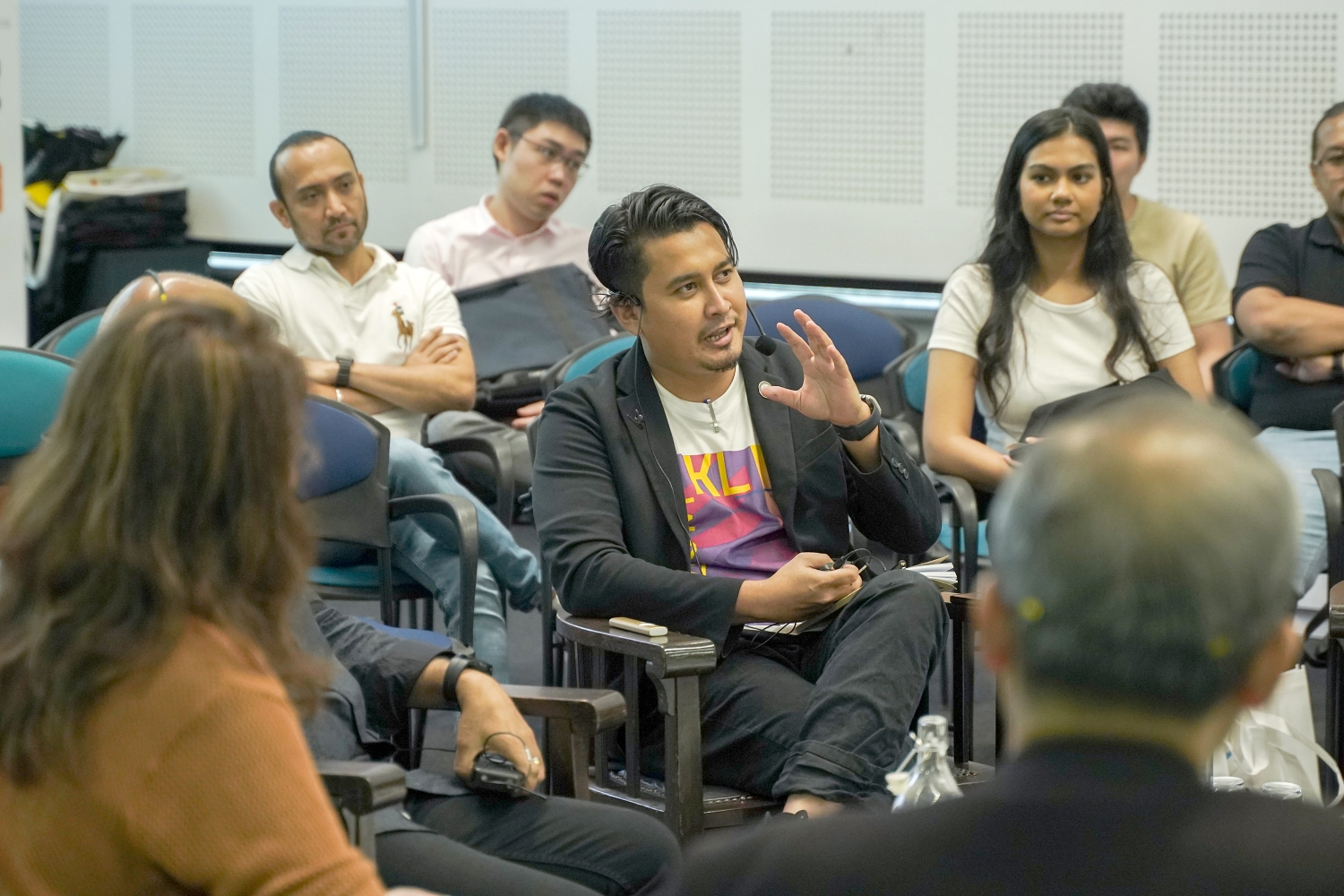
Consistent with the line of questioning in Architecture Journey 1 and Architecture Journey 2, the topic of staff remuneration has been brought up again to obtain a point of view from the seasoned practitioners. At a glance, Ar. Syed Sobri admitted the industry could have done better to compensate their workforce to reflect their expertise and competency more closely. This is important to encourage professionals to continuously work on their skills and motivate the younger generation to take up architectural education and an architectural career as their possible pathway towards a bright future. However, he feels the efforts to improve remuneration packages should not be mandated, but rather a voluntary effort by each practice to ensure the workforce is well-compensated and kept motivated. In turn, this will create a differentiation of financial offerings in the labour market to attract or retain local talents in the country.
He believes this starts from the proprietor managing the financial health of the practice by ensuring the practice is paid for rendering its services. He shared his experience with GDP Architects to always strive to give their best for their clients, ensuring the value of their service is not only conveyed but demonstrated. An example of delivering value while optimizing time for rendering their service is to provide at least 3 equally viable schematic schemes at the start of a project. He recollects from his experience, that those options are helpful to allow clients to eliminate and choose what they want from the project as they visualise the project from different perspectives. While this may initially be labour intensive, he reaffirmed working on one of the three schemes that the client approves of from the beginning cuts a lot of guesswork and allows the practice to deliver work according to the client’s need. As a result, the practice can better manage the manhours spent on the project and invoice clients in a consistent periodical frequency.
Implementing a comprehensive reward structure for staff extends beyond mere financial remuneration, encompassing additional benefits that contribute to their overall well-being and satisfaction within the workplace. This holistic approach often includes avenues for recreation or opportunities for holidays, fostering a work environment that values not only professional growth but also personal rejuvenation. Such an approach has borne testament to its efficacy within Ar. Suria’s office is evident in the remarkable tenure of their staff, many of whom have been integral members of their team for over a decade. This enduring loyalty and commitment were not instantaneous; rather, it evolved gradually, fostering a culture where individuals, starting from their days as internship students, have grown and thrived, eventually becoming valued partners in our office. This exemplifies the success of a nurturing and inclusive work culture that values and nurtures its talent through every stage of its professional journey.
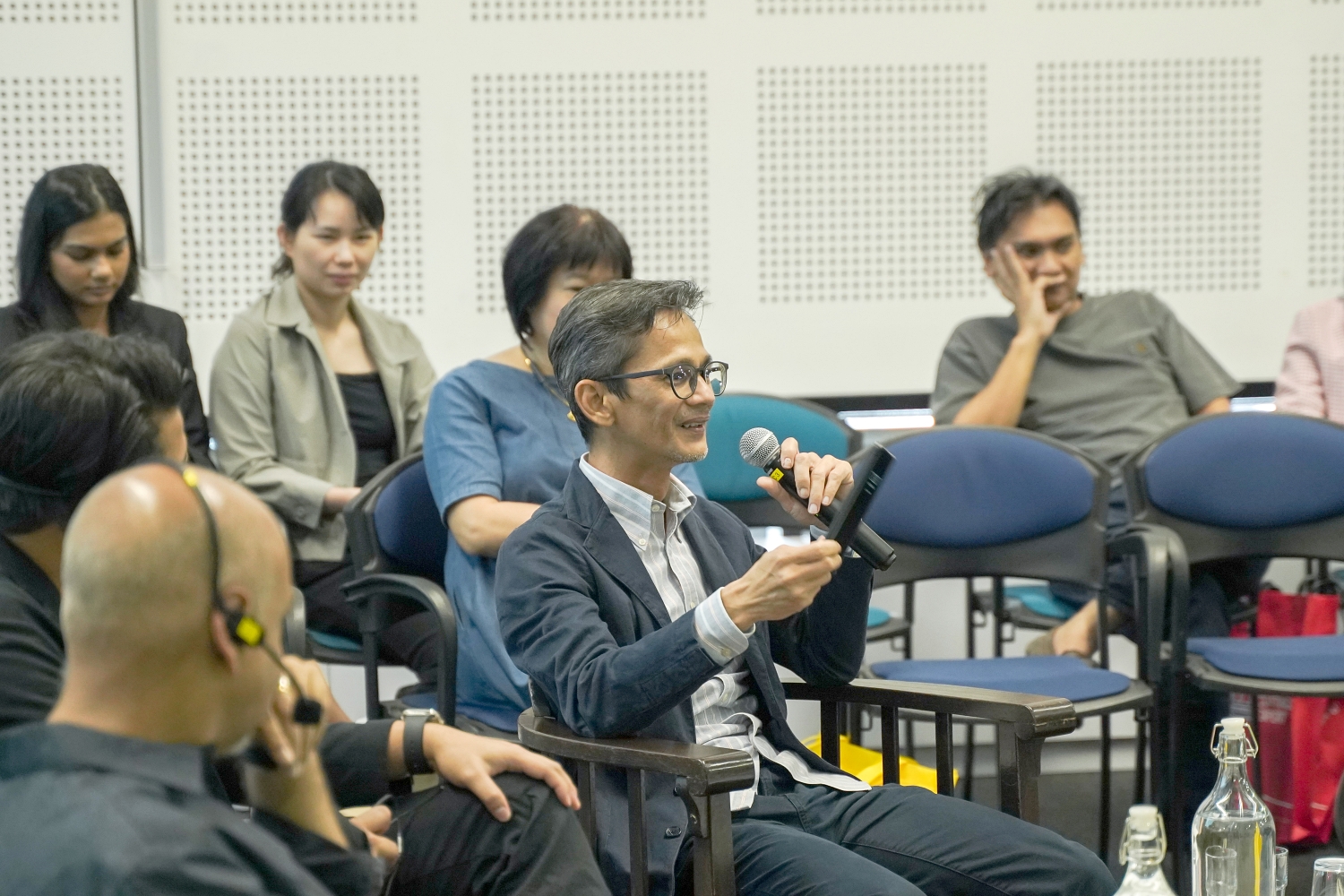
Each architect offered insights into their unique work cultures, emphasising the importance of fostering creativity, collaboration, and a healthy work-life balance. The shared sentiment was that a positive and inclusive work culture is fundamental to attracting and retaining top talent.
Ar. Che Wan used to work in a large corporate office and believes in the value of hard work. From his early career, he studiously worked in the office until the wee hours. Often returning home for a short refresh only to go back to the office for another few hours of work. This experience influenced his practice, when he grew his practice up north. However, today he focuses on the optimisation of physical and human resources to deliver equivalent service value with a smaller workforce. Coupled with healthy practice management, keeping all personnel working in a positive and constructive environment.
Ar. Malek works predominantly by himself. An approach that he values tremendously, where personal freedom allows him to craft very personal architecture. He reiterates the value of a calmer state of mind and focuses on achieving short and long-term goals. Part of this approach is to be open for collaboration with other architects, to bring the best value of a project.
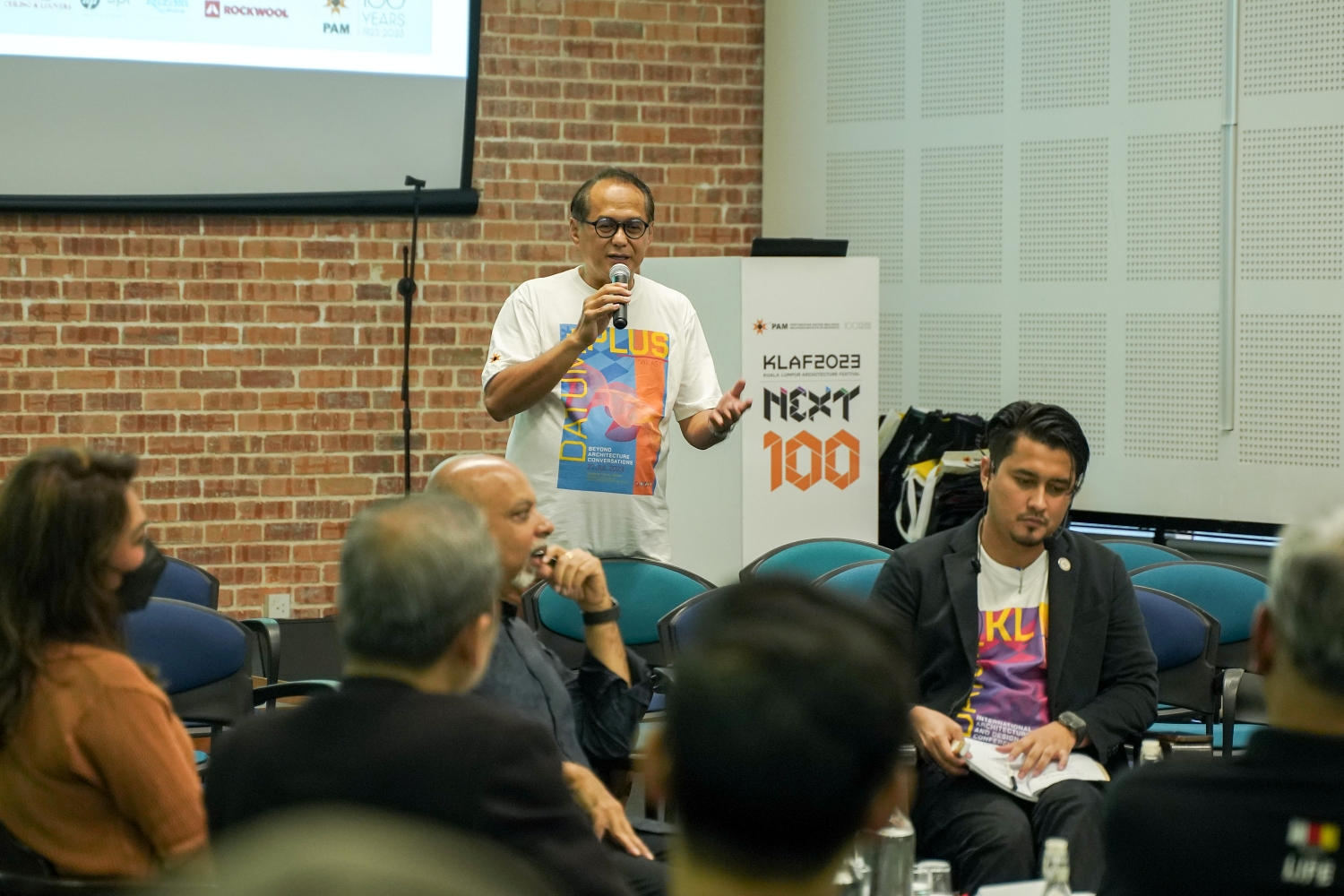
The unanimous consensus was that social media is an indispensable tool for architectural practices. The architects recognize its role in amplifying their reach, showcasing their portfolios, and engaging with a broader audience. Keeping up with social media, they argued, is synonymous with staying relevant in a rapidly evolving industry.
Ar. Melvyn shares that he explored his creative outlet through jewellery design that he started working on during the COVID-19 pandemic as part of a challenge when his spouse intended to have a custom-made ring done for herself. That opportunity intrigued him, so he took up an online jewellery course and began to work on some sketches. It eventually led him to design a full product line, called Zikurat Jewelry.
Ar. Syed Sobri is now leading GDP X, a property developer arm of GDP Architects, and shares his take on expanding beyond architecture consultancy services. He believes architects have an abundance of ideas yet to be tested in the market that can solve a lot of common property issues. One example was service pipes that puncture through RC floors and induce the possibility of inter-floor leakage. In one of GDP X apartment developments, he has manifested a viable solution of having all services punch through exclusively through walls, keeping the floor as a solid monolith.
Diversification, they asserted, not only mitigates risks associated with market fluctuations but also opens doors to new and exciting opportunities.
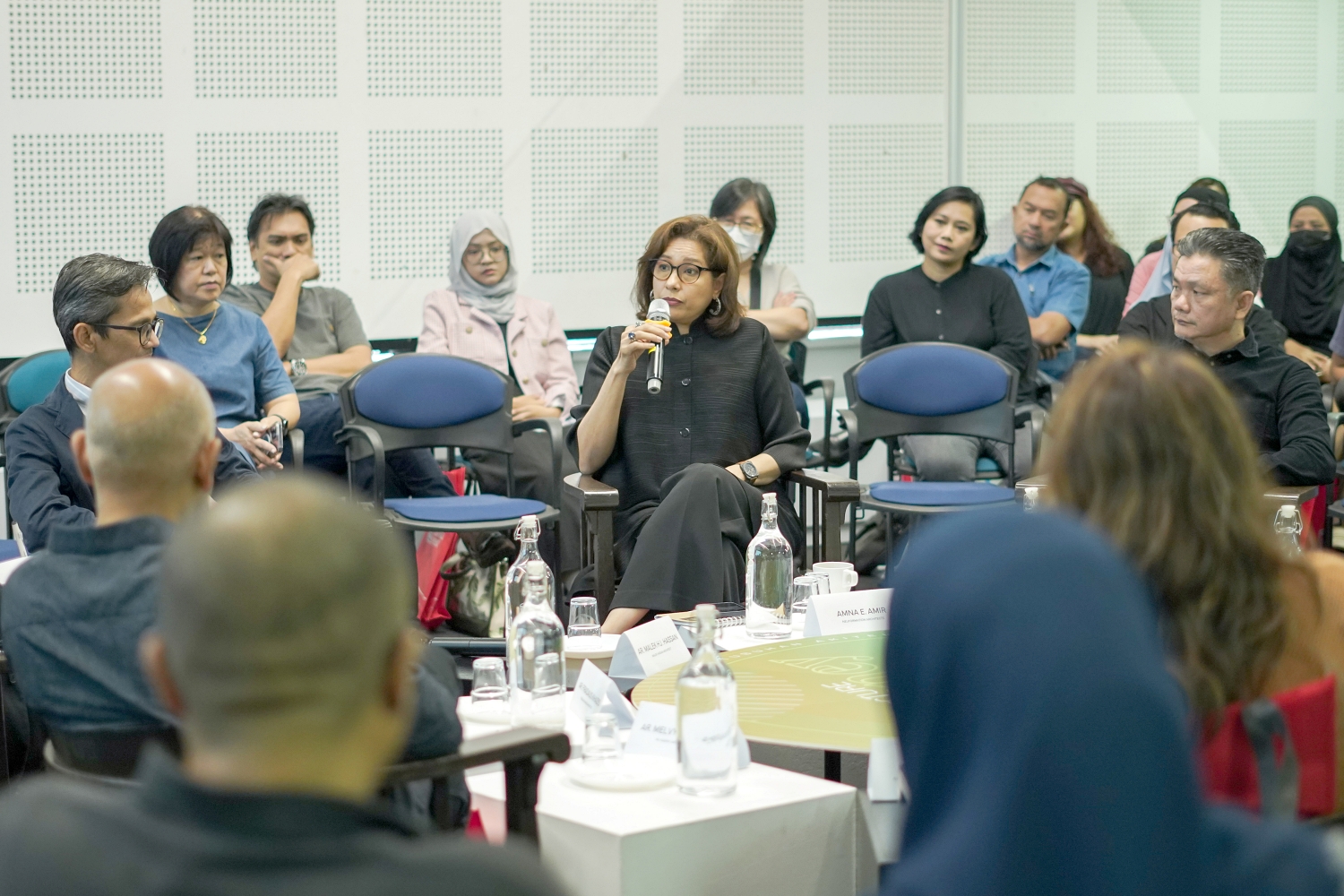
Ar. Wooi Lok Kuang reinforces his belief that architecture is a lifelong service to society and there is no such cut-off point where he can stop becoming an architect. Perhaps one of the most crucial aspects of the journey for all these architects is their role as mentors. They’ve not only honed their craft but have also actively guided the next generation of architects. Their wisdom and experience are invaluable as they share their insights, nurture young talent, and ensure the legacy of their profession continues.
Ar. Ahmad Fahmy is convinced that offices need to work on a succession plan and groom the deserving staff to be promoted to a managerial level. He shares that maybe he should have started the process earlier for his practice, but he believes that within this short amount of time, he can get some of the potential staff to be pushed forward and develop them into a competent professional to take over and run the practice one day.
Amna Emir from Neuformation Architects believes in procedural transitions of practice leadership. Rather than romanticising the ownership of a practice, she believes the practice is a container of value. The practice is seen as a vehicle to contribute to nation-building. Any worthy individual who embodies that value can continue to sail the practice to brighter waters.
Unanimously, no panellist thinks they have ever been totally retired or planned to forgo architecture as their life-long passion. It is a challenging career, yet rewarding and fulfilling. It is a vocation rather than a job, a conviction rather than a chore.
In unravelling these insights, the KLAF2023 Architecture Journey not only sheds light on the challenges and successes of these architectural visionaries but also offers a roadmap for the aspiring architects of tomorrow. The collective wisdom shared in this forum serves as a beacon, guiding the industry towards a future that is both informed and inspired by the experiences of its seasoned leaders.