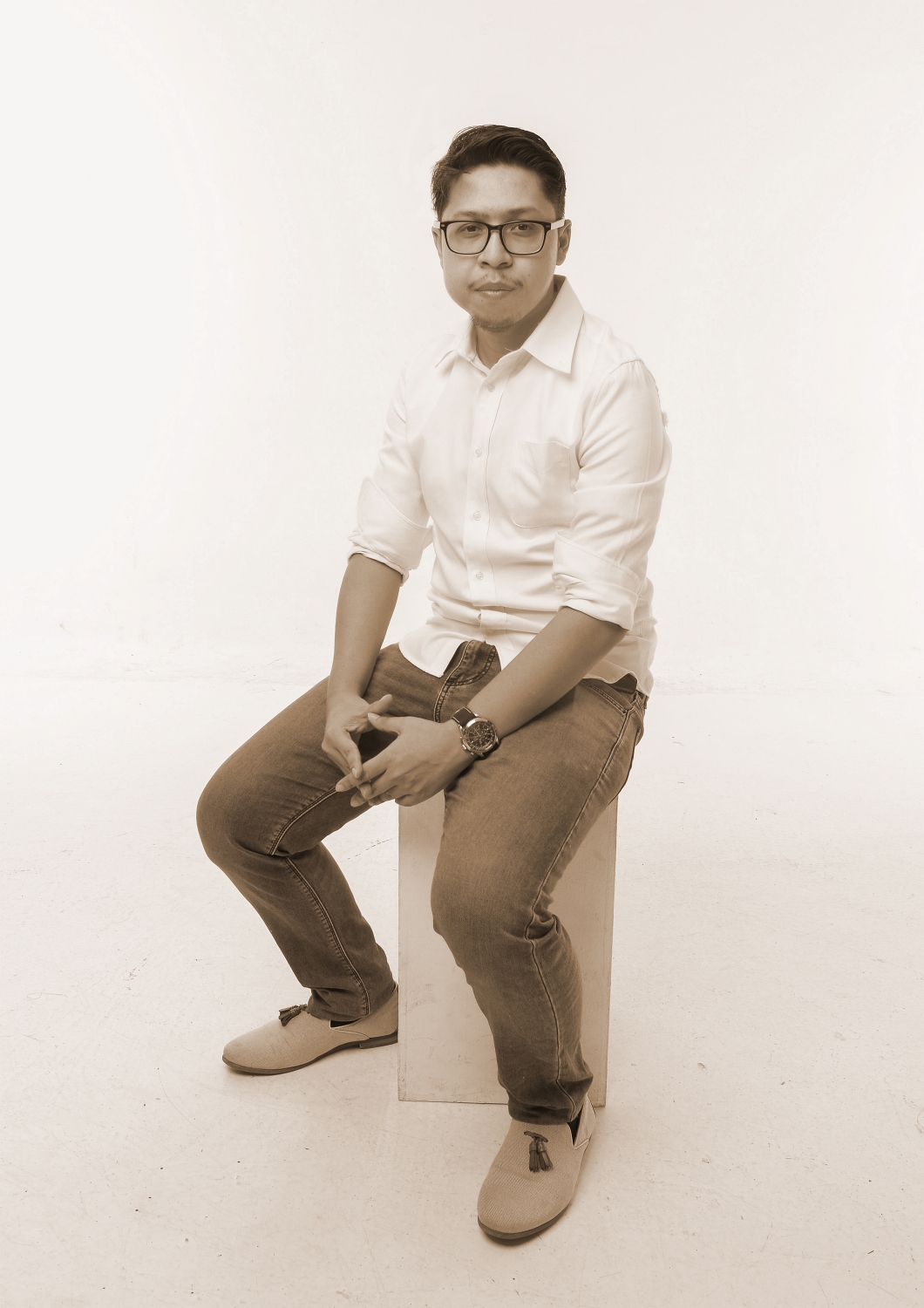
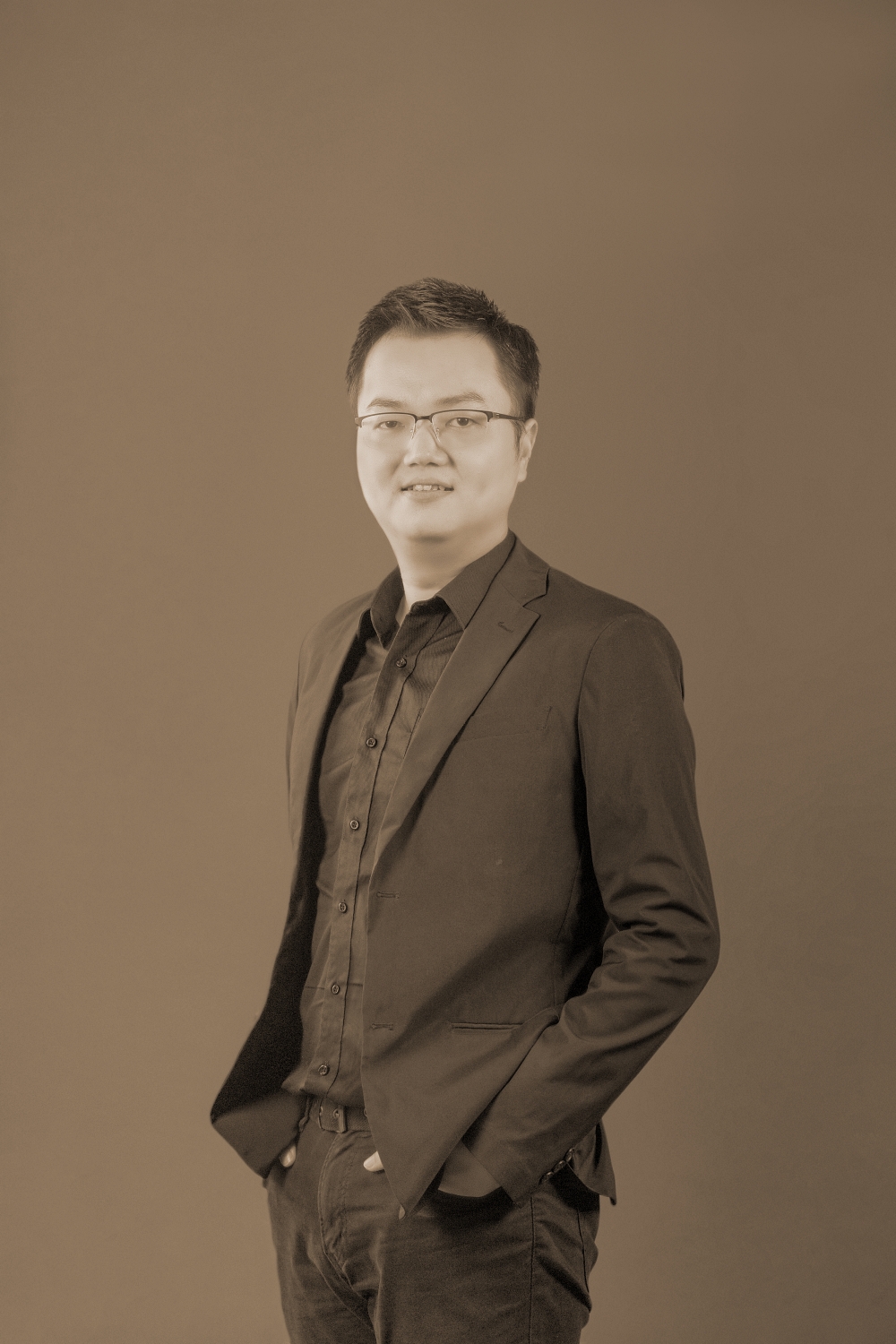
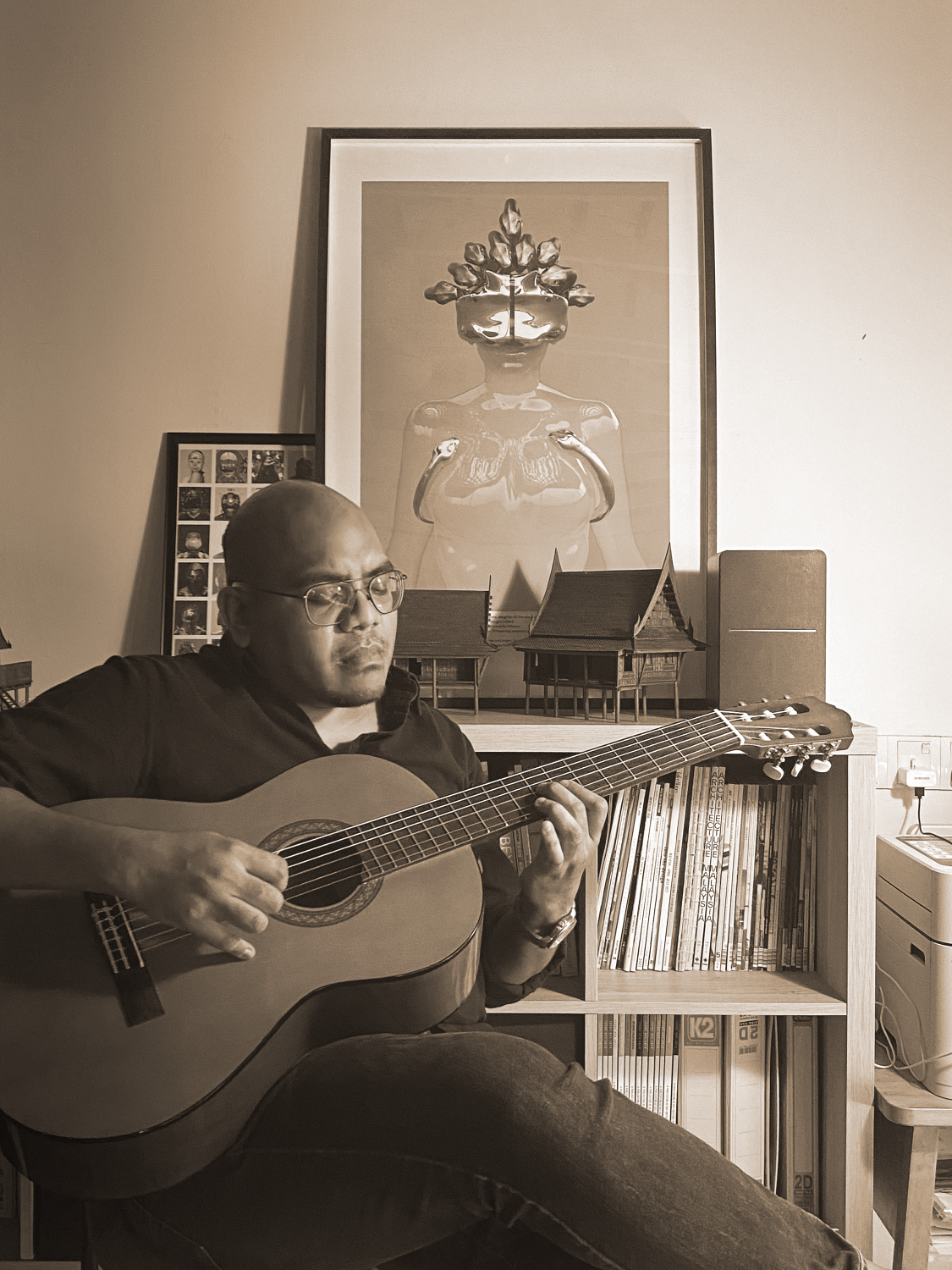
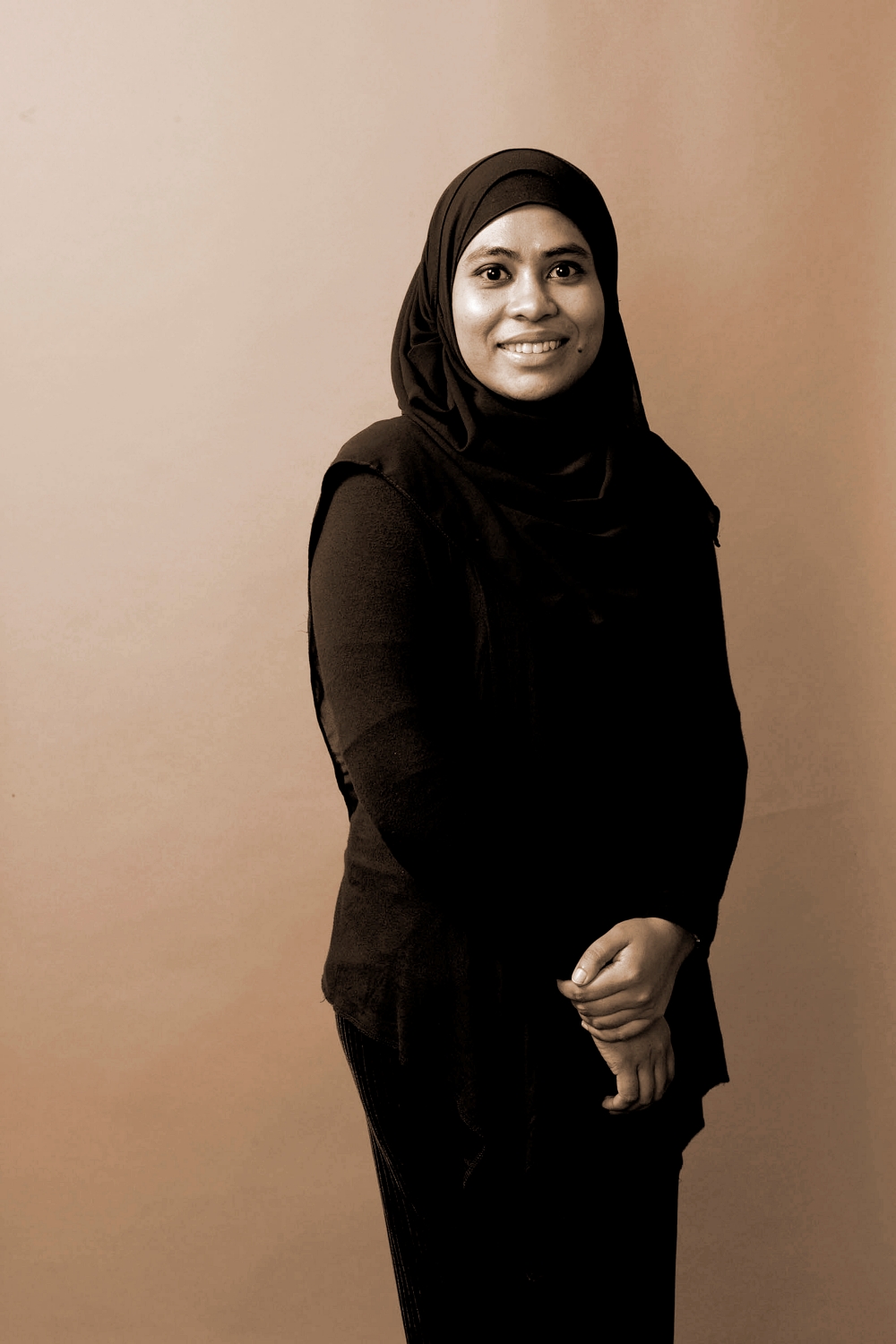
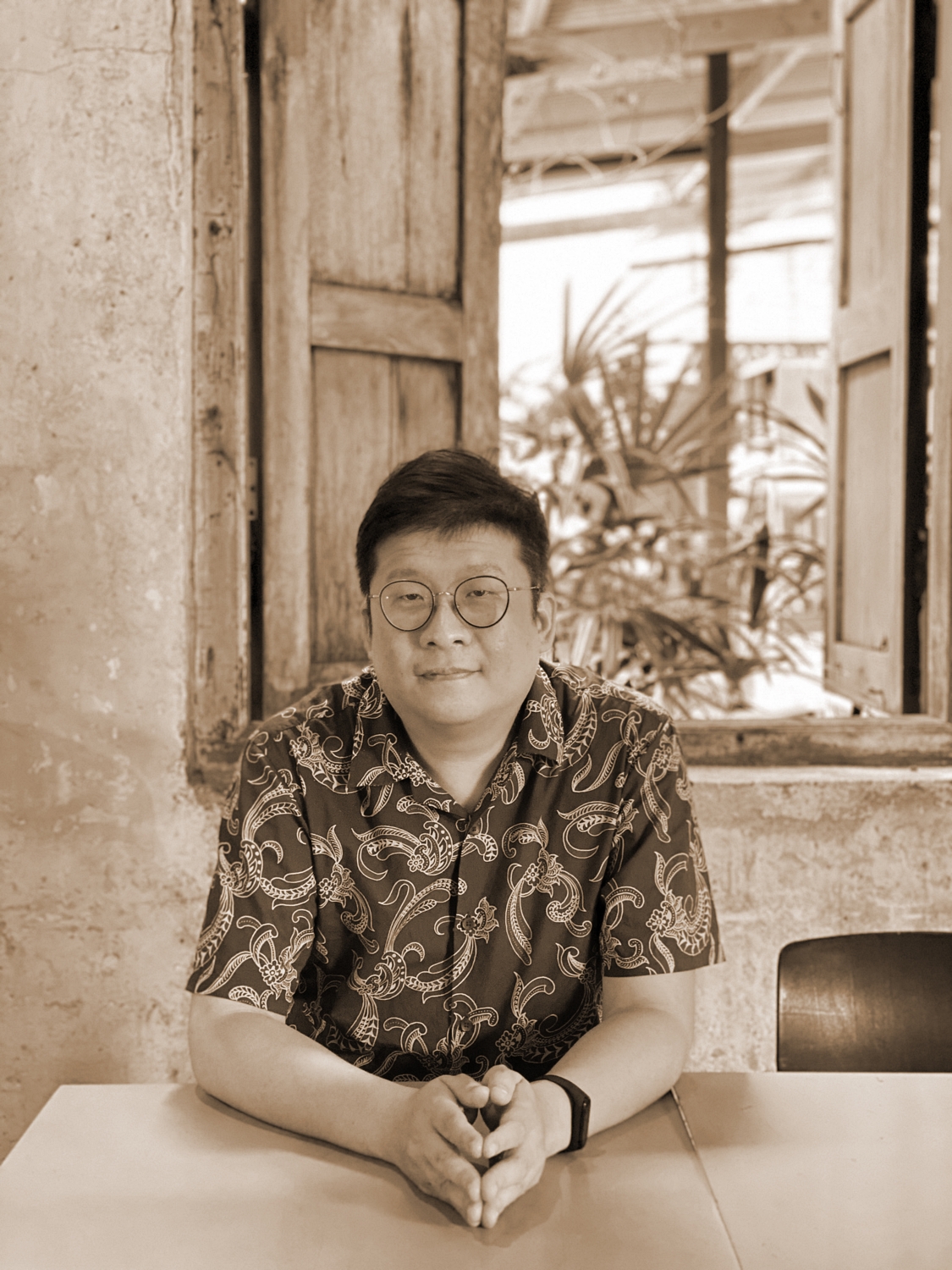
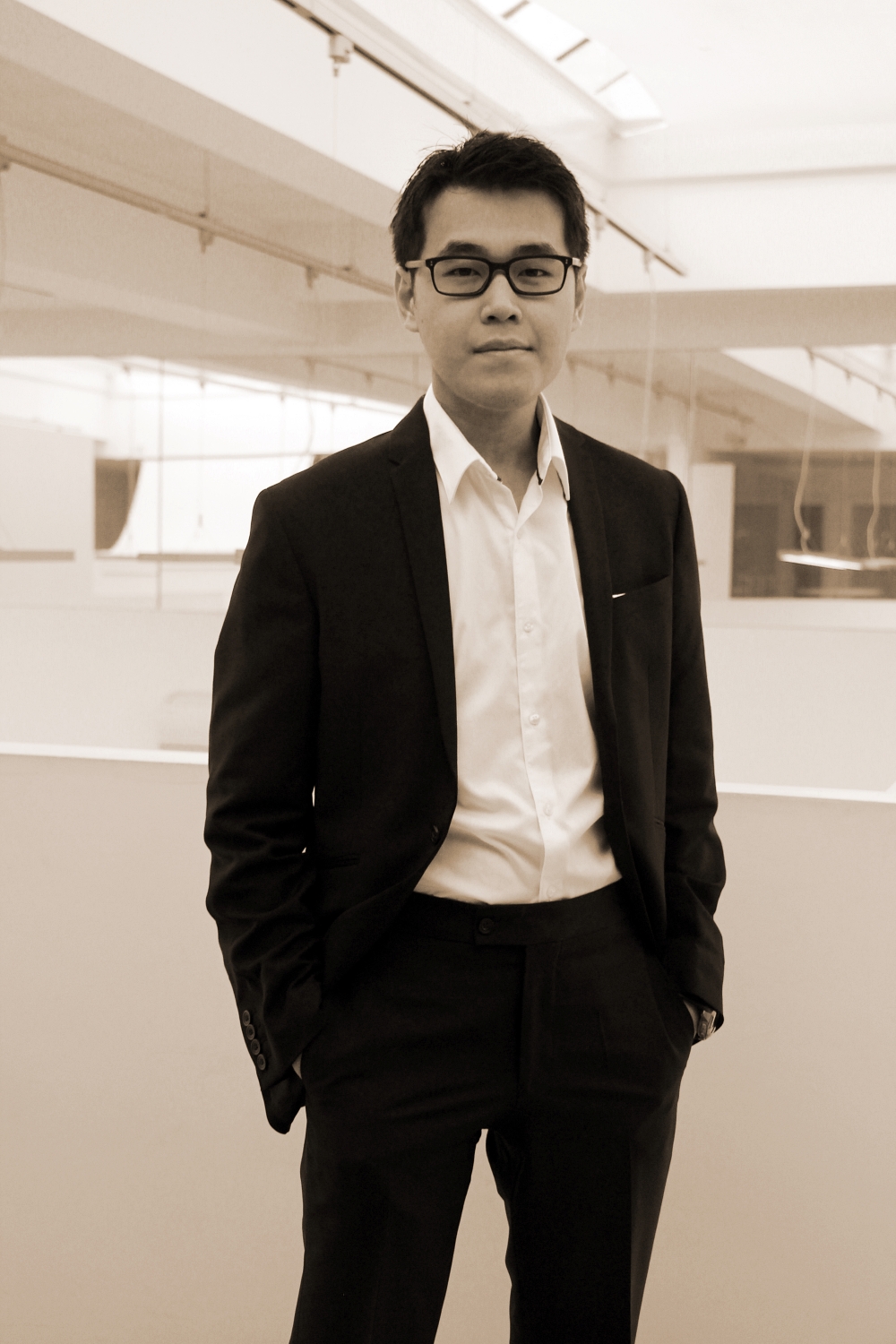
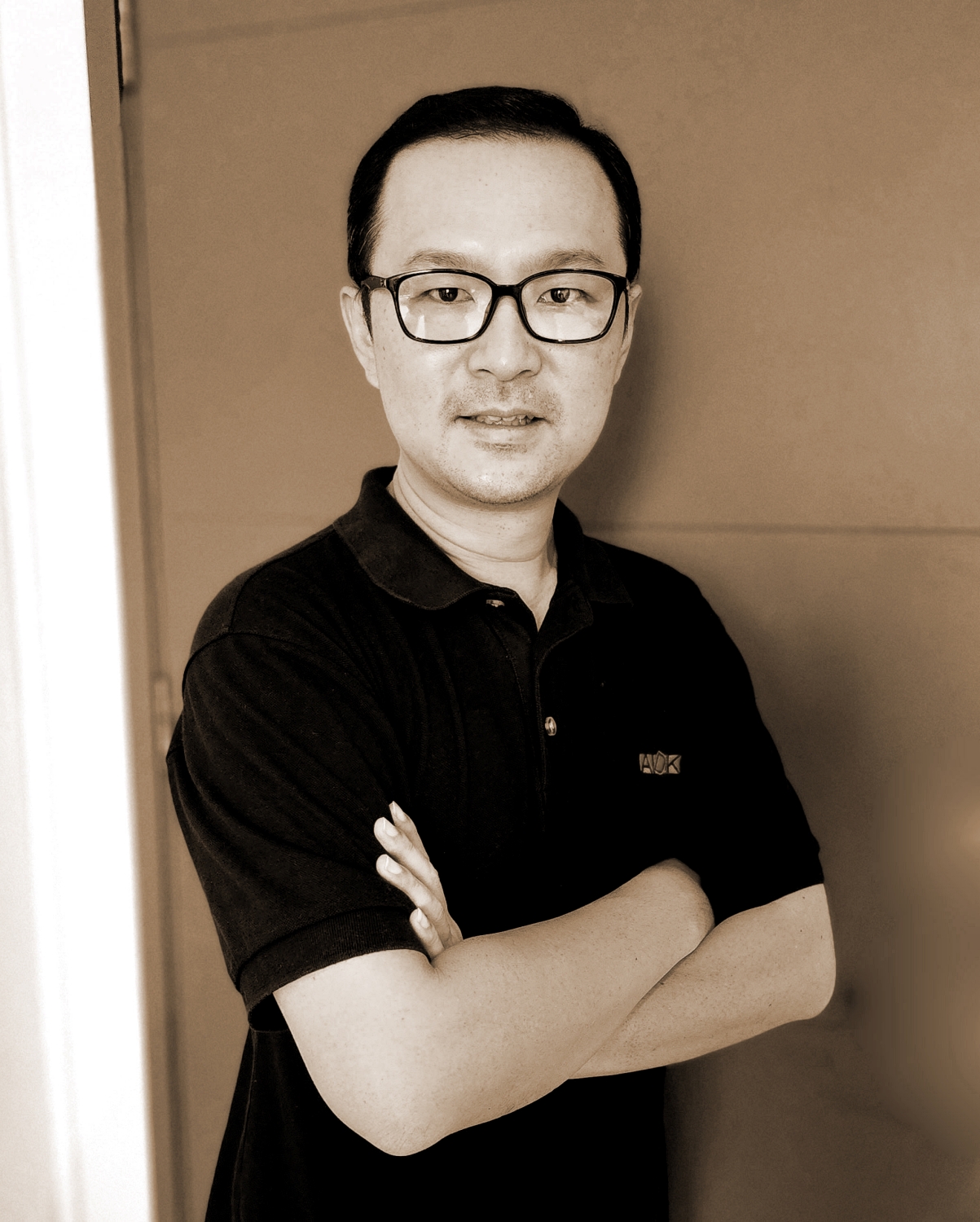
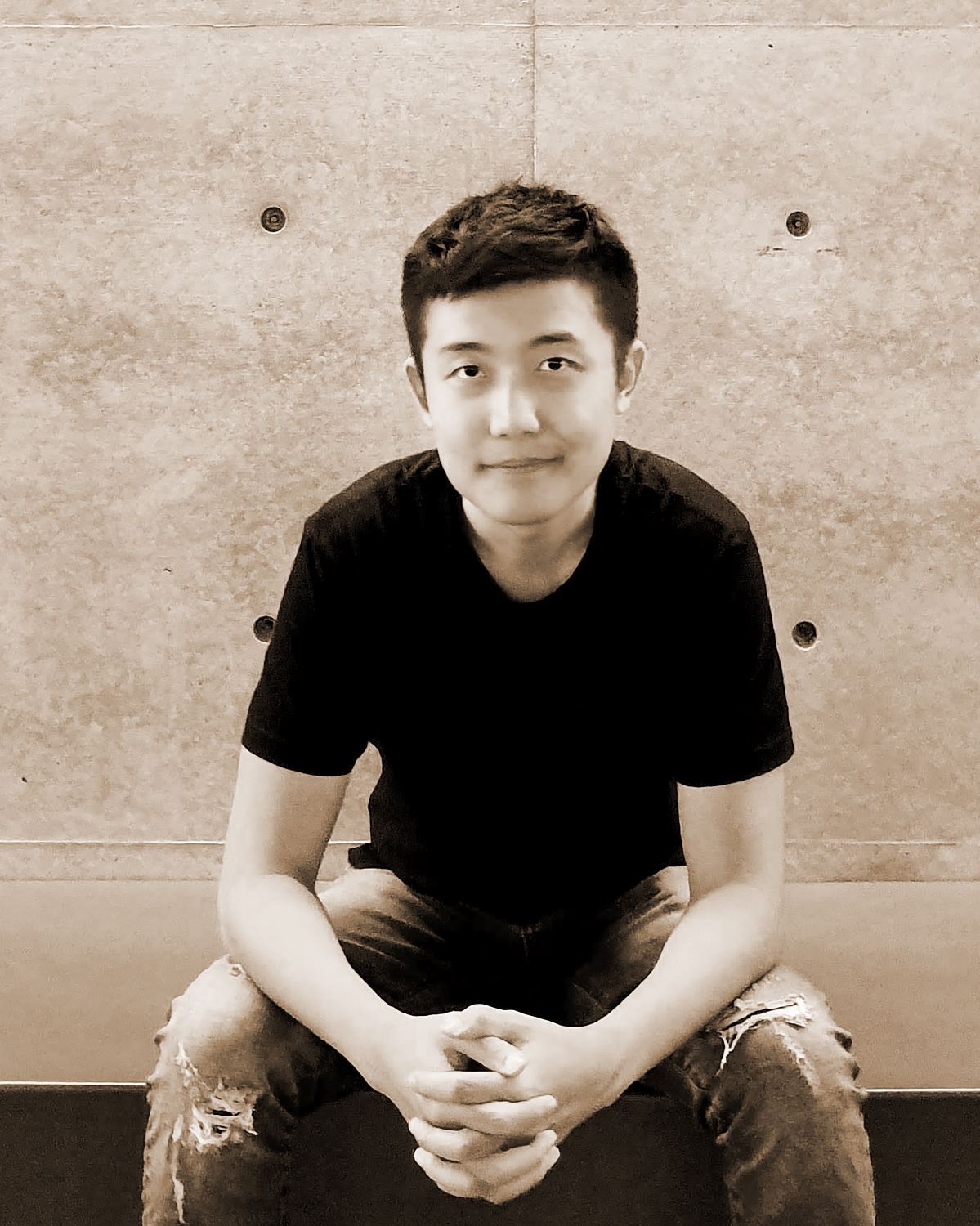
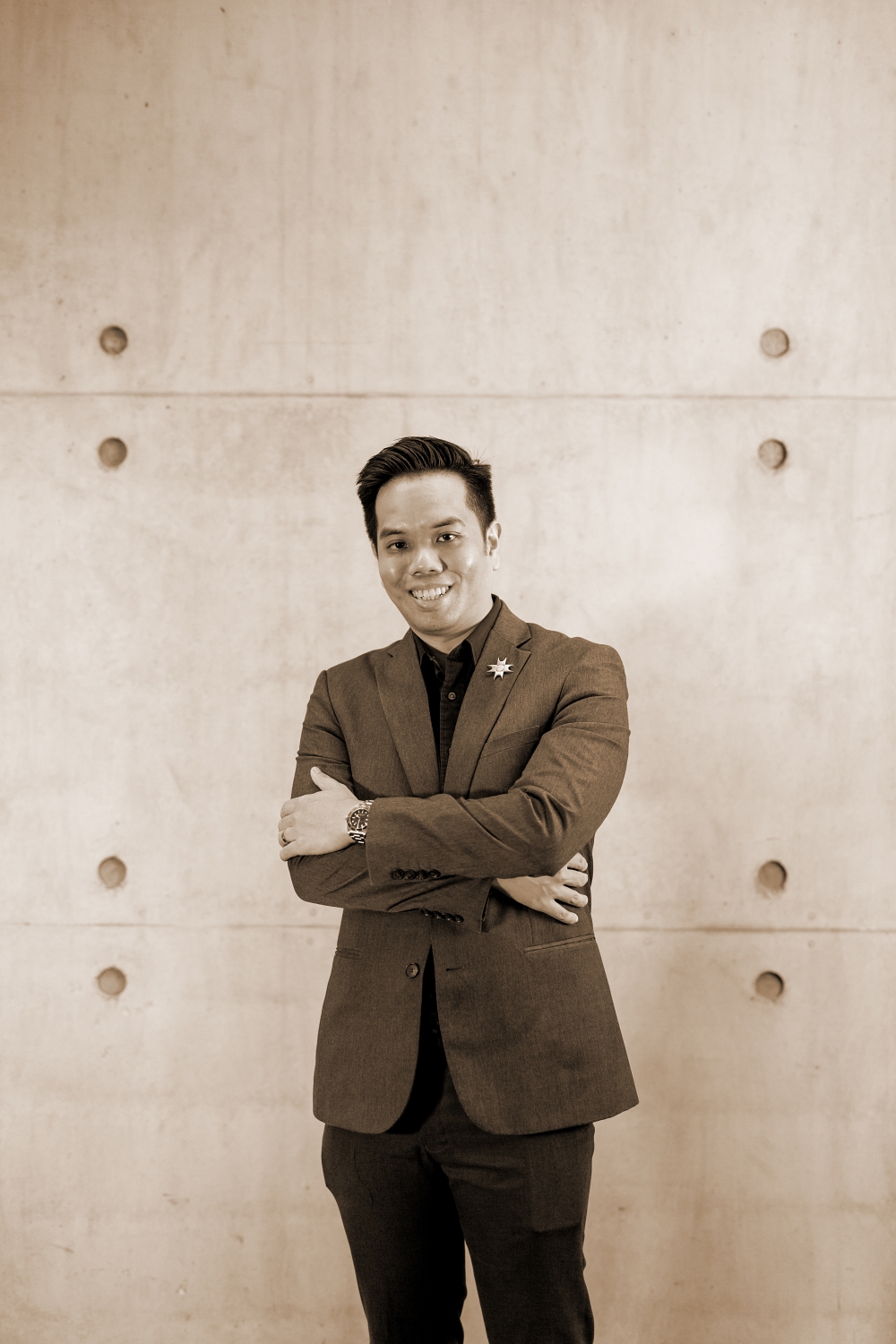
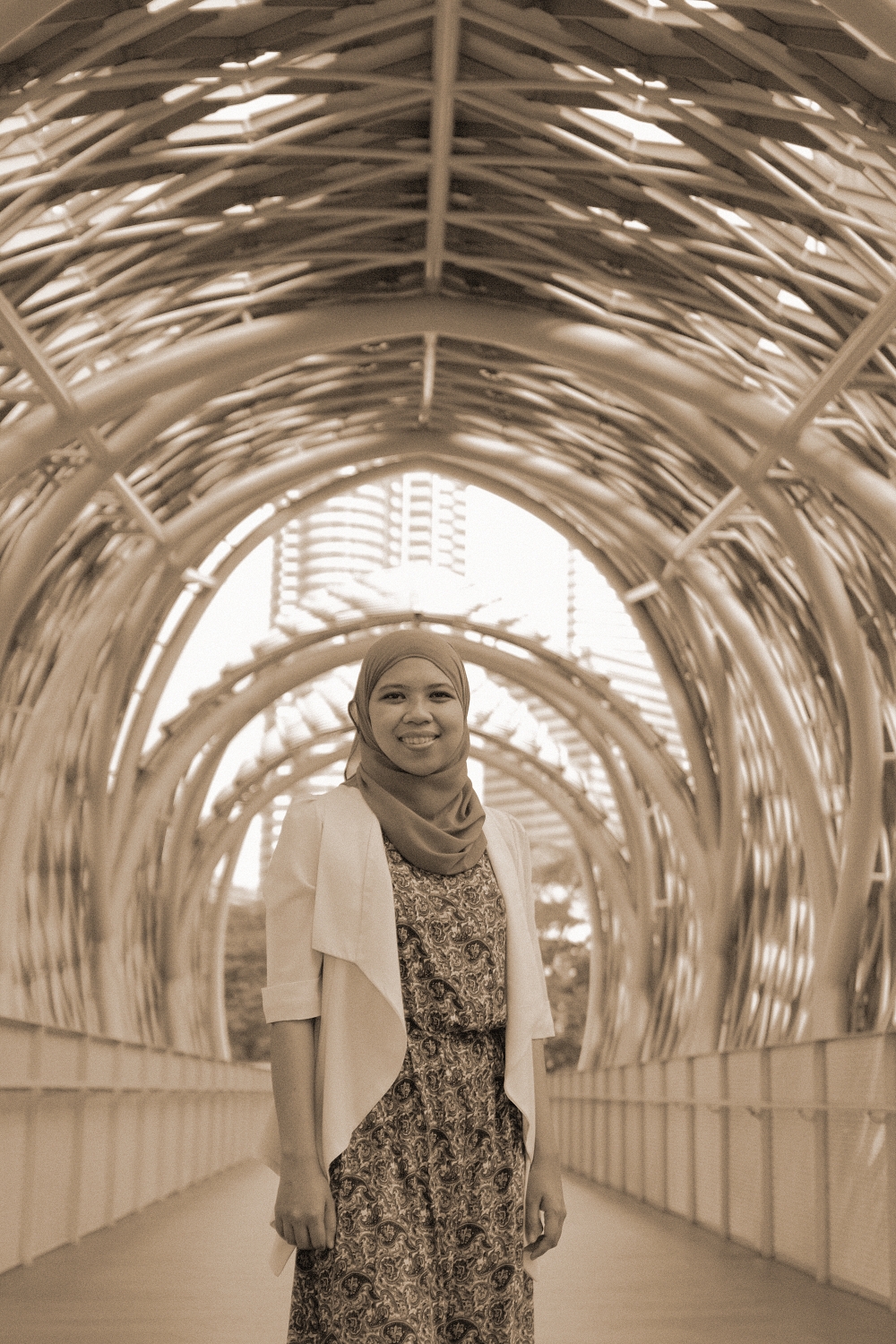
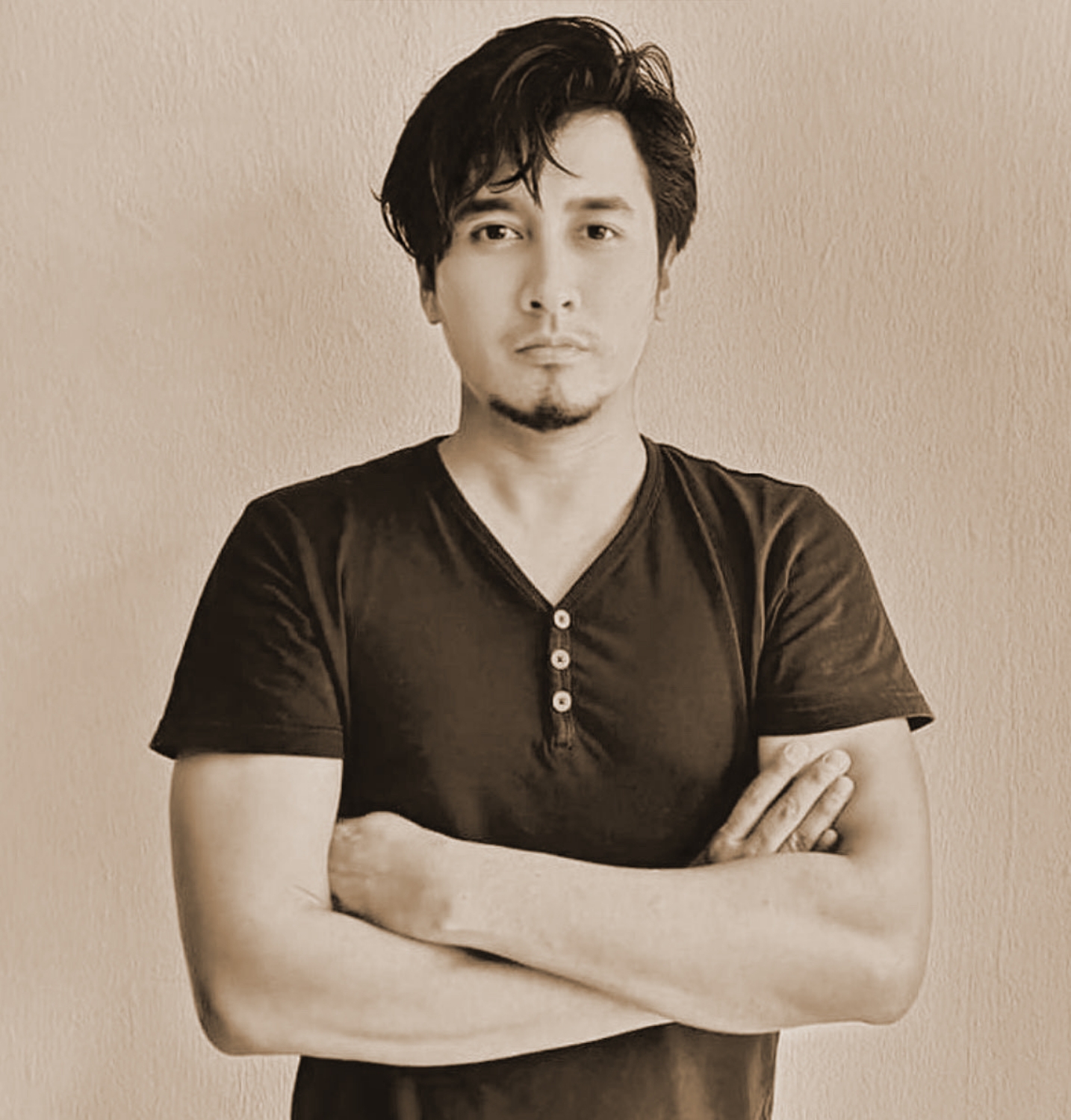
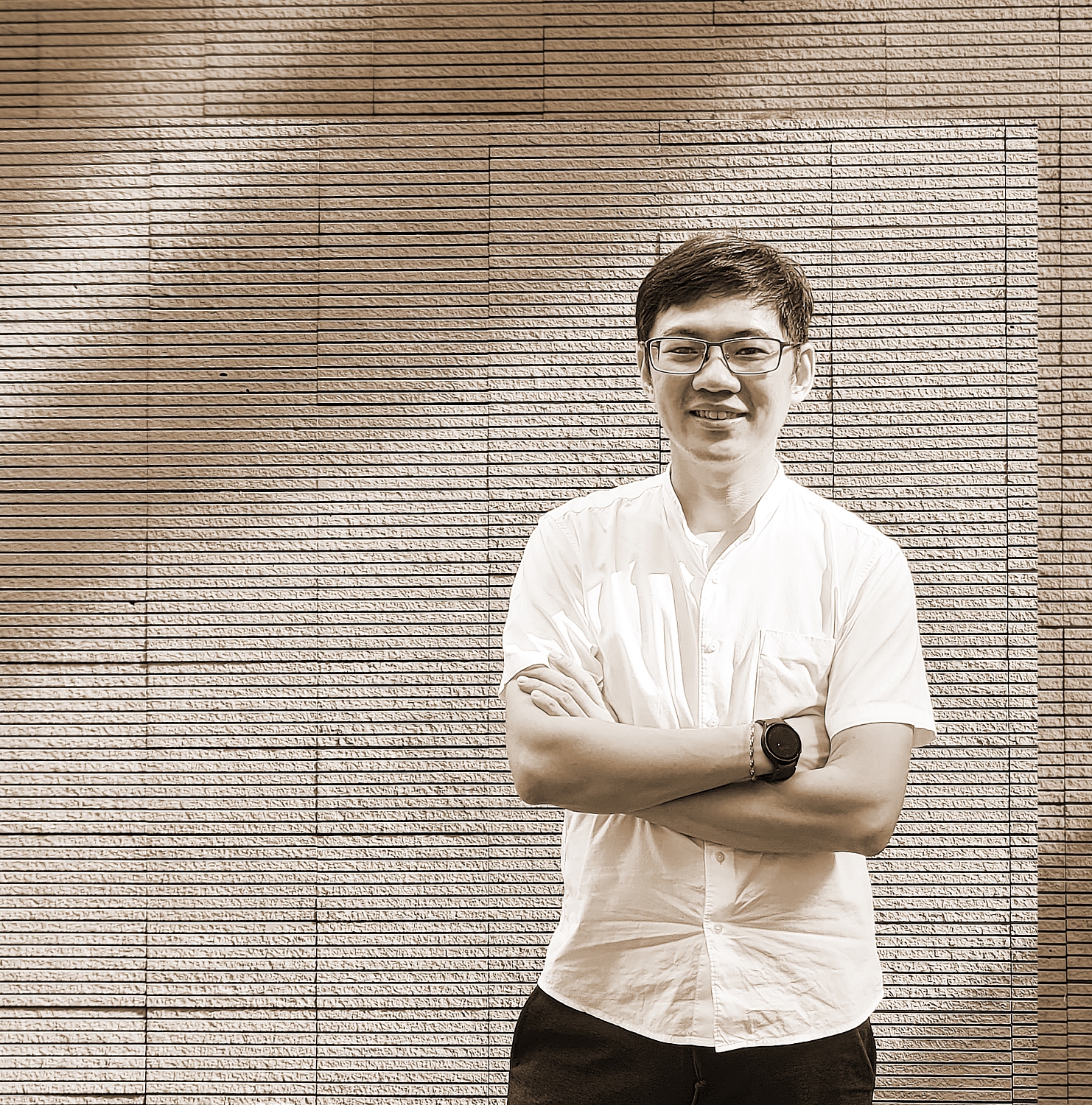
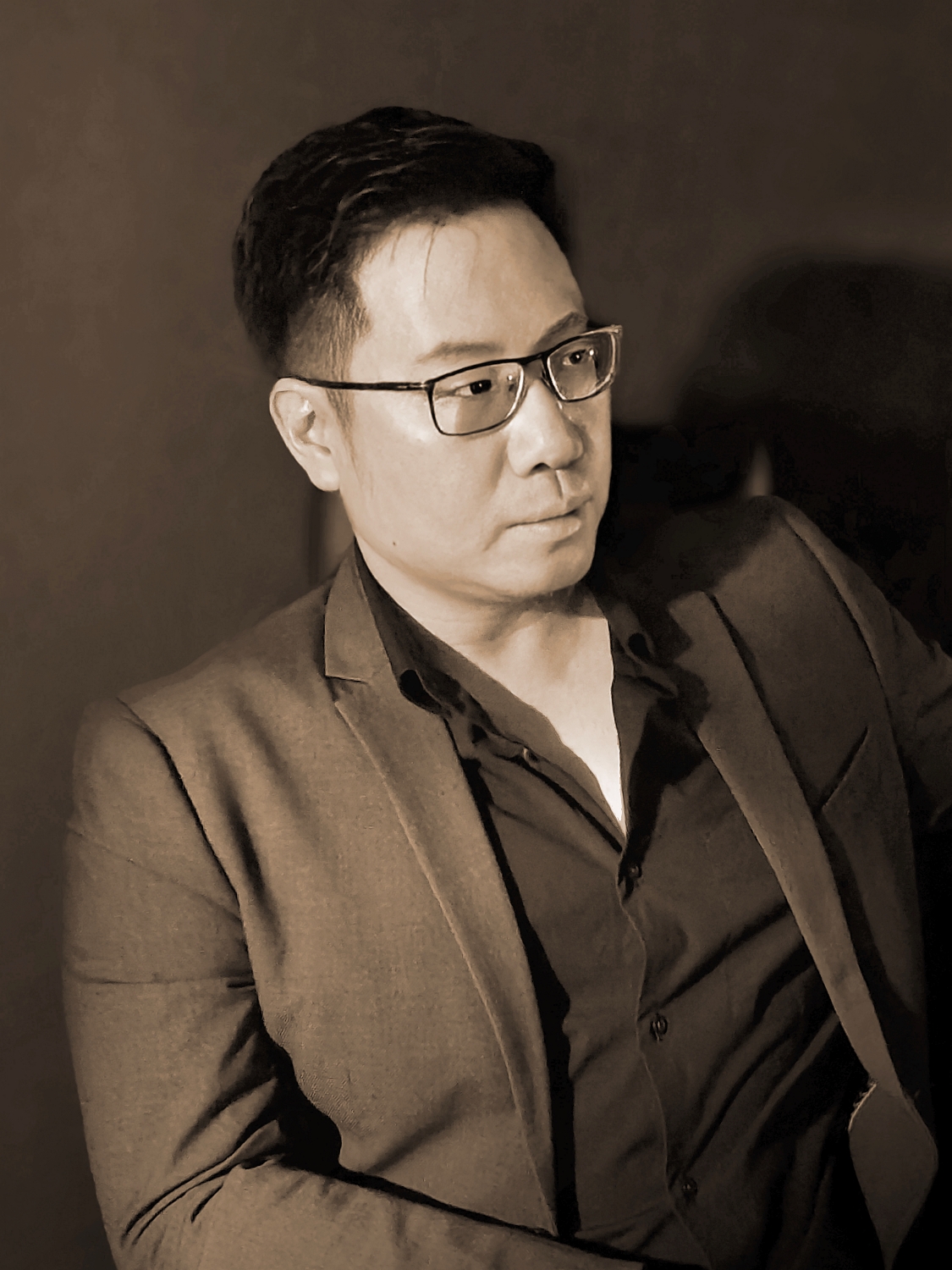
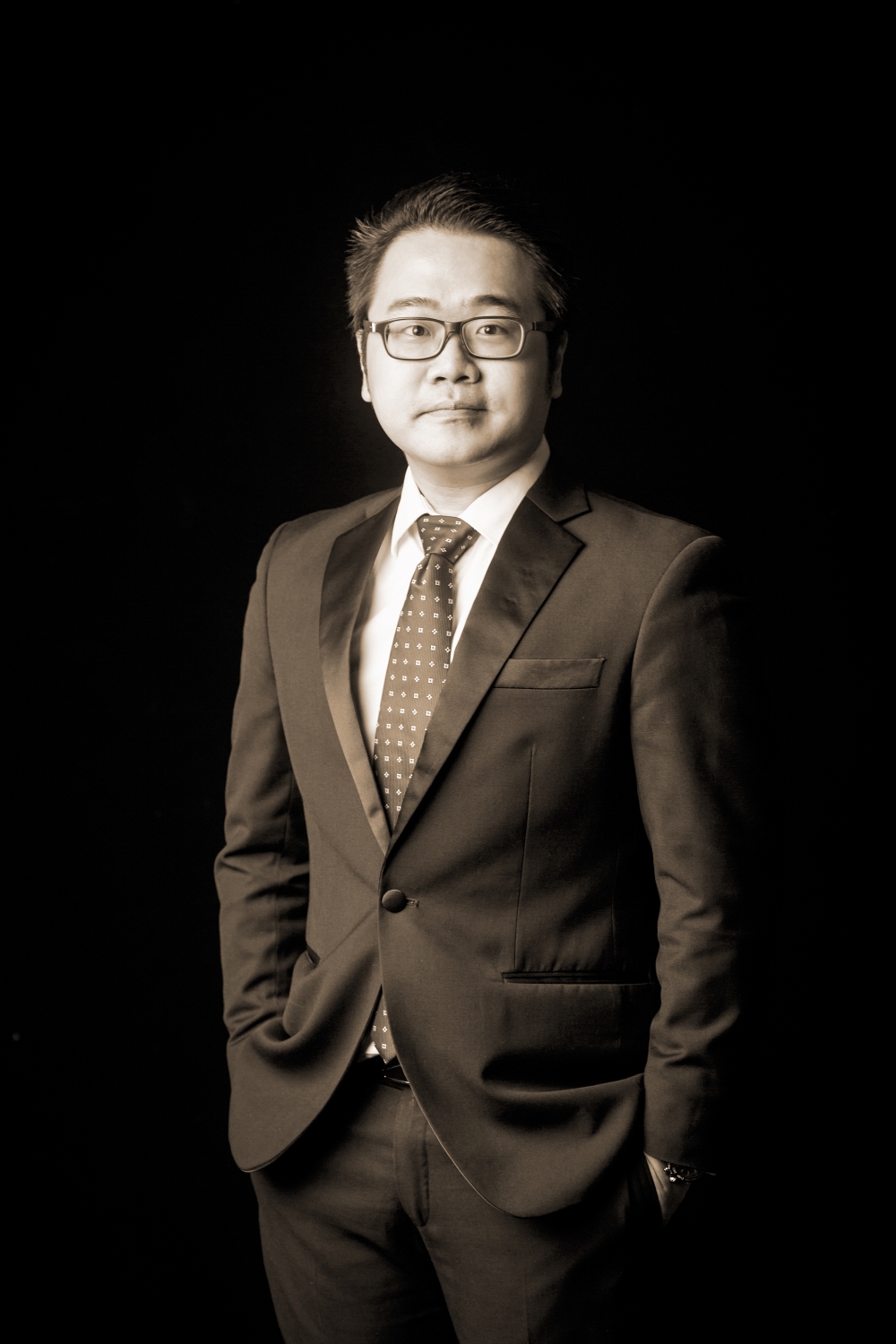
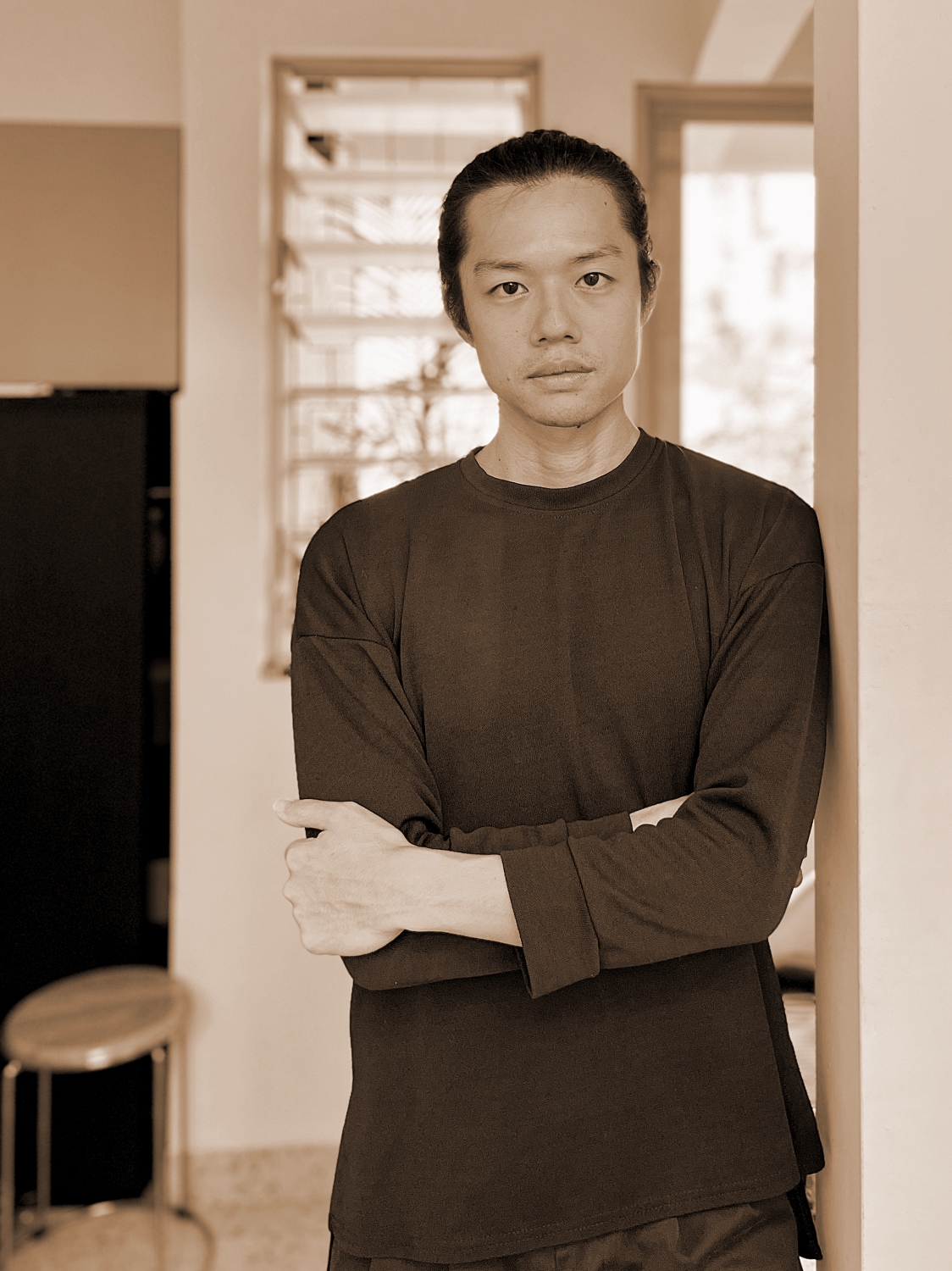
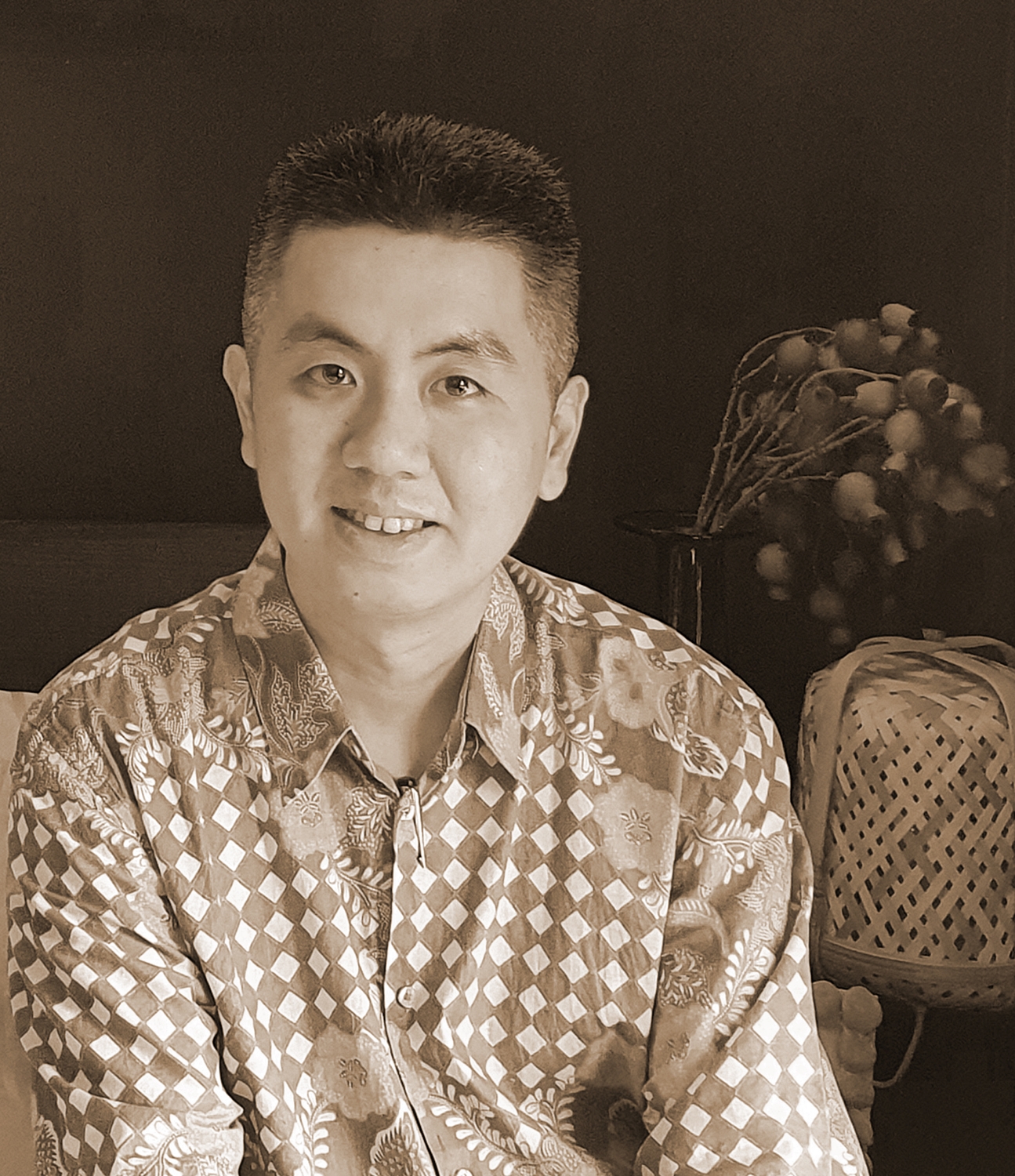
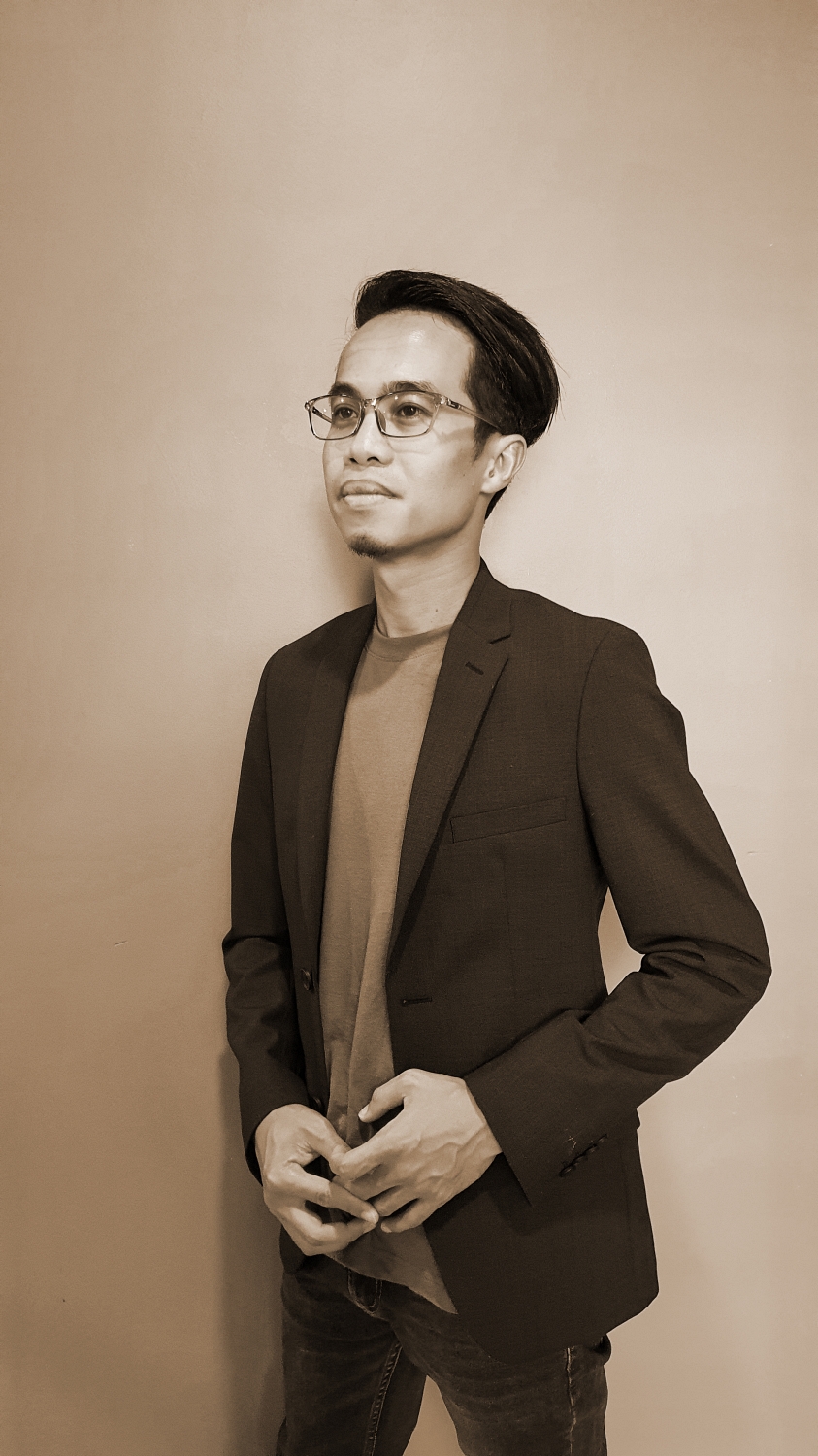
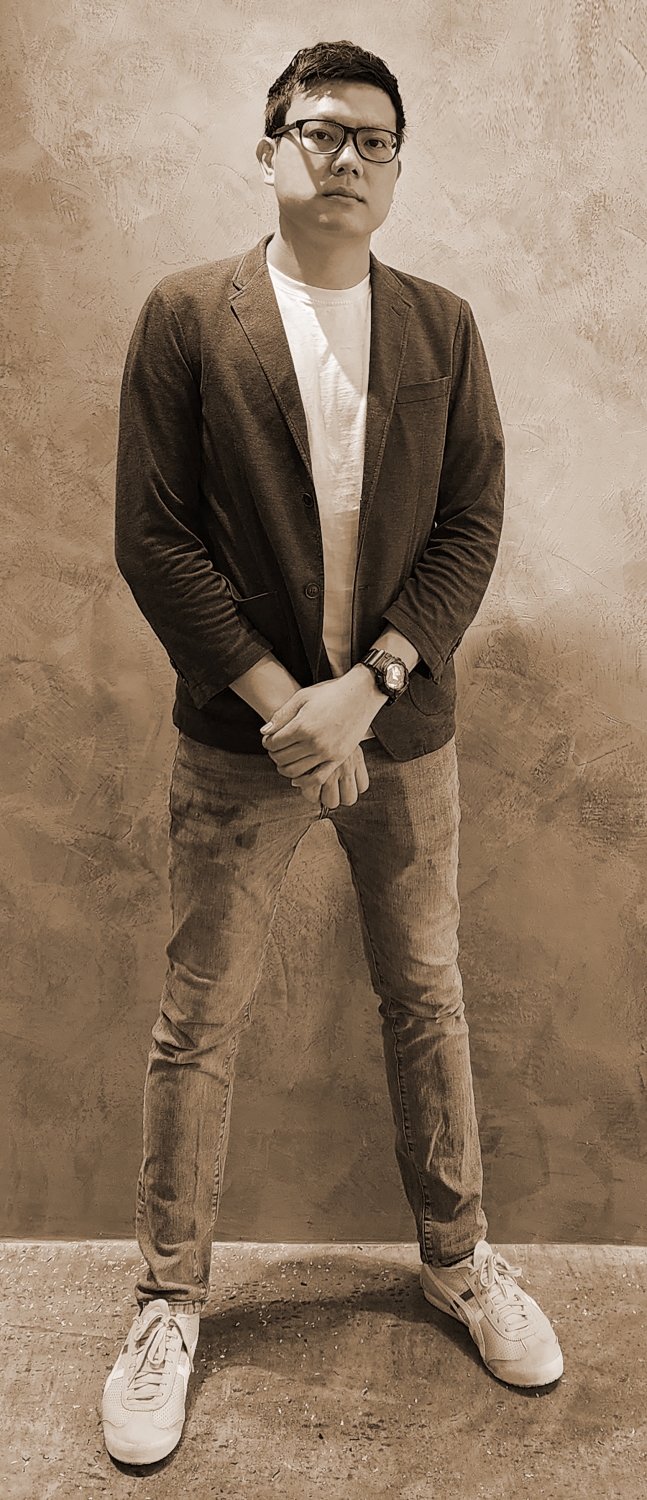
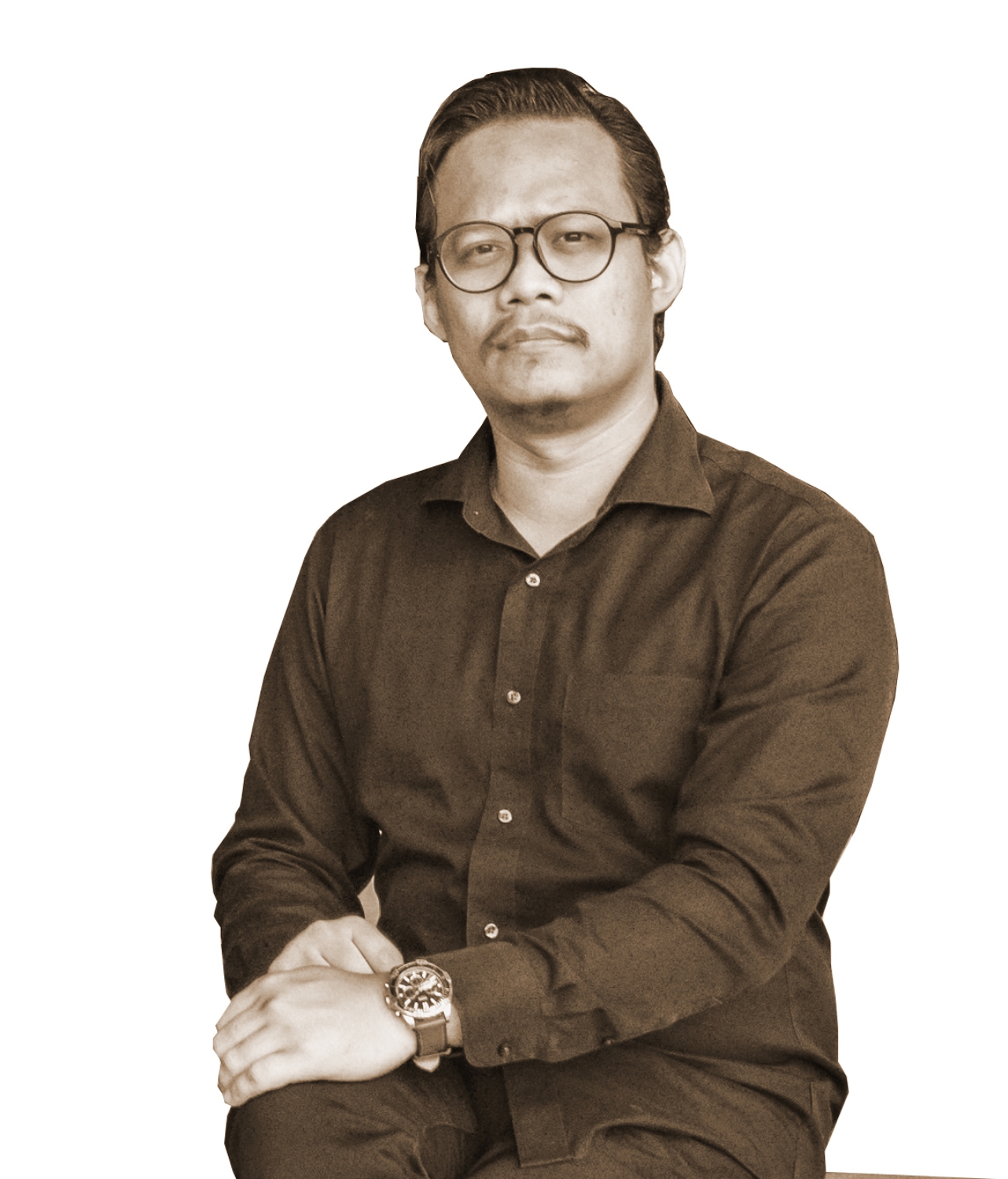
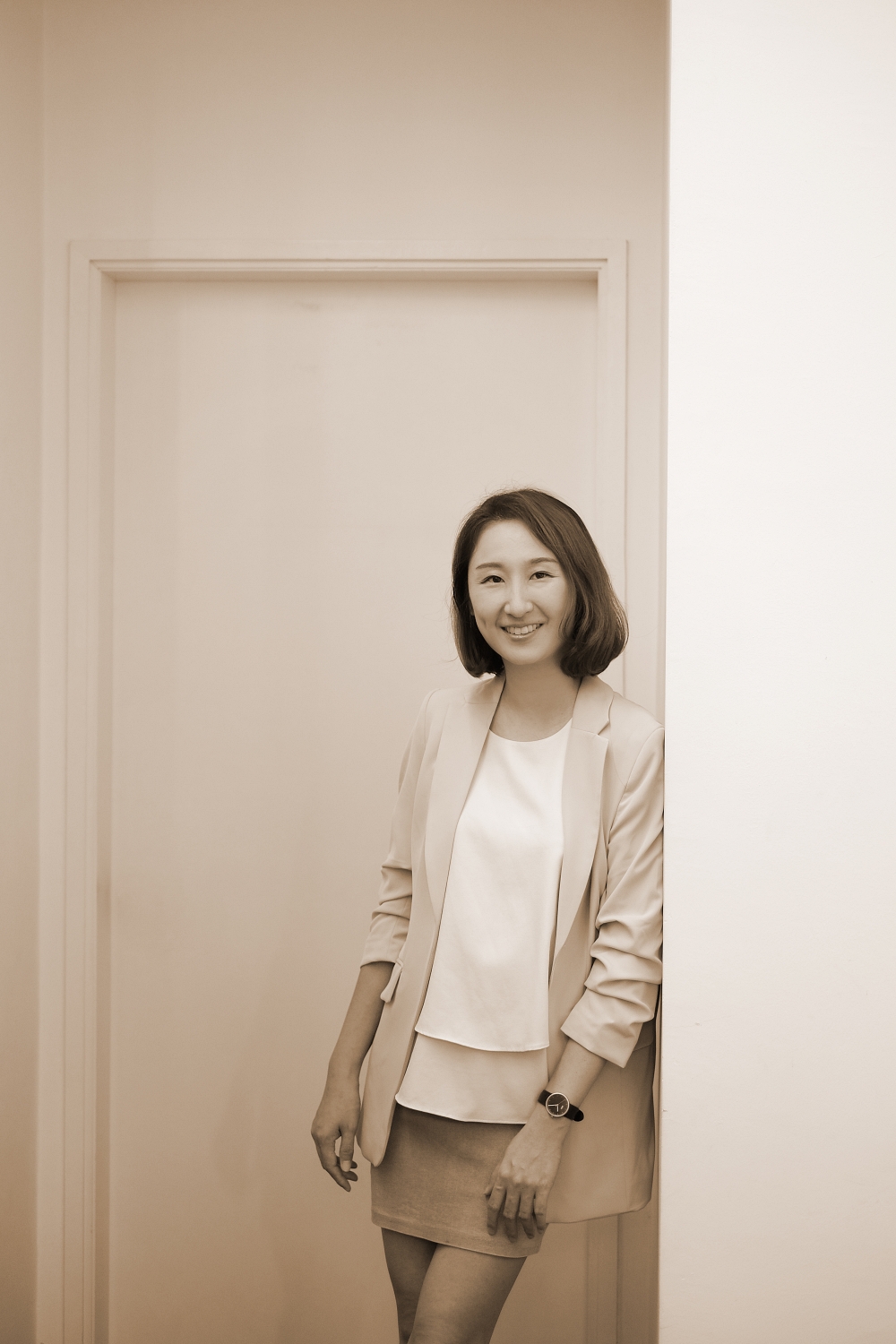
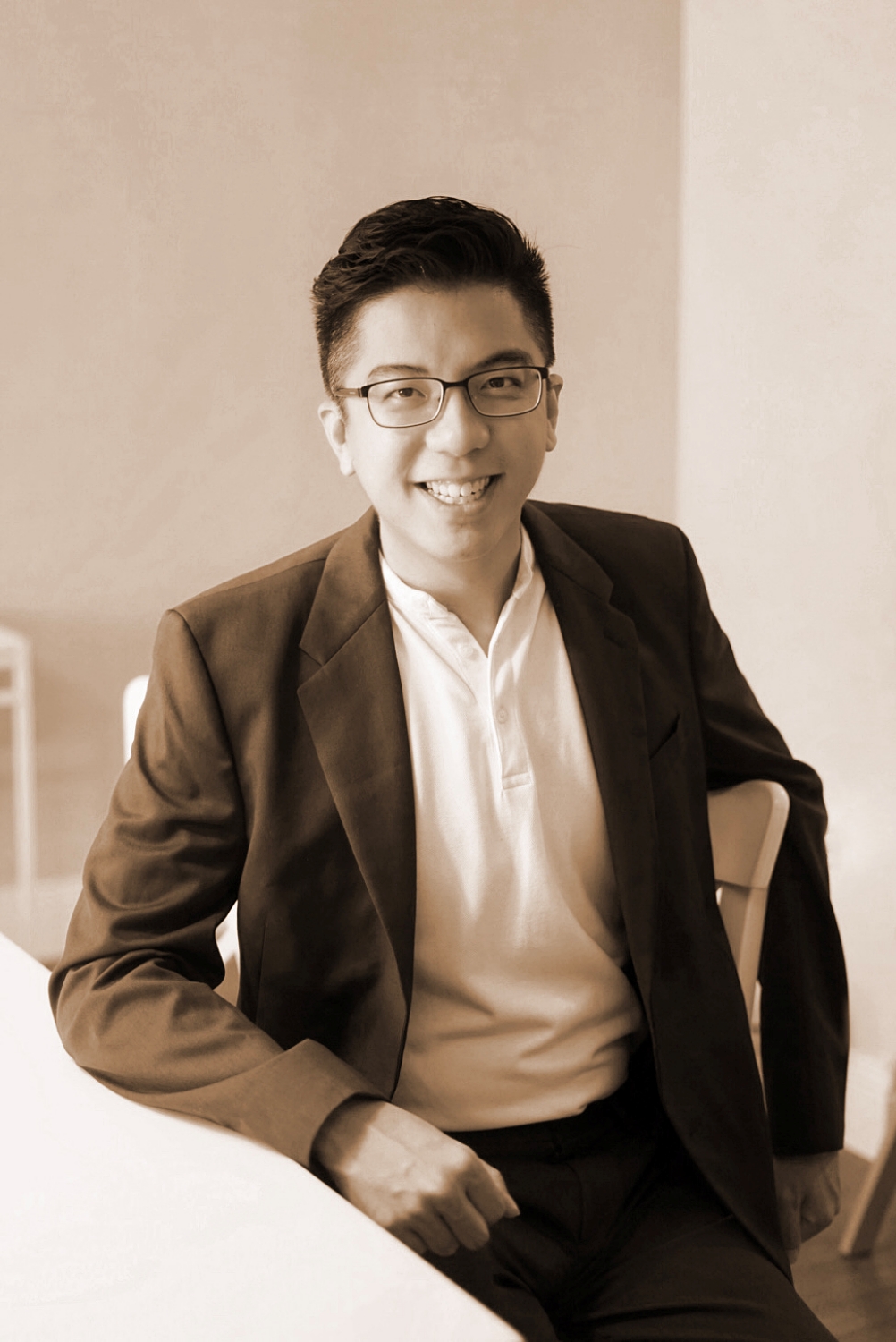
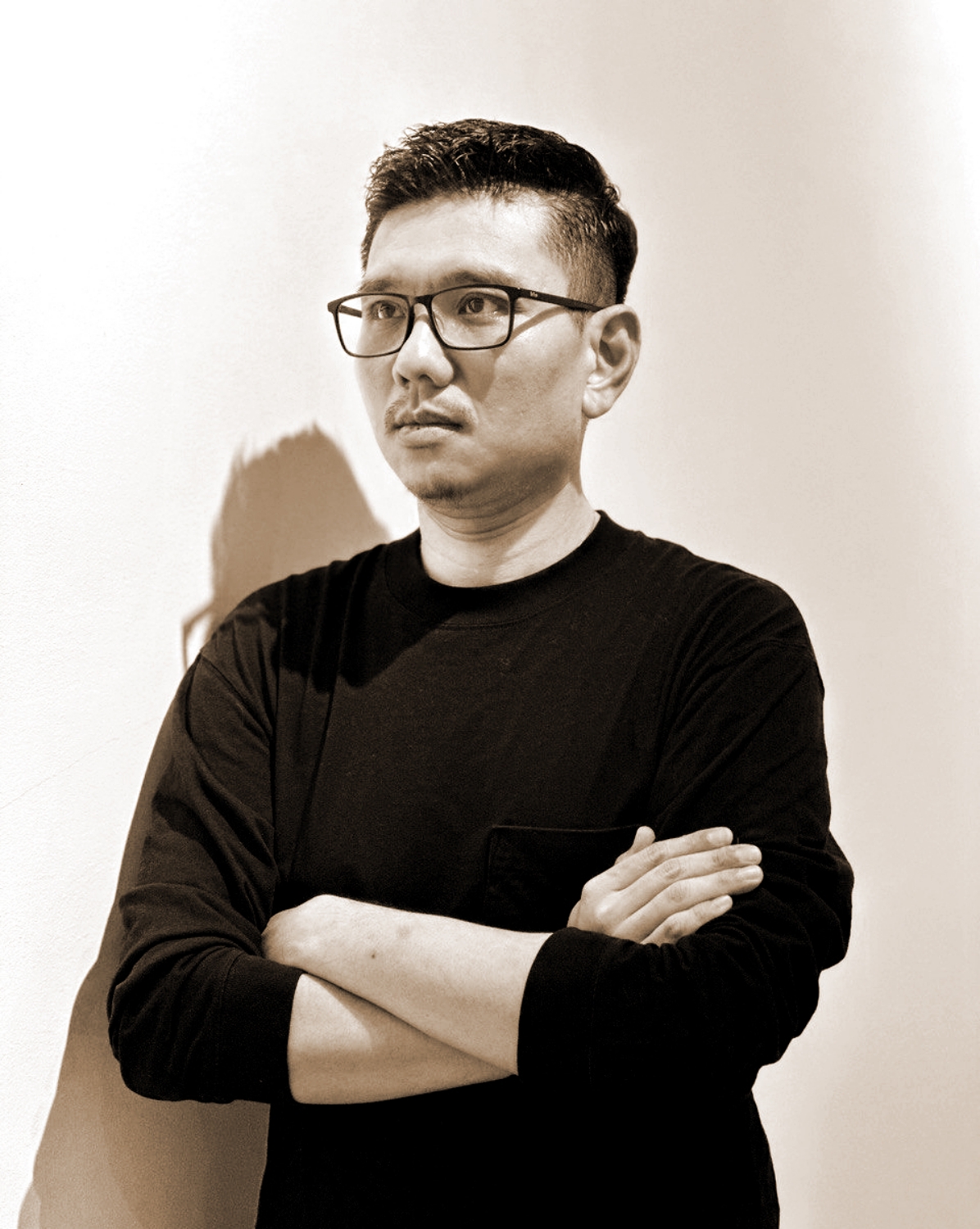
PAM’s mission to highlight the next generation of architects, which recognises talented young architects pushing boundaries and shaping the future of Malaysia's built environment.
Prepared by Najah Md Alwi
As 2023 came to a close, Pertubuhan Arkitek Malaysia (PAM) celebrated its 100th anniversary in grand style alongside the Kuala Lumpur Architecture Festival 2023 (KLAF). The event, which featured over a hundred activities showcased the architecture community’s remarkable creativity, diversity, and innovation. It signifies PAM’s commitment to embracing change and anticipating challenges to its unwavering pursuit of excellence.
PAM’s mission to transcend the confines of traditional architectural publications goes beyond editorial pursuits. The organisation aims to highlight the next generation of architects through its “40 Under 40” list, which recognises talented young architects pushing boundaries and shaping the future of Malaysia’s built environment. The initiative highlights emerging young architects and their designs and is not limited to showcasing finished architectural works. The PAM/KLAF Gala dinner is where the list is announced, and it serves as a platform to recognise the contributions of young architects to the industry.
The 40 under 40 list, or 40U40, is a remarkable representation of diverse styles and perspectives. This list not only acknowledges the achievements of local graduates from prestigious institutions such as Universiti Malaya, University Sains, UiTM, Universiti Teknologi Malaysia, and Universiti Kebangsaan Malaysia but also acknowledges the rich talents from private local universities such as UCSI, Taylor’s, and Lim Kok Wong. Also, it is exciting to get to know international Malaysian graduates from renowned institutions such as the Architectural Association, The Bartlett and the University of Reading in the UK, Robert Gordon University, and universities in Australia like the University of Melbourne, Western Australia, and Deakin add to the richness of this list.Many architects have also had projects in Malaysia and abroad, from Indonesia to Europe.
Architectural designs should not only be appreciated for their physical structures but also for the human stories behind them. There needs to be more than just the common practice of solely focusing on the buildings. By showcasing the designers and the decisions they made, we can humanise the selection of buildings and understand the personal journeys behind them. It’s essential to recognise the artistry, dedication, and passion that went into creating these architectural marvels instead of seeing the architects as mere corporate professionals in a catalogue.
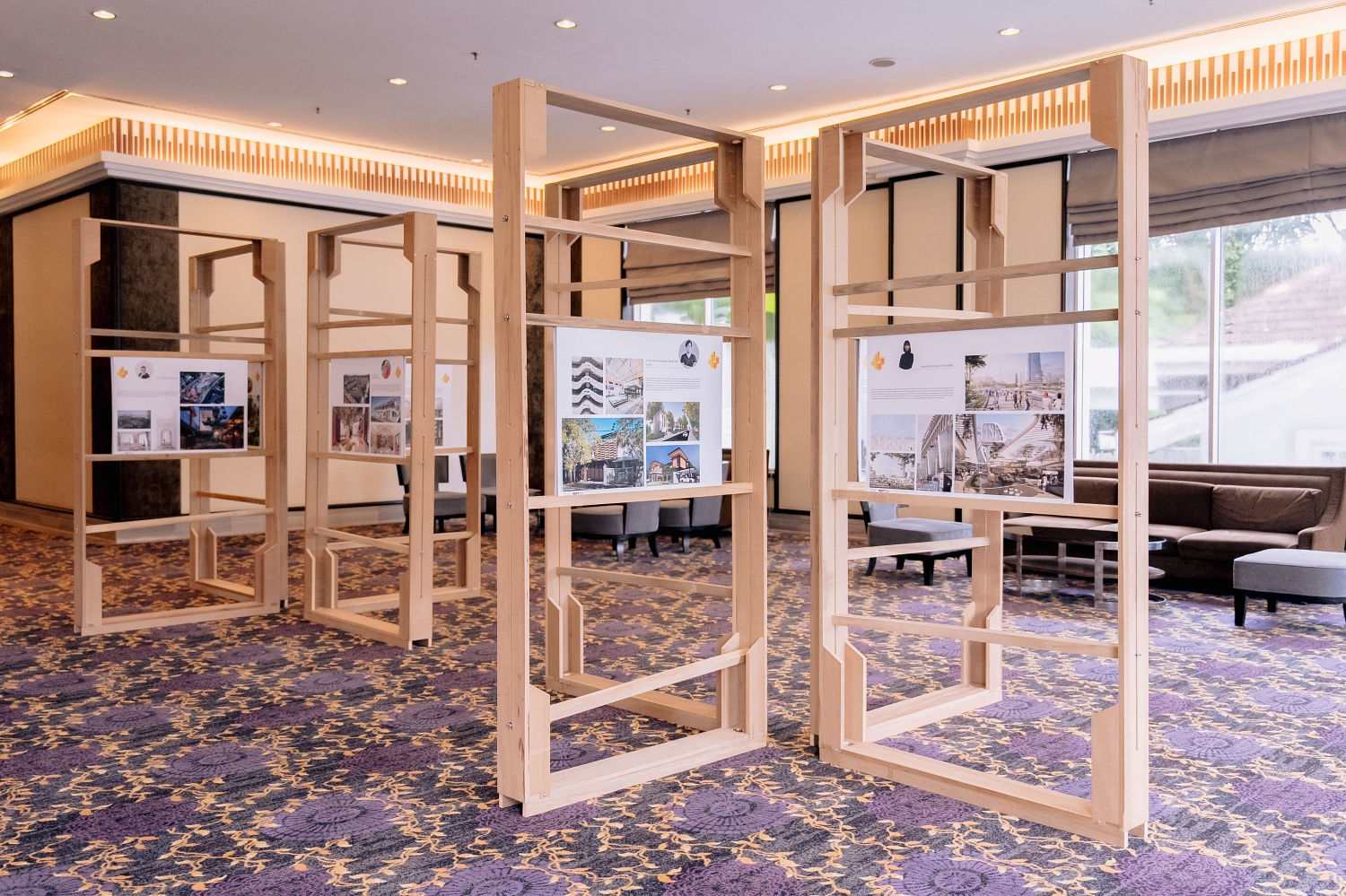
40 Under 40 exhibition during PAM Gala Dinner
The discussion of Malaysian architectural journeys in separate interview sessions uncovered much of the boundless creativity and innovation that have yet to surface in the local architecture scene. The under-40 category in architecture is a testament to this fact. It is a tremendously diverse group of architects from all walks of life with different backgrounds and experiences. Some have been honing their craft for nearly two decades, while others are rising stars.Experience only sometimes correlates with creativity, as I’ve discovered throughout this project. Some of the most innovative ideas have sprung from architects who are relatively new to the profession. It’s a testament to their passion and fresh perspectives, often bringing a unique twist to architectural design.
Starting with Architect Azlan Sharawi, Goh Tze Hui, and Lee Wei Hong, these three young architects approach their craft in unique ways. Azlan Sharawi believes in creating immersive spaces that advocate for sustainability and preserve cultural heritage, incorporating an avant-garde methodology that considers local nuances. Goh Tze Hui prioritises tackling challenges head-on and breaking them down into achievable steps, recognising that communication is fundamental to her work. Lee Wei Hong’s approach to architecture is filled with a palpable passion, and he always strives to balance practicality and innovation, ensuring his designs are functional and aesthetically pleasing. During his years of professional vocation, he gained a deep understanding of the contrasting nature of studying architecture and practising it, and his work reflects his experiences.Azlan Sharawi demonstrates a meticulous focus on regional vernacular intricacies in his work, while Goh Tze Hui understands that creativity is not a destination but a journey. Despite their differences, all three architects are committed to achieving spatial excellence and creating remarkable architecture that looks beautiful and fun and touches the soul of their clients.
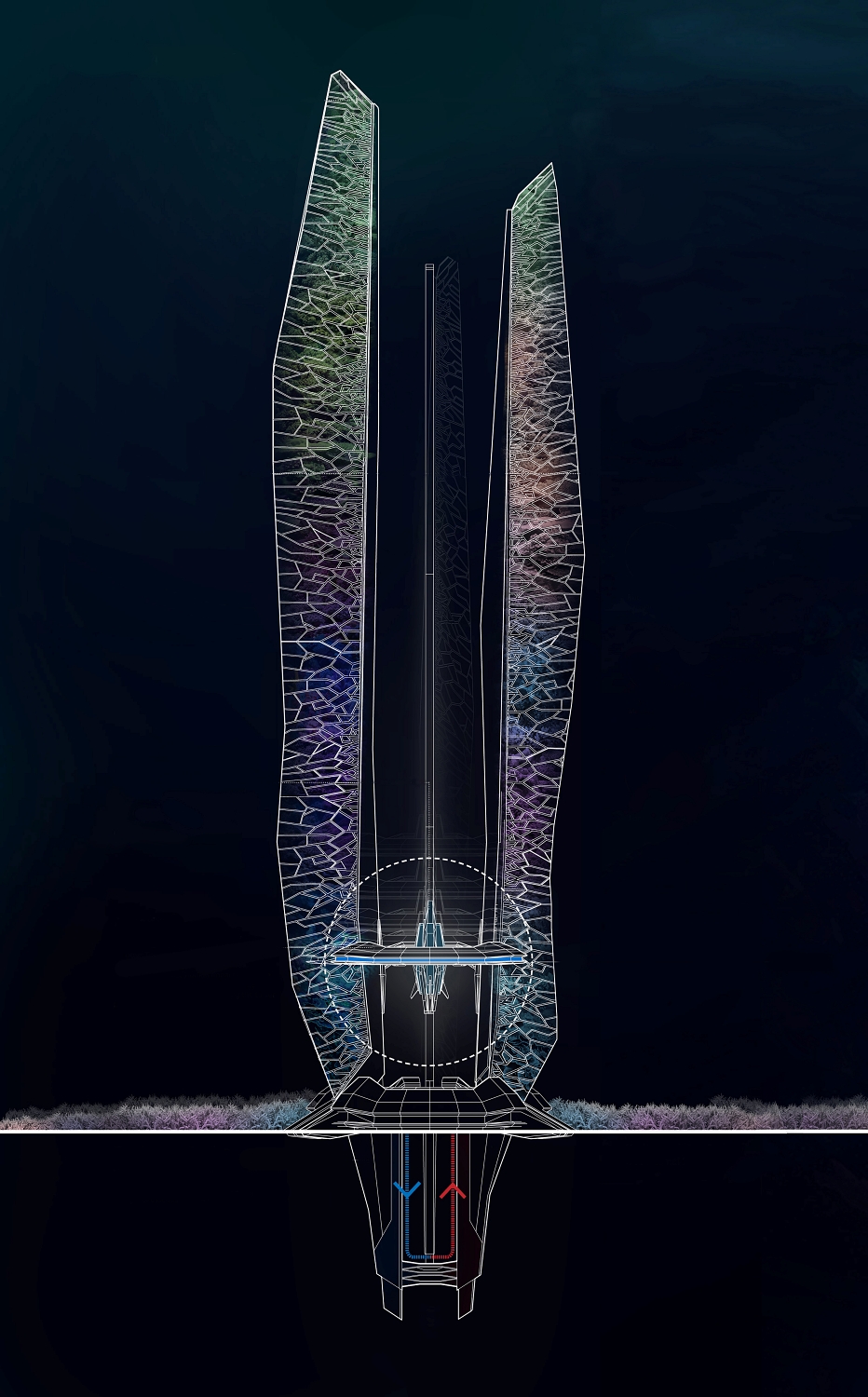
Aquarium Trinity Project by Jethro Koi Lik Wai
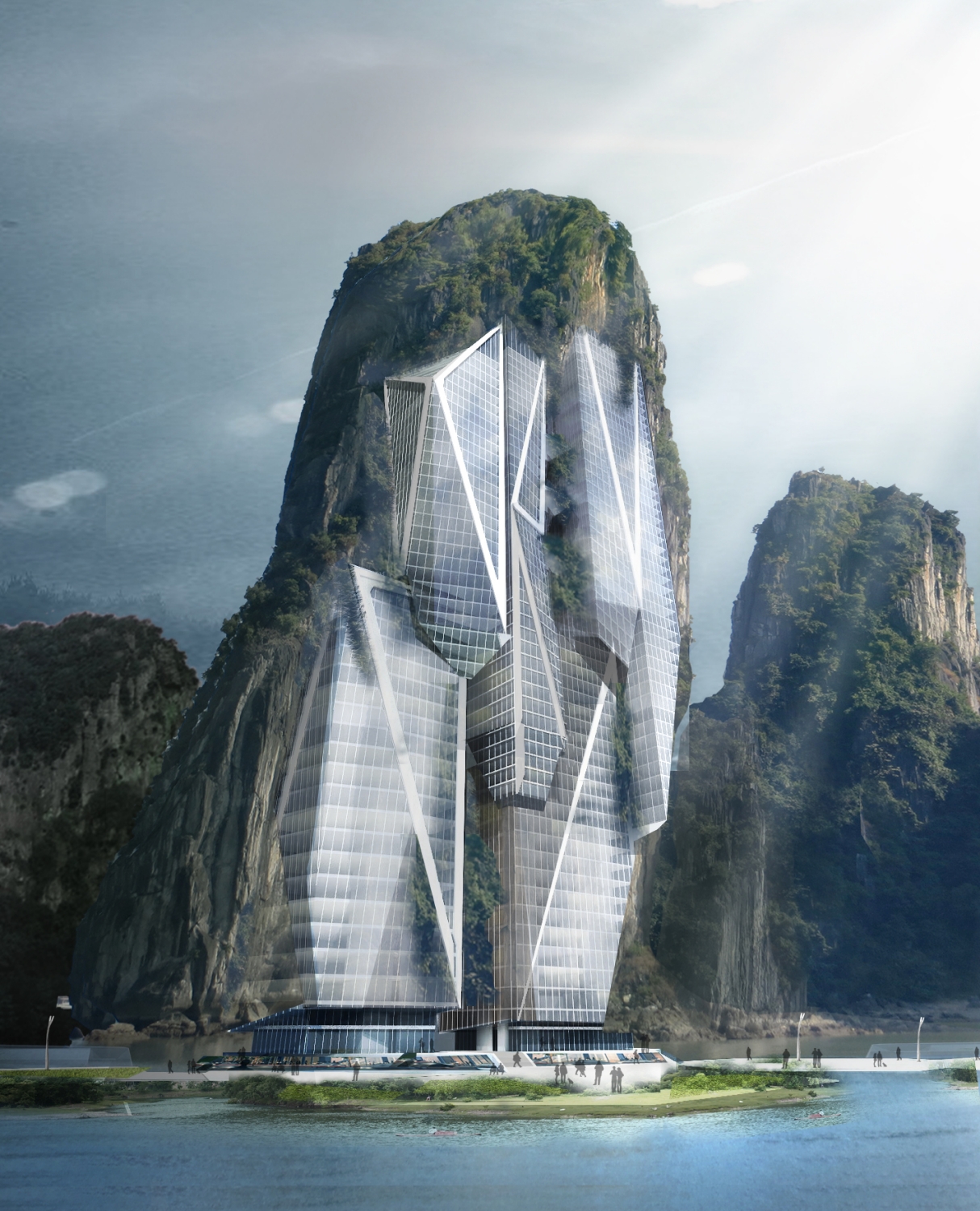
Let’s then consider the two other people on the list exploring the intersection of artificial intelligence and architectural principles. Jethro Koi Lik Wai and Qhawarizmi embark on an exciting journey together. They explore the world of AI and find ways to utilise its capabilities to transform spatial experiences. Their goal is to embrace the concept of the “metaverse” by focusing on the emotional qualities of the environment. They strive to combine technology with a human touch through their collaboration, creating spaces that deeply resonate with people. The integration of AI introduces novel design possibilities, where exploration extends beyond conventional boundaries, intertwining the precision of AI algorithms with the nuanced artistry of human-inspired design. Together, they navigate this fusion, crafting environments that not only harness the power of artificial intelligence but also evoke a sense of emotional resonance, proving the profound synergy between technology and the profoundly human essence of architecture.Joining this explorative field are Ar. Afi Muhaimin Bin Jamalludin and Ar. Azizul Azwar.
CONCEPT AND DESIGN
The significance of concept and design in architecture cannot be overstated. These factors are critical to the profession’s ability to acquire new projects and remain competitive. To achieve success, architects must continuously develop innovative and creative designs that are functional, aesthetically pleasing, relevant, and economically viable. Effective communication of these designs to clients and stakeholders is essential for successful project outcomes. Therefore, a strong emphasis on concept and design is fundamental for architects to thrive in the industry.
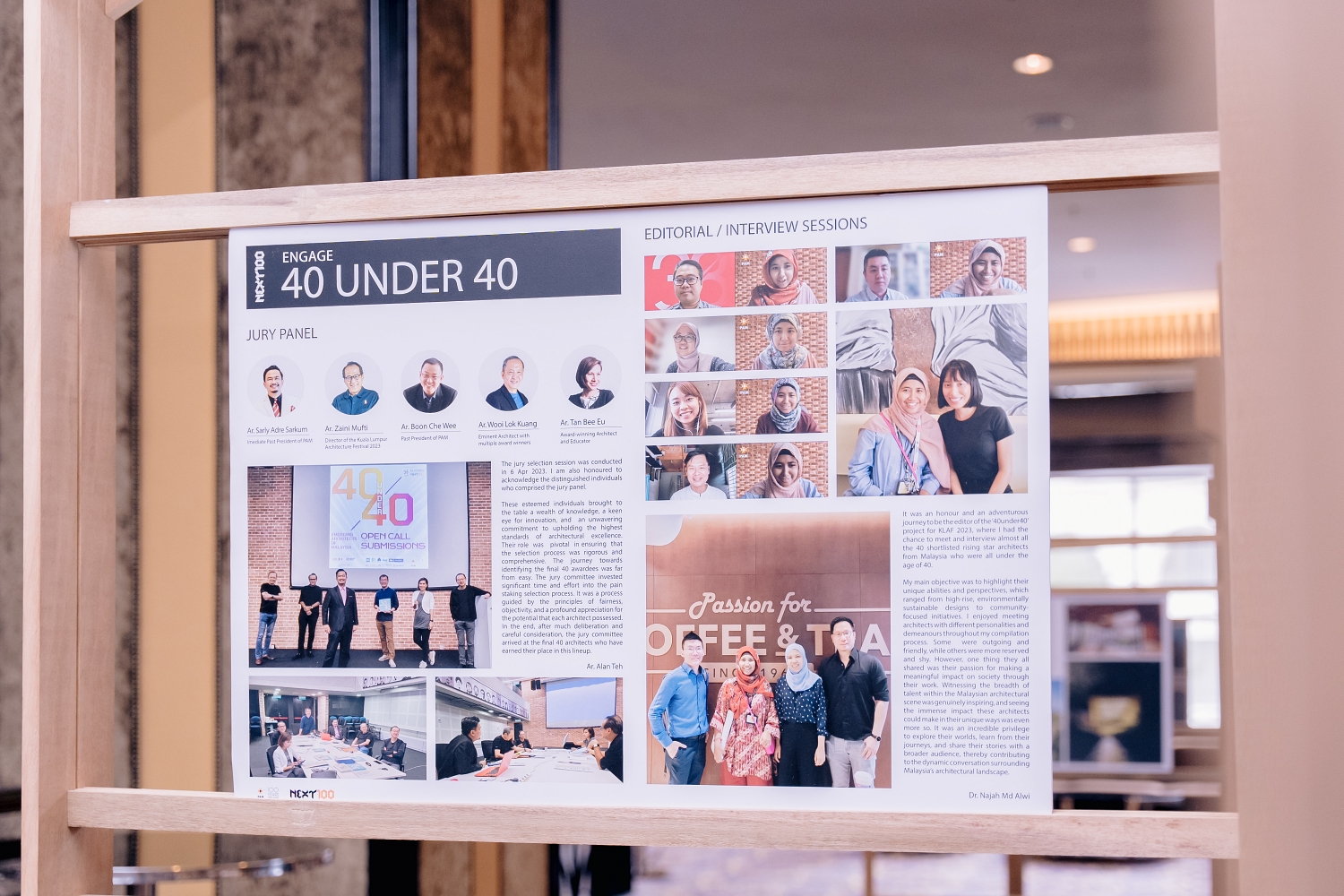
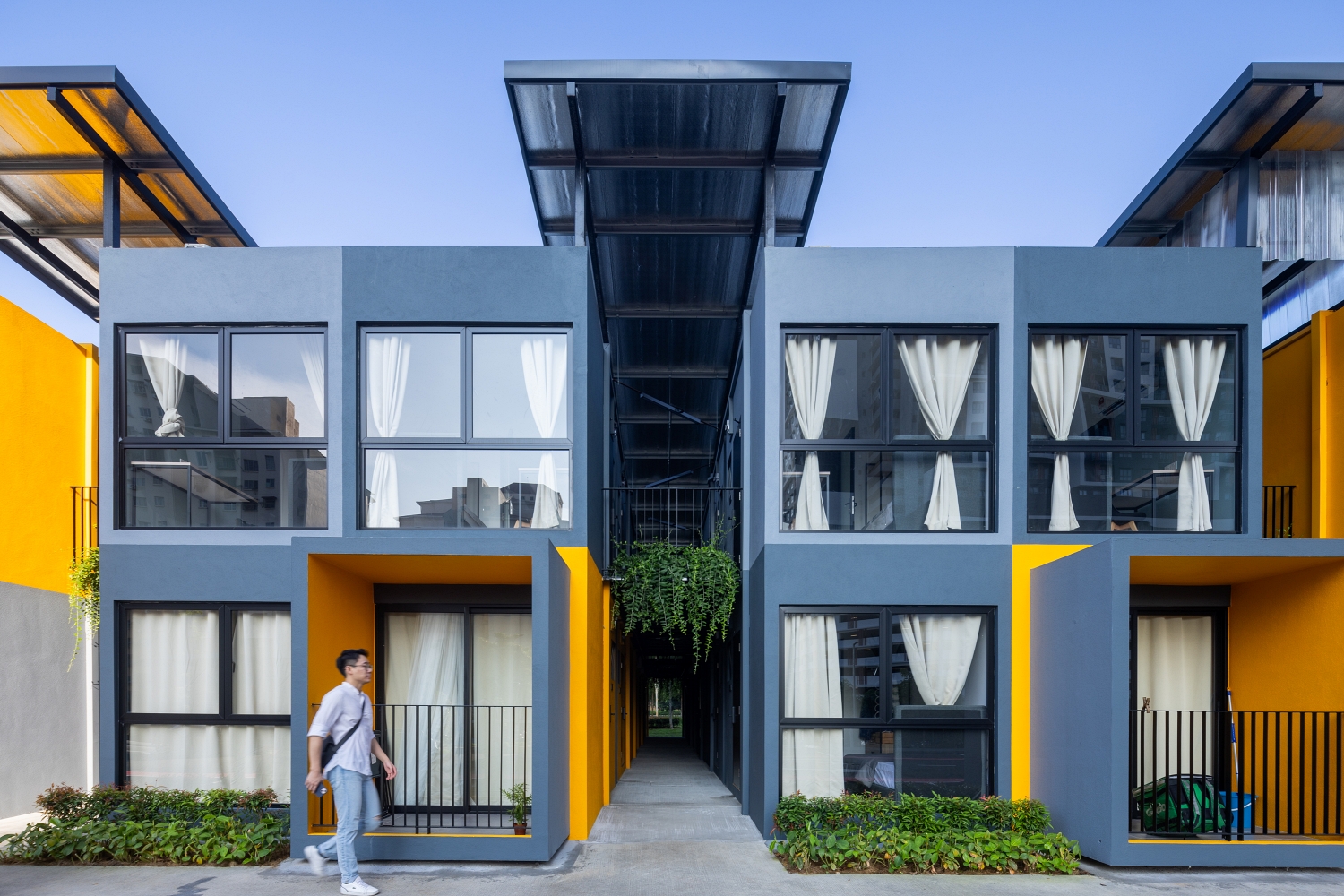
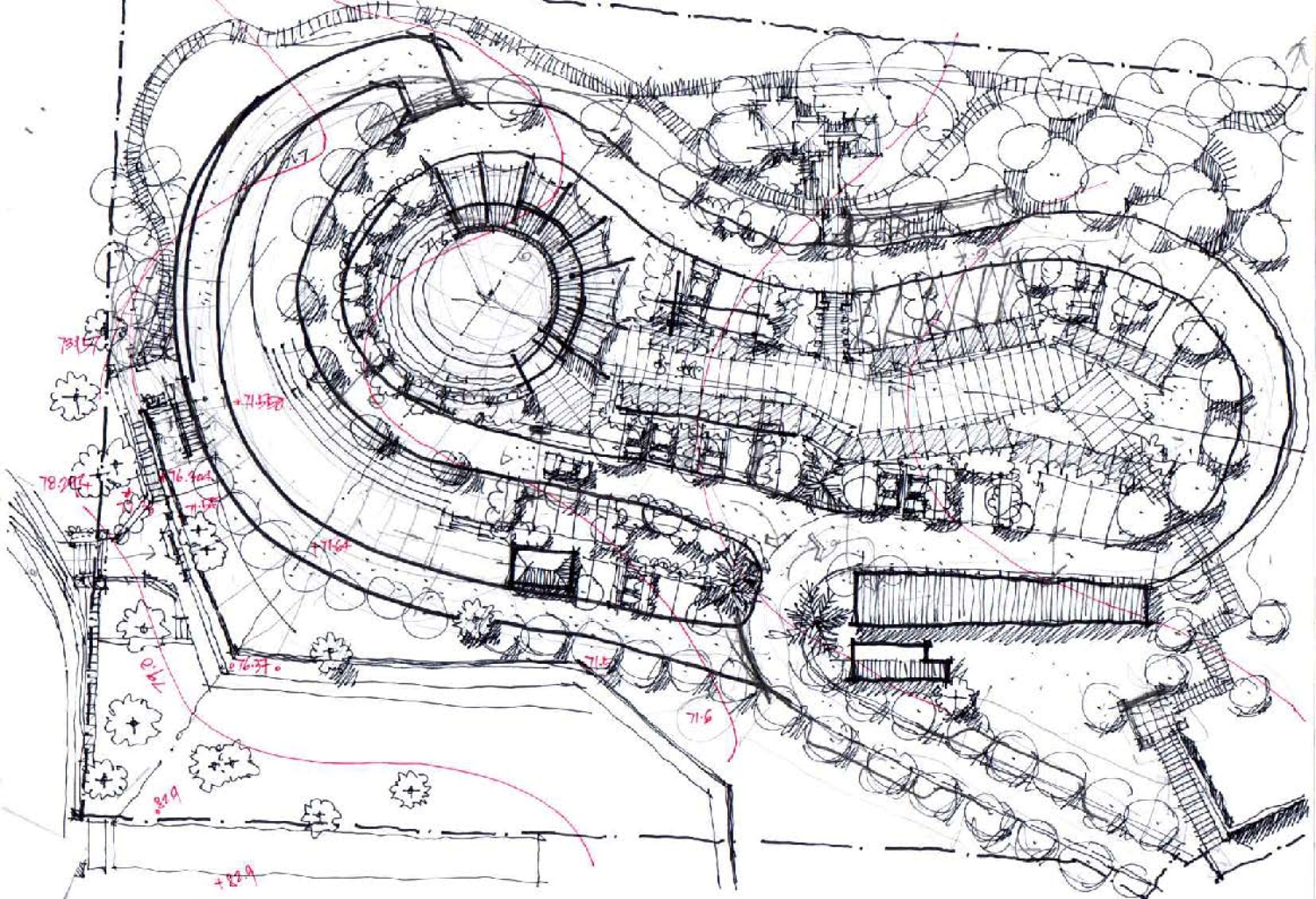
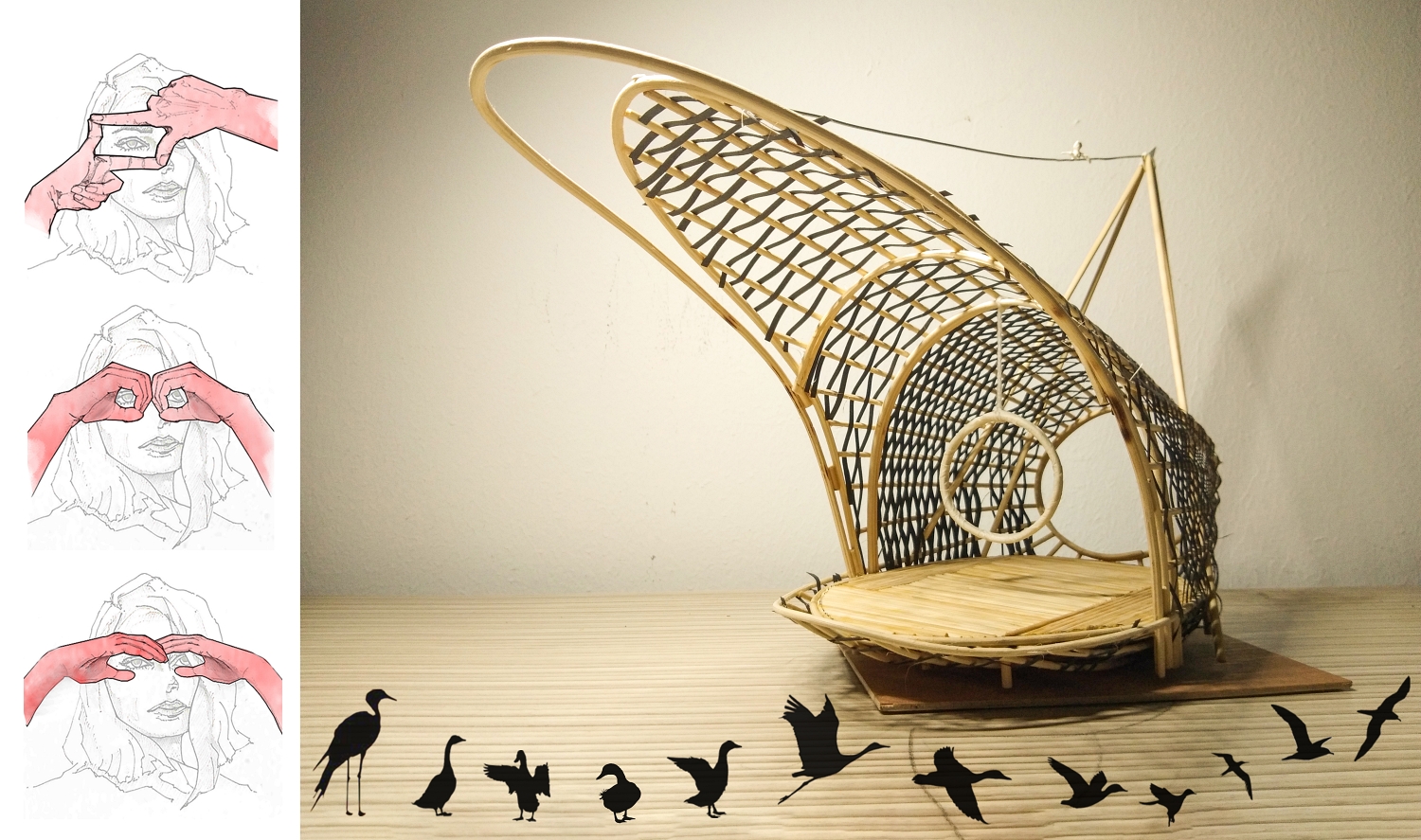
The 40 under 40 list selection criteria include conceptual designs and built projects submitted by participants. The emphasis is placed on design philosophy, which architects and designers write about. Some were able to supply more of their initial sketches, like Ar. Lam Shen Fei, Ar. Rien, Mr. Choong Wei Li, and Ar. Cheryl Quan. Some preferred computer-aided works, such as those shown by Ar. Albert Chua Kwee How. Fortunately, physical model-making of their projects is still something shared by Ar. Rien and Ar. Khoo Yee Hui.
Among the candidates, some prioritise the environment and sustainable design, considering the impact of climate change. They use innovative approaches to design, such as Loh Khang Yong, who teaches sustainability design at UTAR, and Lim Min Syn, who writes columns on design and other forms of artwork in his spare time. Others like Lim Gim Huang, Daniel Tiong Wei Wen, and Albert Chua Kwee How chose to focus on creating human-centric spaces that foster connection and openness. Regardless of whether the design ideas are for domestic or commercial buildings; each submission is expected to demonstrate specific elements that showcase the creativity and relevance of the design ideas to the field and context.
Limecity by Jethro Koi Lik Wai
INCLUSION AND DIVERSITY
In the portrayal of women architects in Malaysia, the inclusion of Nurulhuda Mohd Non, Goh Tze Hui, Wong Lot Yee, Leng Chee, Atira Ariffin, Farrah Izzati, Azlina Ismail, Sarah Pang Chee Ing, Jessica Chan Shi Woan, Cheryl Quan Hwai Teng, and Loh Mei Ee each adds brilliant hues to the evolving landscape of the built environment. We now know how Farrah Izzati’s’ experience of the globally acclaimed Saloma Bridge showcases her ingenuity, setting the tone for the transformative impact women architects can have on shaping social and urban spaces, just as her colleague Nurulhuda and Azlina. Cheryl Quan Hwai Teng, Loh Mei Ee Sarah Pang Chee Ing and Jessica Chan Shi Woan find themselves to elevate the architectural narrative with awe-inspiring detailing in design also to the cultural identity embedded in their structures. A lot ,ore can be said about Atira’s work at UN studio.
All these women, recognized for their meticulous attention to detail and intricate designs, exemplify the depth of talent that women bring to the architectural profession. navigate the complexities of design, challenging stereotypes and contributing to the vibrant tapestry of Malaysian architecture. In recognition within the 40 under 40 framework, these women architects not only signify individual excellence but also represent a broader narrative of progress and inclusivity.
FROM EXHIBITION TO BOOK PUBLICATION
The July exhibition of the 40 under 40 in Kuala Lumpur Convention Centre during Archidex and DATUM KL aims to announce the listed recipients and showcase each participant’s unique profile and project descriptions. Undoubtedly, the exhibition of “40 Under 40” architects holds immense importance for the Malaysian Architecture field, as it provides a dynamic platform to showcase the innovative works of emerging talents. This is where exhibition in a physical space where visitors can engage with the spatial and conceptual brilliance of these young architects encourages the fostering of a direct connection between the individuals and the audience. The interactive nature of such exhibitions allows for a firsthand experience, enabling visitors to appreciate the nuances of design thinking and execution of their works.
Another exhibition during the October KLAF/PAM 100th Gala Dinner was also hosted to celebrate the book launch. A publication of the book will serve as a more lasting documentation of the showcased architects’ achievements, creating a tangible record that extends beyond the temporal nature of an exhibition. This permanence ensures that the architects’ works are not confined to a specific event’s limitations but are immortalised in a format that can be revisited and studied over time. In an exhibition, space constraints may limit the number of projects or the depth of information that can be presented. A book, on the other hand, provides the opportunity for a more in-depth analysis, offering detailed insights into the design philosophies, inspirations, and methodologies of each architect featured in the “40 Under 40” cohort.
Skyblox by Ar. Tan Kwon Chong Rien
Sketch by Ar. Lam Shen Fei
However, when it comes to the book, a more cohesive and collective approach is required. The content must reflect a broader narrative that ties the individual projects together, highlighting their standard themes and overarching goals. In this way, the book will serve as a record of the exhibition and a comprehensive guide to the ideas and concepts presented by the participants.The decision to incorporate succinct quotations from architects in the 40u40 book was taken following an in-person meeting and a brief exchange of pleasantries. These unguarded expressions have been extracted from conversations or communication exchanges with the architects to provide insight into their thoughts, creative processes, and personal perspectives on architecture. They serve as an introduction to their work, like windows into their minds, enabling readers to connect with their experiences, design philosophies, and unique viewpoints. These excerpts allow readers to understand the architects’ work, including the inspiration behind their designs, such as their initial sketches and thoughts.
In closing this editorial, we are pleased to present the list of 40 emerging Malaysian architects in this article. This book is a valuable resource for discovering 40 talented individuals and entities, each with their own unique design and story. To fully benefit from this list, it is highly recommended that you establish direct contact with them. Doing so will give you a deeper understanding of their work and the opportunity to collaborate and learn from them. We encourage you to explore the book and take the first step towards engaging with these remarkable creators and innovators through their talks and exhibitions.
Physical Model of Skyblox by Ar. Tan Kwon Chong Rien