MULIA RESI DENCES CYBERJAYA

ARCHITECT : Arkitek FAA Sdn Bhd
CLIENT : Zen Bestari Sdn Bhd
CONTRACTOR : Pembinaan Kesan Sempurna Sdn Bhd
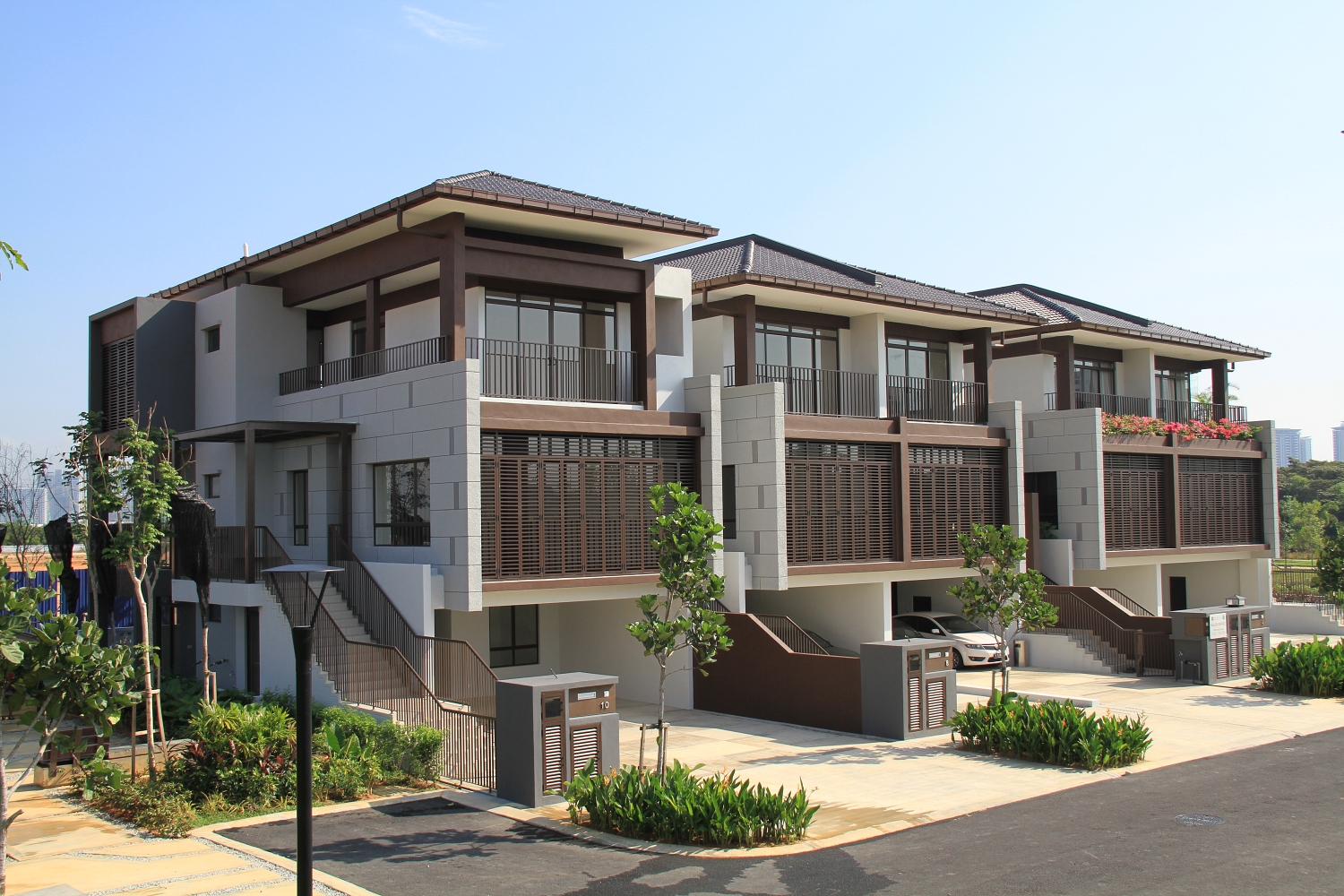
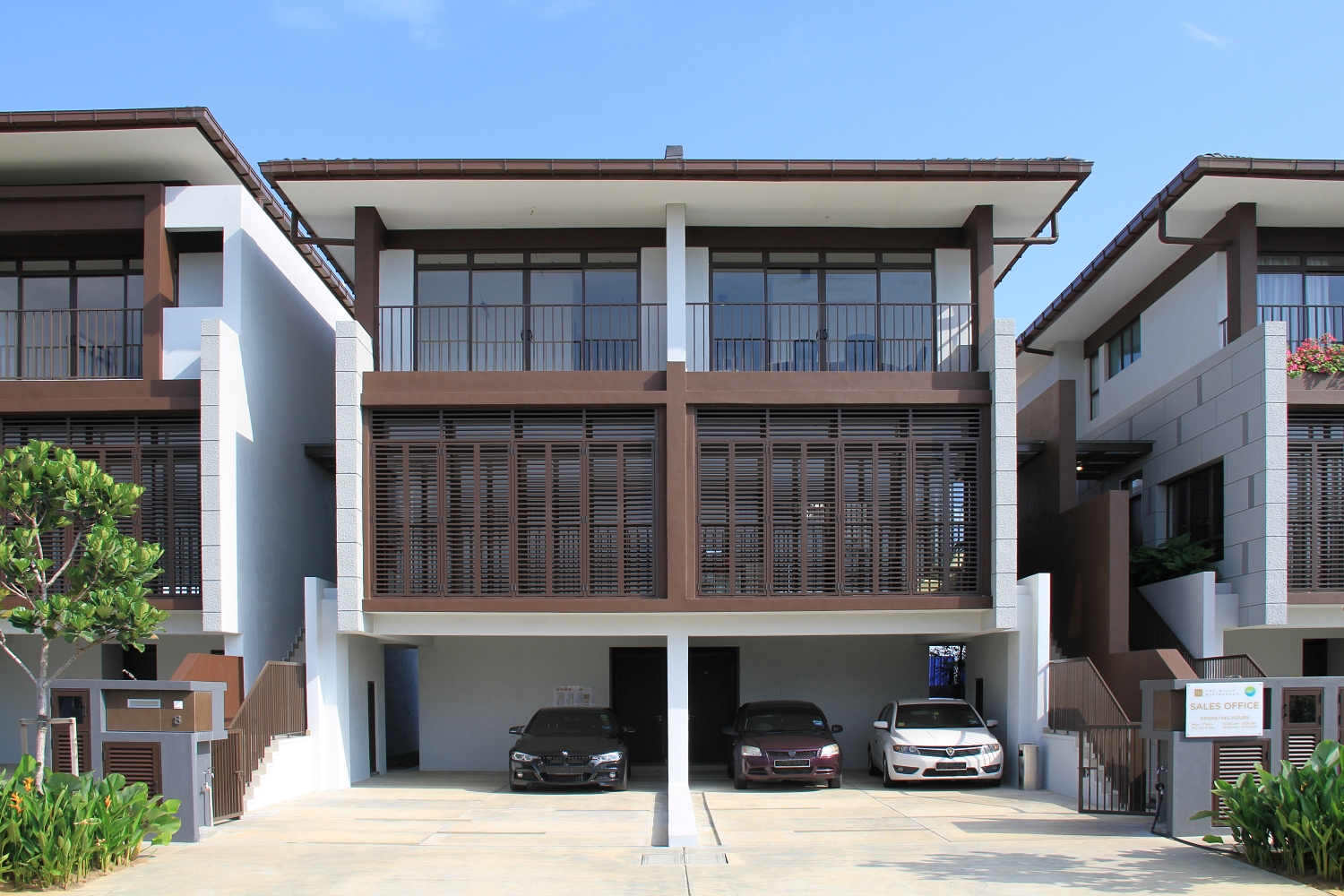
Frontal view of the terrace houses

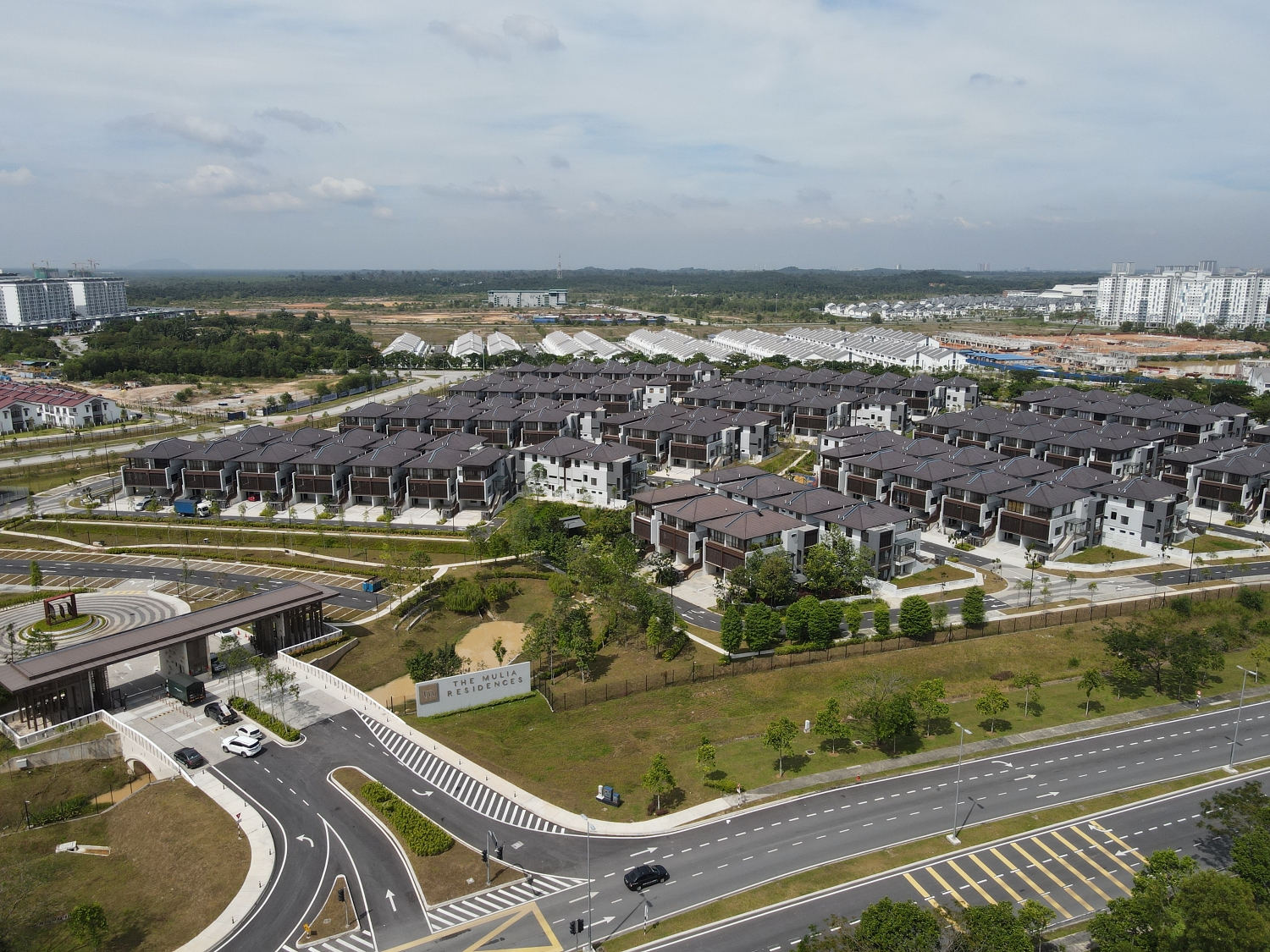
The Mulia Residences is a strata development that sits on a 50-acre land in Cyberjaya and comprises 383 three-storey terrace houses, 417 apartments, and a clubhouse. The Masterplan seeks to create a resort environment but one that is adapted to village community living and shall provide for a safe, welcoming housing estate with an abundance of green. The design team also took the opportunity to reimagine the typical terrace house, question its roots, and if it could be adapted to our tropical climate.

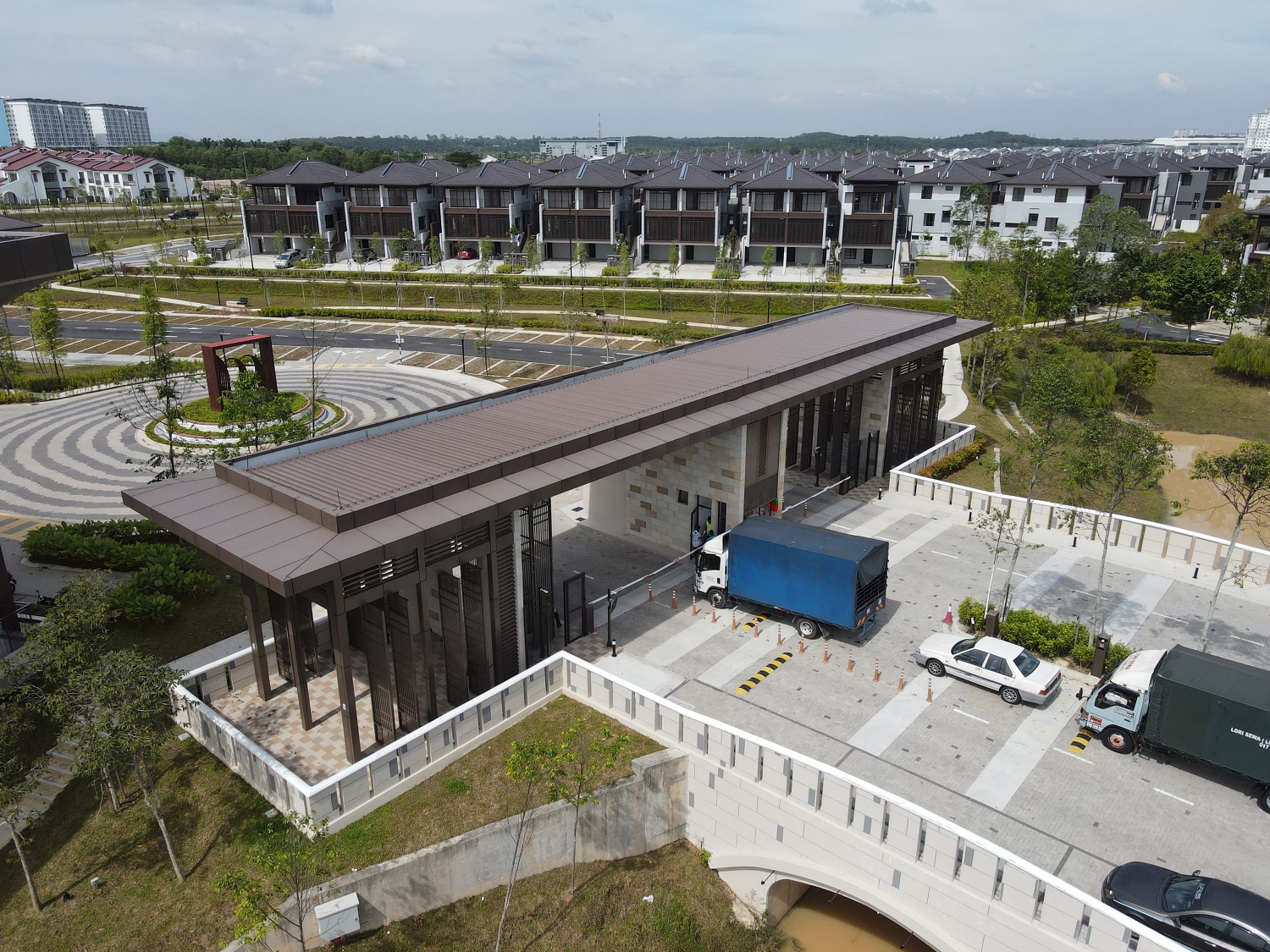
View of the entry statement

Phases 1 and 2 will feature 250 and 133 terraced houses respectively while Phase 3 will comprise three 14-storey apartment blocks. The built-ups of the terraced houses range from 2,203 to 3,275 sqft. Design at the Mulia Residences seeks to re-adapt the typical terrace house to the tropical climate by borrowing principles of vernacular tropical architecture that is prevalent in the region. These principles are:

1. One-room-thick plan along thin plans ease cross ventilation.
2. House raised on stilts like a kampong house allowing clear ventilation into living spaces.
3. North-south in its orientation minimising direct heat from the afternoon sun.
4. Large overhangs to prevent sun rays hitting the walls.
5. Louvres and breezeways allow for cross-ventilation.

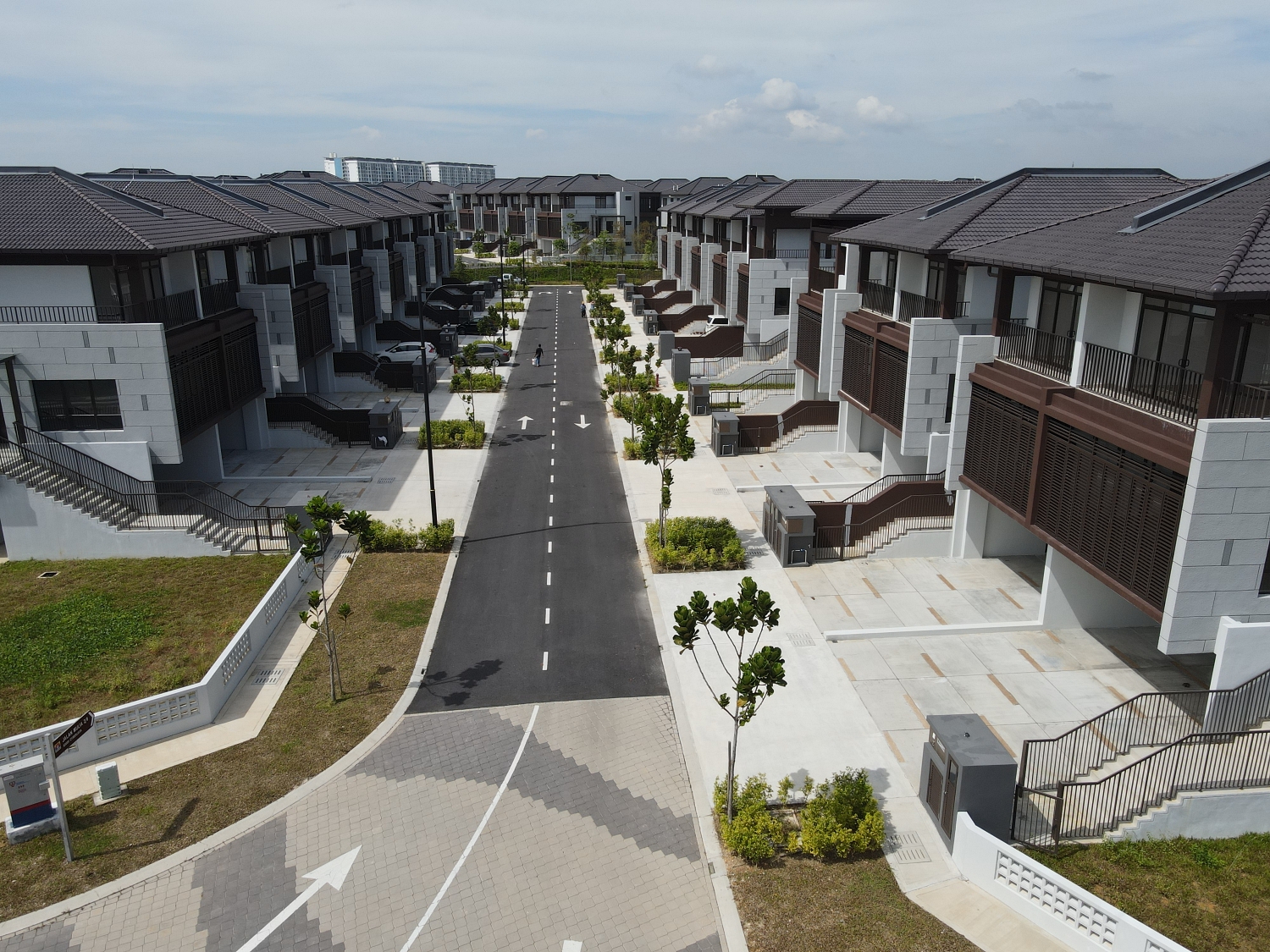
The community is broken down into smaller cul-de-sacs

Through careful planning, the result is a 22×70 terrace house that looks porous like a Semi-D, that has 6 car parks, and the ability to cater to multi-generational living.

The architecture of the Mulia Residences was inspired by the profound thinking behind the vernacular kampung house. It takes into consideration natural elements and makes them work for us. By emulating the principles of the kampung house The Mulia Residences becomes perfectly suited for our climate and lifestyle.

Axonometric View of the Terrace House
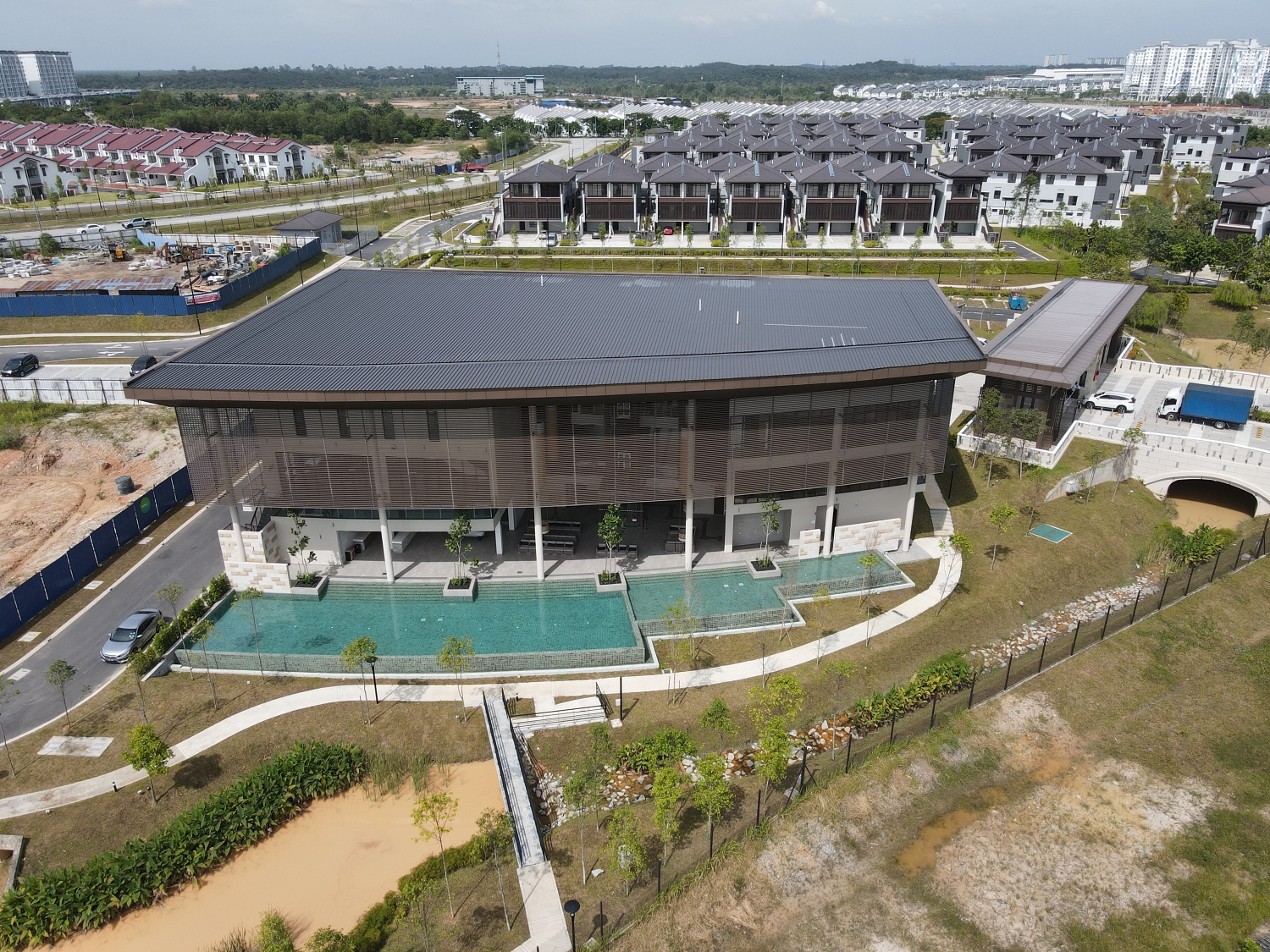
Aerial View of Club House
The use of stilts is ingenious. It puts the living room at a certain height to take advantage of the stronger breeze higher up and gives a better view. Raising the living room on the first floor also makes the first floor the focal point of the house. All occupants only need to go up one level to congregate in the living, dining, and kitchen areas.
The planning in the Mulia Residences is one-room-thick, meaning that cross ventilation can happen throughout the plan as it is unobstructed, allowing each room access to the outdoors, especially the ground floor rooms that open to private gardens.

Terrace House that looks like Semi-D

Then there are the full-height louvred windows, conventional house windows cool only from the waist up as wind drafts formed below the window slowing wind speed into the house. The vernacular full-length windows, on the other hand, cool you head to toe. When closed, it shades the inside from the sun’s heat and still lets some light and breeze in. The body level is the most vital area for ventilation and comfort.

The kampung house usually has a longer roof eave to betterprotect the walls from the sun and rain and this unique feature cast shadows on the walls and extends much lower as the sun rises higher. This means the walls will be cooler and will not transfer heat inside.

The Mulia Residences also has a dual entrance feature like a kampong house; the entrance at the porch takes you to the ground floor, and the ceremonial staircase by the side takes you to the rest of the house. The staircase at the side is practical as it has an Anjung just like a kampong house.
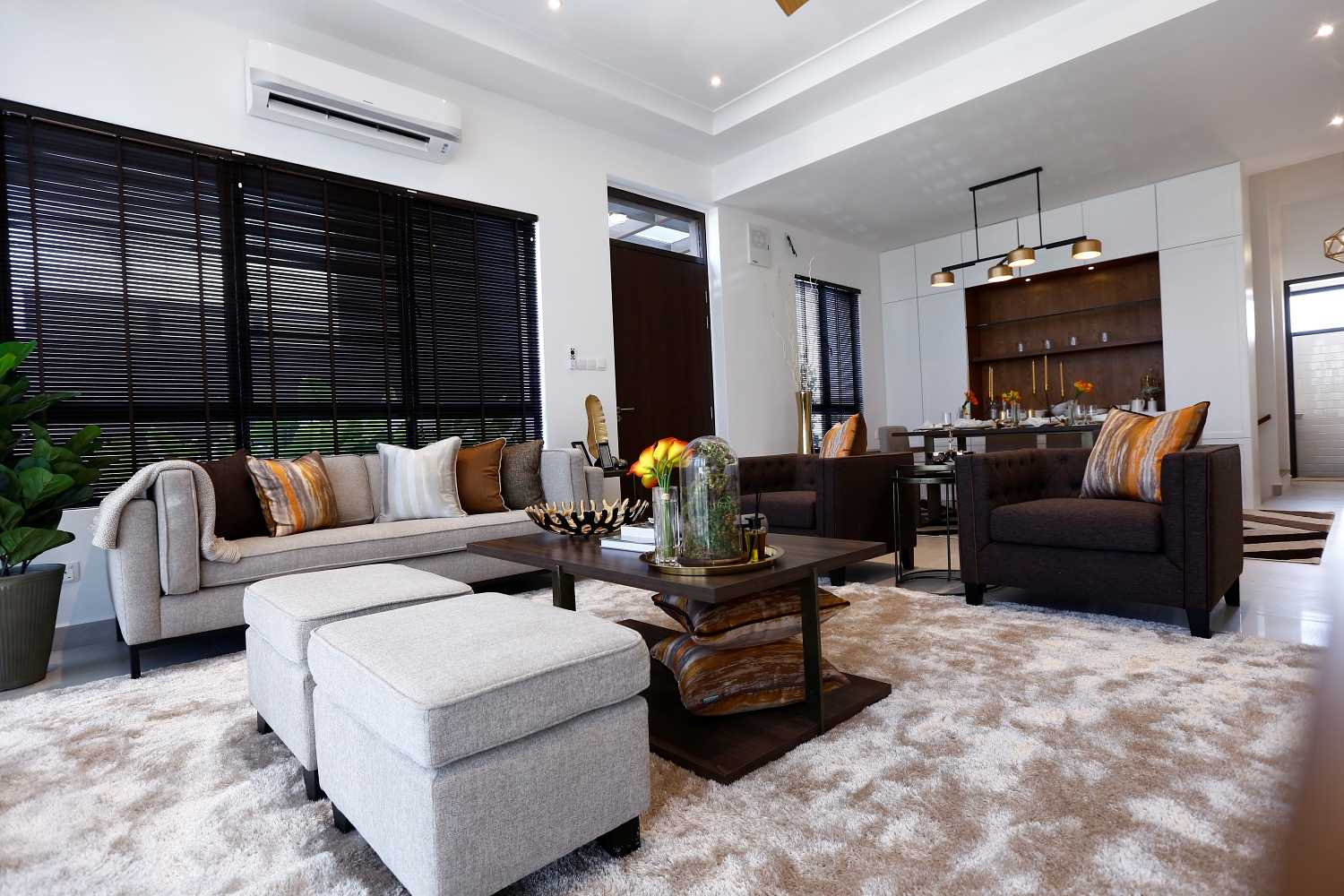
Living spaces with abundant space, light and ventilation

FEATURES

RELATED ARTICLES