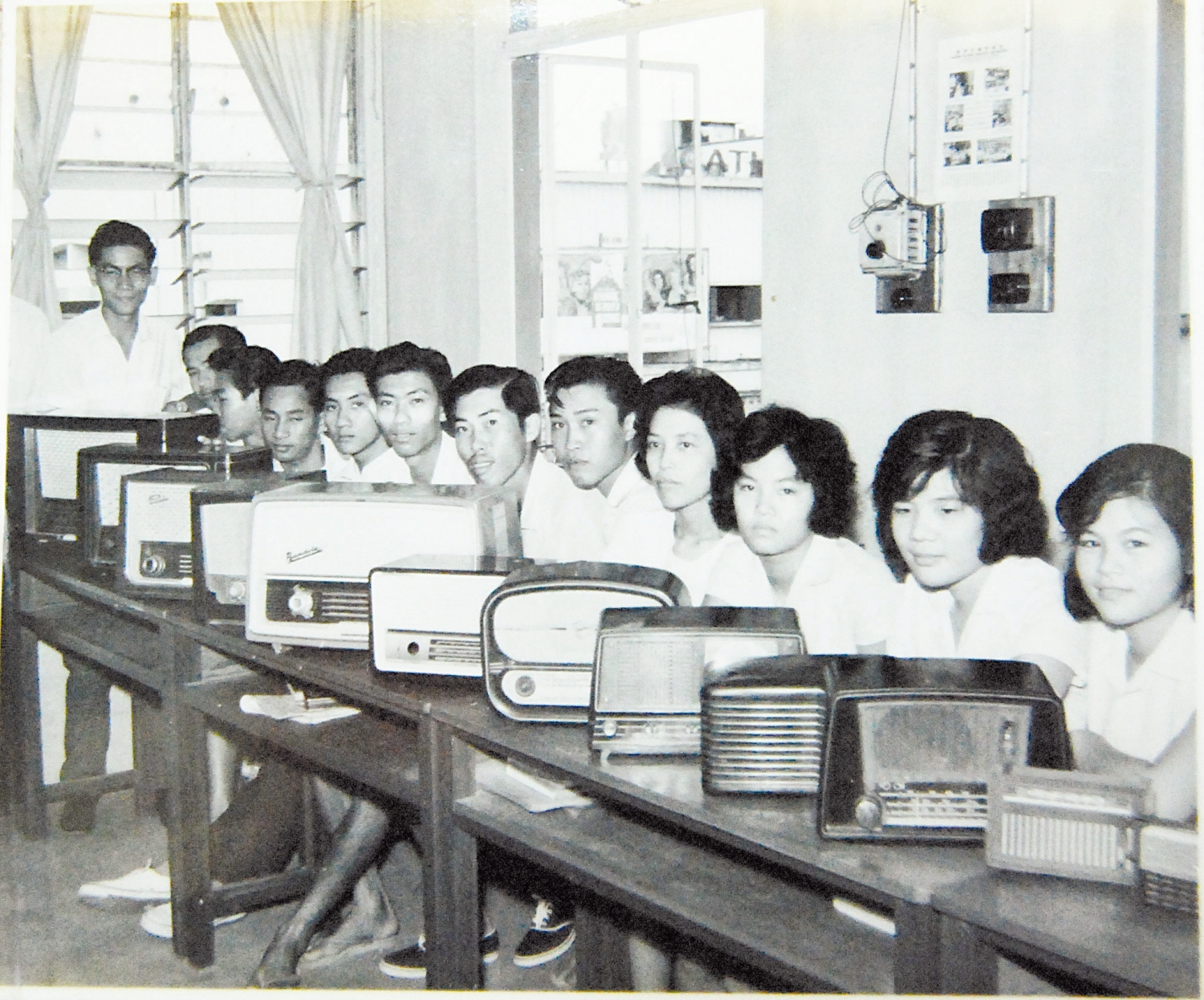
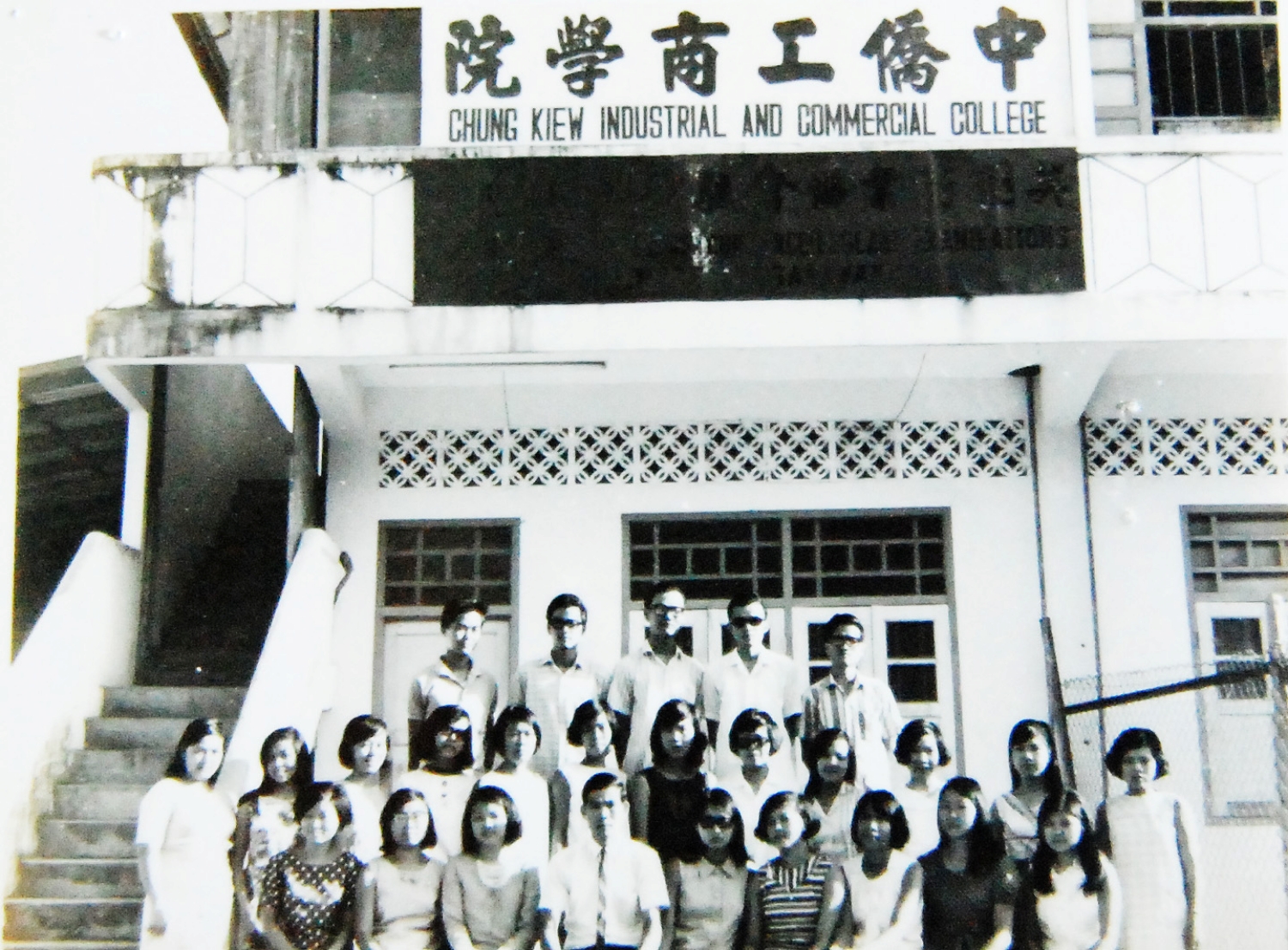
Classes were held in the spare rooms of the semi-detached house
Classes were held in the spare rooms of the semi-detached house
Classes were held in the spare rooms of the semi-detached house
Mr Hwong grew up using the external veranda as a play area and study (resting an old cabinet door on the balustrade and using it as a table)
I am not from Sibu, but I have a history with her. My father’s work took my parents there immediately after I was born. They spent two years there and returned frequently to visit friends whom they shared a house with.
Decades later, my own work took me to this riverine town to inspect job sites, meet contractors and conduct a regular design studio at United College (which evolved into Kolej Laila). On those occasions, I would start the day early on a solitary sketching expedition, until I became very familiar with the streets in the old town.
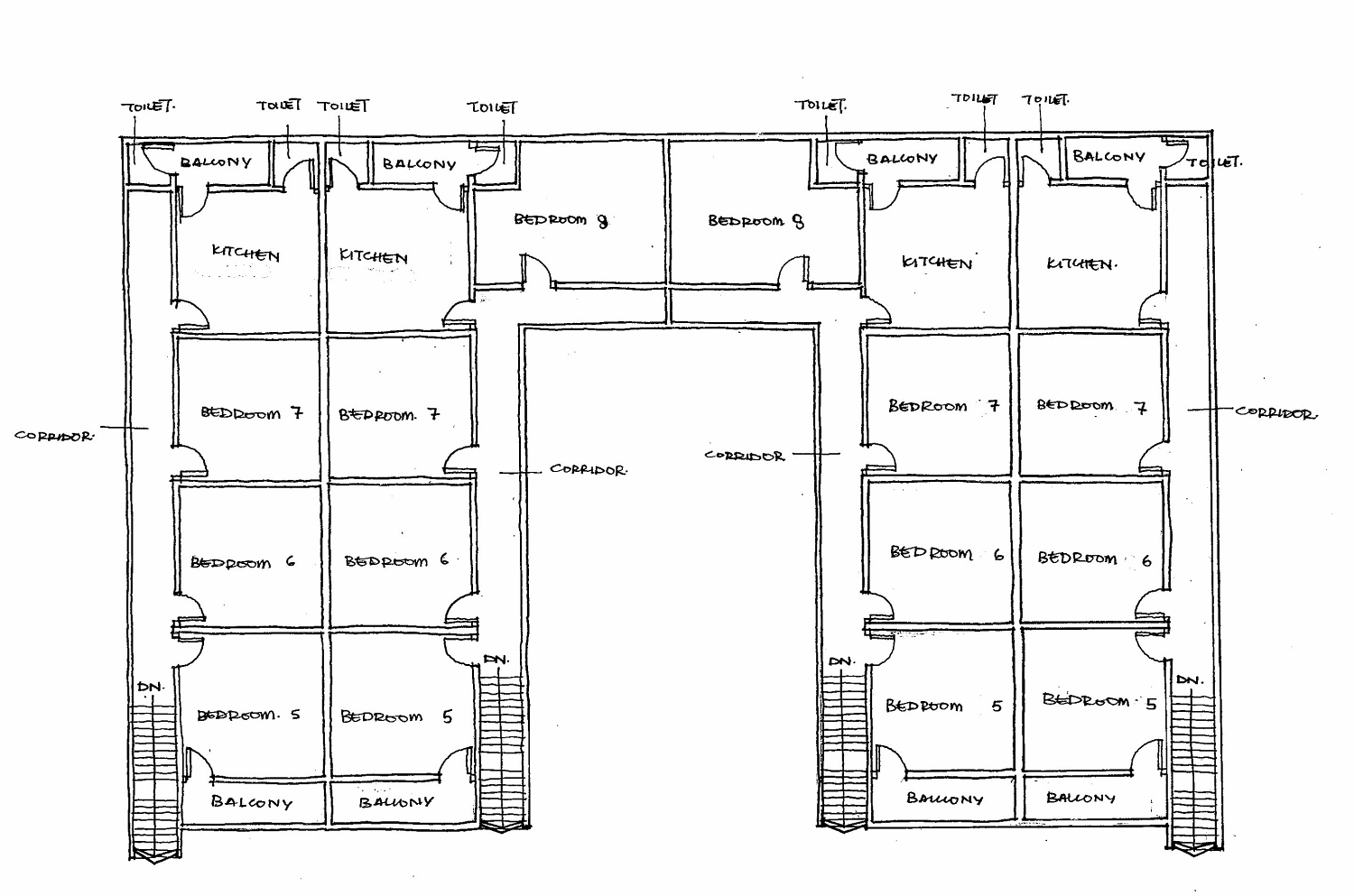
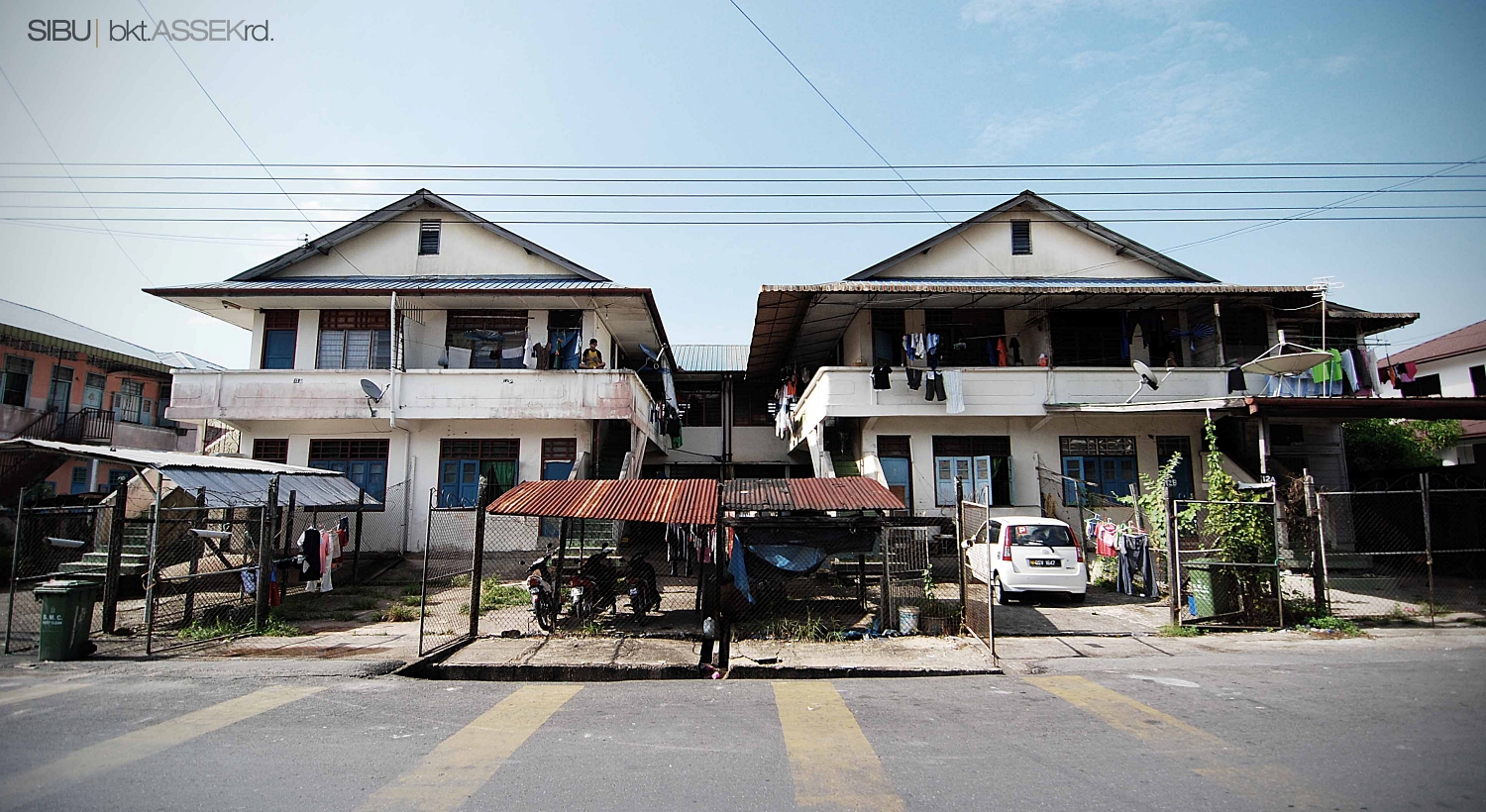
On a recent trip, Si Yong and I went looking for a housing typology unique to Sibu and neighbouring towns; double-storey semi-detached houses with an external staircase to a first-floor veranda, from which individual rooms are entered. This way, rooms can be occupied or rented out without affecting the functional flow of the house. Very practical.
Upon closer study of the floor plans, it becomes clear that practicality takes priority over conventional planning, circulation and personal boundaries. And upon an even closer look, you find yourself looking at strata-titled housing, built in the days before such planning prototypes were used. Both floors are laid out in almost the same way; both with their own kitchen with rooms accessed from the corridor. This enables flexible usage of the rooms which can be used as the living room, study, and dining room. The kitchen, bathroom and toilet are shared, which means that one family can occupy the whole house, one floor or one room!
There is a housing typology unique to Sibu; double-storey semidetached houses with an external staircase to a f irst-floor veranda, from which individual rooms are entered
From 1964 to 66, my parents rented and lived in one of these rooms along Jalan Bukit Assek while my father worked as a translator for the Special Branch. These were the RASCOM years when Sibu was a hotbed of communist activity. These days, the inhabitants are mostly migrant workers from neighbouring towns though we met up with a local gentleman, Mr Hwong Yew Tuong* who has raised his family in one of these houses. *He is Ar. Hwong How Hing’s father.
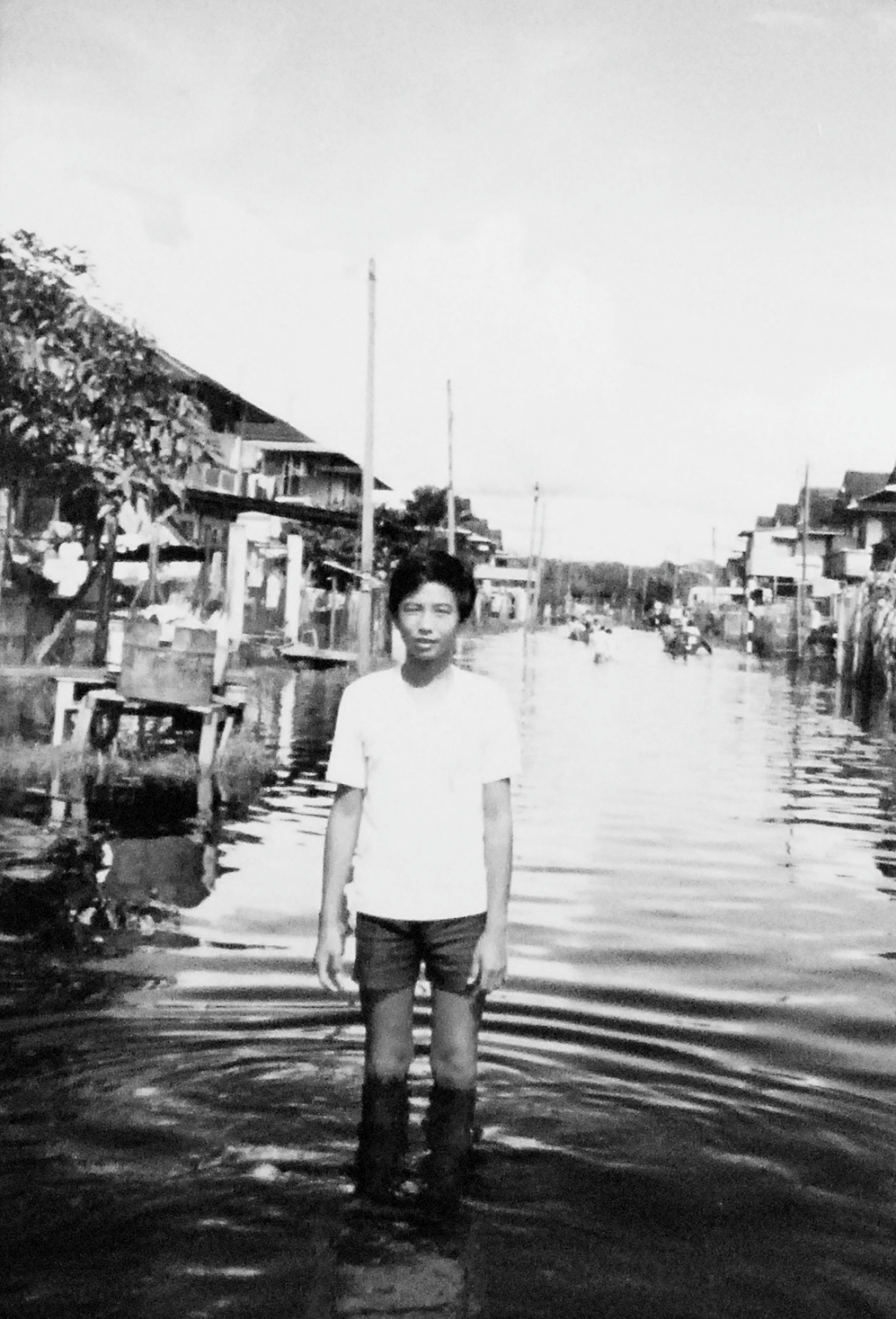
Mr Hwong was kind enough to explain the life cycle’of his house through his collection of family photographs and newspaper clippings.
Mr Hwong Yew Tuong, 85 is a man of diverse talents which probably explains why his house has served wide-ranging functions in its life span. Mr. Hwong was trained in electronics in Hong Kong in the early 60s after which he returned to work in Sibu as a telephone switchboard engineer. He also taught electronics, electrical wiring and book-keeping (!) at home in his spare time. He spent several years in Indonesia managing the accounts in a remote timber camp. When he returned to Sibu this time, he developed a new abacus and mental arithmetic system which he taught from his house and introduced to the schools in the area. Spare rooms were used as classrooms or tuition centres to earn a bit of extra income. Very practical.
From 1964 to 66, my parents rented and lived in one of these rooms along Jalan Bukit Assek
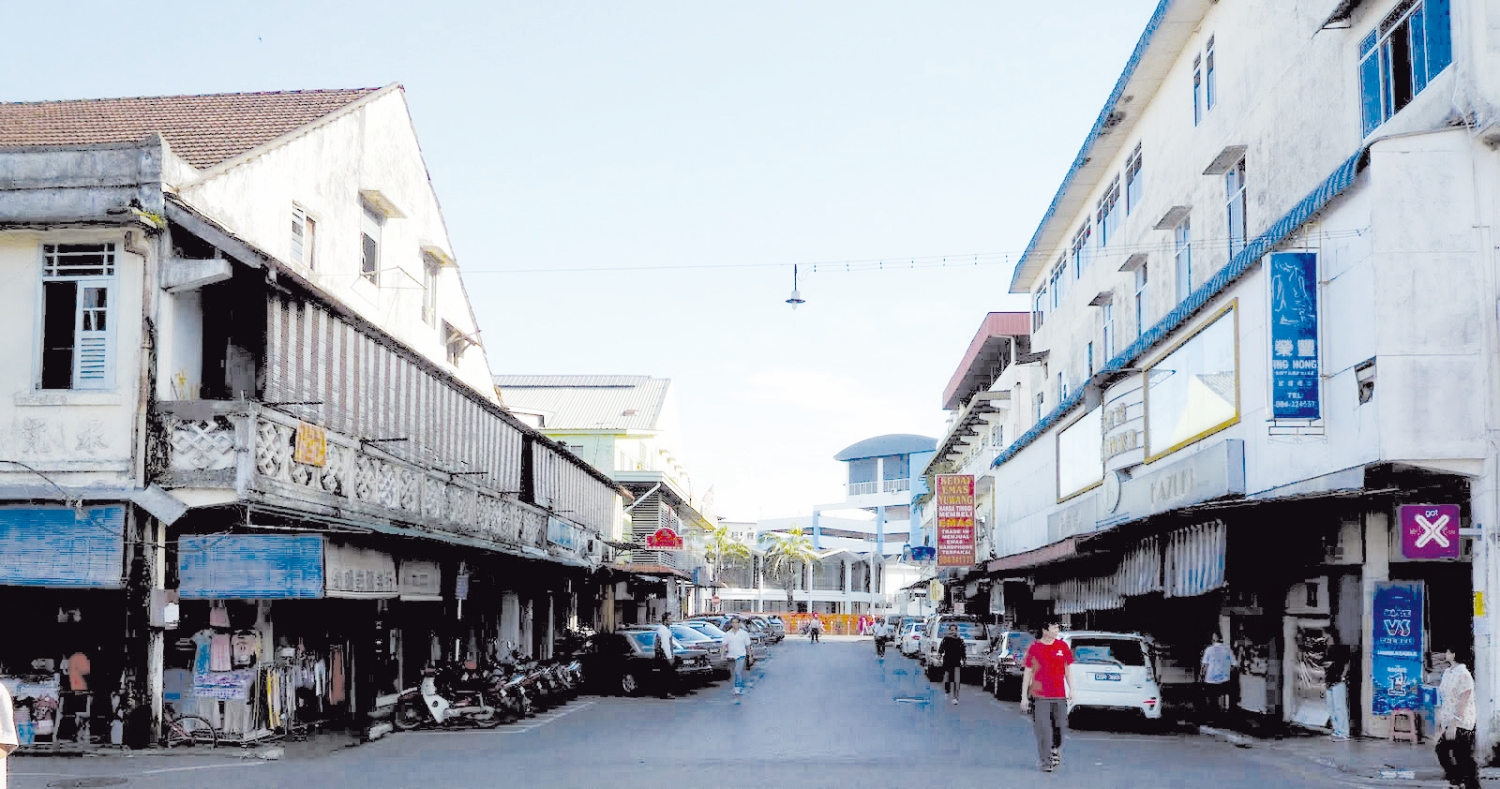
I end with an excerpt from my blog entry from 2010 – I like how Sibu is bustling with life at 6 a.m., in the old market street, ladies are shopping in their pyjamas, coming down the narrow timber stairs of the shophouses. I like how the shophouses retain their original function; residents keep the shop on the ground floor and live upstairs. My favourites are the ones along Jalan Bengkel; well-proportioned with pitched roofs and verandas running down the sides of the shops – they provide access to individual rooms on the first floor. Very practical.
View towards the Sibu Central Market from Jalan Market