Cutting Up Traditional Wear

There will never be complete fullness or complete nothingness
because nothing is permanent.
Text and illustration by Edric Choo
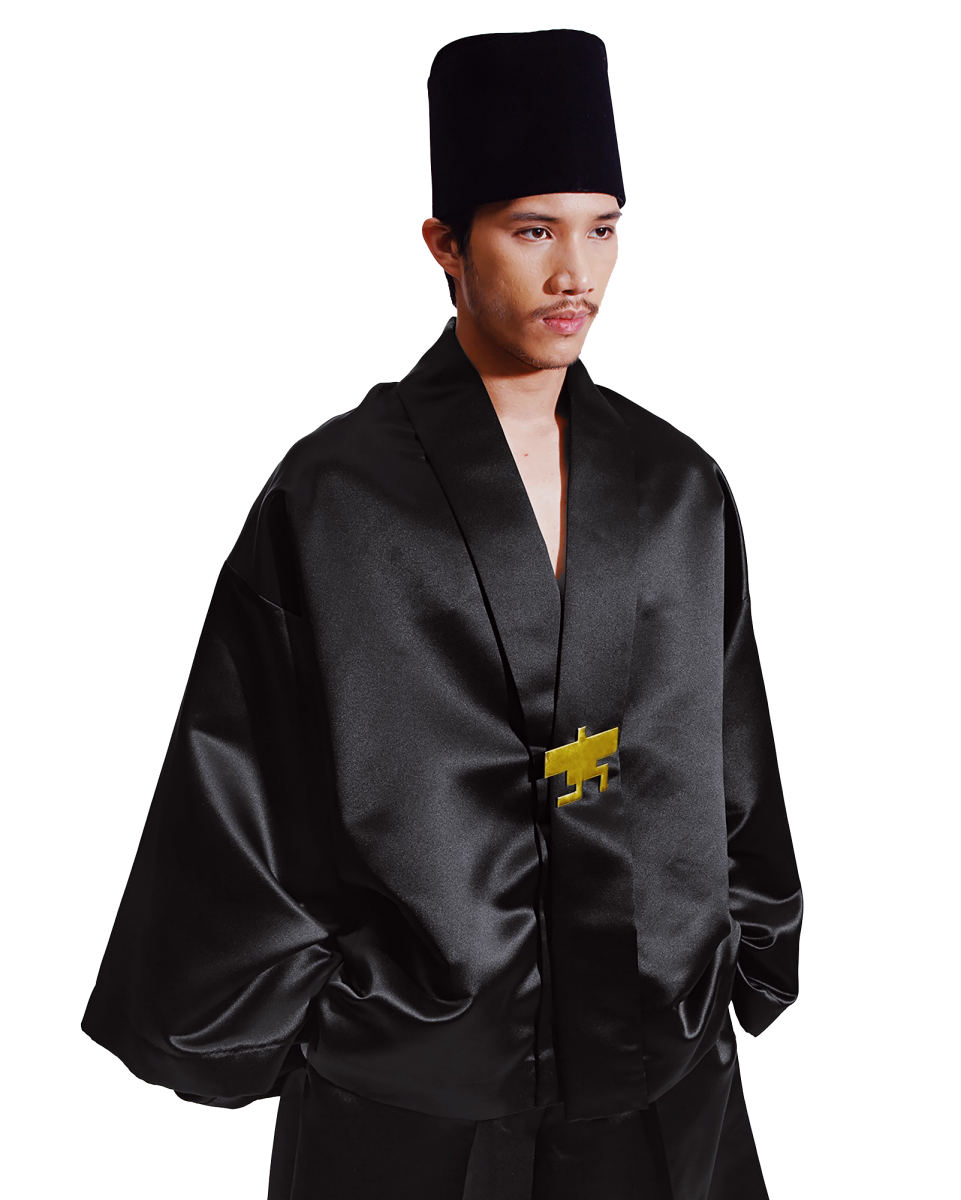
Baju Melayu oversize
Fashion house BEHATI, not even five years old, has been making waves across the local atelier world with their interpretation of traditional wear.Their distinct design choices aroused a storm of compliments and critiques in the recent Kuala Lumpur Fashion Week 2022.
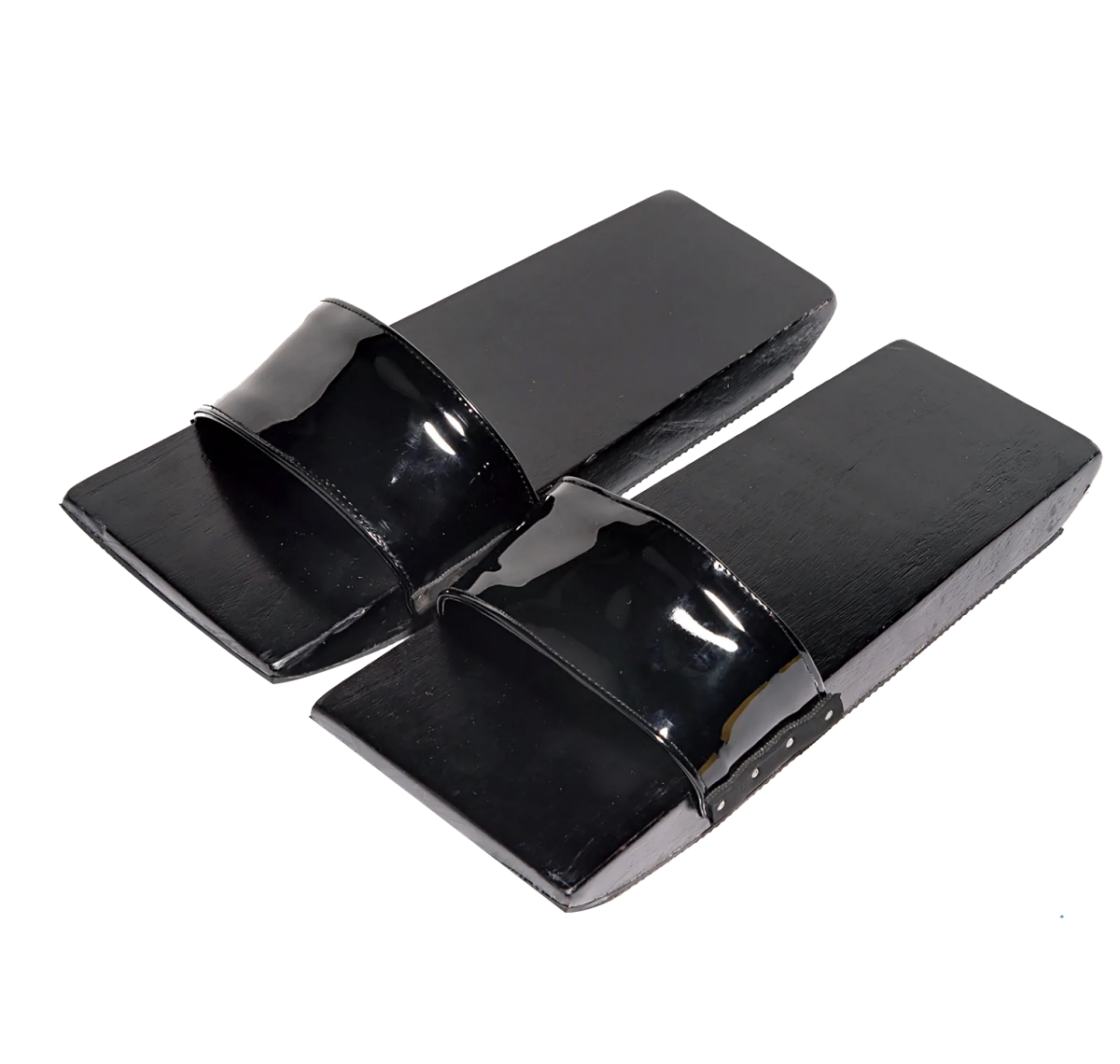
Vinyl Terompah Slide from the Peranakan Collection

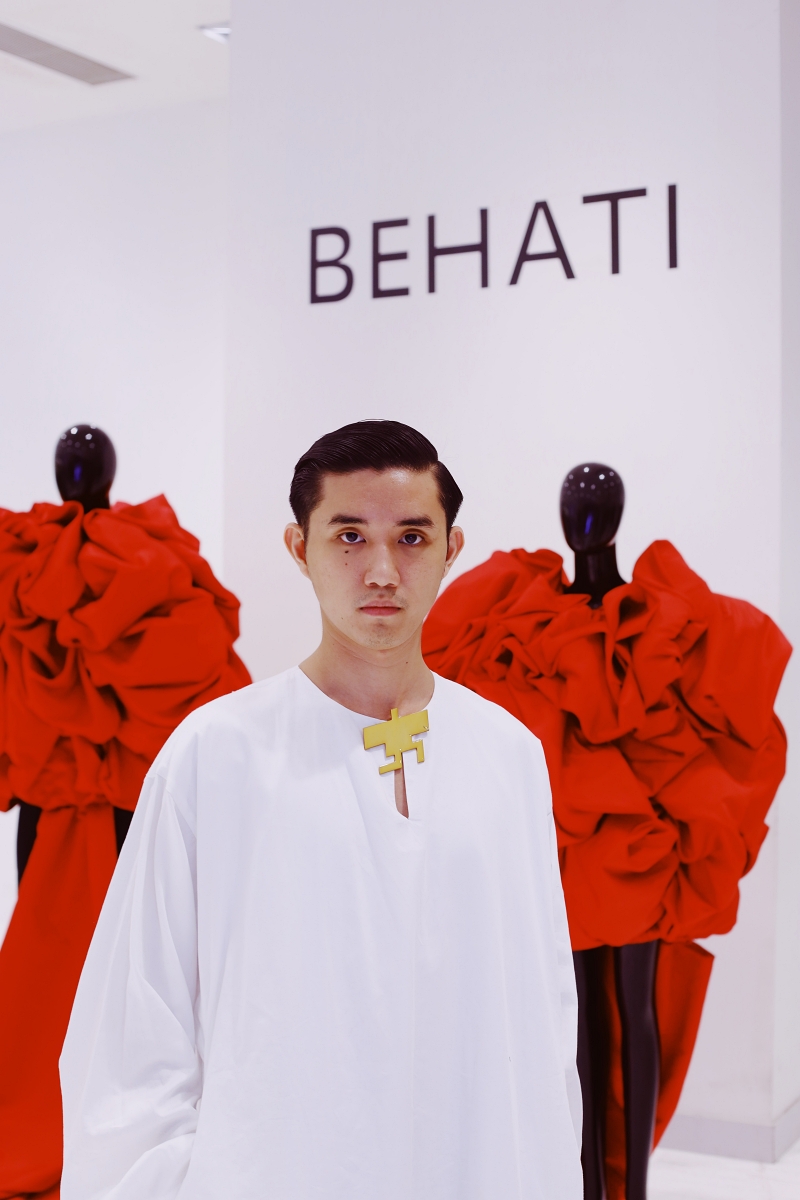
Man-on-a-mission Kel Wen created BEHATI in 2018 as an outlet to sell brooches.Fast forward four years and numerous collections later, he has not only sold them but has pinned himself as a cultural icon in Malaysia’s fashion zeitgeist.The fashion house represents an artistic curation that is loud and proud, merging age-old conservative attires with sex appeal and evocative tailoring into a multicultural ensemble.

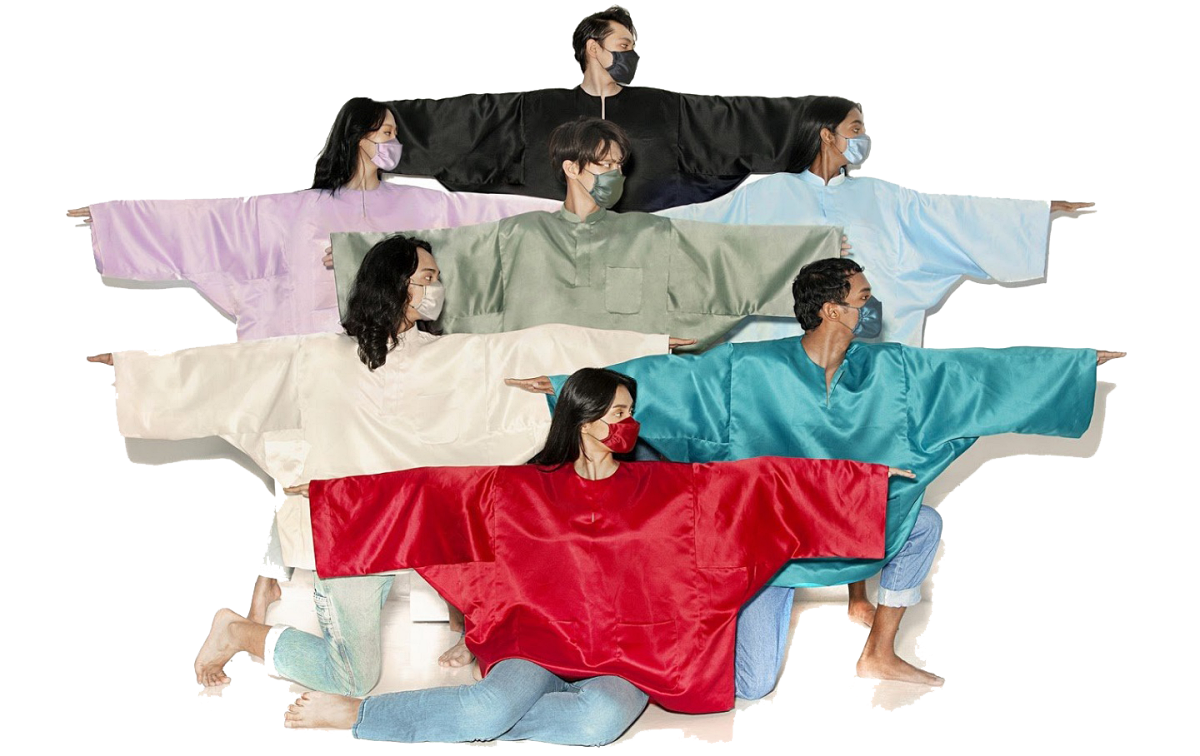
It all boomed when his ‘Baju Melayu Oversaiz’, a top he initially fashioned as a way to sell his brooches, became an overnight sensation upon release.Essentially, it was the traditional baju Melayu, scaled up to almost comical proportions, worn by men and women in its promotional images.The baju took a life of its own as it went viral on social media in 2019, inducing local news coverage and propelling BEHATI into a household name.Discussions ranged from downright opposition, calling it “disrespectful”, to others delighting in the whimsical nature of the clothes.

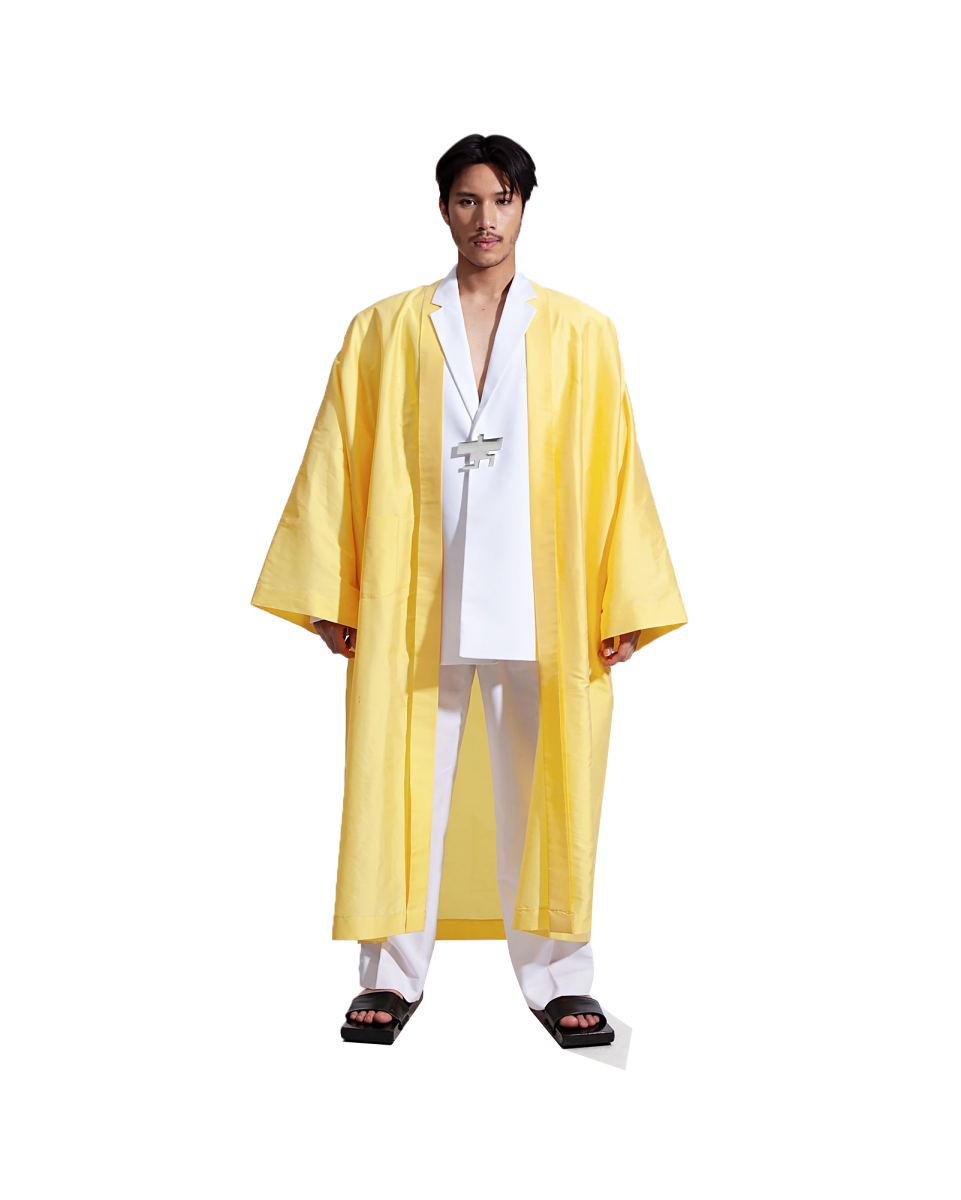
From the BEHATI Peranakan collection, featuring the BEHATI Pose brooch

Through the backlash, Wen realised that there was enormous potential in alternative traditional wear.Years of studying fashion reinforced his belief in the integrity of his creation.His understanding of the Kekek Pesak, a traditional patterning method, was true to the original style of fabricating a baju Melayu, compared to the current preferences for Set Sleeves.It was this knowledge that made him realise, despite the angry calls to ‘not break from tradition’, he was in actuality reviving it in the present.

“It’s important as a designer to create conversations in fashion,” he notes.He doesn’t take the criticism too harshly, choosing instead to relish in the fact that his collection has generated thought-provoking discussions.As long as people are paying attention, it means that the design is impactful.“Design is not about making people happy or making something pretty,” he says. “It’s about breaking the norm and creating something no one has seen before. The people who understand fashion appreciate the approaches I have taken in my creations.”

Making the traditional modern
Baju Kelepek Panjang from the Peranakan collection featuring the BEHATI Pose brooch

One of the key methods of ensuring his art remains effective is to be on top of current trends.“I take what is relevant today, and apply it to the traditional garment.”

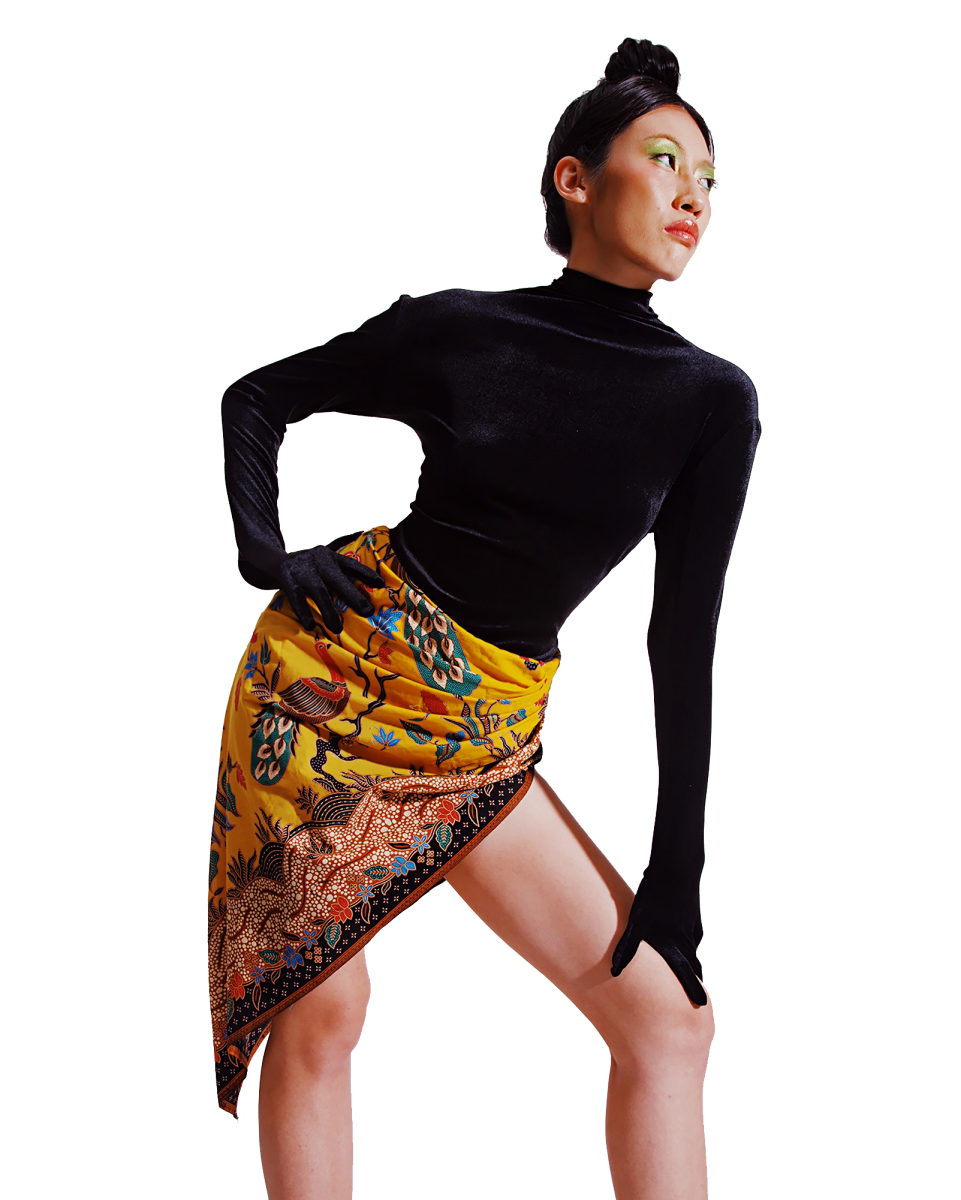
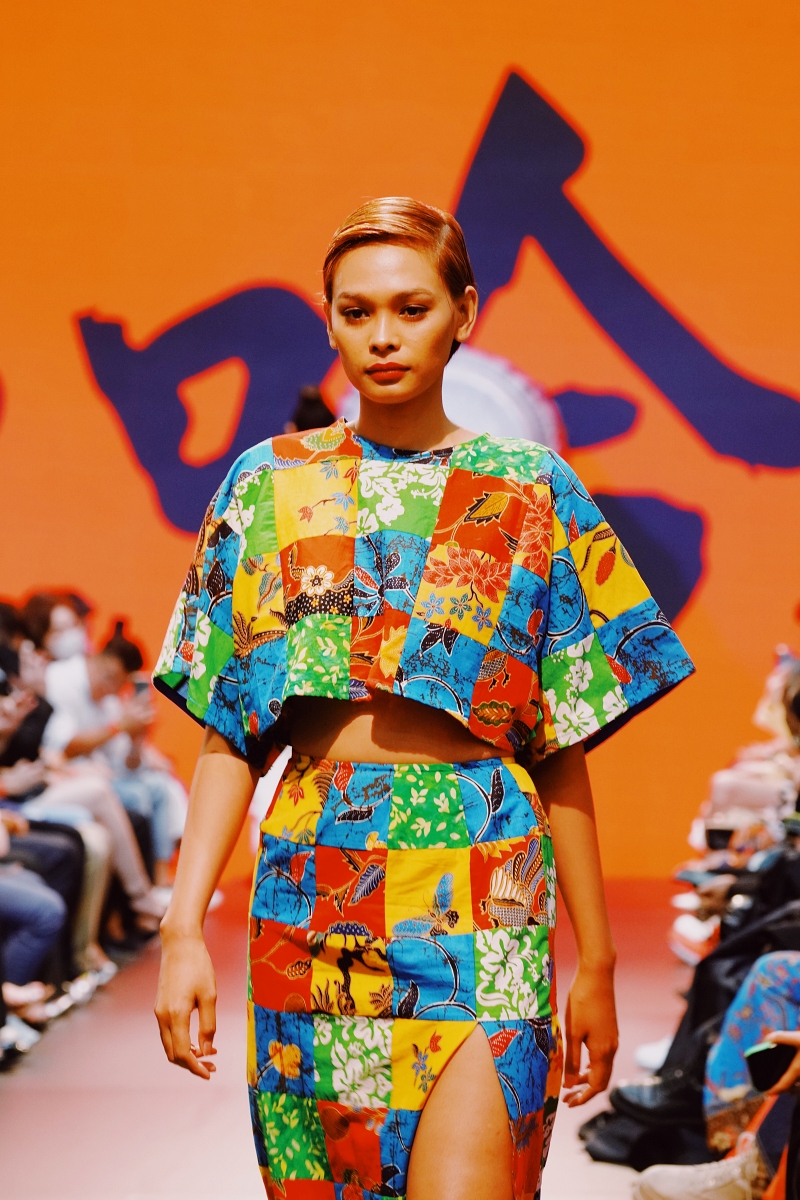
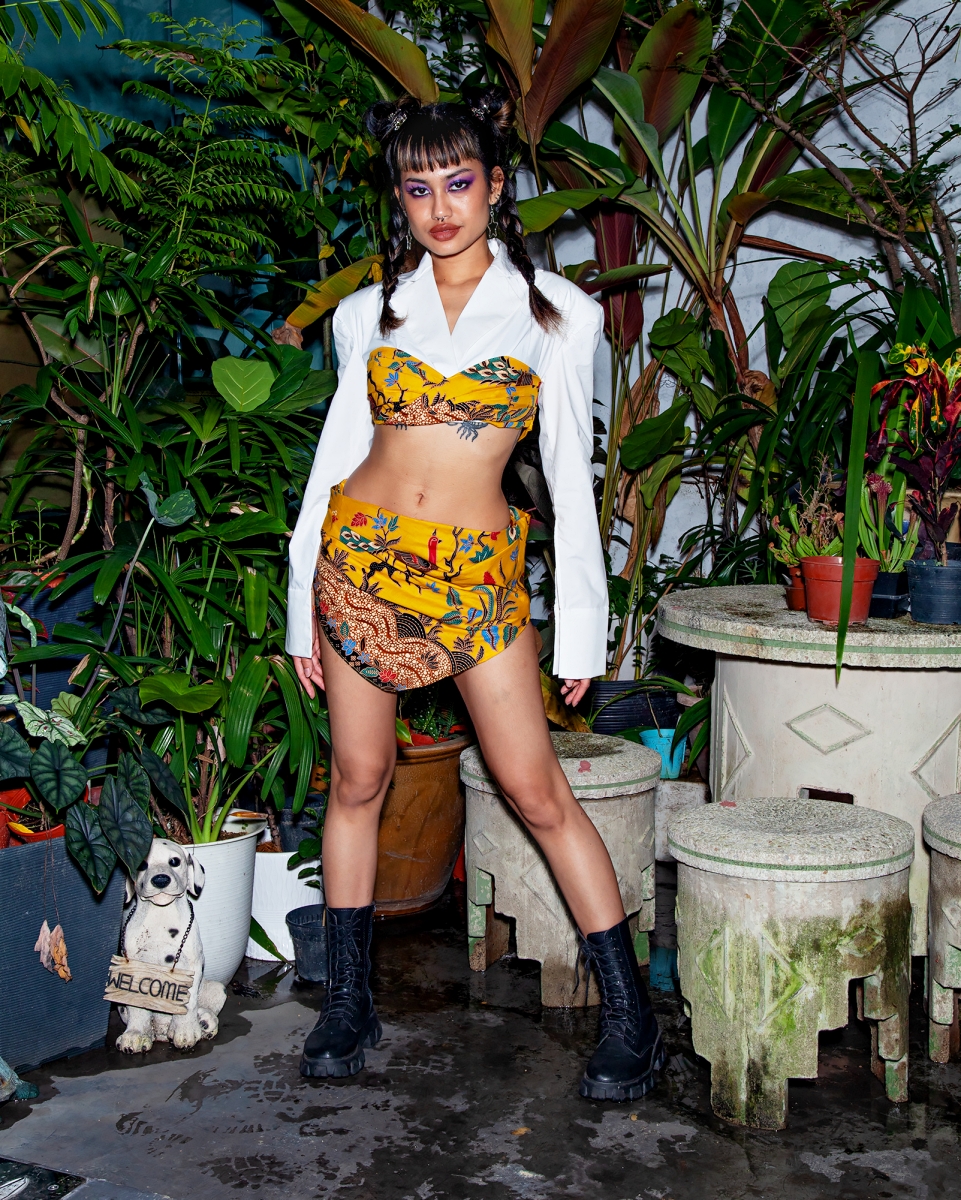
For example, it is trendy right now to wear crop tops, so he designed the Nyonya kebaya to be hemmed above the navel, catering for the socialites and influencers of today.They are paired with miniskirts draped in Batik, lined with built-in briefs.The idea is for people to relate to and wear it as a contemporary piece.He is not interested in designing things out of touch.His latest collection for Kuala Lumpur Fashion Week 2022, a reinvention of Wen’s childhood roots, is titled ‘Peranakan’.

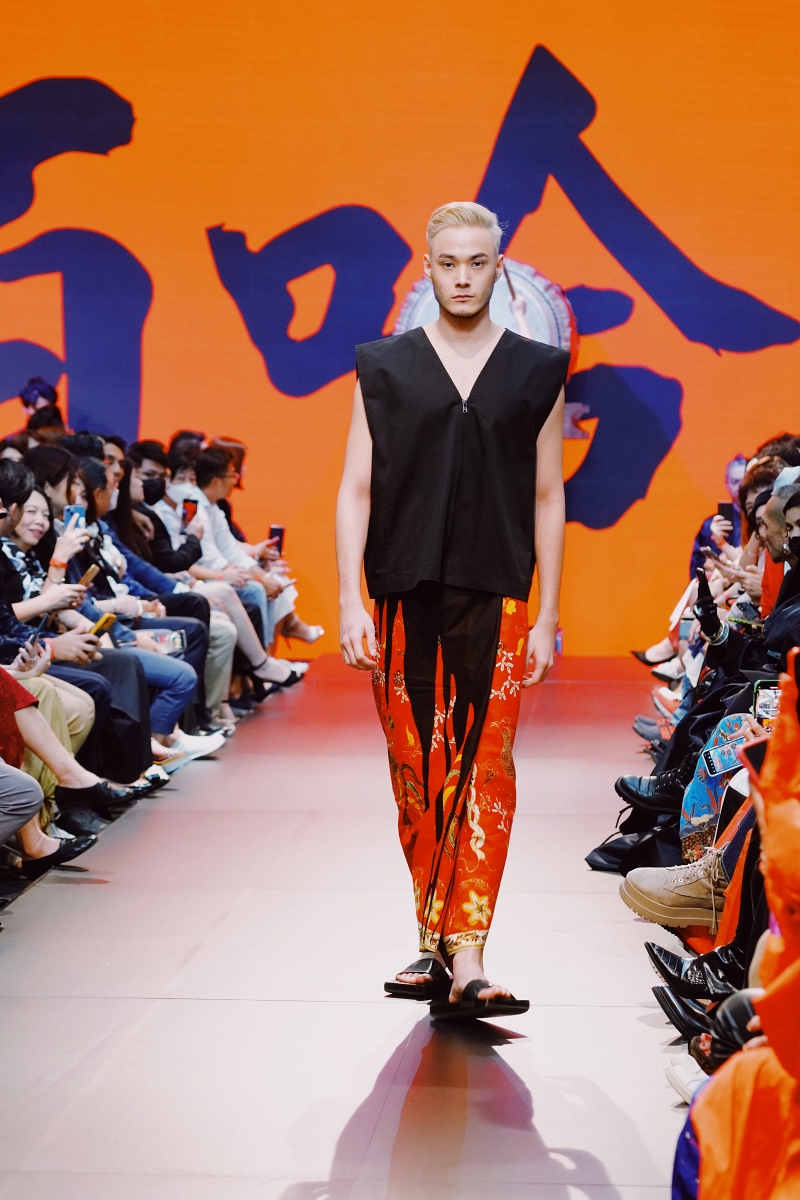
Sampayao Pinongkok with black drip batik effect

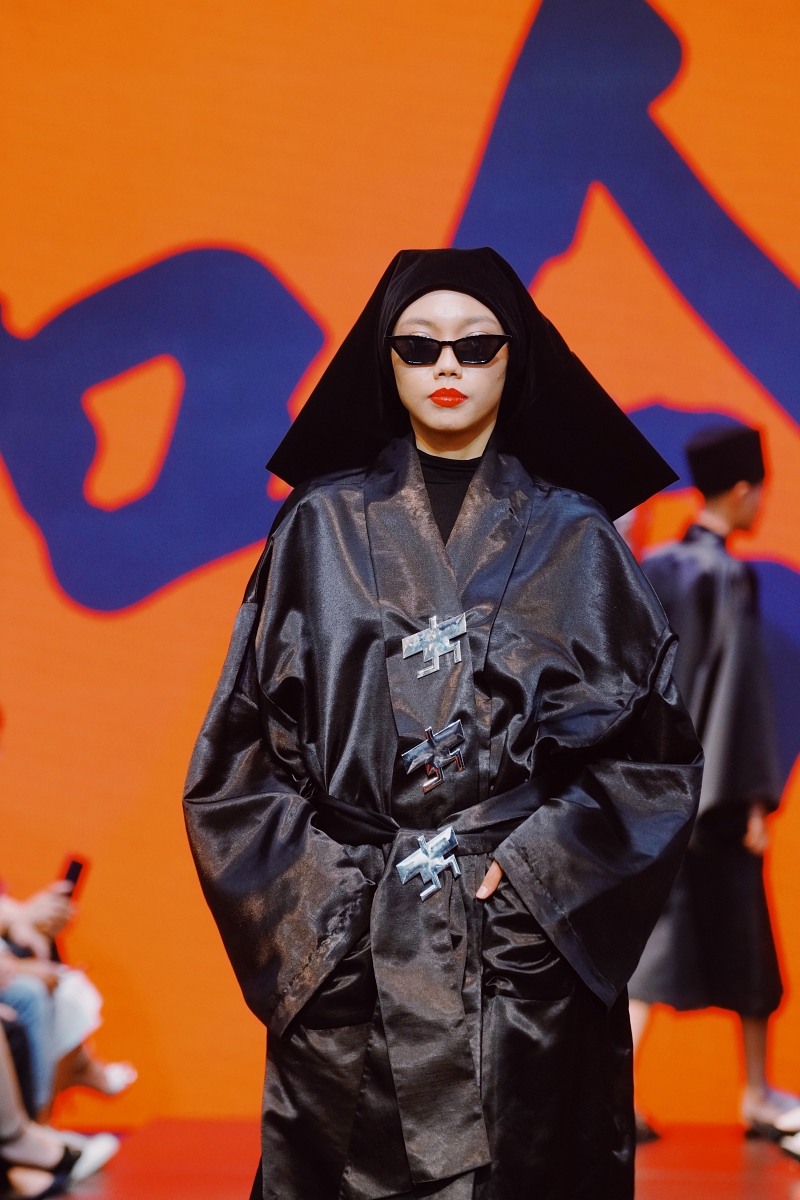
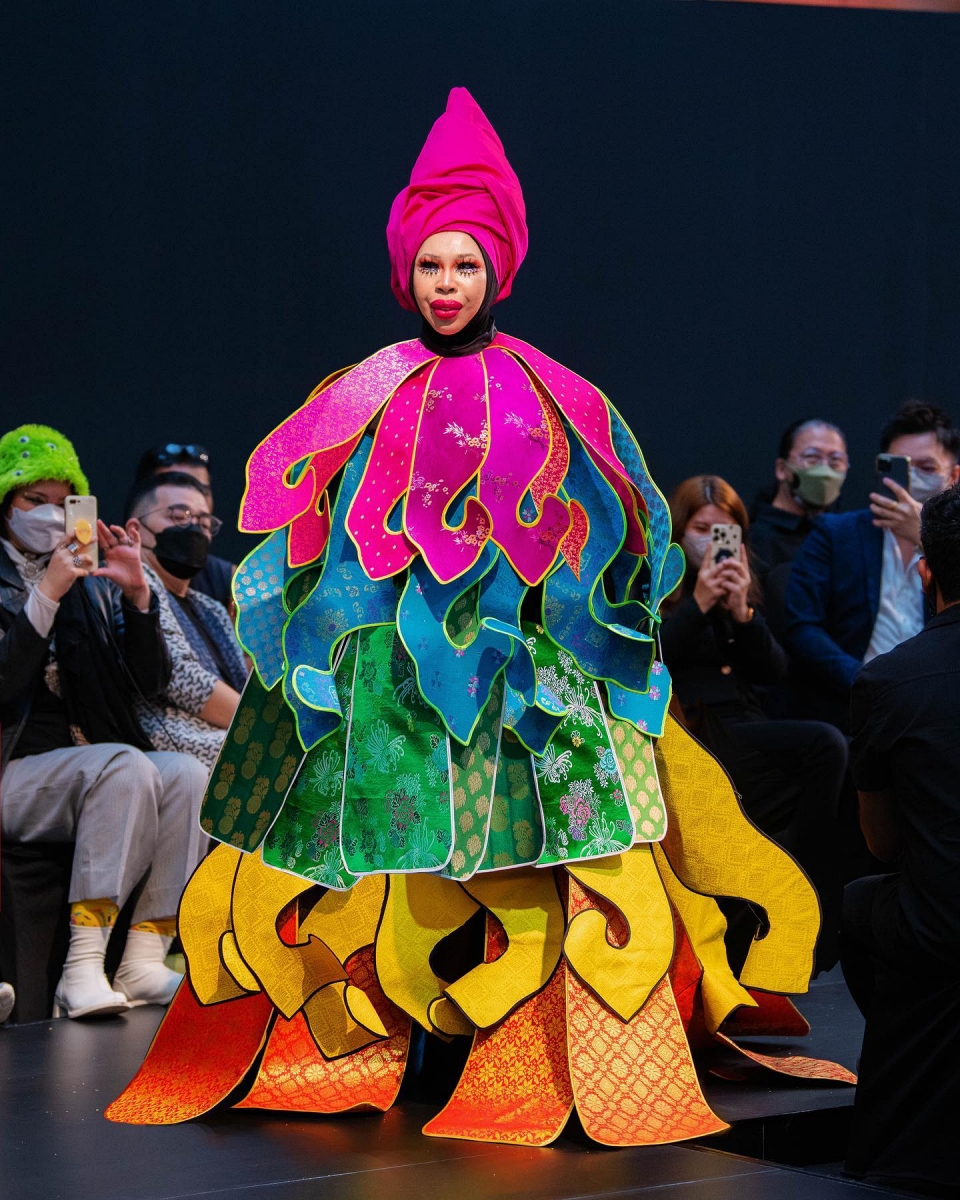
The show made an immediate splash on the internet upon the attendance of singer Aina Abdul, in an avant-garde full black ‘Kutior’ ensemble that was inspired by the classic Chinese flower ball.It engulfed her in billowing layers of black satin from head to toe, leaving openings only for her face and hands.The look foreshadowed the first iconic stamp on his runway, a slew of black outfits that included a modern full black Sampayao Pinongkoh, a sleeveless blouse of Borneo Heritage.This was paired with a sarong processed through a ‘Batik on Batik’ technique that produced a dripping ink effect.On top of these clothes was the iconic BEHATI pose brooch, designed based on the silhouette of the viral Baju Melayu Oversaiz depicting the house’s fashion-forward mission.

Fabric inspired by tiles in Peranakan homes
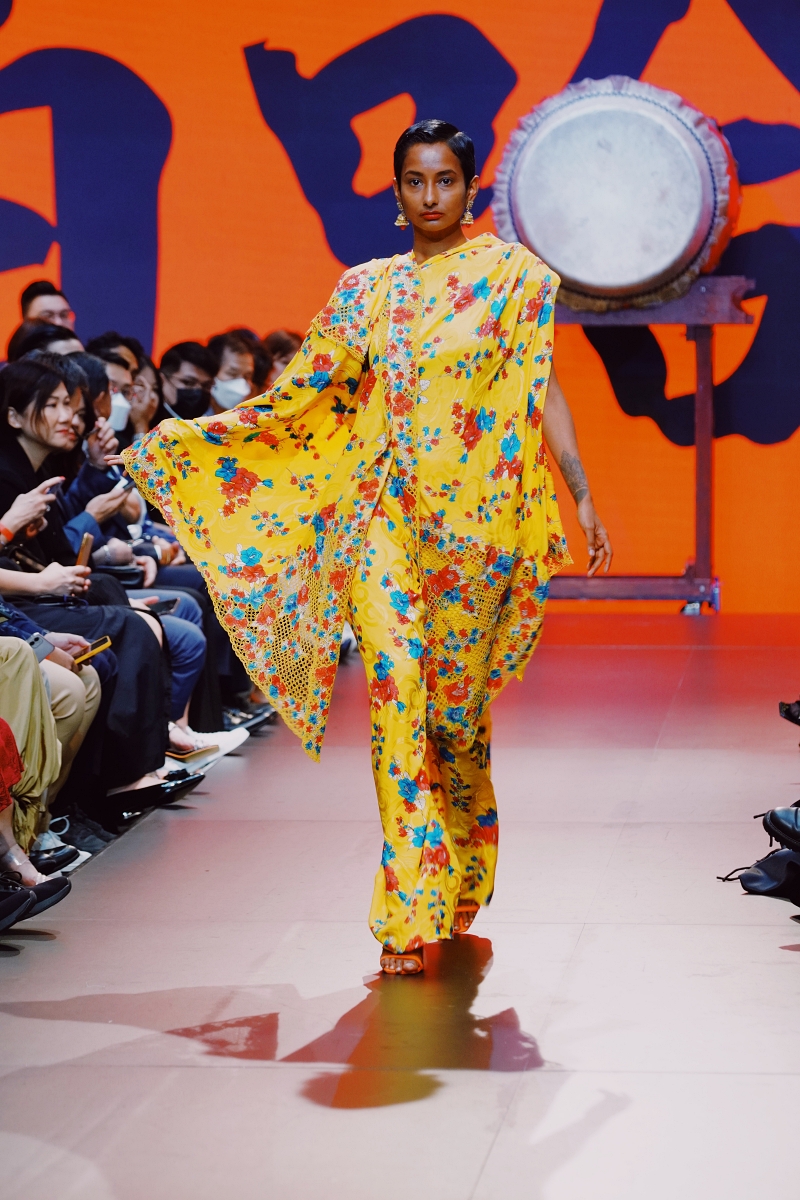
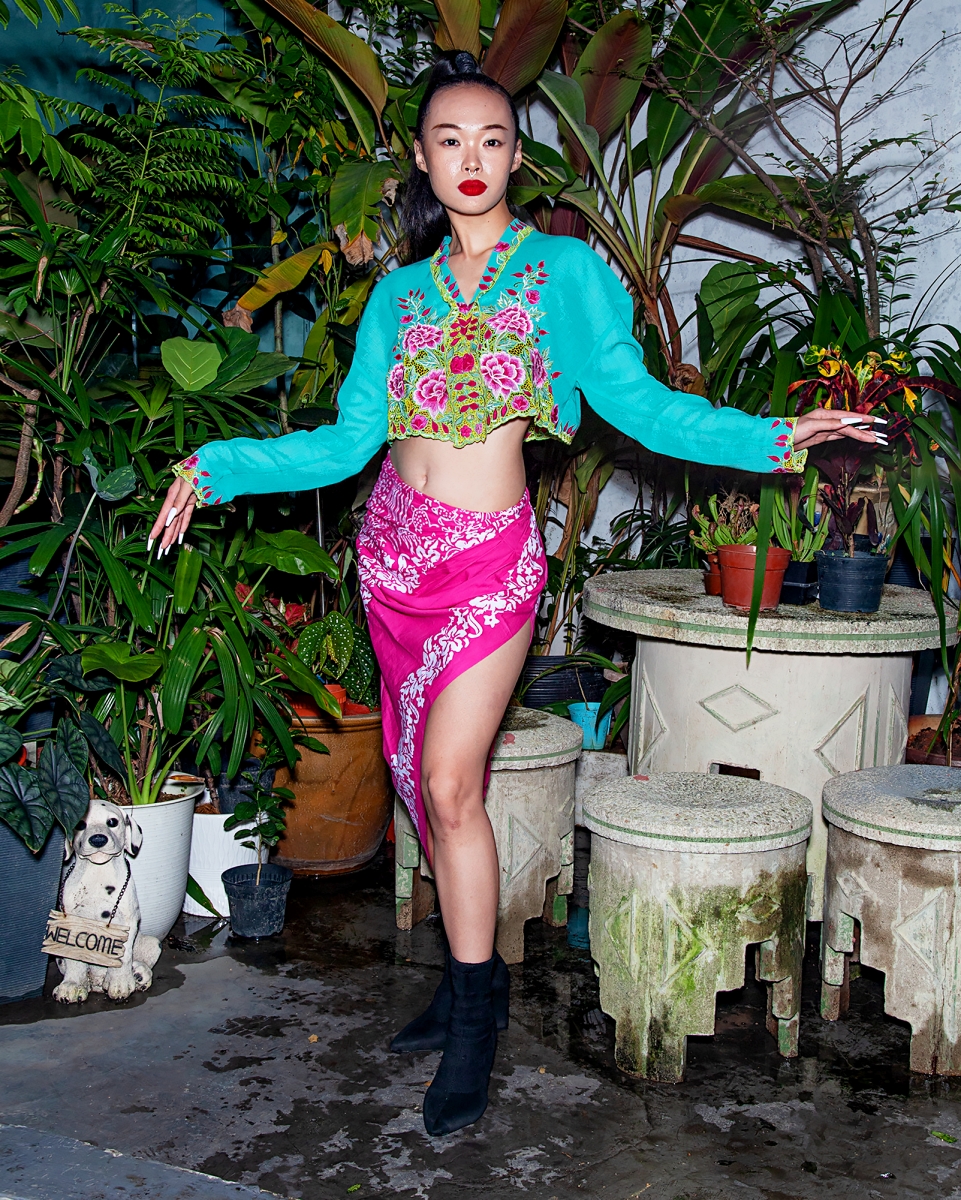
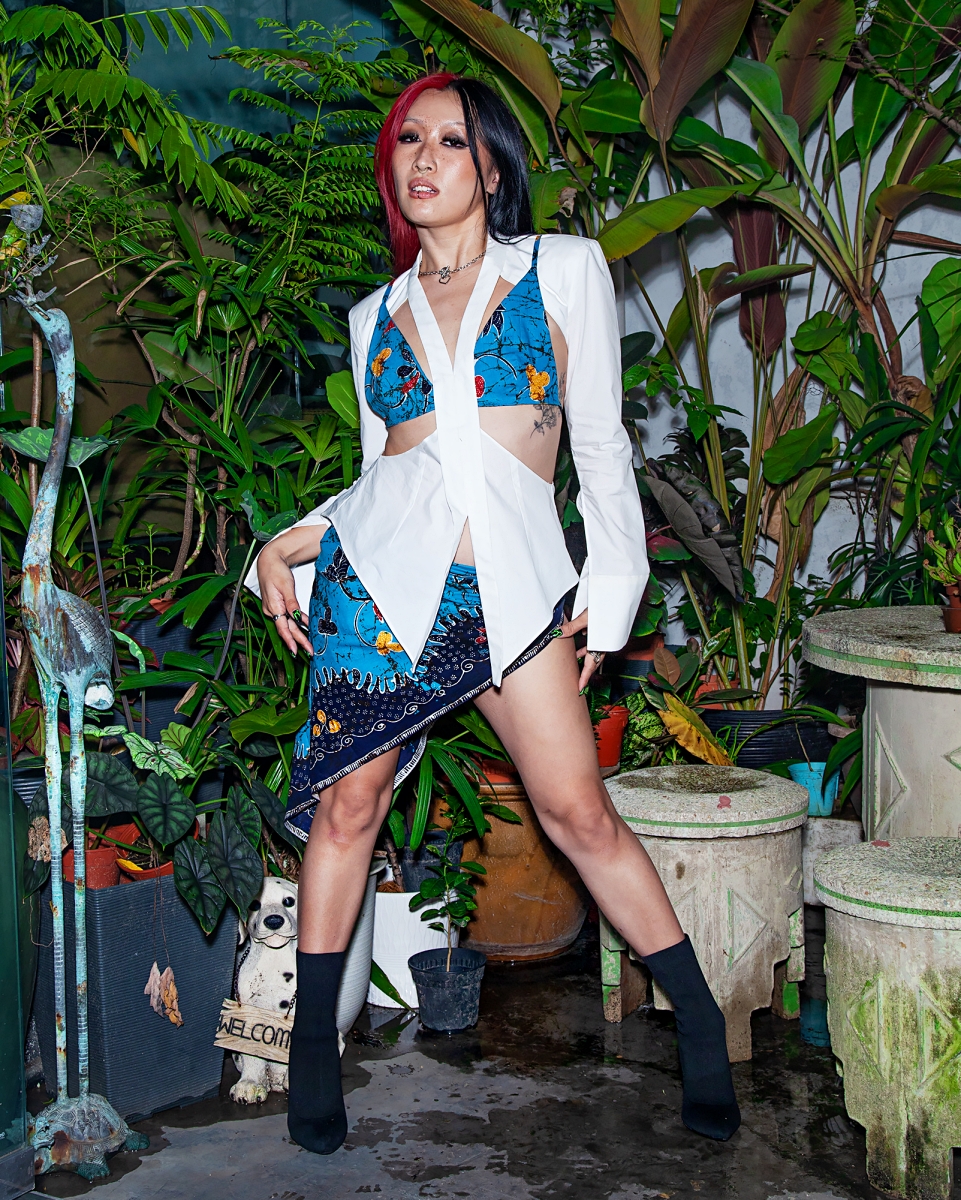
Other key looks from the ‘Peranakan’ show were punk utilitarian pieces mixed with traditional Chinese elements, like knot buttons and a pleated fan.There was a modern bikini top cutout on a shirt, with the ‘kelepek collar’, aptly named ‘Kebaya Pedas’.Baju Kurung is seen with Chinese elements, such as tassels and green chalcedony beads.There is also the ‘Kebaree’, a hybrid between the Kebaya and the Saree, the fabric of which was draped to form a new silhouette, and embellished by a 70-year-old Malay embroiderer from Melaka. It was a spectacle of multiculturalism, weaving the richness of various local influences.
Black look featuring Behati Pose brooch
The Kebaree
Dato Seri Vida in BEHATI ensemble

Just as audiences are buffeted by the melting pot of mixed materials, the encore sees a surprise appearance on stage by media personality Dato’ Sri Vida.To the untrained eye, she sashayed like a theatre caricature.True to Wen’s revival motive, she was dressed in a modern take on the classic Peranakan bride assemble, the signature collar and layers altered in colour and scale, in a manner where heritage meets pop.

One might argue that BEHATI’s designs are just for controversy at this point. But there is a purposeful consciousness to their approach, one that commands attention and critique.It’s not all just futuristic regional wear for the sake of aesthetics.There is no specific race identification to his pieces, but it is undeniably Malaysian.The structural technique applied to his garments is the preservation of historical sewing patterns.The fabrics, including Indian songket and Chinese brocade, are lovingly collected over the years and come from consciously upcycled materials collected from around the country, the home of Kel’s influences.

Kebaya crop top

It’s easy to see why BEHATI has drawn so much attention. Their approach of merging elements from different races and cultures onto one garment is a journey not commonly tread.One of his missions is to elevate local wear to international standards, and Kel keeps on top of what global fashion icons are wearing – the likes of Mugler, Schiaparelli, and Jacquemus.

“So much has evolved in fashion,” he laments, “and no one owns traditions or fashion, so no one should gatekeep it. To preserve you need to evolve. It’s not just about maintaining a certain look. It’s about recreating the entire movement with many influences to show the possibilities of multiculturalism.”His biggest challenge is the sensitivity that comes with the threshold of tradition, but it’s a mindset he is willing to challenge.“Ultimately,” he says, “the collection is about modernising traditional wear. I want as many people to wear our traditional clothing.”

Kebaya crop
Kebaya Pedas
Kel Wen, founder of BEHATI

FEATURES

RELATED ARTICLES