
SK
DT
SK
DT
SK
DT
SK
DT
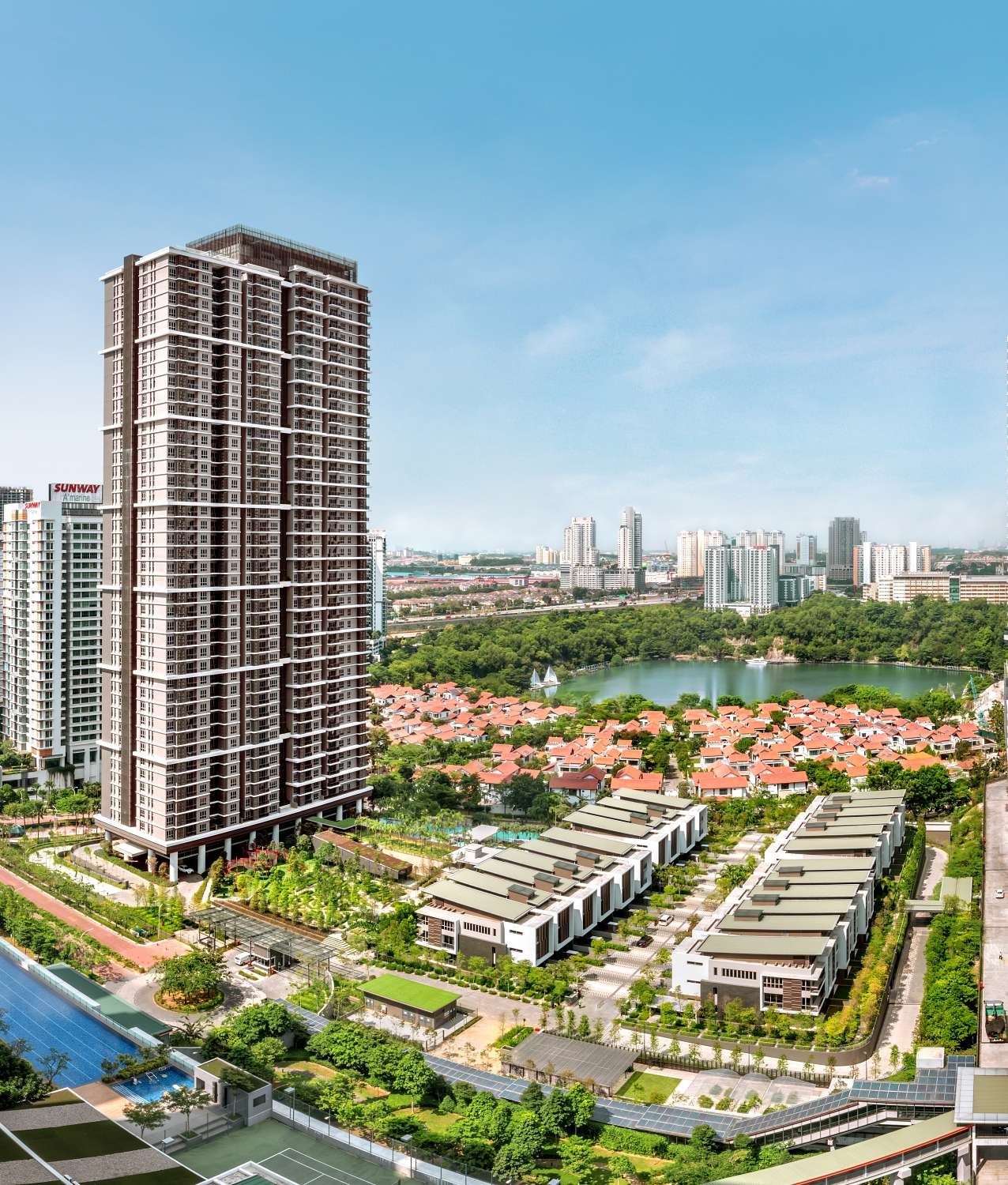
The Bauhaus is Modern architecture. My design is basically modern. I always believe that design should be simple and functional. A design should be clean in its geometry and a good articulation of lines, planes, and form. My primary interest in architecture is in geometry and the use of Euclidean geometry in form making, space making and place making.
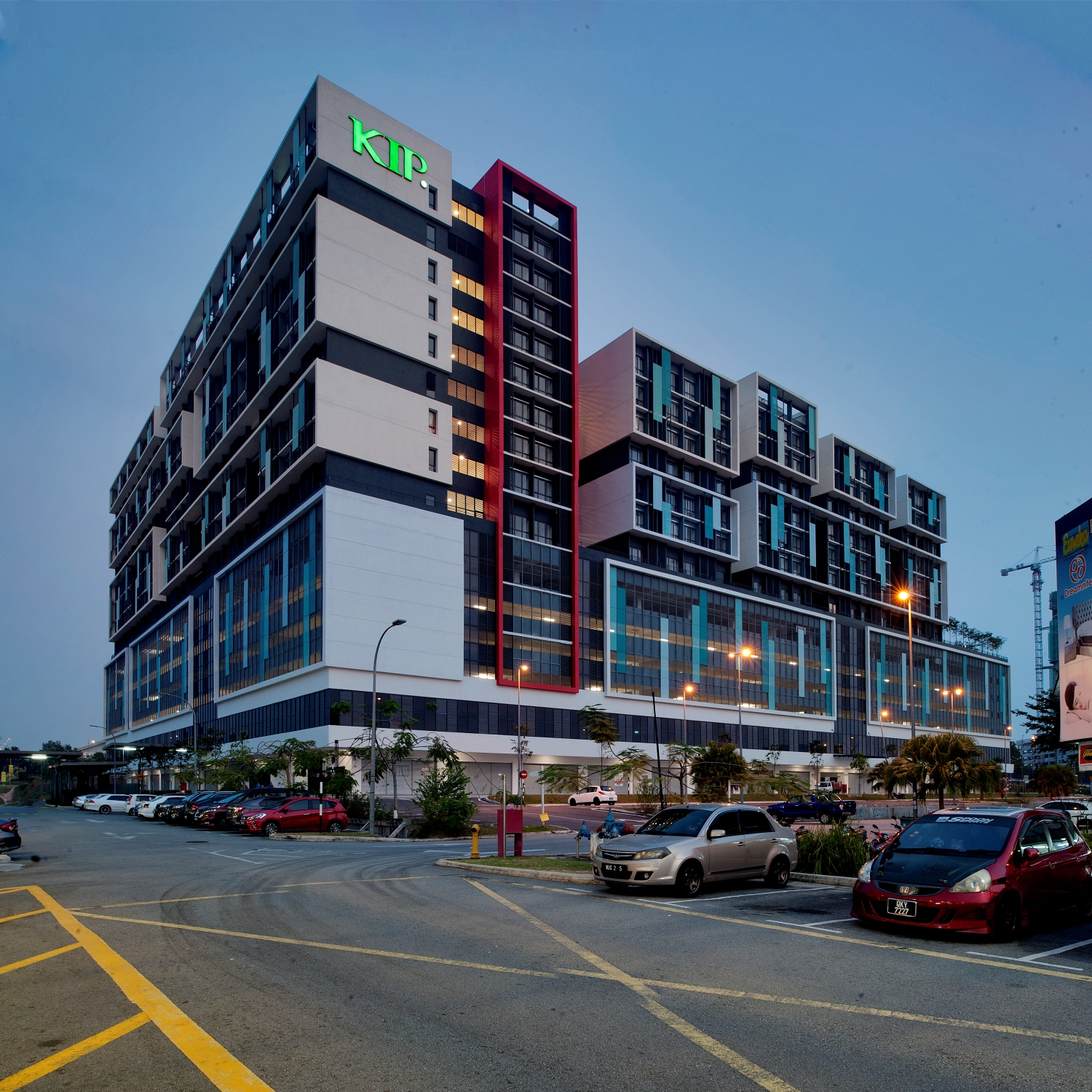
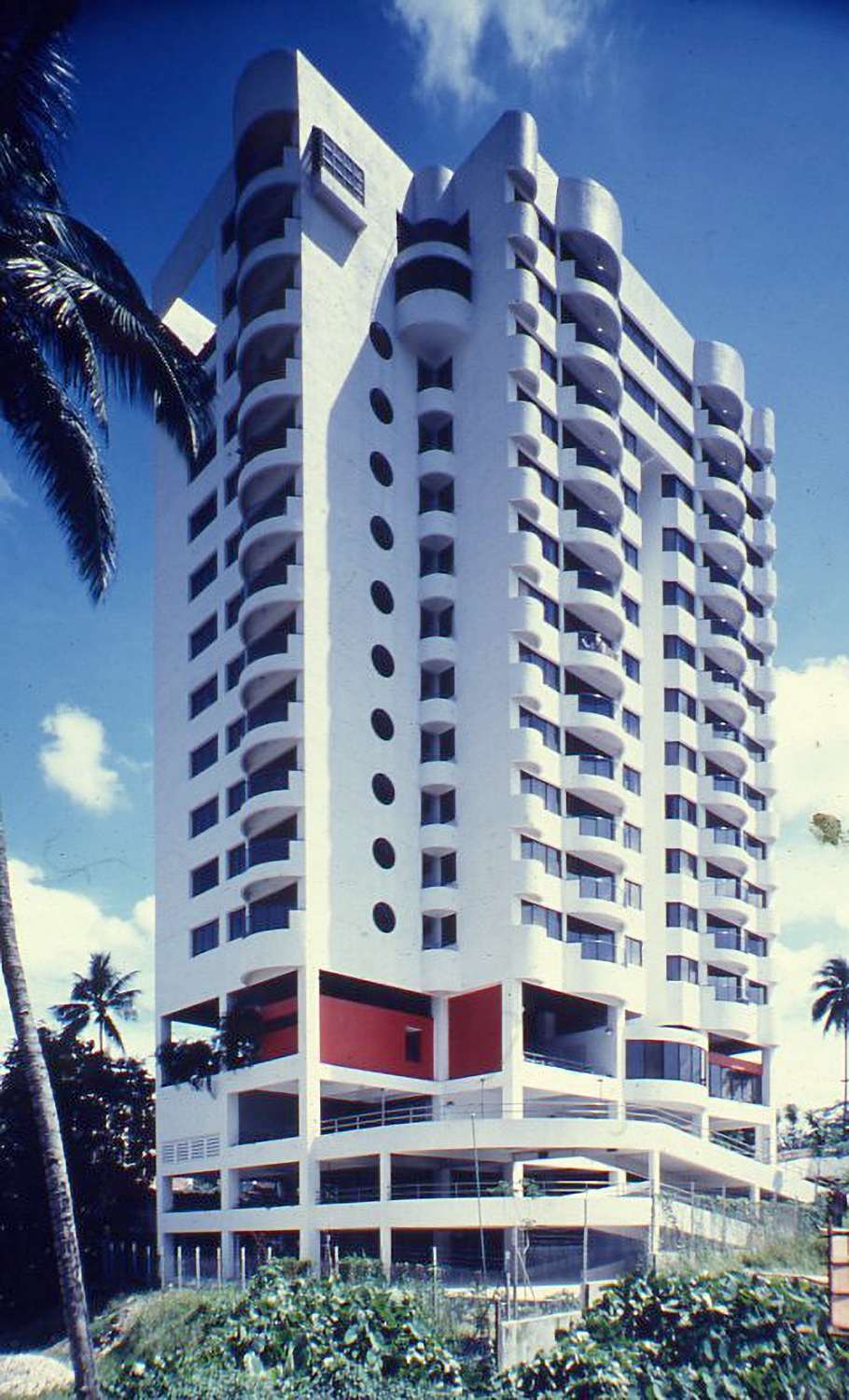
For example, in KIP Core Sentral, we expressed the towers using a modern cubic design that is carried down to the carpark podium itself, integrating it with the design of the towers above. The façade also breaks up the monotony of the corridor and allowing natural ventilation to flow through the spaces.
In our projects, we always try to relate to the context and look at how buildings could link to its context. So in KIP Core Sentral we also wanted to link up the project with the surrounding developments, thankfully KIP Mall is owned by the same owners, so that went ahead. We had also planned to link KIP Core Sentral with the development to the west, however the land was sold to another owner and that linkage didn’t end up materialising yet.
SK
Looking back at your career, how much has the profession changed compared to when you first started?
DT
Architecture was a much smaller profession back then, there weren’t as many of us around! (laughs) It was an easier time back then, and I don’t envy the position of the current generation of architects. Back then there were more jobs that were given out and I was lucky to have gotten a few as well. Nowadays, there is so much more competition, and the field has become very demanding.
The idea of the professional was set out in the Victorian times, where the gentleman architects had a scale of minimum fees and a code of ethics to serve the community. The professional has largely remained the same, however the roles of which the architect plays in the industry has evolved. Back then, architects were the leaders and experts, driving the project with his hand-selected team. However nowadays, the industry has changed into a more collaborative field, one in which the architect is no longer the lead, but rather the connector for the different stakeholders.
SK
DT
SK
DT
We started our term during one of the worst economic recessions then, and that had exposed the many weaknesses, issues, and threats to the profession. I believed that a strong profession was imperative to reassert the role of the architect in society. We had reorganised the PAM committees to be in line with the programmes that were planned to strengthen the profession and service the members. We were fighting against the town planners, the engineers and even the developers!
We established the PAM Professional Development Programme to upgrade the professional skills of the architect to help strengthen the profession and face the challenges and change. We also held engagements with the public, we called it the PAM Meet-The-People session, allowing the public to learn about design and seek professional advice. It was intended to open the profession to the public to learn about architectural design, however the many who attended came to complain about the developers and to solve their housing problems. That has helped us understand the problems of the industry with shoddy quality and delivery and so were able to address them.
I believe that during my term, strengthening the profession was important, and it laid the foundation for the industry, such as setting a common basis for housing stage certification for all parties. This is taken for granted nowadays, but back then it wasn’t as clear cut. I believe that we had laid the foundation of the profession, and that has allowed the present generation to explore more socially conscious issues.
SK
DT
I think PAM has adapted well in communicating with its members and the public. They have continued the dissemination of information to the members, albeit now through social media in addition to print medium, and dialogues with members have been transformed into PAM Town Hall Meetings. Due to the pandemic and the lockdowns, the dialogue sessions have gone online where the public are still able to receive professional advice.
However, I think with social media nowadays, everyone and everything is expected to be instantaneous. Back then, we would get letters and you had time to craft and compose your letter. Then the fax machine came around and things got faster, but you still had time to compose and type out your response. Yet now with email and WhatsApp, you’re expected to reply instantly! Life for the architect has become even more demanding and hectic.
I think there are advantages to the different forms of information dissemination, from print media to social media. For example, in our practice, we have our website with all of our project information, the place where we collate and present our portfolio of projects. Our Facebook is mainly for updates and events, while our Instagram is more image-focused and curated.
SK
DT
SK
DT
SK
DT
When I became the PAM president [in 1987], it was the 30th year of independence for Malaysia. We not only wanted to document the architecture of the nation for professional and educational purposes, we also wanted the exhibitions and the books to be a discourse, where there is a reflection and takeaway for the participants and readers. In 2017, the 60th year of independence was upon us and I wanted to continue the discourse.
It was in discussions with Rob Powell, Lillian Tay and Dr Ken Yeang that the idea of the Merdeka Jubilee Architecture Symposium and an accompanying book was born. It was Dr Ken Yeang who suggested the book be a “snack book”, where there are snippets and snapshots of the architecture that built the nation. I had thought to showcase the timeline of the architectural development of the country, and what better way than to see it than through the lens of PAM past presidents. Each president gave a snapshot into the architecture or issues during their term, and that largely gave rise to the book.
SK
DT
At that time, the nation was still building itself up, and that was when many government projects where built. The people needed housing, therefore affordable housing was built, children needed education, therefore schools were built. Resources were limited, therefore the design for these were simple and a single design applied to all. Grand architectural buildings were relegated to the public buildings.
During the third decade, the designs for the nation took off. The nation was searching for an identity, and many iconic buildings came from the era, such as the Maybank tower and the Putra World Trade Centre.
In the fourth decade, that was when the designs really skyrocketed. The Petronas Twin Towers, the development of Putrajaya and KLIA Airport were all built during this era. Looking at Putrajaya, there was a need to express the nation’s identity. According to the interview with Tun Dr Mahathir, he had wanted an Islamic theme, and therefore the first generation of buildings in Putrajaya has more Islamic designs and motifs.
SK
PRA has also had a hand in designing for the nation, with the design of Kompleks F in Putrajaya. Could you tell me some of the design inspirations behind it?
DT
The project was a competition for the masterplan of Kompleks F government offices. We had won the competition with our design of a series of layers, building forms and clear traffic and pedestrian circulation and with a linear garden running the length of the masterplan. After that, the site development was split between three firms: Pakatan Reka Arkitek Sdn Bhd, SNO Architects Sdn Bhd, and Jafri Merican Architect. It was believed that one firm would not be able to handle the whole development because of the size. As the planner and lead architect, PRA set the design theme and urban design guidelines for the whole development.
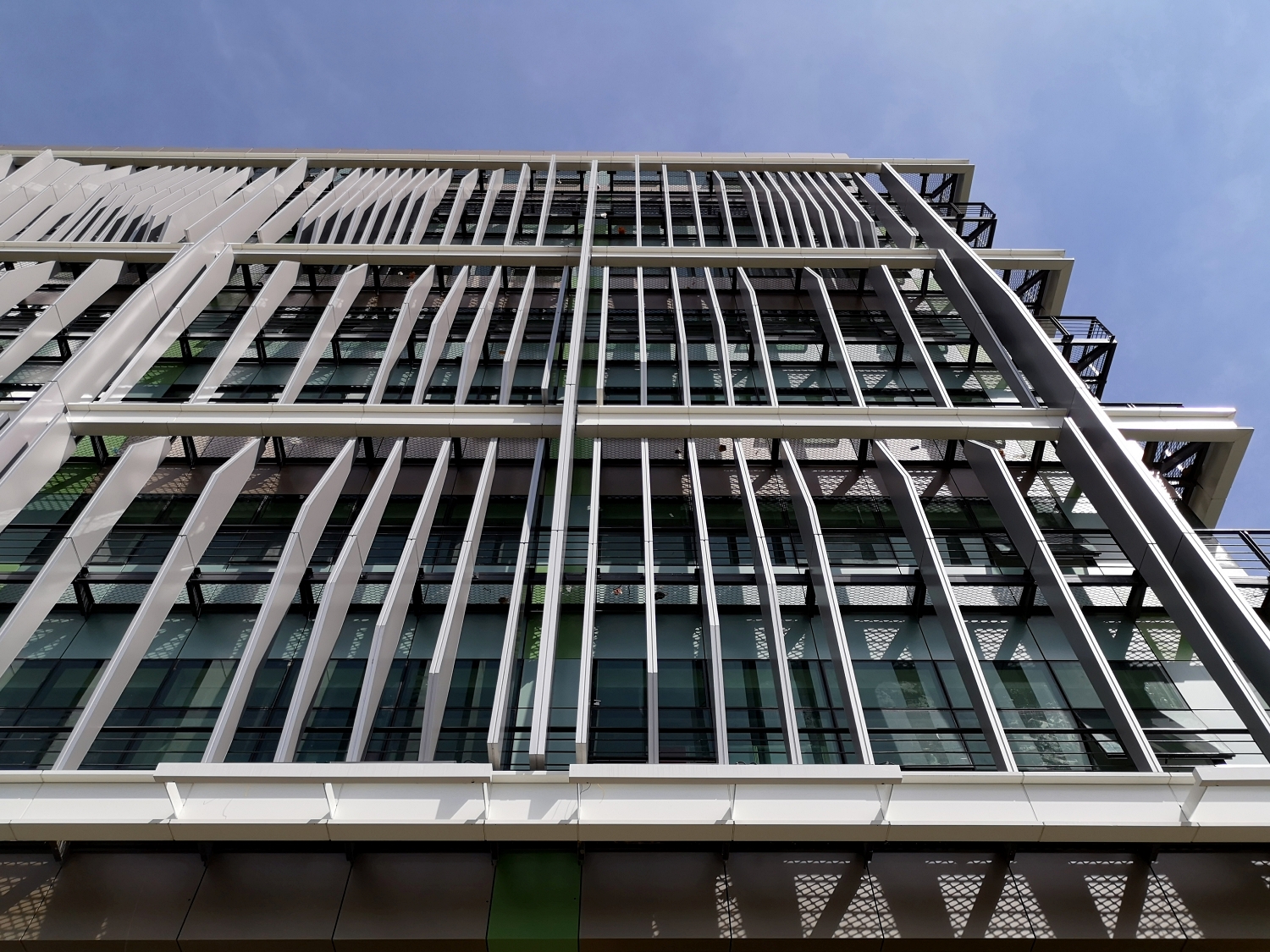
In terms of our design for the blocks F2 and F3, we wanted to keep it to a simple rectilinear geometry with a “songket” theme for the louvers which were designed in a subtle rhythmic pattern to create movement. The idea is to emulate the dynamics of the reflection of a “songket” against light. We wanted to express the identity of the nation, but in a more subtle way.
SK
DT
SK
What do you think has allowed the new generation of architects to be more socially conscious? Could it have been passed down from educators, who have had more experience in the field and started thinking of these issues, or maybe it’s the society in general that are becoming more aware of these issues?
DT
This thinking is definitely influenced by the educators. They are the ones who push the thinking, and shape and form the thinking of the students.
To go off on a slight tangent here, I think that architecture education in Malaysia needs a change. Most universities in Malaysia currently do not teach or push the students to think and design outside the box and in large sweeping lines, but rather they are training them to be industry-ready. That is not the primary responsibility of the educators, the responsibility should fall also onto the professional architects to teach them those skills. Some point to the requirements of Lembaga Arkitek Malaysia (LAM) for the technical-focused course structure. While that may have been necessary 10 to 20 years ago, that should not be the focus of the universities right now.
In our pluralistic world, we need architects who can think, to be relevant and to be competitive, and that starts with diversity in university education. Take Australian architecture education for example, some universities might be design-focused like RMIT, or some to be more academically focused like University of Melbourne, or some who are all-rounders. We need not only diversity in the types of education, but also diversity in the teaching staff, allowing students to learn from people of different backgrounds and experiences.
SK
DT
I think the framing of the issues are critical. There are many forces at play when it comes to these issues. For example, the design of a commercial high-rise is driven mainly by market demands and developer interests. The footprint of the building is maximised to get the most out of the project. Therefore, the issue of sustainability is not driven by climate change, but rather the market demands that contribute to climate change.
Therefore, I think many of the response is largely driven by market forces. Clients and developers now are more engaged and are more aware of the needs and tides of the market. These socio-cultural and environmental issues would be taken on by the clients if one: they add value to the project; and two: if they contribute to their corporate social responsibility. If the solutions are in line with the client’s objectives, these issues could be addressed. If the market demands it, the change could happen.
SK
DT
I do not have any advice to give, really (chuckles). The profession has changed tremendously, and the experiences that I had would not be relevant to the experiences and challenges faced by the current generation. It is tough for young architects now, as the business and work environment has changed, the architect does not hold the same position as before and yet it has gotten more demanding.
If I were to offer a few words of advice, it would be that to learn and to be adaptable to your surroundings. Be responsive to change, and never stop learning.