
• Assoc. Prof Dr Alice Sabrina Ismail, Director Architecture, Faculty of Built Environment and Surveying, University of Technology Malaysia (Malaysia)
• Hj Mohd Reizal Mohd Ali, Head of School of Science and Engineering Head of Architectural Education, PUJA (Brunei)
• Denny Setiawan, Studio Denny Setiawan (Indonesia)
• Ar. Ziaul Islam, ARCASIA, Honorary Secretary & Associate Professor, Department of Architecture, University of Asia Pacific, Bangladesh (Bangladesh)
AM picked the minds of educators for their thoughts on the future of architecture education
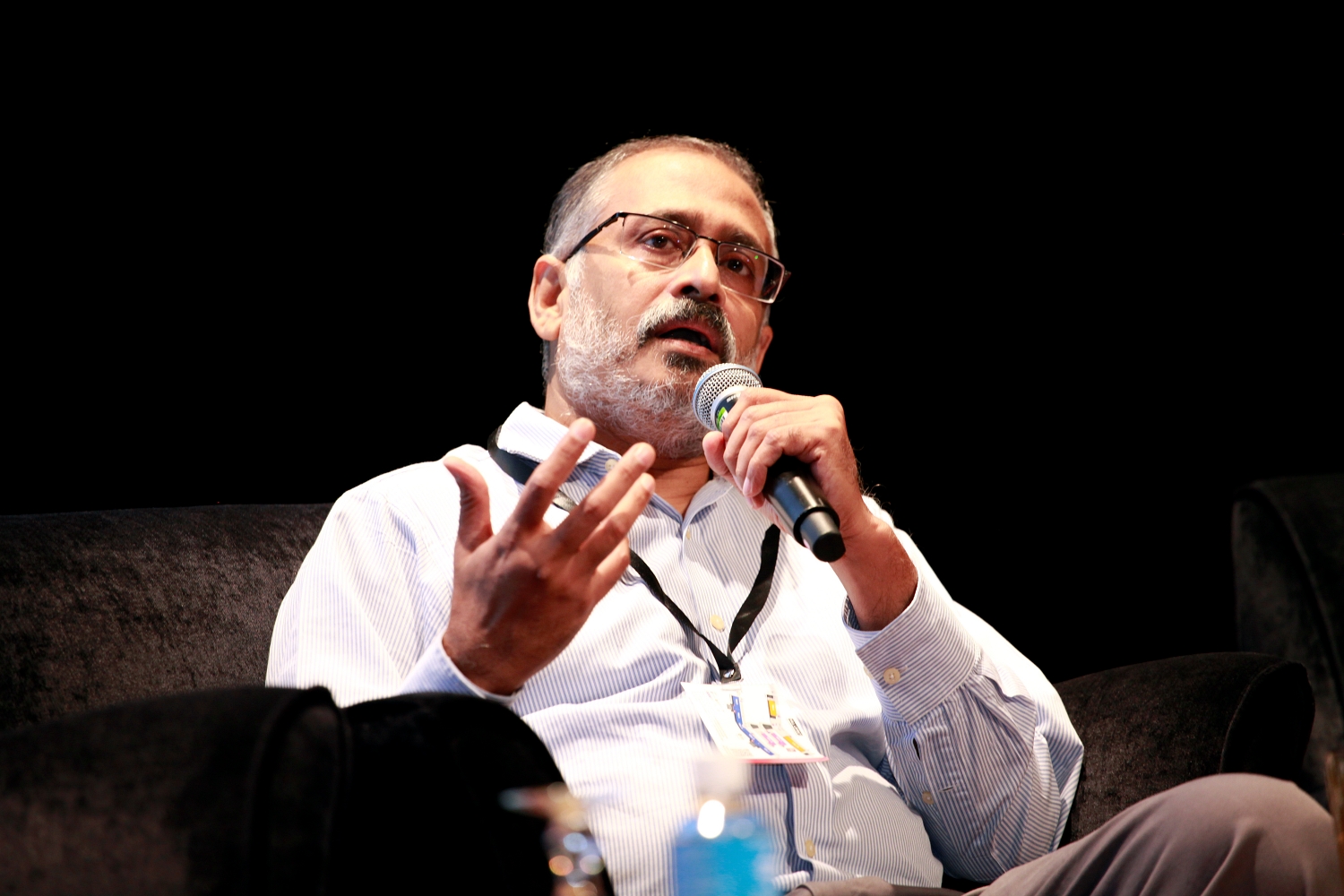
AM
ZI
COVID was a game changer. Like many other fields, Education in general and Architecture Education to be more specific faced a stumbling block. When academia moved into online education it had exposed the vulnerability of many teachers and students due to lack of access to it. If devices are classrooms, then network connectivity is like corridor, which as a infrastructure facility should have been provided by the institutions. But many institutions failed to do that. A survey on architecture students predicted that the future is hybrid mode (both online and in person). If so, the infrastructure should be such that it eradicates digital divide and becomes inclusive.
Also, in online mode students’ learning was more independent and asynchronous, while traditionally architecture education is a studio-based collective learning culture. Although self-learning is an essential skill especially in a highly challenging scenario like now, lack of co-learning and co-sharing of studio culture directly impacted the personal learning and development of many students. So, any future policy on architecture education should have a balance between the above two forms of learning.
Moreover, we are at the juncture of history when a new Industrial Revolution
4.0 is taking place. It is changing the whole work culture even the production, supervision, project management and all. So remote working and supervision, 3d-printed construction, new experimental materials are all reality now! AI is threatening even to get works done in the creative fields. Luckily there will always be problems which will need creative solutions. Therefore, architecture education must focus on developing aflitudes so that the future professionals have the courage, adaptability, and the capacity to apply themselves creatively when they face the unknown.
In recent times and in the coming years the vulnerability of the people globally is and will be increasing. Pandemic, climate change, displacement of people due to war and natural disasters are ever increasing. So academia, as well as people and architecture professionals, must prepare themselves for a new form of architecture… that is, architecture of resilience.
And finally in a true global plafform of education like Cousera, edX, TedX etc. the traditional form of institutions and pedago- gy is at stake. Students can self-learn by taking different courses from different top-tier university professors and professionals, and can earn credits. In a challenging scenario like this, the future pedagogy must rethink its content, delivery system, evaluation, and the overall modality, yet making them inspirational… kindling the young minds to enjoy the exploration of knowledge and its application. As it has always been, great inspirational teachers always mafler when the point of learning comes in.
MRMA
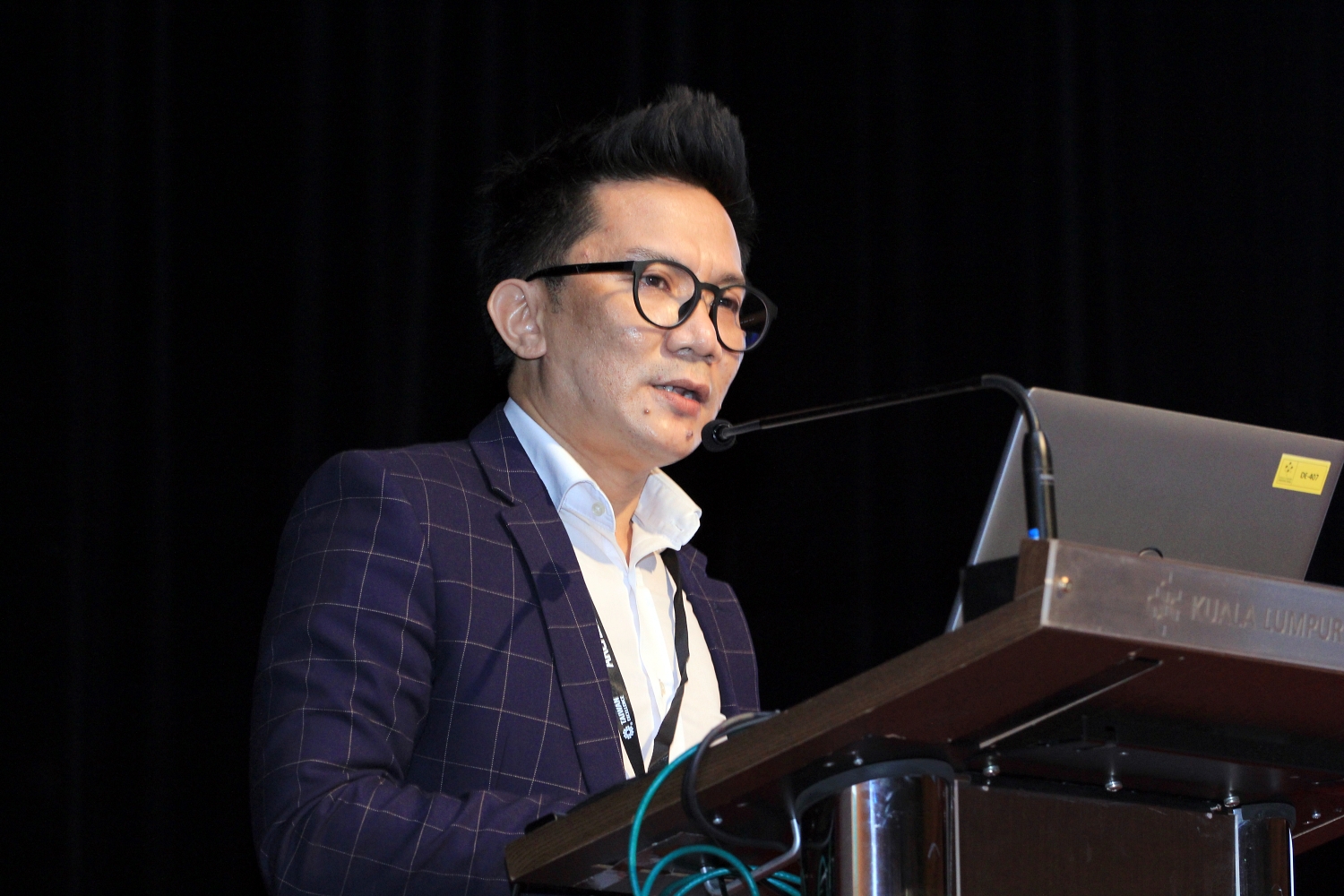
ZI
MRMA
In our institution we develop learners through holistic education, develop leadership, highly effective communication, and challenge students to think critically and engage in their learning. Working with others with diverse integrated national and international environments. This skill is the foundation of their success in the university and beyond, however this skill all requires perseverance and resilience. Students of architecture should be given the broad knowledge they will need, to play an influential role within their team and to help create a befler built environment for future generations. Out of all this of course we want skilled and competent students. From the oversaturated job market to creating self-opportunity for survival – means that institutions need to play a bigger role and prepare students by providing a holistic and conducive learning environment.
This approach will help increase graduate employability, where the student is equipped with knowledge and skills to enter the Architecture-related job market. With this in mind, we incorporated dynamic curriculums and programmes which not only focus on meeting the challenges of the changing environment but also provide students with skills and knowledge beyond academia. By incorporating entrepreneurial and independent learner skills in the curriculum, I believe that it will help students to think creatively and solve problems effectively which will eventually help them survive and adapt to situations, especially aher graduation. This provides opportunities that tackle the needs and demands of the Industrial Revolution 4.0 and indirectly prepares architecture students to be marketable and independent. Architecture students must have versatility and not scope their skills into one portion, meaning that the students need to handle a lot of things and need to observe not only on design, but on time management, discipline, aflitude and punctuality, communication skills, be versatile and multi-tasking and not be afraid of failure.
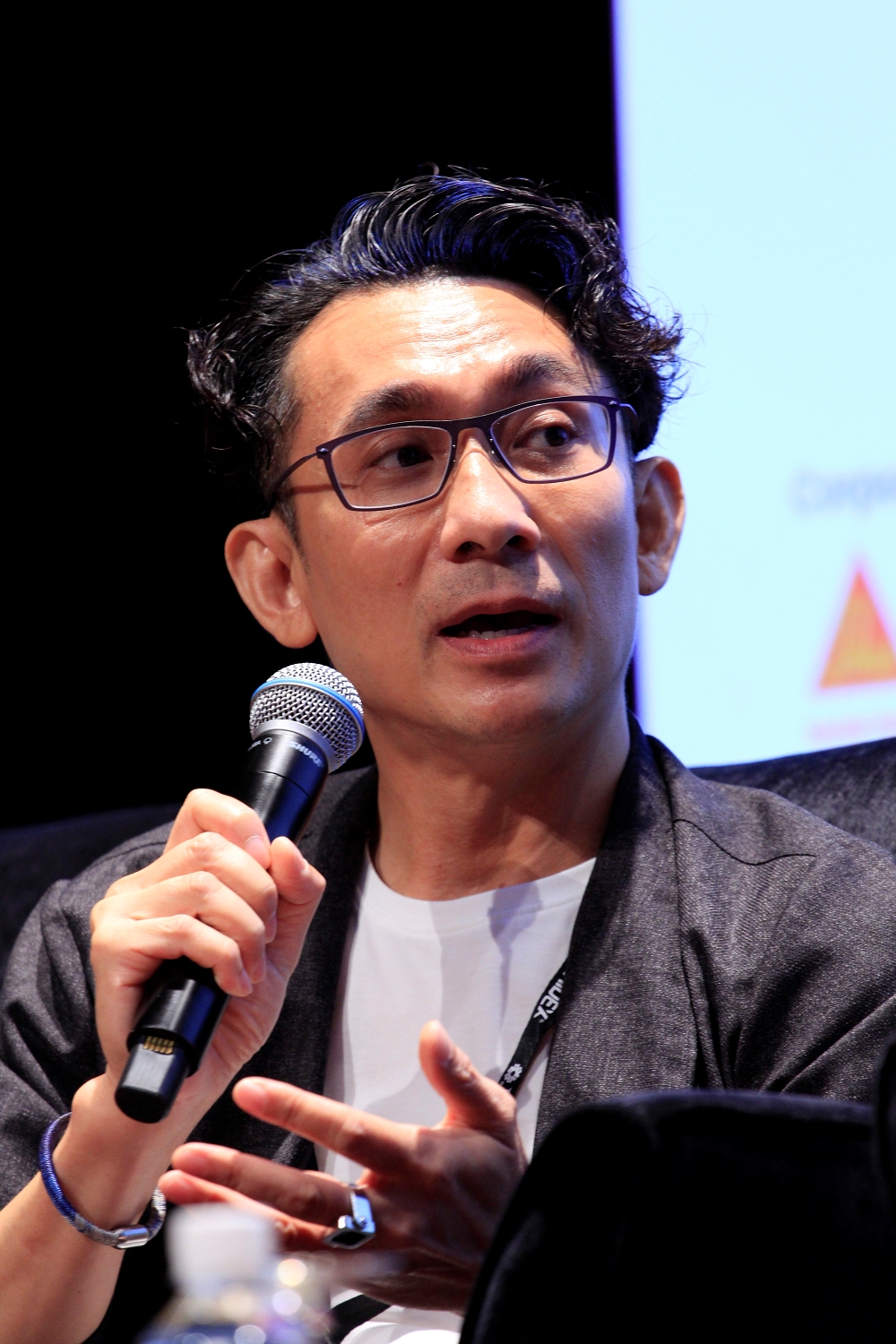
AM
ZI
If we look for pre-requisites in a pre-architecture student, she/he should be a good observant, have some form of imagination and a skill to communicate that imagination, have a mindset to take new challenges, have cross-disciplinary interest and be hard-working. To me creativity is a by-product of all the above factors altogether.
• Phua Chin Eng, Landart Design (Malaysia)
• Lee Wern Ching, SD 2 Sdn Bhd (Malaysia)
• Jelle Hendrik Therry, RAMBOLL Singapore)
• Alfred Lee Fei Chong, STX Landscape Architects (Singapore)
Phua Chin Eng and Lee Wern Ching shared their thoughts with AM on landscape architecture, its evolution over the past five years,their pet projects and how they address native growth with manmade landscape.
AM
PCE
Generally, in the last five years landscape architecture has evolved, not only emphasizing the beautification of private or public projects; but it is also gefling more important now, with more emphasis on solving climate issues, environmental pollution, and flooding issues, promoting more on sustainable development through landscape design, and promoting actions based on transformation, innovation and resilient landscape. Meanwhile, understanding how changes occurred in the past years that impacted our planet and how humans responded to them can help us to plan for the future more considerately and efficiently.
LWC
AM
PCE
LWC
AM
PCE
LWC
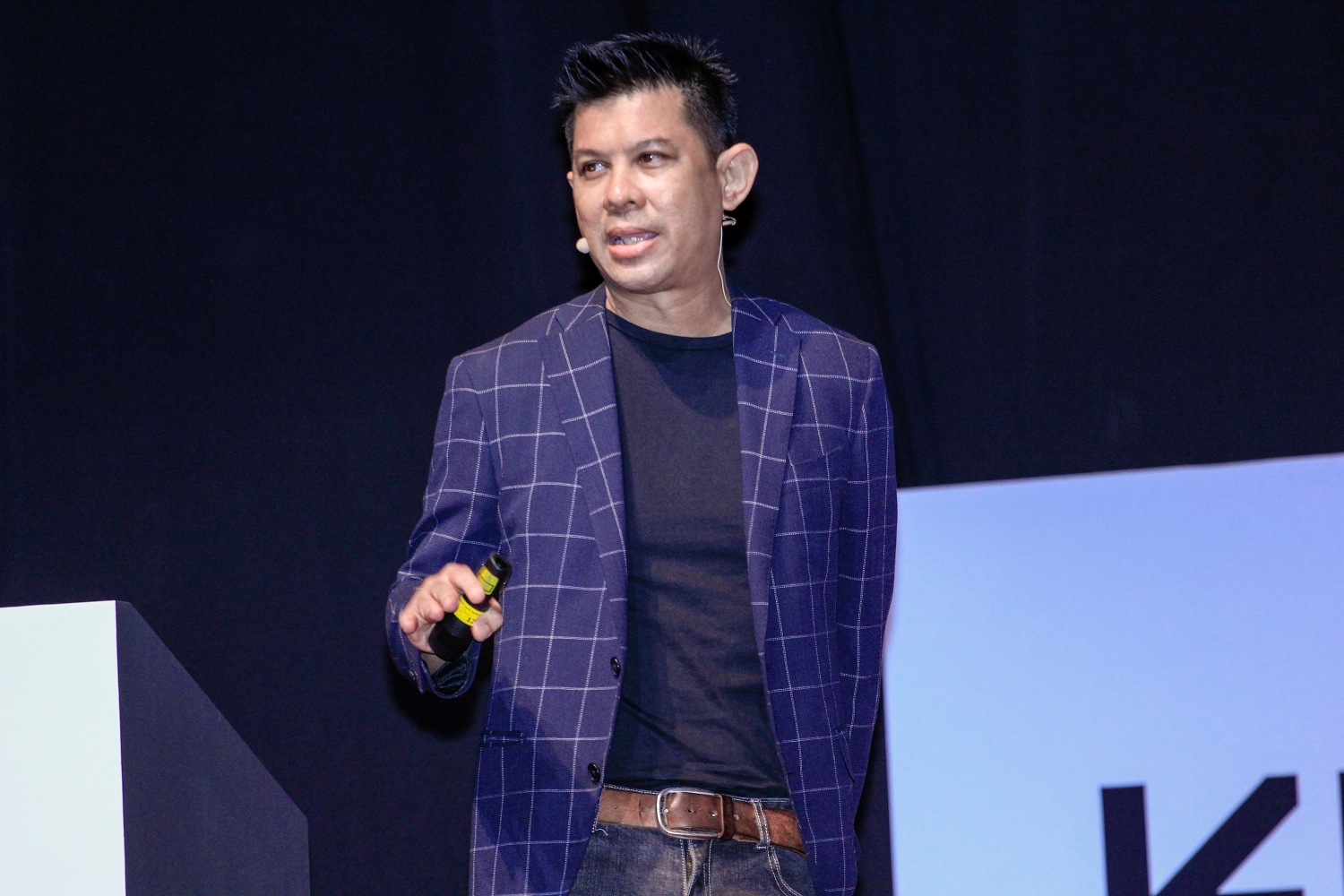
AM
PCE
LWC
DAY 2 – AFTERNOON DATUM+ PLUS
• Suhaimi Fadzir, Puyu Studio (Malaysia)
• Pamela Tan, Poh Sin Studio (Malaysia)
• Melvin Tan, LAUD Architects Pte Ltd (Singapore)
• Adela Askandar, Studio Bikin (Malaysia)
• Yann Follain & Jonathan Poh, WY-TO Group
• Vo Trong Nghia, VTN Architects
• Patcharada Inplang, Shermaker Studio
• Nigel Greenhill and Li Sau Kei, Greenhilli
• Melissa Smith and Sachin Bandukwala, BandukSmith Studio
• Masyerin M Nor, Domaine Architect
• Kamarul A Muhamed, Aerodyne Group
• Arief Rabik, Indonesia Environmental Bamboo Foundation
• Antonius Richard Rusli, RAD+ar
• Akshay Heranjal, The Purple Ink Studio
AM approached DATUM:KL speakers to discuss current and impending issues in architecture. We thank our speakers for taking the time to ruminate our questions and providing us with refreshing insights.
AM
MN
Let us put aside the usual topics including COVID, economic downturn and inclement weather, which are simply global phenomenon. One main issue is housing affordability by the average income earners. As architects, we always want to see our communities being able to live in well-designed houses. We get a certain kind of fulfilment when we see how the lives of people around us are being improved by good architecture. Unfortunately, this is still a farfetched hope for most.
The trouble is not the rise of property prices, but the relatively low disposable income by many. In other words, the rate of the increase of average salaries is not enough to catch up with the increase in property prices. This creates an imbalance in affordability.
Housing areas are shihing further and further away from the city centres to take advantage of lower land prices. As a result, many have to spend a higher cost of commuting, albeit the time loss being in traffic. This in turn increases risk of accidents, physical and mental health issues, lower quality of life, as well as impacting the nation’s productivity.
In order to meet the market affordability, the standards and quality of the houses have also been compromised. Most developers are still selling the typical terrace houses with smaller build ups. The typical typology of terrace houses of 22’ x 75’ that has been around since the late 1970s are still being produced, sadly with inferior materials and finishes.
It is a chain reaction from the much larger imbalance of the nation’s economic wellness. One that is more complex to turn around for the befler.
PI
I think in Thailand, we are stuck with an influence from social media and visual quality of architecture. Many people look past the aflempt and the real meaning behind architecture.
Fewer young generation of architects and designers would separate a clear path as one follows the train of public expectations. In my opinion, it is not the right (sic) way because architecture should reflect social statement in their era, but it will directly affect another methodology of architecture for those who do not perform their work following client’s or public’s expectations. This kind of architect do not have a way and plafform to maximise their abilities. Many people do not get their design message across, causing a lack of diversity in our architecture community. There are no space and time much to pursuit your intention as everyone has the need to be successful in a short time, stay comfortable and secure their status in the profession. That directly affects the architectural quality in the city.
The global lockdown has caused a paradigm shih towards designing spaces that are naturally restorative. A key issue that surfaced was the anxiety people felt in spaces, especially when the amount spent indoors became significantly higher. It inevitably contributed to the widening gap between the social classes where divides are more pronounced. This groundup level nudge has motivated a re-look in urban planning at the policymaker’s level, to re-prioritize well-being valued in public spaces. Architects now take on an empathetic approach in carving and designing sensitively to spaces, particularly in 3rd places for a nurturing and equitable atmosphere.
With that being said, Nature has been the common antidote to address the issue of increasing the quality of our lives after the pandemic. We are actively seeking opportunities to enhance our urban green areas because of the extensive benefits it covers. From addressing climate challenges to scientifically proven cognitive health benefits, exposure to greenery has aided in our recovery process in every way, post-pandemic. This movement is not exclusive. Collectively, the newer generation of built environment designers is designing consciously. They witnessed the impacts of global warming and are aware of how the built environment can also hurt the delicate balance of the ecosystem. Thus, the noticeable strong global push to achieve a regenerative and resilient world that can bounce back quickly. It is inspiring to know that we are strategizing our steps for a sustainable tomorrow.
AM
MN
PI
WY-TO Group was founded on the philosophy of “Design with A Cause” and that has never changed since day 1. We believe in the circularity of ecosystems because Nature has shown us how powerful this can be. In our constant evolvement with the environment around us, a Humancentric mindset is needed in making targeted urban changes for a well-rounded ecosystem of benefits. This allows frame-works to take on a more dynamic and well synergized circular flow of strategies that connects everyone, from macro to micro, in the closed-loop system. Within this circular system, people are empowered to innovate within the parameters which creates a lasting influence on the environment with carbon-friendly strategies.
Beyond the architecture technicalities, it is about continuing the collective memories that were organically formed. There is an intimate interlocking relationship between Planet, People and Place. When approaches are grounded contextually, we naturally align ourselves to opportunities that holistically consider the rejuvenation of existing structures and recognise the organically formed communities. Repurposing them to modern-day requirements uplihs each unique built identity every city has nurtured.
It is ultimately about the quality ofsquare metres and not mindlessly artificializing land for temporal satisfaction. If we do build, we could perhaps look into constructing vertically to accommodate densification. With land becoming scarcer and material cost rapidly increasing, this could be the next best solution for built environment prosperity.
Only when we co-evolve with our environment, may we continue to celebrate our co-existence!
AM
MN
PI
We have a strong idea in the thing we doing today. In the near future, we want to expand our ability in another dimension of professional realm. More and more expansion in both working with small units of local teams and in the social-academic dimension.
AM
MN
PI
Good Food, Good Life! Our ongoing adaptive reuse project for Singapore’s former fire station at Bukit Timah. This project has been garnering a lot of aflention and for good reasons. It is a project that encapsulates our philosophy “Design with A Cause”, the first project in Southeast Asia that has won the recognition of C40 Cities in their international Reinventing Cities competition, and the pioneering project of its kind in Singapore.
We are extremely lucky to embark on this with a Team of Partners and Collaborators who trust our vision and have been contributing generously throughout. It is definitely heartening and reassuring to know through the external positive feedback that we are on the right track! We definitely hope that “Good Food, Good Life” will become an approach reference that it is indeed possible to integrate Planet and People for Prosperity!