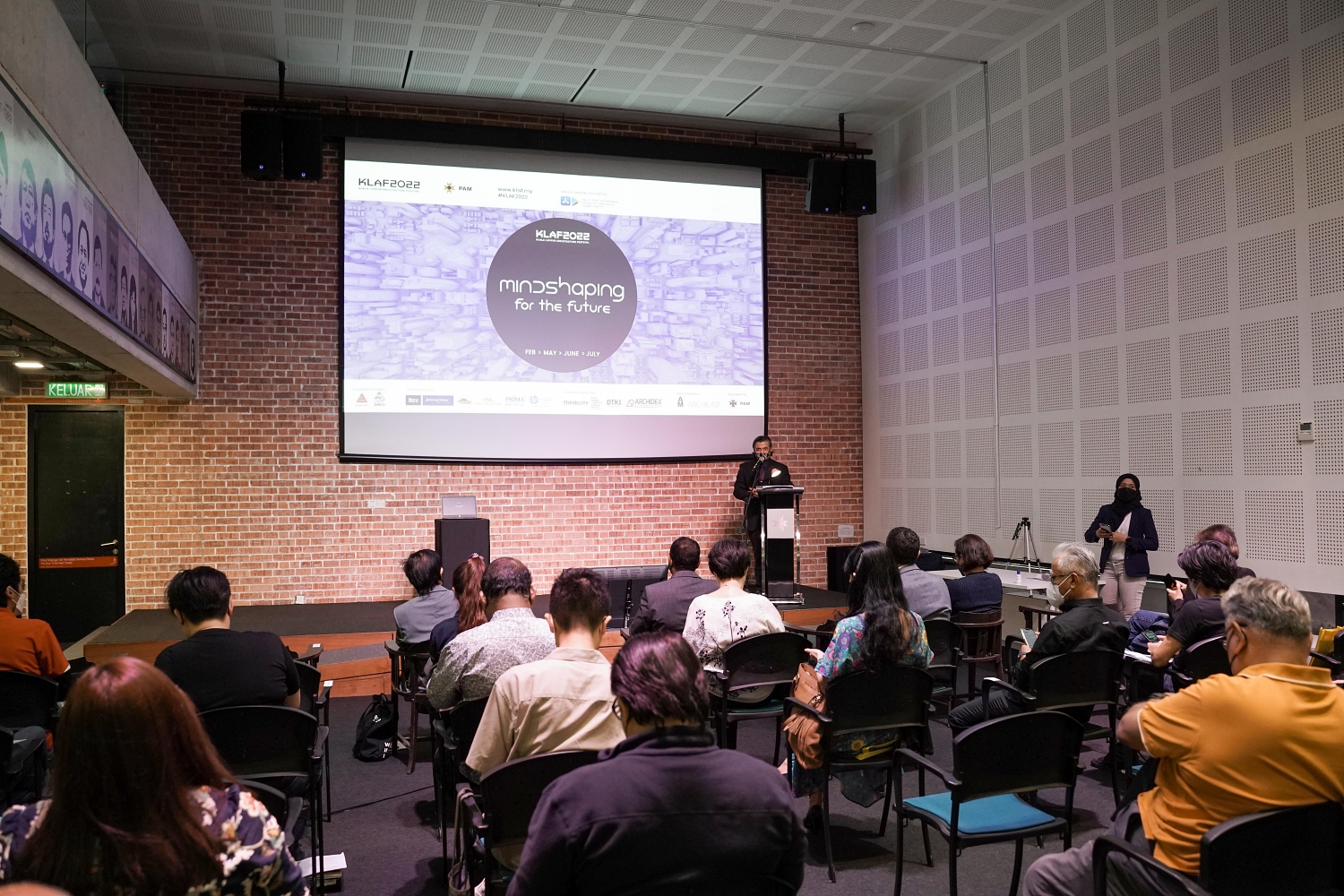
The title for this year’s KLAF is like a clarion call for the creative industry, which includes architecture to take charge of the future. As our main natural resource, oil is projected to run out in 2050: after that, we will have to rely on ourselves for our future well-being. All the countries around us today are looking at the creative industry to elevate the general economy. What we do now is merely catch up with our neighbours who have already taken the leap.
This is exemplified by the measures that our neighbours have taken to bring the creative momentum to their shores. In 2019, Bangkok and Hanoi achieved “UNESCO Creative City for Design”; before that Singapore achieved theirs in 2015 and Bandung received theirs in 2014. Seoul already received theirs in 2008. It takes years of work to be received into the UNESCO Creative City for Design network, so these countries have been preparing and working on this for years. For example,although Hanoi and Bangkok received theirs in 2019, they would have already been aware of the importance to join the network years before. Malaysia today have not even made moves to make an application, let alone receive the status anytime soon. We are alarmingly well behind in creating a creative momentum, and each of us knows that it is harder to crank up the gears than to ride on an ongoing wave. By the time we are ready, we would have been left further behind. If we are still sceptical about how far behind we are, all we need to do is to check on the state of design, arts and architecture in the countries around us and compare to where we are.
From the 1990s to the 2000s Malaysian architects and designers were travelling to China to work and getting things built there as we, together with many other countries were filling the gaps of a provincial economy and China was ever so ready to receive us. Just a generation later, we are no longer needed as China is now competing with the elites in every area and soon, they will be the largest economy in the world, with technology ready to surpass everyone else.
From the 1990s to the 2000s Malaysian architects and designers were travelling to China to work and getting things built there as we, together with many other countries were filling the gaps of a provincial economy and China was ever so ready to receive us. Just a generation later, we are no longer needed as China is now competing with the elites in every area and soon, they will be the largest economy in the world, with technology ready to surpass everyone else.
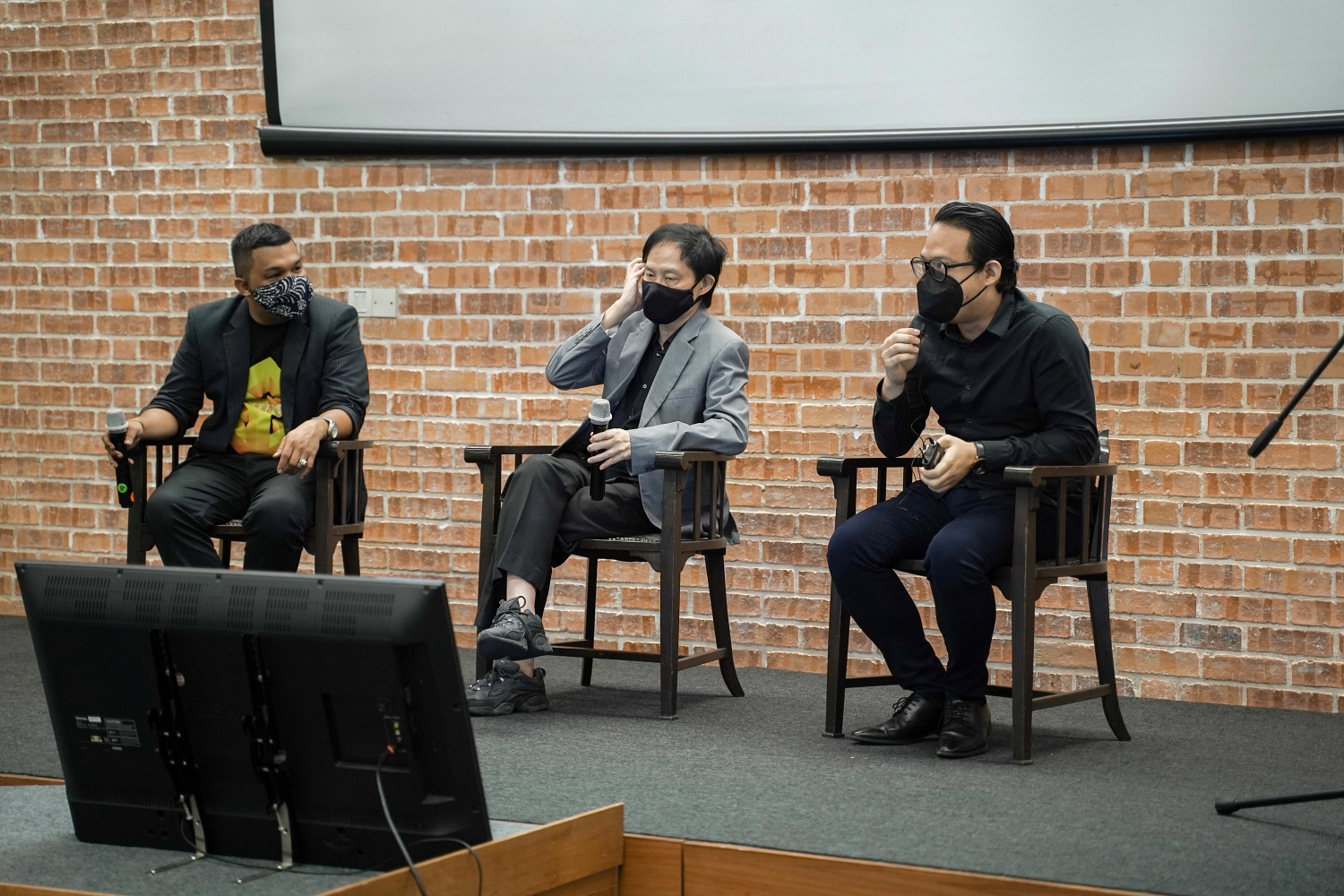
(MSC), where Cyberjaya is the remnant. It was part of the Sixth Malaysia Plan. All the creators were willing to help, including Microsoft’s Bill Gates.One of the journalists asked whether something like that is possible as the ‘conservative’ culture will resist it. Dr Mahathir answered that no one has gone against the idea so far.
As early as 2004, it was found that the impetus for the MSC was faltering and by the 2010s, it was accepted that the MSC didn’t work.The general consensus was that the inherent culture in Malaysia was resistant to the culture of creativity.Indeed, foreign investors have invested in industries that required low-cost production and even today local investors are relatively successful in this.Malaysia is among the largest chip producers in the world, but it is a given that for serious R&D, investors just go elsewhere where bottom-up creativity is encouraged.For the sake of the future, we have to shift our mindset from the province to the metropolis – think global, think metropolis,behave as if the world is where we belong, no longer in the province. We need to mindshape ourselves and curate our external circumstances. We need to create a creative culture and make it our second nature. Creativity is a bottom-up activity, not something that can be legislated and decreed by policymakers. Malaysians are relatively good technocrats, that is why we can be relied upon to produce micro-chips but are relatively poor creators and investors go elsewhere where the culture allows it.
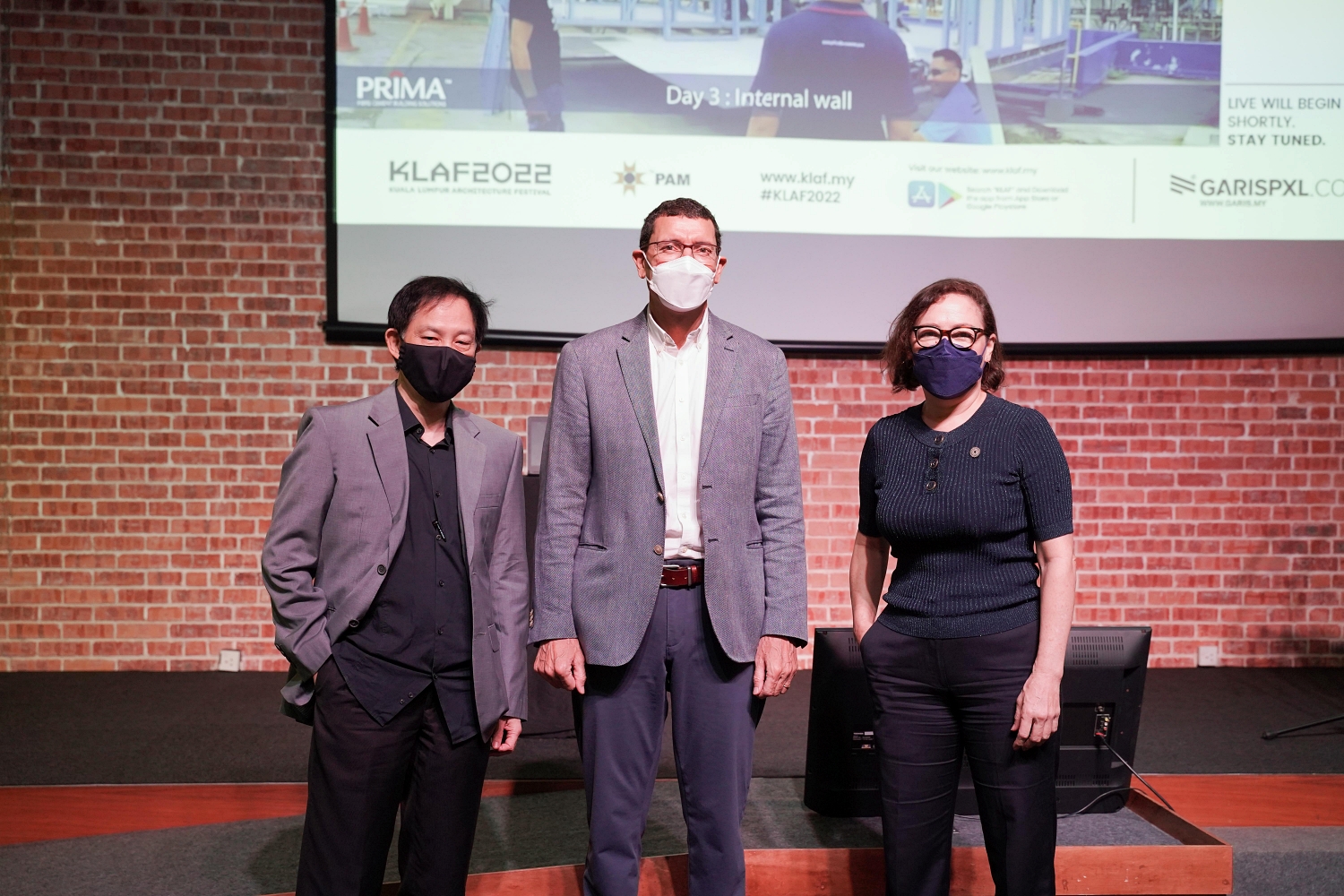
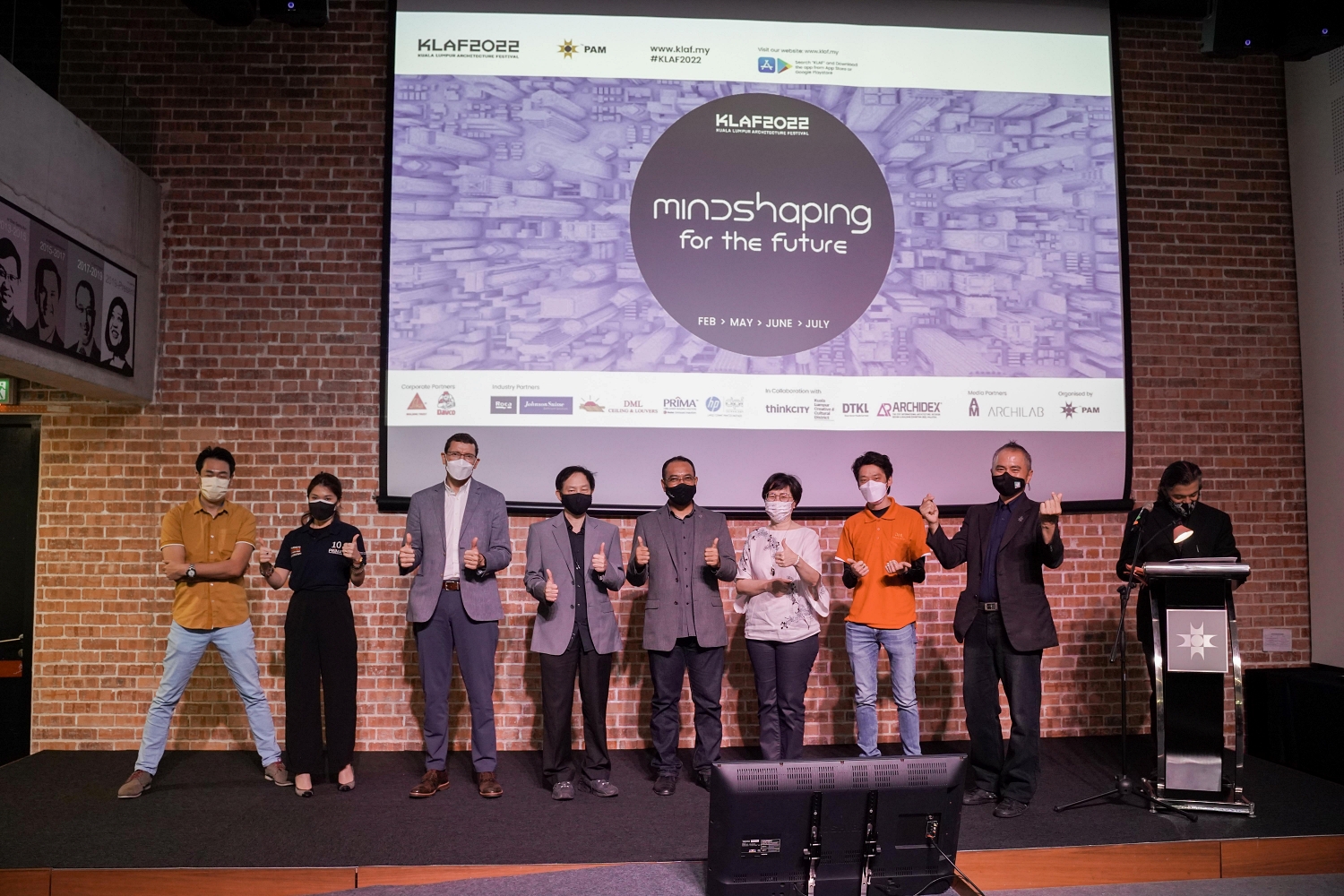
KLAF 2022 with the theme “Mindshaping for the Future” cannot change much with a few months of events but it is intended to create a spark. The external forces are large and resistant, and it will take a long time just to make a dent. But we hope to begin somewhere… 26 FEBRUARY 2022
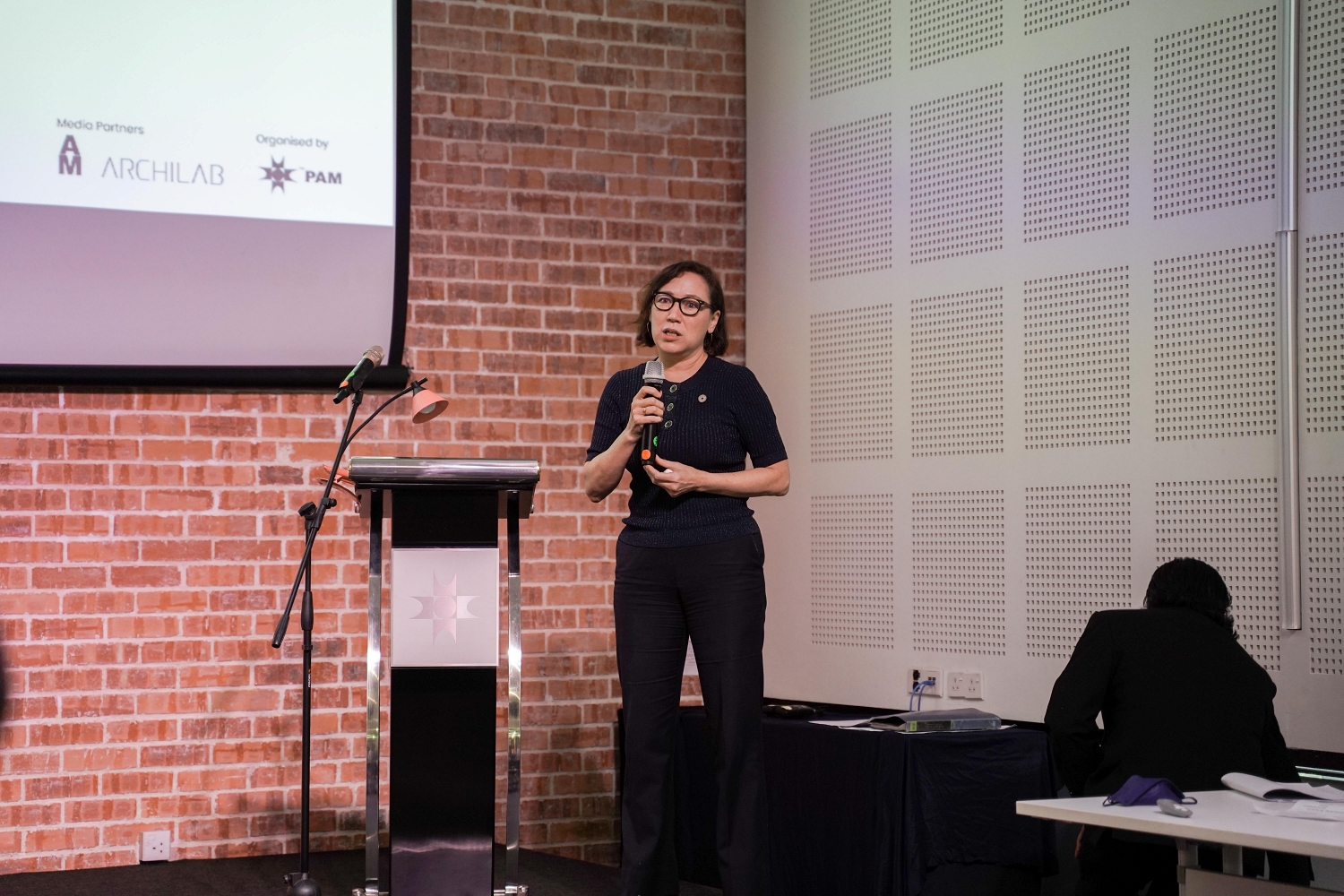
KLAF 2022 kicks off with presentations by Ar Serina Hijjas on the Malaysia Pavilion in the Expo 2020 in Dubai, which has a delayed start and is still ongoing, attracting large crowds. It is a zero-carbon building, with the metaphor of a rainforest, with most of the timber-based buildings elevated above the ground. A pedestrian passageway through the building creates a variety of absorbing experiences for the audience. The project motivates a sustainable future.
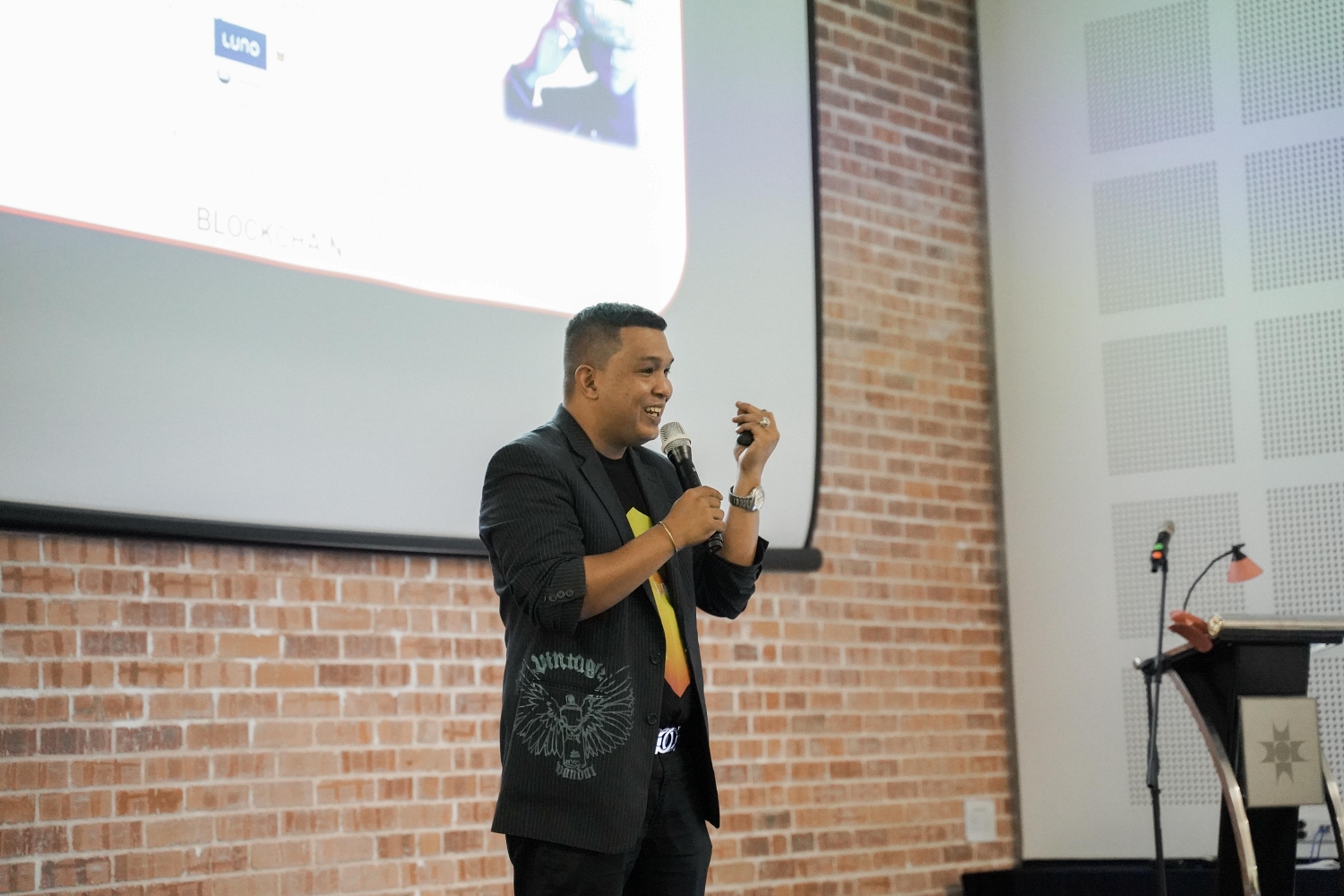
This was followed by Ar Ridha Razak’s presentation on his work on the metaverse, which has so far attracted the interest of the younger members of the profession and made its rounds at the universities.His work has now been brought to the KLAF forum. The immersion into the parallel digital universe provides a parallel economy for architects, and a place to create architecture limited only by the limits of imagination.As the internet becomes more powerful and the avatars become more real, the digital world will one day question physical reality itself.The projects will be elaborated further in the coming KLAF logbook.